Robitussin Cough Syrup Recall: Risks and Safe, Natural Cough Relief

In our journey towards health and well-being, staying informed is essential, especially when it concerns the products we trust to keep us feeling our best. In this Cough and Phlegm guide, Jonathan Bailor discusses the recent recall of certain Robitussin cough syrup products that have brought to light an important conversation about what we turn to for relief when under the weather.

Namely, while it’s essential to understand the risks associated with these recalled products, it’s equally important to know that natural, gentle alternatives are available.

With the abundance of over-the-counter remedies, it’s easy to overlook the power of nature’s own medicine cabinet. So, as we navigate this recall, let’s take a moment to consider the safe, natural ways to soothe a cough. These remedies aren’t just gentle on your body; they can be just as effective, offering comfort without worrying about unwanted ingredients or side effects.

Whether you’re seeking immediate relief or looking for long-term wellness strategies, remember that sometimes, the best solutions are the simplest ones. Let’s explore these natural alternatives together.

The Robitussin Recall

In the landscape of our healthcare choices, the recall of Robitussin cough syrup has emerged as a beacon, urging us to reassess and understand the products we use. This recall specifically involves Robitussin Honey CF Max Day Adult and Robitussin Honey CF Max Nighttime Adult, and it’s due to a concern that touches the core of our well-being: microbial contamination. This type of contamination, while sounding technical, means that the product could potentially harbor microorganisms that are not meant to be there.

For anyone, this is a cause for attention, but it’s particularly crucial for those among us with compromised immune systems. In such individuals, using these contaminated products could lead to severe, even life-threatening, health consequences like fungemia. In this serious condition, fungi enter the bloodstream, potentially affecting various body parts.

These specific Robitussin products were typically sought after for their ability to ease the discomforts brought on by colds, flu, hay fever, or other respiratory allergies-symptoms like coughs, sore throats, and congestion that can turn our days and nights into long battles for comfort and relief.

Identifying whether you have one of these recalled products is straightforward. Check the lot number and expiration date on your Robitussin bottle. The affected lots have specific numbers and expiry dates that the manufacturer has publicly shared. If your bottle’s details match these, you must cease using the product immediately.

For those who find themselves with a recalled product, the next steps are clear and directed towards safeguarding your health. The recommendation is to not only stop using the product but also to reach out to healthcare professionals if you have used it and are concerned about your health. The journey to wellness often involves being proactive and informed; in this instance, taking these steps is part of that journey.

Robitussin Cough Syrup Recall Dangers of Microbial Contamination - Jonathan Bailor

Feeling Better Is Priceless, That's Why We Don't Put A Price On It!

“It’s Like A Free and Medically Valid Version of Noom and Weight Watchers Online”

~ Dr. Doctor Matthew Oleshiak, MD

Click the 'LEARN MORE' button below for free lifetime access to the fast fix program developed by Jonathan and top Ivy League Medical Doctors

LEARN MORE

P.S. It's not a free trial. It's not part of the program for free. The entire program is free, forever, for real! No credit card needed.

Understanding Microbial Contamination and its Risks

Like the recent case in certain Robitussin products, microbial contamination in pharmaceuticals is a critical concern. This contamination occurs when harmful microorganisms, unintended in the formulation, find their way into the product. These can be bacteria, viruses, or fungi, and their presence in medicine is not just a flaw in the product, it’s a direct health risk.

Particularly alarming is the risk of fungemia, a condition where fungi enter the bloodstream. This can happen when contaminated products are ingested, allowing the microorganisms to breach our body’s defenses. Fungemia isn’t just a minor inconvenience; it can lead to widespread infections, affecting vital organs. For someone with a strong immune system, the risks are lower, but they’re not negligible. In immunocompromised individuals, the consequences can be severe, even life-threatening.

Given these risks, it’s paramount to be vigilant. Monitoring for symptoms after using potentially contaminated products and seeking medical advice promptly can be crucial in safeguarding health against the unseen dangers of microbial contamination.

Natural Cough Remedies as Alternatives

In the wake of the Robitussin recall, many are seeking natural alternatives to soothe their coughs. Nature offers a bounty of remedies, each with its unique healing properties. These alternatives not only provide relief but also align with a holistic approach to health.

Let’s explore some of these natural remedies, understanding their benefits and how they can be incorporated into our daily wellness routines.

1. Honey

A spoonful of honey is more than just a sweet treat; it’s a time-honored remedy for a cough. (It can even help relieve a chronic cough.)

Honey coats and soothes irritated throat tissues, offering immediate relief, which is why it’s often a main ingredient in cough drops. Its antimicrobial properties also help in fighting minor throat infections.

For an effective remedy for cough and sore throat, mix honey with warm water or herbal tea. Remember, honey is not recommended for children under one year due to the risk of botulism.

2. Ginger

Ginger is renowned for its anti-inflammatory properties, making it an excellent remedy for an acute cough. It helps soothe the throat and reduce irritation.

A ginger tea, made by steeping fresh ginger in hot water, can be both comforting and effective. Adding a bit of honey or lemon can enhance its soothing effects.

3. Peppermint

The menthol present in peppermint has a soothing effect on the irritated nerve endings in the throat, thereby providing relief from cough and other cold symptoms.

Peppermint tea or inhaling peppermint steam can be particularly beneficial for cough and congestion.

4. Turmeric

Known for its potent anti-inflammatory and antioxidant properties, turmeric can be a powerful ally against coughs.

A popular method is to add turmeric to warm milk, known as “golden milk,” which can be a soothing nighttime coughing remedy.

5. Saltwater Gargle

A simple warm salt water gargle can effectively relieve a sore and irritated throat, a common symptom accompanying a cough. The salt helps reduce inflammation and clear mucus.

Mix a teaspoon of salt in a glass of warm water and gargle several times a day.

Natural Cough Remedies Part 1 - Jonathan Bailor

6. Thyme

Thyme has both culinary and medicinal uses, particularly effective in treating coughs and upper respiratory tract infections. The leaves contain compounds that relax the throat muscles involved in coughing.

Herbal teas that feature thyme leaves can be a simple yet effective remedy.

7. Steam Inhalation

Inhaling steam can help loosen mucus and reduce irritation in the respiratory passages. Adding a few drops of eucalyptus oil to the water can enhance the soothing effect.

Be cautious with hot water to avoid burns.

8. Lemon

Lemon can help break down mucus and provide relief from a cough. Rich in vitamin C, it can also boost the immune system.

Adding lemon juice to warm water or tea is an easy way to take advantage of its benefits.

9. Pineapple

Bromelain, an enzyme found in pineapples, is known for its mucolytic properties, which help break down mucus and relieve coughs.

Consuming pineapple or pineapple juice can be a tasty way to alleviate cough symptoms.

10. Marshmallow Root

Used for centuries in herbal medicine, marshmallow root can soothe the irritation of mucous membranes. A tea made from marshmallow root can form a coating over the throat, providing relief from coughing.

Each of these remedies offers a gentle approach to easing a cough, aligning with nature’s rhythm and our body’s intrinsic healing abilities.

Remember, while these remedies are generally safe, listening to your body and consulting with a healthcare professional for persistent or severe symptoms is essential.

Natural Cough Remedies Part 2 - Jonathan Bailor

Frequently Asked Questions About Cough and Phlegm

What causes cough and phlegm production?

Cough and phlegm production is often your body’s natural response to irritation or infection in the respiratory tract.

Coughing is a reflex to clear the airways, while phlegm, or mucus, is produced by the cells in your airways as a defense mechanism against irritants like dust, smoke, or pathogens. Infections like the common cold or flu can increase mucus production, leading to a more pronounced cough.

Allergies and conditions like asthma or chronic obstructive pulmonary disease (COPD) can also contribute to these symptoms.

Is coughing up phlegm a sign of getting better?

Coughing up phlegm can be a sign that your body is working to clear an infection or irritant from the lungs and airways.

Phlegm that is clear or white is usually normal and may increase with a cold or flu. However, if the phlegm changes color, such as becoming yellow, green, brown, or bloody, or if you experience additional symptoms like a high fever or shortness of breath, it’s important to consult a healthcare provider.

How can I naturally reduce cough and phlegm?

Staying hydrated helps thin mucus, making it easier to expel. Warm liquids, like herbal teas or broths, can be soothing. Honey can effectively soothe a cough, especially when combined with warm water or tea. Gargling salt water can also help clear phlegm from the throat.

Humidifiers add moisture to the air, easing coughing and phlegm production, especially in dry environments.

When should I be concerned about a cough?

While a cough is a common symptom of many minor respiratory illnesses, certain signs warrant medical attention.

Consult a healthcare provider if your cough is persistent, lasting more than a few weeks, produces discolored or bloody phlegm, is accompanied by high fever, chest pain, or difficulty breathing, or if it significantly disrupts your sleep or daily activities.

Can diet and lifestyle changes help with cough and phlegm?

Yes, diet and lifestyle can influence cough and phlegm production.

Foods rich in vitamin C and zinc can boost your immune system. Avoiding irritants like cigarette smoke and strong perfumes can reduce cough frequency.

Maintaining a healthy weight and regular exercise can improve lung function and overall health, reducing the risk of chronic respiratory conditions that might cause cough and phlegm.

Embracing Wellness: Share the Knowledge

As we journey together through the intricacies of the Robitussin recall and the realm of natural cough remedies, it’s clear that knowledge is not just power-it’s a pathway to better health.

This exploration into safer, more natural ways to address coughs and understanding product safety are vital tools in our wellness toolkit.

If you’ve found value in this discussion, consider sharing it with friends and family. Spread the word on Facebook, Twitter, Instagram, or even via email. By sharing, you’re not just passing on information; you’re extending a hand toward a healthier community.

Feeling Better Is Priceless, That's Why We Don't Put A Price On It!

“It’s Like A Free and Medically Valid Version of Noom and Weight Watchers Online”

~ Dr. Doctor Matthew Oleshiak, MD

Click the 'LEARN MORE' button below for free lifetime access to the fast fix program developed by Jonathan and top Ivy League Medical Doctors

LEARN MORE

P.S. It's not a free trial. It's not part of the program for free. The entire program is free, forever, for real! No credit card needed.

Beware: Double Big Mac’s Weight Gain & Hormone Risks

Imagine this: a beloved fast food giant announces the return of an iconic burger, the Double Big Mac. The news might spark a momentary thrill for fast food enthusiasts, but here’s the crucial bit you need to know: indulging in such a meal isn’t just a casual cheat day choice. It’s a decision that could have far-reaching impacts on your health, weight, and even hormone balance. In this hormone health guide, Jonathan Bailor discusses the hormonal and weight issues you need to know before sinking your teeth into the Double Big Mac.

our health, it’s easy to get swayed by the allure of familiar flavors, especially when they’re brought back in a grand, limited-time-only fashion. But let’s pause and consider what’s really at stake with such food choices. The Double Big Mac, like most fast food items, is a concoction high in calories, saturated fats, and sodium. This trio, while tantalizing to our taste buds, is a recipe for health risks, risks that go beyond just the number on the weighing scale.

What often slips under the radar is how such foods impact our hormones, the body’s chemical messengers. These hormones are key players in managing our weight, mood, and overall well-being. It’s like throwing a wrench into the delicate hormonal machinery when we overload our system with high-calorie, nutrient-poor foods. The result? Our body’s ability to regulate appetite, metabolism, and even stress can go haywire. In simple terms, we’ll likely gain weight and feel terrible!

Think about it: Is the fleeting pleasure of a fast-food burger worth the potential long-term effects on your body’s natural balance? Especially for those of us who have celebrated more than a few birthdays, it’s crucial to be mindful of how our dietary choices can affect our health. We owe it to ourselves to nurture our bodies with food choices that support, not disrupt, our well-being.

Now, this isn’t about demonizing fast food or instilling fear. It’s about making informed choices. When we understand the implications of our diet on our health, we can make decisions that align with our long-term well-being. And isn’t that a more rewarding path to take?

So, let’s talk about the health risks of the Double Big Mac.

Double Big Mac: Nutritional Value

When we unwrap the Double Big Mac, we’re not just opening a fast-food package; we’re unveiling a mosaic of nutritional components that have significant implications for our health. This iconic burger is, in essence, an augmented version of the classic Big Mac, featuring not two but four beef patties layered with cheese, lettuce, pickles, onions, and that signature sauce, all sandwiched between a three-part sesame seed bun.

Now, let’s break down what this translates to in terms of nutritional content. A single Double Big Mac packs a substantial caloric punch; it contains around 720 calories. To put that into perspective, it’s nearly a third of the daily caloric intake recommended for an average adult. But it’s not just the calories that we need to be mindful of. This burger brings with it about 38 grams of fat, of which 17 grams are saturated fat. Saturated fats are known contributors to cholesterol issues and heart health concerns.

the Double Big Mac contains approximately 46 grams of carbohydrates and a staggering 1,340 milligrams of sodium, over half the daily sodium limit for a healthy adult. While it does offer 40 grams of protein, which is a vital nutrient for our muscles and overall body function, the high levels of fat, sodium, and calories overshadow this positive aspect.

It’s essential to understand that nutrients are not just numbers on a nutrition label; they are the building blocks and signals for our body’s functions. Consuming foods high in calories, saturated fats, and sodium sends our bodies a confusing mix of signals.

As we transition to discussing the hormonal and body weight effects of a Double Big Mac, it’s important to remember that the relationship between what we eat and how our body responds is intricate. The nutritional makeup of the Double Big Mac does more than just satiate hunger temporarily; it influences complex bodily processes, particularly our hormones, which in turn play a important role in managing our body weight and overall health.

Hormonal Imbalance: The Hidden Cost of Fast Foods Like Double Big Mac

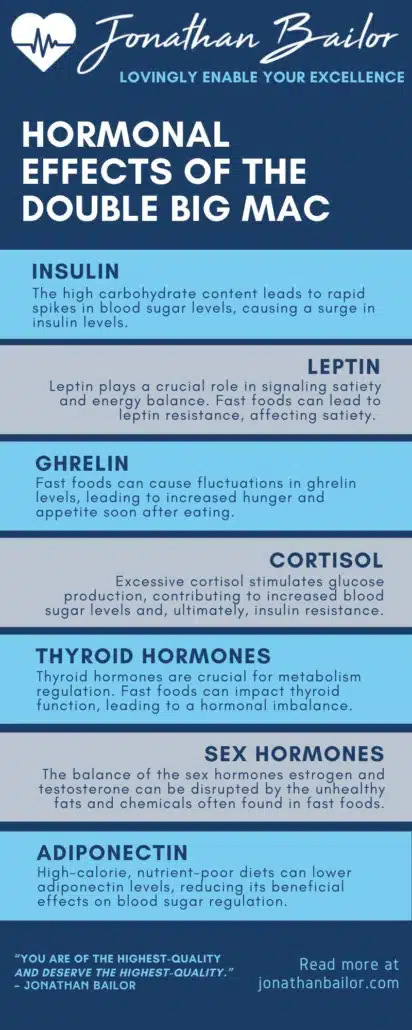
When we talk about the impact of fast foods, like the Double Big Mac, on our health, it’s not just about calories and nutrients. These foods also profoundly affect the delicate hormonal balance within our bodies. Hormones are like messengers that dictate a multitude of bodily functions, from appetite control to mood regulation. When disrupted, they can lead to various health challenges. Let’s explore 7 key hormones affected by consuming fast foods and the health problems associated with these hormonal changes.

1. Insulin

The high carbohydrate content, primarily from sugars and refined flour in fast foods, leads to rapid spikes in blood sugar levels. This triggers a surge in insulin, the hormone responsible for sugar regulation in our blood. Frequent insulin spikes can lead to insulin resistance, a condition where our cells become less responsive to insulin. This not only increases the risk of type 2 diabetes but also contributes to weight gain, particularly around the abdomen, and heightens the risk of cardiovascular diseases.

2. Leptin

Leptin matters in signaling satiety and regulating energy balance. Fast foods, however, due to their high calorie and fat content, can disrupt leptin signaling. This disruption can lead to leptin resistance, where the body fails to recognize when it’s full, causing overeating and weight gain. Over time, leptin resistance can make weight loss more challenging and contribute to the development of obesity.

3. Ghrelin

Often termed the ‘hunger hormone’, ghrelin signals the brain when it’s time to eat. Fast foods can cause fluctuations in ghrelin levels, leading to increased hunger and appetite soon after eating. This can result in a cycle of continuous eating and snacking, contributing to caloric surplus and weight gain.

4. Cortisol

Known as the stress hormone, cortisol levels can be influenced by the high fat and sugar content of fast foods. Excessive cortisol stimulates glucose production, contributing to increased blood sugar levels and, ultimately, insulin resistance. Chronic high cortisol levels are also linked to increased abdominal fat, a higher risk of heart disease, and can impair cognitive performance over time.

5. Thyroid Hormones

Thyroid hormones are crucial for metabolism regulation. Diets high in processed foods and saturated fats, like fast foods, can impact thyroid function, leading to an imbalance in these hormones. This can result in either an underactive or overactive thyroid, leading to conditions like hypothyroidism or hyperthyroidism, respectively. These conditions can cause a range of symptoms, including fatigue, weight gain or loss, and mood disturbances.

6. Sex Hormones

The balance of the sex hormones estrogen and testosterone can be disrupted by the unhealthy fats and chemicals often found in fast foods. In men, excessive consumption of such foods can decrease testosterone levels, contributing to reduced muscle mass, fatigue, and lower libido. In women, it can lead to an increase in estrogen levels, potentially increasing the risk of conditions like polycystic ovary syndrome (PCOS), menstrual irregularities, and certain types of cancer.

7. Adiponectin

This hormone, released by fat cells, regulates glucose levels and fatty acid breakdown. High-calorie, nutrient-poor diets can lower adiponectin levels, reducing its beneficial effects on blood sugar regulation and fat oxidation. This can contribute to obesity, type 2 diabetes, and cardiovascular diseases.

Understanding the hormonal impact of fast foods like the Double Big Mac is essential for making informed dietary choices. While the immediate gratification of such meals can be tempting, the long-term effects on our hormonal health and overall well-being are substantial and often detrimental. It goes beyond about avoiding weight gain; it’s about nurturing a hormonal environment conducive to optimal health.

Hormonal Effects of the Double Big Mac - Jonathan Bailor

Feeling Better Is Priceless, That's Why We Don't Put A Price On It!

“It’s Like A Free and Medically Valid Version of Noom and Weight Watchers Online”

~ Dr. Doctor Matthew Oleshiak, MD

Click the 'LEARN MORE' button below for free lifetime access to the fast fix program developed by Jonathan and top Ivy League Medical Doctors

LEARN MORE

P.S. It's not a free trial. It's not part of the program for free. The entire program is free, forever, for real! No credit card needed.
4 Ways the Double Big Mac Promotes Weight Gain

The Double Big Mac, an emblematic fast food item, does more than just satisfy a momentary craving. Its composition and nutritional profile have a multifaceted impact on our body, particularly in promoting weight gain. While its effects on hormone imbalances have been extensively discussed, it’s crucial to understand how this fast food item directly contributes to weight gain. Let’s explore five specific ways the Double Big Mac can lead to an increase in body weight.

1. High Caloric Density

One of the most straightforward ways the Double Big Mac contributes to weight gain is its caloric density. A single serving packs a hefty amount of calories, significantly more than a typical meal should contain. When you consume more calories than your body needs for energy, the excess is stored as fat. This high caloric intake, especially when combined with a sedentary lifestyle, leads to a caloric surplus, which the body stores as adipose tissue, contributing to weight gain.

2. Rich in Saturated Fats

The burger is laden with saturated fats, stemming from its multiple beef patties and cheese. Saturated fats are known to be less satiating compared to unsaturated fats, leading to less satisfaction after eating and a tendency to consume more calories later. Also, diets high in saturated fats are linked to increased fat storage in the body, particularly in the abdominal area, further contributing to weight gain.

3. Refined Carbohydrates and Sugars

The bun of the Double Big Mac, made from refined flour, along with added sugars in the sauce, contributes to its high glycemic index. Eating refined carbs and sugars causes rapid spikes in blood sugar levels followed by a quick drop, which can lead to increased hunger and subsequent overeating. This cycle can increase overall caloric intake, promoting weight gain.

Fast food items like the Double Big Mac often come in larger portions than recommended. These oversized portions can distort our perception of a standard serving size, leading to chronic overeating. Regular consumption of such large portions, even if not always from fast food, can condition the body to expect and crave larger quantities of food, contributing to sustained caloric surplus and weight gain.

4. Low Nutritional Value

Despite its high-calorie content, the Double Big Mac is low in essential nutrients like dietary fiber, vitamins, and minerals. Foods with low nutritional value have a minimal impact on satiety and do not provide the necessary nutrients for optimal body function. This lack of nutrition can lead to a cycle of continuous hunger and further eating as the body seeks to fulfill its nutritional needs, again leading to increased calorie intake and weight gain.

Understanding these factors is key to making informed choices about our diet. While the occasional indulgence may not drastically alter our weight, regular consumption of foods like the Double Big Mac can significantly contribute to weight gain and associated health issues. It goes beyond about resisting temptation; it’s about recognizing the broader impact of our dietary choices on our health and well-being.

4 Ways the Double Big Mac Causes Weight Gain - Jonathan Bailor

Unlocking Hormonal Health and Weight Control: The Path to Nutritional Harmony

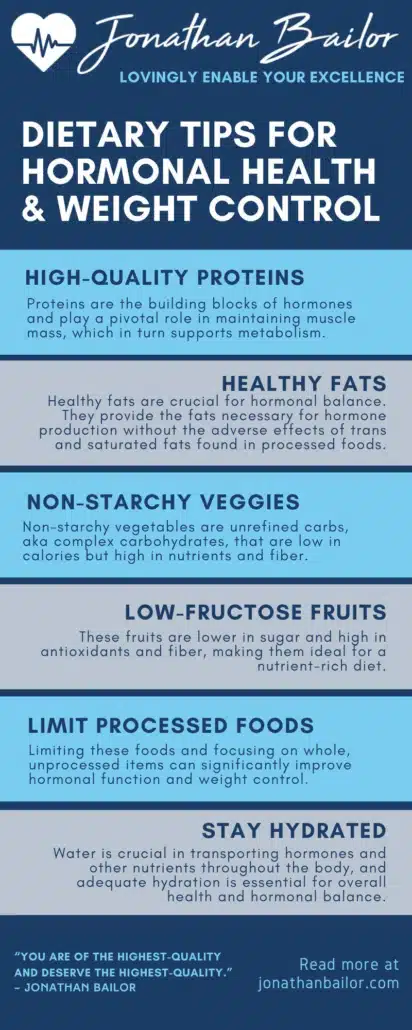
In pursuing hormonal balance and weight management, the most effective strategy lies not in restrictive diets or trendy eating patterns but in embracing a whole-food, nutritionally abundant dietary plan. This approach to eating focuses on foods that naturally support and regulate our hormones, contributing to a lower setpoint weight and overall better health.

  • Prioritize High-Quality Proteins: Incorporating high-quality proteins into your diet is essential. Proteins are the building blocks of hormones and play a important role in maintaining muscle mass, which in turn supports a healthy metabolism. Opt for sources like lean meats, fish, and legumes. These not only provide the necessary amino acids for bodily functions but also help in feeling fuller for longer, reducing the likelihood of overeating.
  • Embrace Healthy Fats: Healthy fats, particularly those rich in omega-3 fatty acids, are crucial for hormonal balance. Foods like avocados, nuts, seeds, and fatty fish (such as salmon and mackerel) provide the fats necessary for hormone production without the adverse effects of trans and saturated fats found in processed foods.
  • Load Up on Non-Starchy Vegetables: Non-starchy vegetables are unrefined carbs, aka complex carbohydrates, that are low in calories but high in nutrients and fiber. They should form the bulk of your diet. Vegetables like leafy greens, broccoli, cauliflower, and bell peppers provide essential vitamins and minerals and help regulate blood sugar levels, which is crucial for hormonal balance and weight control.
  • Incorporate Low-Fructose Fruits: While fruits are an important part of a balanced diet, focusing on low-fructose varieties like berries and citrus fruits can more favorably impact your weight and hormonal health. These fruits are lower in sugar and high in antioxidants and fiber, making them ideal for a nutrient-rich diet.
  • Minimize Processed Foods and Sugars: Processed foods and high-sugar items (refined or simple carbs) are the adversaries of hormonal health. They can disrupt insulin levels, increase inflammation, and lead to weight gain. Limiting these foods and focusing on whole, unprocessed items can significantly improve hormonal function and weight control.
  • Stay Hydrated: Proper hydration is often overlooked in dietary plans. Water is crucial in transporting hormones and other nutrients throughout the body, and adequate hydration is essential for overall health and hormonal balance.
  • Mindful Eating Habits: Beyond what you eat, how you eat is equally important. Mindful eating, which involves paying attention to hunger cues and eating without distraction, can help you recognize satiety and prevent overeating.

This healthy, hormonal healing dietary plan is about more than just losing weight; it’s about creating a harmonious environment within your body. By focusing on nutrient-rich, whole foods, you’re not just feeding your body; you’re nurturing it. This approach leads to natural weight regulation, improved hormonal balance, and enhanced overall well-being. Remember, the journey to better health doesn’t involve restrictive dieting but embracing a lifestyle that supports your body’s natural processes.

Dietary Tips for Hormonal Health and Weight Control - Jonathan Bailor

FAQs on Hormone Health

Q1: What role do hormones play in weight management?

A1: Hormones are integral to weight management as they regulate appetite, metabolism, and fat storage. Hormones like insulin, leptin, and ghrelin directly influence how much we eat, how our body uses food for energy, and where it stores excess calories. A hormonal imbalance can lead to weight gain by disrupting these processes, making it harder to lose weight even with diet and exercise.

Q2: How can diet affect hormonal health?

A2: Diet matters in hormonal health. Foods high in refined sugars and unhealthy fats can disrupt hormonal balance, leading to conditions like insulin resistance. Conversely, a diet rich in whole foods, including lean proteins, healthy fats, and plenty of fruits and vegetables, supports hormonal balance by providing the nutrients needed for hormone production and regulation.

Q3: Can stress impact hormone levels and weight?

A3: Absolutely. Stress triggers the release of cortisol, the stress hormone, which can lead to increased appetite and cravings for high-calorie foods. Chronic stress can disrupt other hormonal balances, leading to weight gain, particularly around the abdomen. Managing stress through techniques like mindfulness, exercise, and adequate sleep is vital for maintaining hormonal balance and healthy weight.

Q4: Is there a connection between sleep and hormone health?

A4: Yes, sleep and hormone health are closely connected. Poor sleep can affect the production of hormones such as leptin and ghrelin, which regulate appetite. Lack of sleep can increase hunger and appetite, making weight management more challenging. Ensuring adequate and quality sleep is key to maintaining hormonal balance.

Q5: How does age affect hormonal health and weight?

A5: As we age, hormonal changes are natural, often leading to slower metabolism and changes in body composition. For example, post-menopausal women experience a drop in estrogen levels, which can contribute to weight gain. Being mindful of these changes and adapting your diet and lifestyle accordingly can help you manage your weight and maintain hormonal health as you age.

Embracing Hormonal Harmony: A Conclusion

In summary, our journey through the complexities of hormonal health reveals a clear message: mindful eating and lifestyle choices are important. By understanding the impact of foods like the Double Big Mac and embracing a whole-food, nutrient-rich diet, we not only nurture our hormonal balance but also pave the way for sustainable weight management and overall well-being. If you found this exploration enlightening, please share it with your friends and family on social media platforms and via email. Together, let’s spread the word for healthier choices and a brighter, more balanced future.

Feeling Better Is Priceless, That's Why We Don't Put A Price On It!

“It’s Like A Free and Medically Valid Version of Noom and Weight Watchers Online”

~ Dr. Doctor Matthew Oleshiak, MD

Click the 'LEARN MORE' button below for free lifetime access to the fast fix program developed by Jonathan and top Ivy League Medical Doctors

LEARN MORE

P.S. It's not a free trial. It's not part of the program for free. The entire program is free, forever, for real! No credit card needed.
19 Evidence-Based Treatments to Boost Thyroid Health

Welcome to a pivotal moment in your journey toward optimal health—a moment where empowerment meets evidence-based care for your thyroid. Imagine having a list of treatments at your fingertips—not just any list, but one carefully curated with treatments that have stood the test of scientific scrutiny. This isn’t about overwhelming you with medical jargon; it’s about providing clear, accessible guidance that resonates with the wisdom of experience and the clarity of research.

You might have heard whispers of these treatments in passing conversations or caught a glimpse of them on health forums. Today, we draw back the curtain to reveal “XX Evidence-Based Treatments to Boost Thyroid Health” that are grounded in science yet explained with the warmth and understanding of a chat over the kitchen table. You can discuss these steps with your healthcare provider, confident that they’re rooted in solid research tailored to nurture your thyroid back to its harmonious rhythm.

Share this treasure trove of thyroid wisdom with someone who would cherish it as much as you do. Whether it’s through the gentle nudge of an email or the vibrant community of social media, let this be the conversation starter that spreads wellness through your circle and beyond. Here’s to health, understanding, and the collective pursuit of feeling our absolute best.

Proven Allopathic Approaches to Thyroid Health

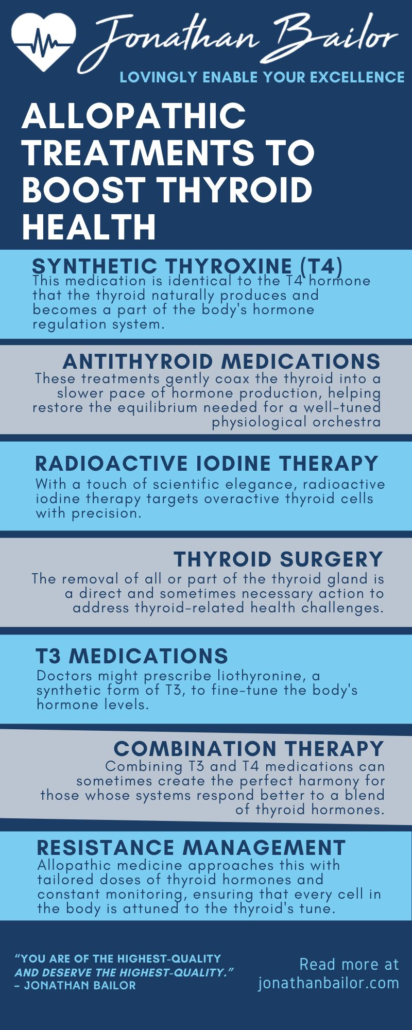
1. Synthetic Thyroxine (T4)

A common and effective staple in thyroid treatment is synthetic thyroxine, often known by its generic name, levothyroxine. This medication is identical to the T4 hormone that the thyroid naturally produces and becomes a seamless part of the body’s hormone regulation. For those whose thyroid’s whisper has become too soft, this medication turns the volume back up to a harmonious level, allowing the body to hum along to the rhythm of a balanced endocrine system and normal thyroid function.

2. Antithyroid Medications

When the thyroid sings too loudly, producing more hormones than the body can dance to, antithyroid medications like methimazole step in to soften the music. These treatments gently coax the thyroid into a slower pace of hormone production, helping restore the equilibrium needed for a well-tuned physiological orchestra

3. High-Precision Radioactive Iodine Therapy

With a touch of scientific elegance, radioactive iodine therapy targets overactive thyroid cells with the precision of a maestro conducting a symphony. The body absorbs the iodine, and the radioactivity precisely diminishes the thyroid cells’ ability to produce hormones, tuning down the excess without missing a beat.

4. Thyroid Surgery (Thyroidectomy)

For certain conditions, such as nodules, cancer, or a significantly enlarged thyroid gland that can negatively affect thyroid health, surgery is the intervention that brings back the balance. Performed by a specialist, the removal of all or part of the thyroid gland is a direct and sometimes necessary action to address specific thyroid-related health challenges.

5. T3 Medications

Sometimes, the body needs help converting the T4 hormone into its more active form, T3. Doctors might prescribe liothyronine, a synthetic form of T3, to fine-tune the body’s hormone levels, particularly when T4 medications alone do not resolve the symptoms.

6. Combination Therapy

Sometimes, a solo isn’t enough, and the body requires a duet. Combining T3 and T4 medications can sometimes create the perfect harmony for those whose systems respond better to a blend of thyroid hormones. , addressing a broader spectrum of thyroid function nuances.

7. Thyroid Hormone Resistance Management

A rare yet complex challenge is thyroid hormone resistance, where the body’s cells don’t respond typically to thyroid hormones. Allopathic medicine approaches this with tailored doses of thyroid hormones and constant monitoring, ensuring that every cell in the body is attuned to the thyroid’s tune.

Each of these treatments embodies the precision and adaptability of Western medicine, offering a symphony of options to maintain the delicate balance of thyroid health.

Allopathic Treatments to Boost Thyroid Health - Jonathan Bailor

Feeling Better Is Priceless, That's Why We Don't Put A Price On It!

“It’s Like A Free and Medically Valid Version of Noom and Weight Watchers Online”

~ Dr. Doctor Matthew Oleshiak, MD

Click the 'LEARN MORE' button below for free lifetime access to the fast fix program developed by Jonathan and top Ivy League Medical Doctors

LEARN MORE

P.S. It's not a free trial. It's not part of the program for free. The entire program is free, forever, for real! No credit card needed.
Harmonizing Thyroid Health: Naturopathic Approaches

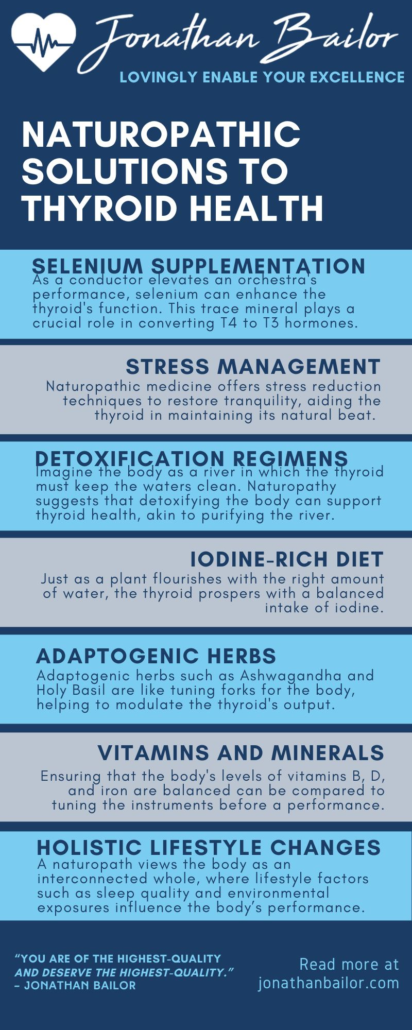
1. Selenium Supplementation

As a conductor elevates an orchestra’s performance, selenium can enhance the thyroid’s function. This trace mineral plays a crucial role in converting T4 to T3 hormones. Naturopathy often turns to selenium supplementation, for it may assist in fine-tuning thyroid activity and ensuring that the body’s metabolic symphony plays in perfect harmony.

2. Stress Management Techniques

Stress is like an erratic drummer in the body’s band, disrupting the rhythm. Naturopathic medicine offers stress reduction techniques such as meditation, deep breathing exercises, and yoga to restore tempo, potentially aiding the thyroid in maintaining its natural beat without interference.

3. Detoxification Regimens

Imagine the body as a river in which the thyroid must keep the waters clean. Naturopathy suggests that detoxifying the body can support thyroid health, akin to purifying the river. Practices might include using herbal cleanses or sauna therapy to help eliminate toxins that may be disrupting the endocrine system’s flow.

4. Iodine-Rich Diet

Just as a plant flourishes with the right amount of water, the thyroid prospers with a balanced intake of iodine. While naturopathic solutions highlight the importance of iodine in foods like seaweed, fish, and dairy, it is crucial to remember that moderation is key.

The body requires only small amounts of this element to produce thyroid hormones efficiently. If excessive, an overture of iodine-rich foods can disrupt the thyroid’s harmony, leading to potential thyroid imbalances. It’s essential to strike a careful balance, ensuring the thyroid’s melody resonates with health and is not overwhelmed by an abundance of iodine.

5. Adaptogenic Herbs

Adaptogenic herbs such as Ashwagandha and Holy Basil are like tuning forks for the body, helping to modulate the thyroid’s output. These herbs can be integral in maintaining thyroid harmony by supporting adrenal function and helping the body adapt to stress.

6. Vitamin and Mineral Optimization

Ensuring that the body’s levels of vitamins B, D, and iron are balanced can be compared to tuning the instruments before a performance. These nutrients support thyroid function, and naturopathy often emphasizes their balance through food sources or supplementation.

7. Holistic Lifestyle Adjustments

A naturopathic perspective views the body as an interconnected whole, where lifestyle factors such as sleep quality and environmental exposures are like the acoustics in a concert hall, influencing the performance. By optimizing these factors, naturopathy aims to create an environment where the thyroid can perform at its best.

Naturopathic solutions offer a holistic concert of options, inviting the thyroid into a dance of well-being, balancing modern life’s stresses with nature’s remedies.

Naturopathic Solutions To Thyroid Health - Jonathan Bailor

Eastern Wisdom for Thyroid Balance

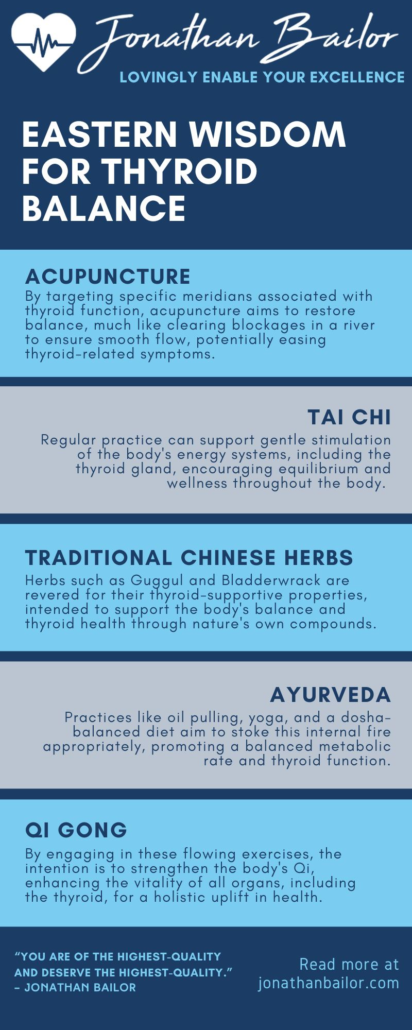
1. Acupuncture for Energetic Flow

In the realm of Eastern medicine, acupuncture is the art of aligning the body’s energy highways. By targeting specific meridians associated with thyroid function, acupuncture aims to restore balance, much like clearing blockages in a river to ensure smooth flow, potentially easing thyroid-related symptoms.

2. Tai Chi for Harmonious Movement

Tai Chi, an ancient Chinese martial art, is akin to a dance that promotes internal harmony. Regular practice can support gentle stimulation of the body’s energy systems, including the thyroid gland, encouraging a state of equilibrium and wellness throughout the body’s landscape.

3. Traditional Chinese Herbs

Eastern practitioners often turn to a pharmacopeia of herbs, like an apothecary blending the perfect potion. Herbs such as Guggul and Bladderwrack are revered for their thyroid-supportive properties, intended to support the body’s balance and thyroid health through nature’s own compounds.

4. Ayurvedic Lifestyle Practices

Ayurveda, India’s traditional system of medicine, considers the thyroid gland as a fire that regulates body temperature and metabolism. Practices like oil pulling, yoga, and a dosha-balanced diet aim to stoke this internal fire appropriately, promoting a balanced metabolic rate and thyroid function.

5. Qi Gong for Vital Energy

Qi Gong is the cultivation of life’s vital energy. By engaging in these flowing exercises, the intention is to strengthen the body’s Qi, enhancing the vitality of all organs, including the thyroid, for a holistic uplift in health.

Incorporating these time-honored Eastern and alternative medicine practices can be like listening to a symphony from another world, where each note aims to bring the body’s thyroid function into a state of harmonious health.

Eastern Wisdom for Thyroid Balance - Jonathan Bailor

Harmonizing Thyroid Health: An Eastern Approach FAQ

1. Can acupuncture really affect thyroid health?

Acupuncture is steeped in the tradition of promoting the body’s natural balance. When it comes to thyroid health, practitioners believe that targeting certain meridians can influence the energy flow, potentially mitigating some symptoms of thyroid imbalances. While clinical studies offer varying results, many individuals report feeling improved wellness after incorporating this practice into their routine.

2. Are there specific Tai Chi exercises recommended for thyroid function?

While Tai Chi doesn’t target the thyroid directly, its overall stress reduction and circulation benefits may positively influence thyroid health. The slow, meditative movements of Tai Chi are designed to foster a state of calm and improve the flow of Qi, or vital energy, which could, in turn, create a more favorable environment for thyroid health.

3. What herbs are used in traditional Chinese medicine for thyroid issues?

In traditional Chinese medicine, several herbs are praised for their potential to improve thyroid function. For instance, herbs like Guggul have been traditionally used to support metabolism, and seaweed varieties like Bladderwrack are known for their natural iodine content, which is crucial for thyroid function. However, consulting with a professional before starting any herbal regimen is essential.

4. How does Ayurveda view thyroid health?

Ayurveda sees the thyroid gland as crucial in regulating “Agni,” or digestive fire. It offers a holistic approach to thyroid health, recommending lifestyle adjustments such as specific dietary guidelines, yoga, and stress management techniques that align with one’s dosha or body type to maintain balance and support thyroid function.

5. Is Qi Gong beneficial for those with thyroid issues?

Qi Gong is another form of gentle exercise that encourages the movement of Qi throughout the body. Regular practice can help manage stress and support overall health, which may benefit thyroid function. By focusing on breath and movement, Qi Gong aims to enhance the body’s overall vitality and energetic health, which includes the thyroid gland.

These answers are reflective of traditional beliefs in Eastern medicine and alternative practices. While not always supported by Western clinical research, they offer a different perspective on maintaining thyroid health that many find to be a beneficial complement to conventional approaches.

Thyroid Health Essentials: Your Questions Answered

1. What are common symptoms that might indicate a thyroid health issue?

Common symptoms of thyroid imbalance include unexplained weight changes, fatigue, abnormal temperature sensitivity, mood swings, and changes in heart rate. Hypothyroidism, or an underactive thyroid, often leads to fatigue and weight gain, while hyperthyroidism, an overactive thyroid, might cause weight loss and restlessness. Noticing these signs is a cue to consult a healthcare provider for proper evaluation.

2. How is thyroid function typically tested?

Thyroid function is primarily evaluated through blood tests that measure thyroid hormone levels, such as thyroid-stimulating hormone (TSH), Free T4, and Free T3. TSH is the most commonly checked parameter, indicating if the thyroid is being prompted to produce more hormones (suggesting hypothyroidism) or not enough (indicating hyperthyroidism).

3. Can diet influence thyroid health?

Indeed, diet plays a pivotal role in thyroid health. Nutrients like iodine, selenium, and zinc are crucial for thyroid hormone production and conversion. A balanced intake of these minerals through a diet can support thyroid function and perhaps help reduce the risk of thyroid cancer. Plus, microbiota influence thyroid function, and the diet influences the microbiome. Conversely, excessive intake of certain foods, like soy and cruciferous vegetables, may affect thyroid hormone levels, particularly in individuals with existing thyroid conditions.

4. Is it possible to prevent thyroid disease?

While not all thyroid diseases can be prevented due to factors like genetics and autoimmune thyroid diseases, lifestyle choices can play a role in thyroid health. Regular exercise, a balanced diet rich in essential nutrients, avoiding excessive iodine consumption, and regular medical check-ups can help maintain a healthy thyroid.

5. What are the treatment options for thyroid disorders?

Treatment for thyroid disorders usually depends on whether the thyroid is overactive or underactive. Hypothyroidism often requires daily thyroid hormone replacement pills, while hyperthyroidism treatments range from medication to reduce hormone production to radioactive iodine therapy or even surgery in some cases. Treatment plans should always be personalized and monitored by a healthcare provider.

Remember, while these answers offer a general overview, individual medical advice should always be sought from a healthcare professional for accurate diagnosis and treatment options related to thyroid health.

Healthy Thyroid Function: The Key to Vibrant Living

The thyroid takes center stage in the intricate dance of hormones that governs our well-being. It’s our metabolic maestro, and its harmonious operation is essential. As we’ve explored the pillars of thyroid health, remember that knowledge is the first step towards vitality.

Share this journey with friends and family across every table talk, every email, and every social media stream. Let’s ripple the message of thyroid wellness far and wide so everyone can tune into the rhythm of healthy living. Your voice can be the beacon that lights the path for others. Share this guide and be a part of the movement towards collective health empowerment.

Feeling Better Is Priceless, That's Why We Don't Put A Price On It!

“It’s Like A Free and Medically Valid Version of Noom and Weight Watchers Online”

~ Dr. Doctor Matthew Oleshiak, MD

Click the 'LEARN MORE' button below for free lifetime access to the fast fix program developed by Jonathan and top Ivy League Medical Doctors

LEARN MORE

P.S. It's not a free trial. It's not part of the program for free. The entire program is free, forever, for real! No credit card needed.
22 Easy Steps to Boost Thyroid Health Now and Later

Welcome to this Thyroid Health Guide, where Jonathan Bailor guides you on a journey towards optimal thyroid health. Here, your well-being is the destination, and your path is paved with care for your thyroid health. When it comes to nurturing this butterfly-shaped gland nestled in your neck and preventing thyroid dysfunction, small steps can lead to significant strides in your overall vitality.

Imagine a life where you wake up with energy that lasts, where you’re not held hostage by the whims of weight gain and fluctuations, mood changes, or that all-too-common mid-afternoon slump. This isn’t just a daydream; it’s a reality within reach through some simple, practical steps that support your thyroid health, now and later.

Your thyroid may be small, but its role in your body is mighty. It’s the maestro of your metabolism, the key to a balanced body temperature, and a critical player in your heart and digestive function, muscle control, brain development, and bone maintenance. When it’s out of tune, it can send a cascade of signals across your body that something isn’t quite right.

But here’s the good news: supporting your thyroid doesn’t require a medical degree or a complete lifestyle overhaul. It’s about making informed, gentle adjustments that fit into your life. Whether you’re a busy parent, a professional on the go, or someone who’s looking to steer your health in a new direction, these steps are designed to be woven into the fabric of your everyday life.

As we walk through these steps to boost healthy thyroid function now and later, remember that each suggestion is a thread in a tapestry of health that you’re creating. And while you’re at it, why not invite others to join the journey? Share these tips with friends and family because health, like happiness, multiplies when shared.

So, are you ready to take the first step? Let’s begin this transformative voyage together.

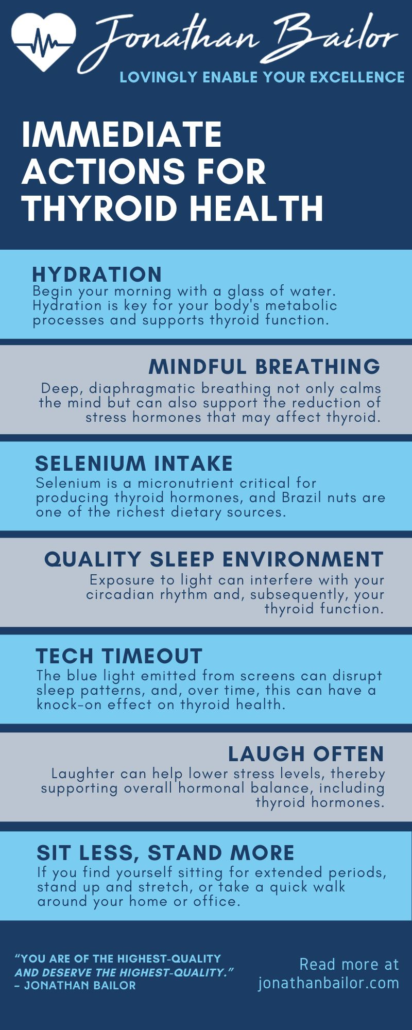
Instant Harmony: Quick Actions for Thyroid Wellness

Step into a realm where immediate actions blend seamlessly into the melody of thyroid care, creating a symphony of wellness that resonates with every fiber of your being.

In the intricate dance of thyroid health, sometimes all it takes are a few swift, well-orchestrated moves to set the stage for profound and lasting harmony. These immediate changes are like the first delicate notes of a new song, each striking a chord that reverberates through your entire system, signaling the beginning of a healthier, more vibrant you.

From the simple switch in your daily routine to the subtle adjustment in your eating habits, these quick actions are crafted to align seamlessly with your lifestyle, offering effortless yet impactful ways to support your thyroid and prevent thyroid disease. They are the gentle nudges that awaken your body’s innate rhythm, guiding it toward a state of balance and vitality.

Let’s embrace these transformative steps, each a fluid and harmonious move in your daily life, orchestrating a symphony of well-being that sings to the tune of immediate thyroid health.

1. Hydrate with Purpose

Begin your morning with a glass of water. Hydration is key for your body’s metabolic processes and can help support thyroid function.

This simple habit helps kickstart your metabolism and aid in the natural detoxification processes crucial for thyroid health.

2. Mindful Breathing

Take a five-minute breathing break. Deep, diaphragmatic breathing not only calms the mind but can also support the reduction of stress hormones that may negatively impact thyroid function.

This type of focused breathing helps to oxygenate your blood, ensuring that your cells, including those in your thyroid gland, are nourished.

3. Embrace Selenium

Grab a Brazil nut or two as a snack. Selenium is a micronutrient critical for producing thyroid hormones, and Brazil nuts are one of the richest dietary sources.

Enjoying a healthy diet that includes just a couple of these nuts can provide a significant amount of your daily selenium needs, helping to support normal thyroid function.

4. Safeguard Your Sleep Environment

Ensure your bedroom is a sleep sanctuary. Exposure to light can dysregulate your circadian rhythm and, subsequently, your thyroid function.

Simply dimming the lights an hour before bed and sleeping in a completely dark room can signal your body that it’s time for rest, which is when your thyroid goes to work.

5. Tech Timeout

Commit to a technology timeout at least an hour before bed. The blue light emitted from screens can disrupt sleep patterns, and, over time, this can have a knock-on effect on thyroid health.

A tech-free hour before bed can help you wind down and give your thyroid the signal that it’s time to help repair and restore your body during sleep.

6. Laugh Often

Integrate laughter into your day.

Whether it’s watching a short comedy clip or chatting with a friend who never fails to bring a smile to your face, laughter can help lower stress levels, thereby supporting overall hormonal balance, including thyroid hormones.

7. Sit Less, Stand More

If you find yourself sitting for extended periods, stand up and stretch, or take a quick walk around your home or office. This small change can boost circulation, energy levels, and metabolism, which all contribute to thyroid health.

By incorporating these immediate actions into your daily routine, you set the stage for a healthier, more balanced thyroid function today without having to wait for the benefits to kick in over the coming days, weeks, or months.

Immediate Actions for Thyroid Health - Jonathan Bailor

Feeling Better Is Priceless, That's Why We Don't Put A Price On It!

“It’s Like A Free and Medically Valid Version of Noom and Weight Watchers Online”

~ Dr. Doctor Matthew Oleshiak, MD

Click the 'LEARN MORE' button below for free lifetime access to the fast fix program developed by Jonathan and top Ivy League Medical Doctors

LEARN MORE

P.S. It's not a free trial. It's not part of the program for free. The entire program is free, forever, for real! No credit card needed.
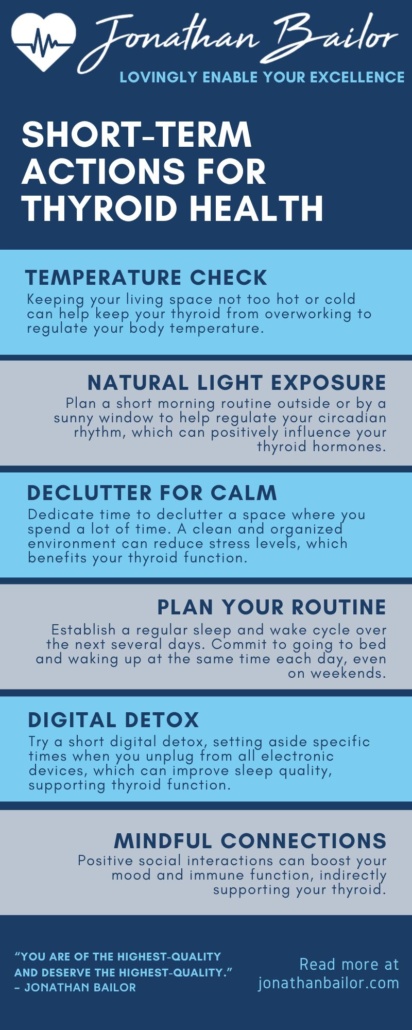
Thyroid Tune-Up: Short-Term Steps for Lasting Wellness

In the delicate symphony of thyroid care, short-term changes are like the initial, gentle strokes of a painter’s brush, each one contributing to the masterpiece of your well-being. Though brief in their application, these changes are powerful in their impact, offering a quick but significant shift towards a better-balanced thyroid.

From a simple tweak in your morning routine to a mindful adjustment in your nightly ritual, these short-term steps are designed to seamlessly integrate into your daily life, providing an accessible and immediate boost to your thyroid health. They are like soft whispers of encouragement, gently urging your body towards a rhythm of rejuvenation and vitality.

Let’s explore these transformative actions, each a purposeful and harmonious stride in your day-to-day journey, orchestrating a symphony of well-being that resonates with the beauty of enhanced thyroid function.

1. Temperature Check

Within the next few days, start monitoring the temperature of your home. Keeping your living space not too hot or cold can help keep your thyroid from overworking to regulate your body temperature. By the way, sensitivity to cold temperatures can be a symptom of an underactive thyroid.

Aim for a comfortable, steady indoor temperature, especially in the bedroom, to assist your body’s natural thermostat.

2. Natural Light Exposure

Prioritize getting natural light early in the day. Plan a short morning routine outside or by a sunny window to help regulate your circadian rhythm, which can positively influence your thyroid hormones. Exposure to early sunlight can also boost vitamin D levels, which affects thyroid health.

3. Declutter for Calm

Dedicate time to declutter a space where you spend a lot of time. A clean and organized environment can reduce stress levels, which benefits your thyroid function.

Within a few days, you can transform a chaotic space into a serene one, providing a sense of control and peace.

4. Plan Your Routine

Establish a regular sleep and wake cycle over the next several days. Consistency can reinforce your body’s natural rhythms and positively affect your thyroid and hormonal balance.

Commit to going to bed and waking up at the same time each day, even on weekends.

5. Digital Detox

Try a short digital detox, setting aside specific times when you unplug from all electronic devices. This can reduce stress and improve the quality of your sleep, both of which support thyroid function.

Start with a few hours each day and notice the difference in how you feel.

6. Mindful Connections

Make it a point to engage in meaningful conversations or activities with friends or family over the next few days. Positive social interactions can boost your mood and immune function, indirectly supporting your thyroid. Even a brief phone call or coffee with a friend can significantly impact thyroid function.

Integrating these short-term changes into your routine creates a nurturing environment for your thyroid, enabling it to perform optimally as part of your body’s intricate system of balance and health.

Short Term Actions for Thyroid Health - Jonathan Bailor

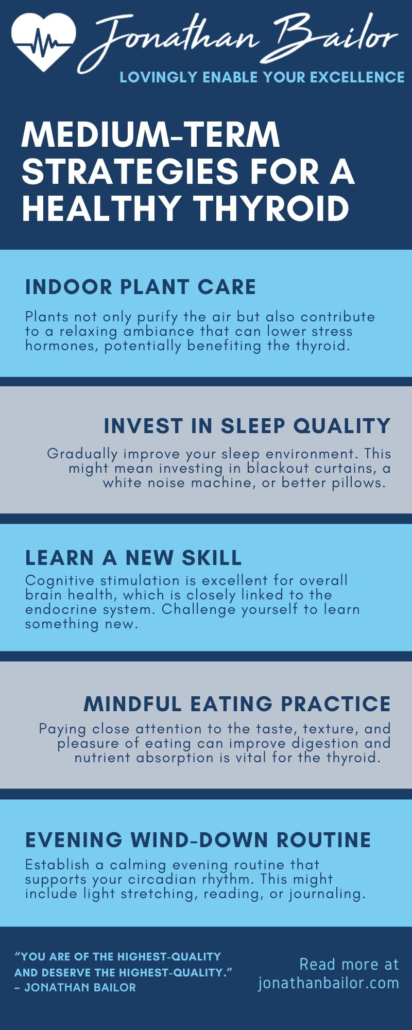
Thyroid Renaissance: Medium-Term Strategies for Holistic Health

Welcome to the transformative phase of your thyroid journey, where each week is a step forward in the artful crafting of your health and well-being. In the grand orchestra of thyroid care, medium-term changes are like the evolving melodies that build over time, each week adding depth and richness to your life’s harmony. These strategies, unfolding over weeks, are not just fleeting adjustments; they are the foundational chords that support and sustain a thriving thyroid.

From integrating mindful dietary shifts to adopting rejuvenating physical routines, these medium-term strategies are designed to weave gracefully into the fabric of your weekly life. They stand as pillars of change, holding up the structure of a more balanced and energized you.

In this chapter, we explore these transformative practices, each one a deliberate and melodious step in your weekly rhythm, composing a symphony of well-being that echoes the profound, lasting tune of thyroid health.

1. Indoor Plant Care

Over the coming weeks, consider introducing indoor plants into your living space. Plants not only purify the air but also contribute to a relaxing ambiance that can lower stress hormones, potentially benefiting thyroid function. Caring for plants can also become a meditative practice, fostering mindfulness.

2. Invest in Sleep Quality

Gradually improve your sleep environment. This might mean investing in blackout curtains, a white noise machine, or a more supportive pillow. Quality sleep is a cornerstone of hormonal balance, and these enhancements can significantly affect your thyroid health over the medium term. Quality sleep can also help you maintain a healthy body weight.

3. Learn a New Skill

Cognitive stimulation is excellent for overall brain health, which is closely linked to the endocrine system. Challenge yourself to learn something new, be it a language, an instrument, or even a craft. A sense of achievement and mental engagement can have a positive cascade effect on your physical health, including your thyroid.

4. Mindful Eating Practice

Develop the practice of eating mindfully. Paying close attention to the taste, texture, and pleasure of eating can improve digestion and the absorption of nutrients vital for thyroid health. Aim to eat without distractions and truly savor your food.

5. Evening Wind-Down Routine

Establish a calming evening routine that supports your circadian rhythm. This might include light stretching, reading, or journaling. A consistent wind-down routine can signal to your body that it’s time to rest, supporting the natural rhythm of thyroid hormone production.

By integrating these medium-term changes into your life, you are gently nudging your body toward better health, supporting your thyroid, and creating a sustainable base for long-term wellness.

Medium Term Strategies for a Healthy Thyroid - Jonathan Bailor

Thyroid Harmony: Long-Term Commitments for Lifelong Wellness

Now we come to a majestic journey of long-term transformation, where each month is a chapter in the grand story of your thyroid health. In this enduring symphony of care, long-term changes are like the deep, resonant notes that sustain the melody of your well-being. Spanning months and beyond, these commitments are the pillars of enduring health, supporting a balanced and vibrant thyroid.

These long-term changes are designed to become part of your life’s rhythm, harmonizing beautifully with your daily existence. They stand as testaments to your dedication, shaping a future where thyroid health is not just a goal but a continuous, thriving state of being.

Let us delve into these transformative commitments, each one a profound and lasting stride in your journey, composing a symphony of well-being that sings a timeless ode to thyroid health.

1. Foster Strong Social Connections

Over the months, invest time in nurturing deep and meaningful relationships. Social connections have been shown to improve longevity and might indirectly support thyroid health by reducing stress and promoting a sense of well-being.

2. Adopt a Pet

If your circumstances allow, consider the long-term commitment of adopting a pet. The routine of caring for an animal can bring structure and purpose to daily life, while the companionship they offer can decrease stress hormones that affect thyroid health.

3. Revamp Your Kitchenware

Gradually replace non-stick cookware with safer alternatives like stainless steel or cast iron. Certain chemicals in non-stick coatings can interfere with thyroid hormone levels over time, and a slow transition to healthier cookware can be a practical and financially manageable approach.

4. Engage in Regular Medical Check-ups

Establish a routine of regular health check-ups, including thyroid function tests. Early detection of thyroid imbalances, like when the thyroid gland produces too much thyroid hormone or an overactive thyroid, can prevent long-term complications, and regular monitoring will keep you attuned to how your lifestyle changes affect your thyroid health.

Each of these long-term commitments can help weave a tapestry of wellness that supports not just the thyroid but the entire body and mind, fostering a state of health that is robust, resilient, and responsive to the ever-changing demands of life.

Long Term Strategies for Thyroid Health - Jonathan Bailor

Thyroid Wisdom Unveiled: Navigating Your FAQs with Ease and Insight

Step into the enlightening realm of thyroid knowledge, where your curiosities and questions find their answers in a soothing symphony of clarity and understanding.

In this dedicated FAQ section, we unravel the mysteries of thyroid health, transforming queries into a cascade of enlightenment. Like a gentle guide through a labyrinth of wonder, this section is crafted to illuminate your path, shedding light on the nuances and intricacies of thyroid wellness.

Q1: Can stress really affect my thyroid function?

Absolutely. Stress triggers the release of cortisol, which can interfere with thyroid hormone production and balance, preventing you from getting enough thyroid hormone and leading to low thyroid function. It’s like a domino effect: chronic stress tips over the first tile, and the rest follow, potentially leading to a sluggish thyroid. That’s why managing stress isn’t just good for the soul; it’s a concrete way to support your thyroid health.

Q2: How does sleep affect thyroid function?

Think of sleep as a nightly tune-up for your thyroid. It’s when your body balances hormone levels, including thyroid hormones. Inconsistent or insufficient sleep can throw this delicate balance off-kilter, similar to how an engine stutters with the wrong mix of air and fuel, which can lead to thyroid disorders. Prioritizing 7-9 hours of quality sleep can help improve thyroid function.

Q3: Are there environmental factors I should be aware of that could harm my thyroid?

Yes, your environment plays a role. For instance, excessive exposure to certain chemicals, like those found in some plastics and household cleaners, can be like unwelcome guests at a party, disrupting the thyroid’s normal routine. It’s wise to minimize contact with these potential endocrine disruptors by choosing natural cleaners and being mindful of plastic use.

Q4: Is it necessary to filter my drinking water for better thyroid health?

It can be beneficial. Your tap water may contain traces of chlorine and fluoride, which, in large amounts, could dance a little too close to your thyroid function. Using a quality water filter can be like having a bouncer at the door, keeping out the unwanted elements that might otherwise impact your thyroid’s groove.

Q5: Can wearing a scarf really help my thyroid?

It might sound quaint, but keeping your neck warm, especially in cooler climates, is like giving your thyroid a cozy blanket. It’s not that a scarf is a miracle cure, but it helps maintain a stable temperature, and that stability is key. Think of it as creating a comfortable home environment where your thyroid can relax and perform at its best.

4 Ways Stress Affects Thyroid Function - Jonathan Bailor

The Thyroid Journey: Sharing the Gift of Wellness

And there we have it—a tapestry of thoughtful, actionable insights to weave into the fabric of your daily routine for thyroid harmony.

If these words have been companions along your journey to wellness, consider sharing them. Pass this along through the rivers of email or the seas of social media. May it serve as a beacon of health for friends and family, igniting conversations and inspiring action. Your sharing is not just caring—it’s an invitation to a collective embrace of well-being.

Thank you for being part of this narrative of health. Share on, and thrive.

Feeling Better Is Priceless, That's Why We Don't Put A Price On It!

“It’s Like A Free and Medically Valid Version of Noom and Weight Watchers Online”

~ Dr. Doctor Matthew Oleshiak, MD

Click the 'LEARN MORE' button below for free lifetime access to the fast fix program developed by Jonathan and top Ivy League Medical Doctors

LEARN MORE

P.S. It's not a free trial. It's not part of the program for free. The entire program is free, forever, for real! No credit card needed.
10 Natural Treatments Proven to Soothe an Upset Stomach

Discover these 10 natural treatments proven to soothe an upset stomach right now in this Gut Health Guide by Jonathan Bailor.

Have you ever had one of those days where your stomach just isn’t on the same page as the rest of you? You know, those moments when it feels like your belly is tying itself in knots, leaving you uncomfortable and longing for relief. Well, you’re not alone. Stomach discomfort is a common companion many of us wish we could do without. But here’s some comforting news: Plenty of natural remedies are available to soothe an upset stomach, thanks to the bounties of Mother Nature.

These natural treatments are more than just old wives’ tales. They are time-tested, gentle on your system, and often right at your fingertips in your own kitchen or garden. The beauty of these remedies lies in their simplicity and accessibility. They’re straightforward, devoid of complex procedures or hard-to-find ingredients, making them perfect for anyone seeking a natural path to stomach relief.

Imagine having a toolkit of remedies that not only soothe your stomach but also nourish your body. These aren’t just quick fixes; they’re about embracing a lifestyle that harmonizes with nature, using what the earth provides to bring balance and wellness back to your body. Whether it’s a soothing cup of herbal tea or a simple dietary tweak, these remedies empower you to take charge of your digestive health in the most natural way possible.

We’re not just talking about easing discomfort here, but about a journey towards overall wellness. These remedies aim to work in harmony with your body’s natural rhythms, promoting long-term health benefits that go beyond just calming an upset stomach. It’s about striking a balance between comfort and health.

So, whether you’re at home, at work, or on the go, these natural treatments are your allies, ready to offer relief when your stomach decides to throw a curveball your way. They’re about transforming those uneasy moments into opportunities for healing and self-care.

Remember, our bodies are incredible in their ability to heal and find balance; sometimes, they only need a little nudge from nature. So, let’s explore these natural treatments that are not just soothing but also proof of the power of simplicity in healing. Your journey to a happier, calmer stomach begins here.

Share this with your friends and family, and let’s spread the word about these gentle, effective ways to soothe an upset stomach naturally. Because, after all, sharing is caring, especially health and wellness!

Soothing Stomach Solutions: A Naturopathic Approach

On our journey to naturally soothe an upset stomach, we explore naturopathic remedies. These solutions, steeped in nature’s wisdom, offer gentle yet effective ways to ease stomach discomfort.

Let’s unveil a collection of naturopathic secrets to soothe an unsettled tummy.

1. Peppermint Therapy

Peppermint, revered for its soothing properties, can be a gentle, natural remedy for an upset stomach and stomach pain. Its natural oils relax the muscles of the digestive tract, easing discomfort and promoting relief.

Brew a cup of peppermint tea by steeping fresh or dried leaves in hot water for a few minutes. Enjoy this herbal infusion, preferably without sweeteners, to experience its calming effects.

Remember, while peppermint is generally safe, it might not be suitable for individuals with reflux issues, as it can relax the sphincter at the top of the stomach.

2. Ginger Root Relief

Ginger root, a staple in natural medicine, can be highly effective for a stomach ache, particularly in reducing nausea and aiding digestion. Its compounds, such as gingerol, have anti-inflammatory and anti-nausea properties, which help relax stomach muscles.

For a soothing remedy, slice fresh ginger root and steep it in boiling water for homemade ginger tea. If the raw ginger’s intensity is too much, consider adding a touch of honey for flavor. If you have the stomach flu, drinking a glass of ginger ale can help relieve nausea and vomiting.

It’s advisable to consume ginger in moderation, especially for those with gallbladder issues or who are on blood thinners.

3. Chamomile Comfort

Chamomile, known for its calming and anti-inflammatory properties, can be a gentle solution for stomach discomfort and abdominal pain. It aids in relaxation, not just of the mind but also of the muscles in the digestive tract, helping to alleviate cramping and spasms.

Brew chamomile tea by steeping the dried flowers in hot water for several minutes. This soothing beverage can be taken several times a day to help ease an upset stomach.

However, those with a history of severe allergies, especially to plants in the daisy family, should approach chamomile with caution.

4. Fennel Seed Ease

Fennel seeds are traditionally used in naturopathy to alleviate bloating and gas. They contain compounds that relax the muscles in the gastrointestinal tract, promoting better digestion and reducing discomfort.

To utilize fennel’s benefits, chew on a half teaspoon of the seeds after meals or brew them into a warm tea. Fennel has a mild, licorice-like flavor, which can be pleasant for many.

Note that while fennel is generally safe, it should be used judiciously by those with hormone-sensitive conditions due to its phytoestrogen content.

5. Lemon Balm Soothing

With its calming properties, lemon balm can be a natural aid for digestive discomfort and stress-related gastric issues. It acts as a mild sedative and digestive relaxant, helping to ease symptoms like cramping and nausea.

Prepare a lemon balm tea by steeping the leaves in hot water. This herb’s mild, lemony flavor makes it a delightful and soothing drink.

As always, moderation is key, and those on thyroid medication should consult with a healthcare professional before using lemon balm, as it can influence thyroid activity.

Each of these naturopathic solutions offers a unique pathway to digestive ease, grounded in the principles of natural healing and harmony with the body’s innate rhythms. However, if you experience severe abdominal pain, you should consult a healthcare provider.

Remember, the journey to stomach comfort is as much about the remedy as it is about the approach: gentle, patient, and in tune with nature’s wisdom.

Naturopathic Remedies for an Upset Stomach - Jonathan Bailor

Feeling Better Is Priceless, That's Why We Don't Put A Price On It!

“It’s Like A Free and Medically Valid Version of Noom and Weight Watchers Online”

~ Dr. Doctor Matthew Oleshiak, MD

Click the 'LEARN MORE' button below for free lifetime access to the fast fix program developed by Jonathan and top Ivy League Medical Doctors

LEARN MORE

P.S. It's not a free trial. It's not part of the program for free. The entire program is free, forever, for real! No credit card needed.
Eastern and Alternative Remedies for a Calmer Stomach

In the realm of Eastern and alternative medicine, a variety of unique and time-honored remedies are celebrated for their effectiveness in soothing an upset stomach. Deeply rooted in ancient wisdom, these remedies offer a blend of natural ingredients and practices. They reflect a holistic approach, focusing on balancing the body’s energies and enhancing overall well-being.

Here are several such remedies, each offering a gentle, natural way to alleviate stomach discomfort.

1. Acupressure Therapy

Rooted in traditional Chinese medicine, acupressure involves applying pressure to specific points on the body to relieve symptoms.

For an upset stomach, the ‘P6’ or ‘Neiguan’ point, located three finger breadths below the wrist on the inner forearm, is particularly effective. Gently applying pressure to this point for a few minutes can help alleviate nausea and digestive discomfort, making it a helpful technique for those seeking a non-invasive remedy.

2. Ginger Tea with Honey

A staple in Eastern medicine, ginger is renowned for its stomach-settling properties. Sipping a warm cup of ginger tea, enhanced with a teaspoon of honey, can provide relief from nausea, digestive upset, and abdominal discomfort.

Ginger’s natural compounds, such as gingerol, work to relax the gastrointestinal muscles, while honey adds a soothing, antibacterial quality, creating a comforting blend for the stomach.

3. Peppermint Aromatherapy

In the world of alternative medicine, the scent of peppermint oil is more than just refreshing; it’s a potent remedy for an upset stomach.

The aroma of peppermint oil, when inhaled, can help reduce feelings of nausea and stomach discomfort. Using a diffuser or simply inhaling the scent from a bottle can activate the soothing effects, making it a simple yet effective tool for stomach relief.

4. Chamomile Infusion

Chamomile, an herb cherished in many Eastern cultures, is a gentle remedy for digestive issues.

Preparing a chamomile infusion by steeping dried chamomile flowers in hot water creates a soothing drink. Its antispasmodic and anti-inflammatory properties can help calm an upset stomach, reduce cramping, and promote relaxation, offering a peaceful remedy for digestive distress.

5. Yoga Poses for Digestion

Certain yoga poses, deeply rooted in Eastern practices, are specifically designed to enhance digestion.

Poses like ‘Apanasana’ (knees-to-chest) and ‘Pavanamuktasana’ (wind-relieving pose) gently massage the abdominal organs, promoting the release of trapped gas and easing digestive discomfort. This pose can also help ease stomach cramps.

Incorporating these poses into a daily routine can offer long-term benefits for digestive health.

These remedies, ingrained in Eastern and alternative medicine philosophy, offer a balanced and natural path to restoring and maintaining stomach health.

Eastern Alt Remedies for a Calmer Stomach - Jonathan Bailor

Gut Health Essentials: Understanding Your Digestive Well-being

Navigating the world of gut health can be a complex journey, but it’s a vital part of overall wellness. Your gut is not just about digestion; it’s a cornerstone of health, impacting everything from mood to immunity.

We’ve compiled a list of frequently asked questions to help you better understand this crucial aspect of your health. These answers, grounded in medical accuracy, offer insights into the often misunderstood world of gut health.

1. What role does the gut play in overall health?

The gut is a important player in overall health, far beyond just processing food. It’s home to trillions of bacteria, collectively known as the gut microbiome. This microbiome affects not only digestion but also significantly impacts the immune system, mental health (through the gut-brain axis), and even chronic disease risk.

A balanced gut microbiome is crucial for nutrient absorption, synthesizing certain vitamins, and protecting against pathogens.

2. How can I tell if my gut is healthy?

Signs of a healthy gut include regular bowel movements, minimal bloating, and the absence of discomfort after eating. Also, a strong immune system and good overall health can be indicators of a well-functioning gut.

However, symptoms like constant fatigue, unexplained weight changes, and frequent digestive upsets (like heartburn, diarrhea, or constipation) might suggest gut health issues.

3. What are probiotics, and how do they benefit gut health?

Probiotics are live microorganisms, primarily bacteria, similar to beneficial microorganisms in the human gut. They aid in maintaining or restoring the gut flora, which is essential for gut health.

Probiotics can be found in fermented foods like yogurt, kefir, and sauerkraut. They help manage conditions like irritable bowel syndrome, boost the immune system, and even improve mental health.

4. Does stress affect gut health?

Absolutely, stress has a profound impact on gut health. The gut and brain are connected through the enteric nervous system, so psychological stress can manifest as physical discomfort in the gut.

Chronic stress can lead to issues like increased gut permeability (often called “leaky gut”) and imbalances in gut bacteria. It can exacerbate gastrointestinal conditions like irritable bowel syndrome (IBS).

5. Can diet changes improve gut health?

Diet is a key factor in maintaining gut health.

Consuming a diverse range of foods, mainly those rich in fiber from vegetables, fruits (like berries), nuts, and seeds, can promote a healthy gut microbiome. Avoiding fatty or spicy foods can also help improve gut health.

Also, reducing the intake of processed, high-sugar, and high-fat foods can prevent the overgrowth of harmful bacteria. Hydration also matters in maintaining digestive health.

Fermented Foods that Help Improve Gut Health - Jonathan Bailor

Share the Relief: Proven Upset Stomach Treatments

Tackling an upset stomach effectively requires understanding its causes and applying proven treatments.

Remember, simple lifestyle adjustments and dietary choices can make a significant difference. If symptoms persist, consulting a healthcare professional is crucial.

Now, spread wellness by sharing this valuable information with friends and family across your favorite social media platforms and via email. Your shared knowledge could be the key to someone’s comfort and relief.

Let’s keep our communities informed and healthy together!

Feeling Better Is Priceless, That's Why We Don't Put A Price On It!

“It’s Like A Free and Medically Valid Version of Noom and Weight Watchers Online”

~ Dr. Doctor Matthew Oleshiak, MD

Click the 'LEARN MORE' button below for free lifetime access to the fast fix program developed by Jonathan and top Ivy League Medical Doctors

LEARN MORE

P.S. It's not a free trial. It's not part of the program for free. The entire program is free, forever, for real! No credit card needed.
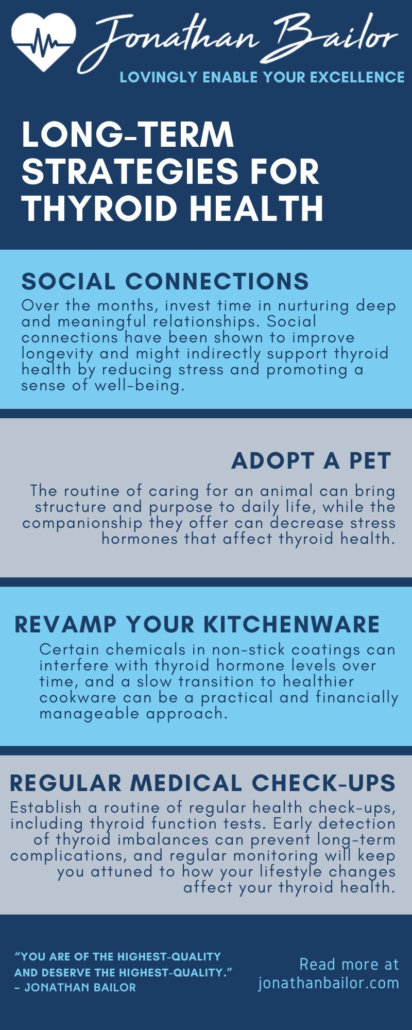
12 Best Colon-Cleansing Foods to Add to Your Diet

Short answer: you do not need a colon cleanse. Your colon already cleans itself, every single day, whether you help it or not. What actually matters is what you feed it. I’ll show you the food list at the end, but first I need to explain why the whole “cleanse” idea is wrong, because if you skip that part you’ll keep wasting money on teas and powders that do nothing your breakfast couldn’t do better.

I’ve spent two decades reading nutrition science for a living, and the colon cleanse industry is one of the cleanest examples of a real biological process being hijacked by marketing. People feel bloated, sluggish, or constipated. They assume “toxins.” They buy a cleanse. They feel lighter for a day because they just emptied out water and stool. Then the feeling comes back, because the actual problem, slow transit and a starving microbiome, is still sitting there unaddressed.

Let me walk you through what is really going on.

You Don’t Need a Colon Cleanse (Here’s Why)

Your colon is a self-cleaning organ. The lining replaces itself roughly every four to five days. A continuous layer of mucin gets secreted, swept, and renewed. Peristaltic waves push contents along whether you think about them or not. Your liver metabolizes the actual toxins. Your kidneys filter what is left. Your colon’s job at the end of that chain is to absorb water and hand off the waste.

Mayo Clinic is direct about this: colon cleansing for detoxification is not necessary because the digestive system and bowel already eliminate waste and bacteria on their own, and there is no credible evidence that commercial colon cleanses remove toxins, boost energy, or improve immunity. The only medically valid colon cleanse is the one your gastroenterologist orders before a colonoscopy, and that is a procedural prep, not a wellness ritual.

Worse, aggressive cleansing carries real risks. Colonic irrigation can cause cramping, dehydration, electrolyte imbalance, and in people with existing GI conditions like IBS or diverticulitis, it can trigger flares. Coffee enemas have been linked to deaths. That is not a fringe claim. That is the position of the institution that invented modern gastroenterology.

So if the cleanse is a dead end, what is the real conversation? It is about transit time and the microbiome. And those two things are driven almost entirely by food.

What “Colon Health” Actually Means: Transit Time and the Microbiome

When people say they want a clean colon, what they actually want is this: regular, comfortable bowel movements, a flat-feeling abdomen, good energy, and the absence of that heavy, stuck sensation after meals. Every one of those outcomes maps to two measurable variables.

Variable one is colonic transit time. This is how long food residue takes to move from your mouth to the toilet. In healthy adults eating a typical Western diet, whole-gut transit runs 30 to 40 hours. In people eating a high-fiber, plant-forward diet, it drops closer to 24 hours. In chronic low-fiber eaters, it can stretch past 72 hours, which is when constipation, bloating, and that stuck feeling set in. Classic work published in Gut on mean transit time measurement showed that adding fiber to the diet of healthy subjects dropped average transit from 2.4 days to 1.6 days. That is a one-food-group intervention producing a 33 percent change in how fast your gut moves.

Variable two is the microbiome. You have roughly 38 trillion bacteria in your colon, and they are not passive hitchhikers. They ferment the fiber you cannot digest, produce short-chain fatty acids like butyrate that feed your colon cells directly, regulate your immune system, and even influence mood via the gut-brain axis. When you starve them, things go sideways. When you feed them the right substrate, they pay you back.

Everything below is just the practical version of “feed those two systems.”

Soluble vs Insoluble Fiber: What Each One Actually Does

Most articles treat fiber like one ingredient. It is not. There are two functional types, and they do opposite-looking jobs that both end up helping.

Insoluble Fiber: The Physical Broom

Insoluble fiber does not dissolve in water. It passes through your gut largely intact, adding bulk to stool and mechanically speeding up transit. Think of it as the broom. It is the reason a bowl of bran cereal makes you go. Top sources: wheat bran, whole grains, nuts, seeds, the skins of fruits and vegetables, leafy greens, cauliflower, green beans.

Soluble Fiber: The Fermentation Fuel

Soluble fiber dissolves in water and forms a gel. It slows gastric emptying (which is good for blood sugar), binds cholesterol and bile acids, and most importantly, it is the preferred food for your beneficial gut bacteria. When those bacteria ferment soluble fiber, they release butyrate, acetate, and propionate, which together regulate inflammation, strengthen the gut lining, and keep your colon cells well-fed. Top sources: oats, barley, beans, lentils, apples, pears, citrus, psyllium, chia seeds, flaxseeds.

Here is the number most Americans should know. The adequate intake for fiber is 25 grams per day for women and 38 grams per day for men, per the National Academy of Medicine’s Dietary Reference Intakes, which StatPearls summarizes in its clinical review of dietary fiber. Actual average American intake? About 15 to 17 grams. Roughly 94 percent of American adults fail to hit the recommendation. If you want one single diet change with the biggest return on colon function, this is it. Not a cleanse. Fiber.

The 12 Best Foods for a Healthy Colon

These are the foods I keep in my own rotation and recommend to the people I work with. I’m picking for three criteria: high fiber density, microbiome-feeding capacity, and polyphenol content. Every one of them earns its spot.

  1. Chia seeds (10g fiber per ounce). Soluble fiber that forms a gel in water. Two tablespoons gives you roughly a third of your daily fiber target. Throw them into yogurt, oatmeal, or smoothies.
  2. Lentils (15g fiber per cooked cup). One cup of cooked lentils covers more than half the female daily target. Mix of soluble and insoluble, plus resistant starch that feeds butyrate-producing bacteria.
  3. Black beans and navy beans (15g per cup). Same story as lentils. Beans are the single most underrated food in the American diet.
  4. Raspberries and blackberries (8g per cup). Highest fiber-to-calorie ratio of any common fruit, plus dense anthocyanin polyphenols that feed beneficial bacteria.
  5. Avocado (10g per fruit). Soluble fiber, monounsaturated fat, and potassium. A whole avocado on sourdough is one of the easiest ways to add 10 grams of fiber to breakfast.
  6. Oats, steel cut or rolled (4g per half cup dry). Rich in beta-glucan, a soluble fiber with strong fermentation effects in the colon.
  7. Broccoli and Brussels sprouts (5g per cooked cup). Cruciferous vegetables bring fiber plus sulforaphane, a compound that supports colon cell repair.
  8. Artichokes (7g per medium). One of the richest natural sources of inulin, a prebiotic fiber that feeds Bifidobacteria directly.
  9. Pears with the skin (5g per medium). Soluble fiber (pectin) plus sorbitol, which pulls water into the colon and accelerates transit in people who need it.
  10. Flaxseed, ground (3g per tablespoon). Soluble fiber plus lignan polyphenols that have been shown to shift the gut microbiome toward a more favorable profile.
  11. Kimchi, sauerkraut, and plain yogurt or kefir. Live fermented foods add bacteria and postbiotic metabolites to the colon. Not a substitute for fiber, but a strong complement.
  12. Dark leafy greens (spinach, kale, Swiss chard). Insoluble fiber, magnesium (which relaxes the gut and supports transit), and chlorophyll. Aim for two large handfuls a day.

If you rotate through eight or nine of these in any given week, you will clear 30 grams of fiber without thinking about it, and your microbiome will reward you within days.

Polyphenols: The Second Axis Most People Miss

Fiber gets all the press, but polyphenols are the other half of the colon-health equation. Polyphenols are plant compounds (anthocyanins in berries, catechins in green tea, chlorogenic acid in coffee, curcumin in turmeric, resveratrol in grapes, oleocanthal in olive oil) that pass largely unabsorbed through the small intestine and arrive in the colon, where your bacteria break them down into bioactive metabolites.

A 2022 review in Nutrients on dietary polyphenols and gut microbiota laid out the mechanism: polyphenols selectively suppress pathogenic bacteria, stimulate beneficial genera like Bifidobacterium and Lactobacillus, and increase short-chain fatty acid production. The catch is they need a fiber-rich matrix to work in. Drinking green tea on a Pop-Tart diet will not do much. Drinking green tea on a bean-and-berry diet stacks real results.

Practical polyphenol foods to add on top of the 12 above: green tea, extra virgin olive oil, dark chocolate (70 percent or higher), blueberries, red onions, pomegranate, turmeric, cloves, and yes, a cup or two of coffee. Coffee is one of the most polyphenol-dense beverages most Americans actually drink, and the fiber in its grounds feeds the colon directly.

Fermented Foods: Real Probiotics vs Supplement Marketing

Yogurt, kefir, kimchi, sauerkraut, miso, and tempeh all deliver live microbes into your gut. They also deliver fermentation byproducts that your colon uses directly. In a well-designed Stanford trial led by Christopher Gardner and Justin Sonnenburg, adults who added six servings per day of fermented foods for ten weeks showed measurable decreases in 19 inflammatory markers and increased microbial diversity. The high-fiber comparison group did not show the same inflammation drop in that timeframe, which suggests fiber and fermented foods are doing different jobs and you want both.

A small but important point: fermented foods beat most probiotic supplements for cost and variety. A jar of sauerkraut holds more species than the average pill, costs less, and tastes like food.

What Absolutely Does Not Work

Since the whole premise of this article is replacing the cleanse myth with real mechanisms, I have to name the things I want you to stop buying.

  • Juice cleanses. Juicing strips the fiber out of produce. You are drinking the one part of the plant that does not help your colon, with a side of concentrated sugar that can actually worsen bloating.
  • Detox teas. Most contain senna, a stimulant laxative. It produces a bowel movement by irritating the colon lining. Regular use downregulates natural peristalsis. You end up more dependent, not less.
  • Activated charcoal supplements. Will bind toxins in a lab. Will also bind the nutrients and medications you actually need. No evidence of wellness benefit.
  • Colonic hydrotherapy. Flushes out water and microbes you want to keep. Risks outweigh the non-existent benefits.
  • “Cleanse” powders with proprietary blends. The active ingredient is almost always psyllium or senna plus filler. You can buy plain psyllium for a fraction of the price.

If a product promises to “remove pounds of impacted waste from your colon walls,” it is lying. Your colon does not accumulate pounds of impacted waste. Colonoscopies would find it. They do not.

The Rest of the Picture: Hydration, Movement, Sleep

Food is the biggest lever, but it is not the only one. Three things back it up.

Water. Fiber without water is just dry bulk. The soluble fiber you eat pulls water into the stool to form the gel that moves through your gut comfortably. If you add 25 grams of fiber to a chronically dehydrated person, you can make constipation worse, not better. Aim for roughly half your body weight in ounces per day as a rough starting point, more if you exercise or live somewhere hot.

Movement. Peristalsis responds to body motion. A 20-minute walk after dinner is one of the most consistent interventions for transit time in sedentary adults. You do not need a gym. You need a sidewalk.

Sleep and stress. The vagus nerve controls most of the signaling from brain to gut. Chronic stress and poor sleep suppress motility directly. Meditation, daylight exposure, and a consistent bedtime are not fluffy wellness add-ons. They are gut interventions.

If the bigger picture of gut function is where your real question lives, I’ve written more on the practical side of gut health elsewhere on this site. Colon function is one floor of a much taller building.

What to Eat This Week: A Simple Starting Plan

You do not need a meal plan. You need three habits.

  1. Breakfast: one scoop of fiber. Oatmeal with chia and berries. Yogurt with ground flax and raspberries. A green smoothie with avocado and spinach. Pick any of these and rotate.
  2. Lunch or dinner: one cup of legumes. Lentil soup, a bean chili, hummus with vegetables, black beans in a bowl. Beans are the single highest-ROI food for your colon, and most Americans eat almost none.
  3. One plate rule. Half of every main plate should be non-starchy vegetables or leafy greens. That rule alone quietly adds 10 to 15 grams of fiber per day.

Do those three things for two weeks and you will notice a change in how your gut feels. You will not need a cleanse to tell you it is working.

When readers ask me where to find independent, evidence-based reviews of the gut-support supplements that keep showing up in my inbox (the prebiotic blends, the postbiotic capsules, the “leaky gut” formulas), I point them to the Consumer Health Guide gut health supplement reviews, which my editorial team publishes independently of any manufacturer. Start there before you start guessing.

Frequently Asked Questions

Do I need to do a colon cleanse for good gut health?

No. Your colon cleanses itself continuously through epithelial turnover, mucin secretion, and peristalsis. Mayo Clinic and every major gastroenterology society take the same position: commercial colon cleanses are unnecessary and can be harmful, especially in people with IBS, diverticulitis, or other existing GI conditions.

What is the best single food for colon health?

If I have to name one, I’d pick lentils. One cooked cup delivers 15 grams of fiber, a mix of soluble and insoluble, plus resistant starch that feeds butyrate-producing bacteria. Chia seeds are a close second if you want something faster to prepare.

How much fiber do I actually need per day?

The Dietary Reference Intake is 25 grams for adult women and 38 grams for adult men. Average American intake sits at about 15 to 17 grams, which means roughly 94 percent of adults fall short. Most “colon problems” in healthy people resolve when fiber intake hits the recommendation.

Are probiotics or fermented foods better?

Fermented foods win on variety, cost, and food-matrix effects. A Stanford trial showed ten weeks of fermented food intake measurably reduced inflammatory markers and increased microbial diversity. Probiotic capsules are useful in specific clinical situations but are not necessary for a healthy person eating yogurt, kefir, sauerkraut, or kimchi regularly.

Can I get enough fiber from a supplement instead of food?

You can add psyllium or inulin to fill gaps, and that is legitimate. But whole foods bring polyphenols, water, vitamins, and a mix of fiber types that no single supplement duplicates. Think of supplements as insurance, not as the plan.

How long until I notice a difference?

Most people feel a change within three to seven days of hitting 25 to 30 grams of fiber and drinking enough water. Transit time responds fast. Microbiome composition takes longer, somewhere between two and six weeks of consistent intake, to meaningfully shift.

What if more fiber makes me bloated?

Ramp slowly. Add 5 grams per week, not 20 grams overnight. Increase water in parallel. If a specific food triggers bloating (often raw cruciferous vegetables or beans), cook them longer, add them in smaller amounts, or try a different source. Bloating during a ramp-up phase is a microbiome adjustment, not an allergy.

The Bottom Line

Your colon does not need to be cleansed. It needs to be fed. Fiber from whole plants, polyphenols from berries and tea and olive oil, fermented foods for live microbes, water to carry it all, movement to keep things moving. That is the entire playbook. It is unglamorous, which is why it does not sell as a supplement. It is also what actually works.

Skip the teas. Skip the powders. Put lentils and berries on the grocery list. Two weeks from now you will know the difference.

Jonathan Bailor, New York Times bestselling author of The Calorie Myth and The Setpoint Diet.

Microbiome Weight Loss Magic: A Natural Ozempic for Weight Control

Throw your Ozempic, Wegovy, and Monjouro in the trash:  Find out how your microbiome can do the same thing without the dangerous side effects in this gut health guide with Jonathan Bailor.

In the field of health and wellness, especially in the battle against weight issues and diabetes, a new set of heroes in weight loss interventions seems to have emerged. Drugs like Wegovy, Ozempic, and Mounjaro have been making waves, promising breakthroughs in your ability to lose weight and control blood sugar. They work by targeting specific regulatory pathways linked to obesity and diabetes. However, it’s essential to step back and ponder: Are these drugs addressing the root cause of metabolic diseases, or are they merely masking the symptoms?

What if I told you that your body is already equipped with its own natural versions of these drugs? Yes, located in the intricate ecosystem of your gut, you have a powerhouse of natural incretin hormones working tirelessly to regulate your metabolism. And guess what matters in harmonizing this process? The answer lies in the trillions of microbes in your gut, also known as your gut microbiome.

I’m here to share an enlightening perspective backed by my extensive, scientifically-backed research in nutritional science and metabolic health. Before you consider external aids like Wegovy, Ozempic, or Mounjaro for weight loss, it’s time to turn your attention inward. Understanding the incredible capabilities of our gut microbiome opens up a world of possibilities for managing weight and enhancing overall health, both naturally and safely.

Let’s take a closer look at your body’s microbiome magic and how these natural gut hormones and your diet can significantly influence your body’s metabolism and aid in weight management.

Reviving Your Inner Ecosystem: How a Diverse Gut Microbiome Naturally Regulates Appetite and Metabolism

In the intricate dance of digestion and metabolism, the gut microbiome composition emerges as a important player, especially in the lower gut, where specialized bacteria reside. These microscopic inhabitants have a fascinating role: they take food components that our bodies cannot directly digest, such as fiber and polyphenols, and transform them into molecules that have a significant impact on our appetite, metabolic regulation, and body weight. It’s interesting to note that these elements are predominantly found in plants and are often stripped away in processed foods.

One such molecule is GLP-1, a natural counterpart to drugs like Wegovy and Ozempic. This hormone and others like PYY play a crucial role in balancing blood sugar through the pancreas. It sends signals to the brain, indicating satiety, and regulates the pace at which food travels through the digestive system, allowing proper digestion. This phenomenon is known as the ‘colonic brake,’ a natural mechanism fine-tuned to maintain metabolic harmony.

Rewind to a time before modern processed foods became ubiquitous, and you’ll find that a diverse gut microbiota composition, aka a healthy gut microbiome, largely governed these metabolic regulatory pathways. Utilizing these hormones, the microbiome naturally manages metabolism and appetite. However, the advent of food processing changed the game. Aimed at prolonging shelf life and boosting taste, these processes often strip away crucial bioactive molecules like fiber and polyphenols, which are essential for regulating this intricate system.

The removal of these key food components, coupled with a subsequent decrease in gut microbiota diversity, might be a significant contributing factor to the alarming rise in obesity and diabetes we witness today. Understanding this connection highlights the need for a dietary shift back to whole, unprocessed foods to nurture our gut microbiome, empowering it to perform its critical role in maintaining our health and well-being.

The Next Step in Metabolic Balance: Understanding Incretin-Based Medications

metabolic health, recent advancements have brought medications like Wegovy and Ozempic to light. These aren’t just ordinary drugs; they act as catalysts, rejuvenating the colonic brake, a crucial aspect of our digestive process. By introducing molecules similar to GLP-1, a naturally occurring hormone, these medications have shown promising results in aiding weight loss and managing blood sugar levels.

Taking a leap forward, Mounjaro combines the benefits of GLP-1 with another hormone, GIP, sourced from the upper gut. This innovative approach shows the potential to surpass the effectiveness of GLP-1-only therapies like Wegovy and Ozempic in weight management.

Interestingly, these pharmaceutical advancements share a common thread with procedures like gastric bypass surgery, often seen as a last resort for severe metabolic conditions. These surgeries, much like Wegovy and Ozempic, alter the digestive process, leading to the activation of gut microbes. This, in turn, stimulates the production of hormones like GLP-1 and PYY, bringing about a more balanced appetite and metabolic function.

Patients under these treatments have not only reported improvements in weight and blood glucose levels but also significant strides in cardiovascular health, reducing risks for strokes and heart attacks. Current medical guidelines are increasingly incorporating the use of these incretin-based medications to manage the intertwined challenges of diabetes, obesity, and cardiovascular diseases.

But the impact of these medications doesn’t stop there. Considering their influence on brain functionality and cravings, the medical community is now exploring their potential for treating conditions that extend beyond metabolic health, such as alcohol dependency, drug addiction, and even depression. This broadens the horizon of our understanding of metabolic health.

The Double-Edged Sword of Modern Weight Loss Drugs

We often encounter paths that promise quick results in our journey toward better health. The emergence of weight-loss drugs like Wegovy, Ozempic, and Mounjaro has sparked a wave of hope, especially for those struggling with significant weight issues. Yet, as we navigate these new waters, important questions arise about their suitability for individuals with only moderate weight concerns and, crucially, their impact on younger people embarking on a lifetime of weight management.

While these drugs appear as almost magical solutions for lowering body mass index and fighting obesity, they come with a hidden cost. Gastrointestinal discomforts such as nausea, vomiting, diarrhea, and constipation are common side effects stemming directly from the drugs’ mechanism of slowing down digestion. But beyond these discomforts lie deeper, more severe risks like pancreatitis and irreversible gastroparesis, conditions that can dramatically alter one’s quality of life.

A particularly concerning issue is the potential loss of vital lean muscle mass, often overshadowed by the focus on fat loss. This loss, especially in the absence of exercise, can undermine the very foundation of metabolic health. Also, the tendency to regain weight rapidly after stopping these drugs raises critical questions about their long-term effectiveness and the possibility of maintaining weight through lifestyle and dietary habits alone.

Thus, while incretin-based medications offer a promising solution to weight management, they are not without significant risks. This underscores the importance of understanding the full spectrum of implications these drugs carry and the necessity of integrating sustainable lifestyle changes for long-term health and wellness.

Potential Side Effects of Modern Weight Loss Drugs - Jonathan Bailor

Feeling Better Is Priceless, That's Why We Don't Put A Price On It!

“It’s Like A Free and Medically Valid Version of Noom and Weight Watchers Online”

~ Dr. Doctor Matthew Oleshiak, MD

Click the 'LEARN MORE' button below for free lifetime access to the fast fix program developed by Jonathan and top Ivy League Medical Doctors

LEARN MORE

P.S. It's not a free trial. It's not part of the program for free. The entire program is free, forever, for real! No credit card needed.
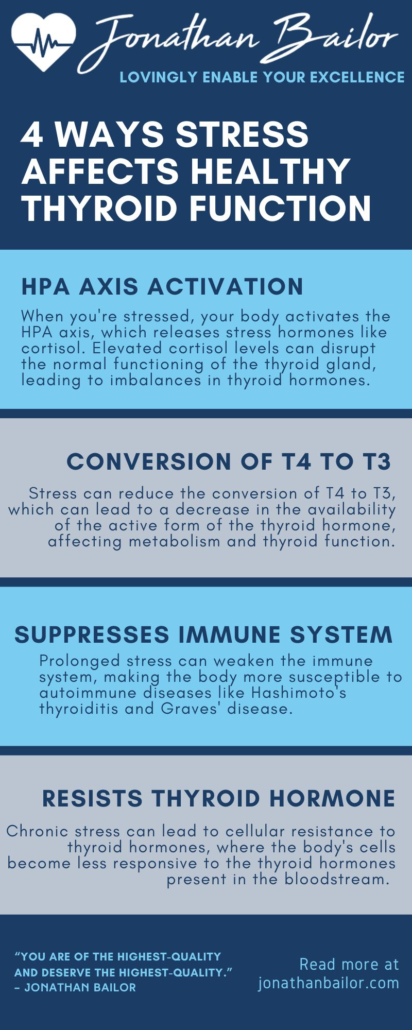
Triggering Your Microbiome’s Natural Metabolism and Weight Loss Benefits

Maintaining a healthy gut microbiome is like tending a vibrant garden in your body. It’s about providing the right nourishment and care to cultivate a flourishing internal ecosystem. This thriving environment not only supports digestion but can also be a key player in maintaining a healthy weight.

That’s right. A healthy gut microbiota is the only weight-loss intervention you need. Here’s how you can naturally boost your microbiome’s metabolism and unlock its weight-loss potential.

1. Embrace a High-Fiber Diet

Your gut is a haven for beneficial bacteria, and just like a lush garden needs good soil and nutrients, these bacteria thrive on dietary fiber. Fiber-rich foods act as fuel, helping these microbes produce health-boosting substances. So include a rainbow of fiber-rich foods in your diet, such as:

  • Leafy greens like spinach and broccoli
  • Crunchy veggies like celery, radishes, and carrots
  • Nutritious roots like sweet potatoes and beets
  • Wholesome legumes like lentils and beans
  • Juicy fruits like strawberries, bananas, and oranges

2. Savor Fermented Delights

Fermented foods are like probiotic parties for your gut. They’re packed with beneficial bacteria that support a balanced microbiome. Enjoy a variety of fermented treats like yogurt, sauerkraut, kefir, and kimchi. Regularly including these in your diet can enhance your gut flora’s diversity and functionality.

3. Diversify Your Plate

Imagine your gut as a diverse ecosystem. The more variety in your diet, the richer and more resilient this ecosystem becomes. Break free from the monotony of the typical Western diet, which is often limited in variety and high in unhealthy saturated fats and sugars. Instead, nourish your body with a wide array of whole foods, think colorful fruits, vegetables, and lean proteins.

4. Cut Down on Sugars and Sweeteners

Be mindful of your sugar intake. Excessive sugar can disrupt your gut balance, favoring harmful bacteria. Even artificial sweeteners, while calorie-free, might not be the best choice for your microbiome. They can influence blood glucose levels by affecting the gut flora. Consider the natural sweetness of fruits instead to satisfy your sweet tooth.

5. Manage Your Stress

Stress isn’t just a mind thing; it’s a body thing too. Chronic stress can throw your gut microbiome off balance. So, find ways to unwind and relax. Whether it’s through meditation, a leisurely walk, or a good laugh, reducing stress can positively impact your gut health.

Microbiome Weight Loss Dietary Methods - Jonathan Bailor

6. Prioritize Quality Sleep

Think of sleep as a nightly reset for your gut. Inadequate sleep can lead to an imbalanced microbiome. Establish a regular sleep schedule, create a restful bedroom environment, and consider unplugging from electronic devices before bedtime to encourage better sleep quality.

7. Hydrate Healthily

Drinking plenty of water is not just about quenching thirst but nurturing your gut. Hydration supports a diverse microbiome. Remember, the source of your water matters, too, so choose clean and safe drinking water.

8. Be Mindful of Antibiotics

While antibiotics can be life-saving, their unnecessary use can harm your gut microbiome. If you need antibiotics, discuss them with your healthcare provider and explore if there are effective alternatives.

9. Say “No” to Smoking

Smoking can alter your gut microbiome adversely, not to mention its other well-known health risks. If you’re a smoker, consider seeking help to quit. Your microbiome and your overall health will thank you.

10. Consider High-Quality Postbiotic Supplements

Butyrate is one of the most extensively studied postbiotic metabolites and is essential for a healthy gut. While it’s naturally produced when you digest resistant fibers, supplementing with butyrate can provide an extra boost, especially for gut health and metabolism.

Remember, caring for your gut is a step toward overall well-being. By adopting these simple habits, you’re not just nurturing your microbiome but also setting the stage for a healthier, more vibrant you.

Microbiome Weight Loss Lifetstyle Changes - Jonathan Bailor

Gut Health: Your Questions Answered

Q1: What exactly is the gut microbiome, and why is it important?

Your gut microbiome is a bustling community of trillions of microorganisms living in your digestive system. It’s like a bustling city within you, where each microbe plays a role in your health. This microbiome helps digest food, regulates your immune system, protects against harmful bacteria, and produces essential vitamins. Keeping this community balanced is crucial for good digestion, strong immunity, and overall health.

Q2: Can changing my diet really improve my gut health?

Just like a garden responds to good soil and care, your gut microbiome thrives on the right nourishment from your food intake. A diet rich in diverse, fiber-filled foods feeds the beneficial bacteria in your gut, many of whom produce health-promoting short-chain fatty acids. Incorporating a variety of fruits, vegetables, legumes, and fermented foods can lead to a healthier, more diverse microbiome, promoting better digestion and overall health.

Q3: How do probiotics and prebiotics work in maintaining gut health?

Think of probiotics as reinforcements for your gut’s army of beneficial bacteria. They are live microorganisms found in fermented foods and supplements that can help balance your gut flora. Prebiotics, on the other hand, are like the fuel that feeds this army. Found in fiber-rich foods, they nourish the good bacteria, helping them grow and flourish. Together, probiotics and prebiotics work in synergy to maintain a healthy gut ecosystem.

Q4: Is there a link between gut health and mood?

Yes, there’s a fascinating connection between your gut and brain, often called the gut-brain axis. Your gut produces a vast array of neurotransmitters, including serotonin, which matters in mood regulation. An imbalance in your gut microbiome can affect serotonin production, potentially impacting your mood. This is why maintaining gut health could be a key factor in promoting emotional well-being.

Q5: Can poor gut health contribute to weight gain?

your gut health and weight are closely linked. An imbalanced microbiome can affect how you process and store food, potentially leading to weight gain. For instance, certain gut bacteria can influence how efficiently calories are extracted from food and whether they’re stored as fat. By nurturing your gut health with a balanced diet and lifestyle, you can support a more efficient metabolism and weight management.

Embracing Your Natural Weight Loss Ally

In the journey to wellness, it’s important to realize that nurturing your gut microbiome is easier and more effective than you might think, and it’s certainly a safer option compared to modern weight loss drugs. Your body harbors this remarkable, natural weight-loss ally. By mindfully choosing what you eat and how you live, you can unlock its potential to support your health goals.

Share this empowering knowledge with friends and family through social media, email, or heartfelt conversations. Let’s inspire our communities by highlighting how our gut microbiome can be a gentle yet powerful partner in our journey to a healthier, happier life.

Feeling Better Is Priceless, That's Why We Don't Put A Price On It!

“It’s Like A Free and Medically Valid Version of Noom and Weight Watchers Online”

~ Dr. Doctor Matthew Oleshiak, MD

Click the 'LEARN MORE' button below for free lifetime access to the fast fix program developed by Jonathan and top Ivy League Medical Doctors

LEARN MORE

P.S. It's not a free trial. It's not part of the program for free. The entire program is free, forever, for real! No credit card needed.

12 Best Foods to Balance Hormones + 6 Foods that Disrupt Hormones

Embarking on the path to a healthy hormone balance can sometimes feel intricate and complex, akin to mastering the art of a well-tended garden. Everything is delicately interconnected, and the choices we make in our diet can significantly influence this delicate balance. This hormone health guide with Jonathan Bailor is a curated collection of nature’s finest offerings, each a powerhouse in its own right, meticulously chosen for its ability to harmonize and support hormone balance.

Picture a plate that bursts with a kaleidoscope of colors and textures, each element thoughtfully selected for its role in fine-tuning our internal systems. These foods go beyond mere dietary components; they are a celebration of vitality and health, echoing the profound impact of our nutritional choices on our well-being.

As we looks at the world of hormone-healing foods, it’s essential to honor each individual’s unique journey. Embracing diversity in your dietary choices allows you to understand and cater to your body’s distinct needs and rhythms. This approach isn’t about conforming to a rigid standard but rather about tuning in to what our bodies require and responding with nurturing care so that it can naturally reverse hormone imbalances.

This guide is designed to be a companion on your journey to discovering the significant power of foods that can bring your hormones into balance. It’s a compilation of knowledge and insights thoughtfully crafted to resonate with anyone seeking to enhance their health through informed dietary choices. Whether you’re sharing these insights with friends or embracing them on a personal level, this guide is here to offer guidance and support.

Remember, this introduction is just the first step. In the following sections, we will explore each hormone-healing food in detail, uncovering its unique characteristics and health benefits to help you make informed dietary choices.

So, let’s begin this enlightening journey together. Embrace the natural wisdom in our foods, and share this treasure trove of information with those around you. Engage in conversations, exchange ideas, and explore these concepts in the comfort of your home. Each step you take is a stride towards a more balanced, energized, and harmonious you.

What Are Hormones?

Hormones are the unsung heroes within our bodies, acting as essential chemical messengers. These small yet mighty molecules are crafted in the endocrine glands, functioning like a network of communication channels. They embark on a journey through our bloodstream, reaching every nook and cranny of our body. Their purpose? To cast a specific influence on our cells, organs, and tissues, orchestrating many vital bodily functions.

Picture your body as a dynamic city, bustling with over 50 different hormones, each performing a critical role in the complex urban landscape of our health. For women, key players in this metropolitan dance are hormones like estrogen and progesterone, gracefully crafted by the ovaries. They move in sync with the city’s rhythm setters, luteinizing hormone (LH) and follicle-stimulating hormone (FSH). This delicate choreography is vital for regulating the menstrual cycle, fostering fertility, and even playing a part in pregnancy. But their influence isn’t confined to reproductive districts; they also shape the avenues of our libido, metabolism, and overall well-being.

When these hormonal city planners lose their sync, the effects can be seen and felt in the streets. Signs like the irregularity of menstrual cycles, the discomfort of hot flashes, or challenges in conception are like traffic jams, signaling disruption in the intricate urban flow of hormones.

Understanding hormones and their intricate interactions within our bodies is crucial for maintaining overall health and well-being. Lifestyle choices such as diet, exercise, sleep, and stress play a significant role in hormonal function. But in this blog post, we will focus on hormone-balancing foods.

Food Groups for Hormonal Balance

Your body is like a complex, well-oiled machine, functioning at its best when it gets the right mix of nutrients. Proteins, carbohydrates, and fats play crucial roles in maintaining your body’s hormonal balance.

Let’s looks at how these vital macronutrients contribute to your overall well-being.

Protein: The Cornerstone of Hormonal Health

Proteins are the cornerstone of your body’s structure and function, much like the foundation of a solid building. They are essential in building and repairing tissues and play a key role in hormonal balance, particularly in regulating hunger hormones like leptin and ghrelin.

These proteins ensure that your body’s metabolic processes run smoothly, akin to a well-coordinated team working behind the scenes to keep everything on track.

Carbohydrates: The Sustainers of Energy

Carbohydrates are the body’s primary energy source, much like the fuel that keeps a machine running. But it’s not just any fuel, it’s the premium, high-quality kind that comes from nutrient-dense sources. Think of complex carbs with plenty of fiber as the steady, reliable energy that keeps your body functioning smoothly.

Fiber, which doesn’t break down into sugar, acts like a stabilizer, helping to keep your stress hormones, like cortisol, in check. It’s the equilibrium needed in a system that’s constantly active.

Fats: The Regulators of Satisfaction

Finally, let’s turn to fats, the essential nutrients that add quality and sustainability to your diet. Including healthy fats is like using high-grade lubricants in a machine, they ensure everything runs without a hitch. These fats are key in managing appetite and are particularly effective in handling insulin, a critical hormone in the body.

Each meal with a balance of good fats is like a perfectly calibrated part of a machine. Just as a well-maintained machine operates seamlessly, a diet rich in healthy fats helps your body’s hormonal system function smoothly, contributing to an overall sense of well-being.

As you can see, proteins, carbohydrates, and fats have unique and crucial roles in maintaining hormonal balance. Like a team of experts managing a sophisticated system, these nutrients work together to ensure your body operates efficiently, stays energized, and maintains a sense of harmony and satisfaction. By understanding and valuing their contributions, you can nourish hormone health.

12 Foods to Balance Hormones

Embarking on a journey towards hormonal balance can be significant. As our bodies age and evolve, so does the need to nourish them with certain foods that naturally balance hormones and support hormonal equilibrium. This goes beyond mere dietary choices; it’s about embracing a lifestyle that harmonizes our internal environment.

The following list highlights 12 foods with unique properties that are important in nurturing hormonal balance. They are not just ingredients on a plate; they represent a synergy with our body’s intricate systems.

1. Broccoli

Cruciferous vegetables like broccoli and cauliflower are great for balancing estrogen levels. Rich in compounds like indole-3-carbinol, it aids in metabolizing estrogen into beneficial forms, reducing the risk of hormonal imbalances. Regular consumption of broccoli can also support liver function, which is essential for hormone regulation.

2. Flaxseeds

Flaxseeds are rich in lignans, which help modulate estrogen activity. Their high fiber content assists in detoxification, aiding the body in eliminating excess hormones. Also, the omega-3 fatty acids in flaxseeds contribute to reducing inflammation, a key factor in maintaining hormonal health.

3. Salmon

Omega-3 fatty acids found in salmon are crucial for hormonal balance. They help reduce inflammation and can aid in regulating hormones like estrogen and progesterone. Regular consumption of salmon has been linked to improved mood and cognitive function, thanks to its rich omega-3 content, which is vital for brain health.

4. Avocado

Avocados are a great source of healthy fats, essential for hormone production. They contain beta-sitosterol, which may help balance cortisol levels, reducing the impact of stress on the body. Avocados are also packed with fiber, potassium, and magnesium, all beneficial for overall hormonal health.

5. Eggs

Eggs are incredibly nutritious and contain a wide array of nutrients essential for hormone balance, including protein, vitamins B2 and B5, and choline. These nutrients support the adrenal glands and aid in the production of sex hormones. Their versatility in meals makes them an easy addition to a hormone-balancing diet.

6. Almonds

Almonds are rich in magnesium, a mineral crucial in hormone regulation, particularly in managing insulin and blood sugar levels. They are also a good source of protein and healthy fats, which are key for hormonal balance.

Foods to Balance Hormones Part 1 - Jonathan Bailor

Feeling Better Is Priceless, That's Why We Don't Put A Price On It!

“It’s Like A Free and Medically Valid Version of Noom and Weight Watchers Online”

~ Dr. Doctor Matthew Oleshiak, MD

Click the 'LEARN MORE' button below for free lifetime access to the fast fix program developed by Jonathan and top Ivy League Medical Doctors

LEARN MORE

P.S. It's not a free trial. It's not part of the program for free. The entire program is free, forever, for real! No credit card needed.
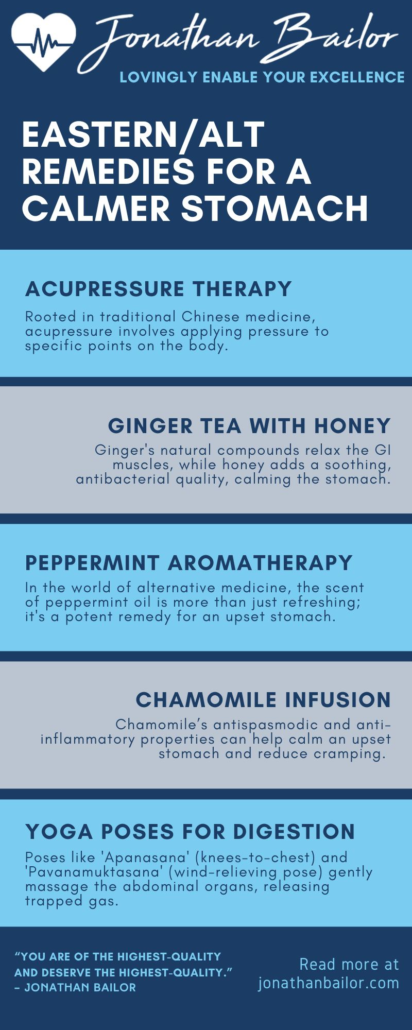
7. Coconut Oil

Medium-chain triglycerides in coconut oil are unique fats that aid in boosting metabolism and providing a quick energy source. Coconut oil can support thyroid health and help balance blood sugar levels, making it a valuable addition to a hormone-balancing diet.

8. Spinach

Spinach is a leafy green high in magnesium and iron, vital for maintaining hormonal balance. It’s also rich in vitamin E, which can help alleviate PMS symptoms and support overall reproductive health.

9. Seaweed

Seaweed is a rich source of iodine, a critical nutrient for thyroid hormone production. Regular consumption can support thyroid health, which is crucial for metabolism, energy levels, and overall hormonal balance.

10. Blueberries

Blueberries are high in antioxidants, which can help reduce inflammation and oxidative stress, factors that can disrupt hormonal balance. They also have a low glycemic index, making them an ideal choice for maintaining healthy blood sugar levels.

11. Pomegranates

Revered as a symbol of health, pomegranates are potent in phytochemicals that mimic estrogen. They can be instrumental in balancing hormones, especially during menopausal transitions. Pomegranates also contribute to heart health and are rich in antioxidants, which protect the body from cellular damage.

12. Chia Seeds

These tiny seeds are a nutritional powerhouse, rich in omega-3 fatty acids essential for hormone synthesis and inflammation reduction. Chia seeds also offer a high fiber content, promoting digestive health, a key component in hormonal regulation. Their ability to absorb water and form a gel-like substance can aid in maintaining a feeling of fullness, supporting weight management, a factor often linked to hormonal balance.

Incorporating these 12 foods into your diet can significantly influence your hormonal health. Each food brings its own unique blend of nutrients, working in concert to create a harmonious hormonal environment. Remember, achieving hormonal balance is not about a single food or quick fix; it’s about consistently choosing foods that nurture and support your body’s needs.

Foods to Balance Hormones Part 2 - Jonathan Bailor

6 Food Categories that Can Lead to Hormonal Imbalances

Navigating the path to a healthy hormonal system requires not just adding beneficial foods to our diet but also being aware of those that can cause a hormone imbalance. Certain food categories, often ingrained in our daily consumption, can subtly or significantly disrupt our hormonal equilibrium. This understanding is crucial, especially for mature women who are more susceptible to hormonal fluctuations.

This list will explore six types of foods known for their potential to cause hormonal imbalances. These foods don’t just impact our diet; they can alter the delicate hormonal dance within our bodies, leading to various health challenges.

1. Refined Sugars

Refined sugars are notorious for causing spikes in insulin, a hormone critical for regulating blood sugar levels. Frequent consumption of foods high in refined sugars can lead to insulin resistance, a precursor to several hormonal disorders, including type 2 diabetes and PCOS (Polycystic Ovary Syndrome).

Insulin imbalances can also disrupt other hormones, such as cortisol and estrogen, leading to a cascade of hormonal issues. Reducing the intake of refined sugars and opting for natural sweeteners can significantly improve hormonal health.

2. Processed Foods

Laden with artificial additives, preservatives, and unhealthy fats, processed foods can wreak havoc on hormonal balance. They often contain trans fats, which have been linked to increased inflammation and insulin resistance. These foods can also contain hidden sugars and salt, contributing further to hormonal imbalances.

Regularly consuming processed foods can also disrupt gut health, essential for proper hormone regulation.

High-Caffeine Beverages

While a moderate caffeine intake can be part of a healthy diet, excessive consumption of high-caffeine beverages like certain coffees and energy drinks can stress the adrenal glands. This can lead to fluctuations in stress hormones, particularly cortisol. Elevated cortisol levels over time can disrupt sleep patterns, increase blood sugar levels, and even lead to weight gain.

For hormonal health, it’s advisable to moderate caffeine intake and consider alternatives like herbal teas or decaffeinated beverages.

Soy Products

Soy contains phytoestrogens, plant-based compounds that mimic estrogen in the body. While they can be beneficial in some contexts, excessive consumption of soy products can lead to estrogen dominance, potentially disrupting the hormonal balance. This is particularly crucial for women in their menopausal years, as their natural estrogen levels are changing.

It’s advisable to consume soy in moderation and opt for fermented soy products, which are typically easier to digest and less likely to affect hormone levels.

Dairy Products

Dairy products, especially those from cows treated with growth hormones, can impact hormonal health. These products may contain high levels of estrogen and other hormones, which can contribute to hormonal imbalances in the body. This is especially pertinent for women in their 40s and 50s who are already experiencing natural hormonal shifts.

Consuming dairy in moderation or choosing organic and hormone-free dairy products can help maintain a healthier hormonal balance.

Alcohol

Regular and excessive consumption of alcohol can have a significant impact on hormonal balance. Alcohol can affect the liver’s ability to metabolize hormones, leading to an accumulation of estrogen and other hormones in the body. This can disrupt the delicate hormonal equilibrium, especially in women already experiencing natural hormonal shifts.

Also, alcohol can interfere with the functioning of the adrenal glands and thyroid, further contributing to hormonal imbalances. Limiting alcohol intake or choosing lower-alcohol options can aid in maintaining hormonal harmony.

By being mindful of these six food categories and their impact on hormonal health, you can take proactive steps to nurture your hormonal balance. This involves not only reducing the intake of these potentially disruptive foods but also focusing on a diet rich in whole, unprocessed foods that support hormonal health, such as fruits, vegetables, lean proteins, and healthy fats.

Food Categories that Promote Hormonal Issues - Jonathan Bailor

Understanding Hormone Health: Essential FAQs

1. How do dietary choices impact hormone health?

Diet significantly influences hormone balance. Foods high in refined sugars and processed ingredients can disrupt insulin levels, leading to potential hormonal imbalances. Conversely, a diet rich in whole foods like vegetables, fruits, lean proteins, and healthy fats supports balanced hormone levels. Including foods with omega-3 fatty acids, like fatty fish, can be particularly beneficial in maintaining hormonal equilibrium.

2. Can stress affect hormone balance?

Yes, stress plays a critical role in hormonal health. Chronic stress can lead to elevated cortisol levels, the body’s primary stress hormone. This can disrupt other hormonal functions, including reproductive hormones, thyroid hormones, and sleep-regulating hormones like melatonin. Managing stress through techniques like mindfulness, adequate sleep, and regular physical activity is essential for maintaining hormonal balance.

3. What role does sleep play in hormone health?

Quality sleep is vital for hormonal balance. During sleep, the body regulates many hormones, including growth hormone, cortisol, and insulin. Poor sleep can disrupt these processes, leading to imbalances that affect appetite, metabolism, stress response, and even reproductive health. Prioritizing sleep and maintaining a regular sleep schedule is crucial for optimal hormone regulation.

4. How does physical activity influence hormones?

Regular physical activity positively affects hormone health. Exercise helps regulate insulin sensitivity, reduce cortisol levels, and boost endorphins, which are hormones that promote feelings of well-being. Also, activities like strength training can enhance the production of growth hormone and testosterone, which are important for muscle health and overall vitality.

5. Are there specific nutrients that support hormone health?

Certain nutrients are particularly beneficial for hormone health. These include omega-3 fatty acids, found in fatty fish, which can help regulate hormone production and reduce inflammation. Vitamins D and B complex, essential for hormone synthesis, are also crucial. Minerals like magnesium and zinc play roles in supporting thyroid function and reproductive health. Incorporating a diverse diet rich in these nutrients can significantly aid in maintaining hormonal balance.

Embracing Hormonal Harmony: A Closing Thought

hormone health can seem daunting, but understanding its key aspects empowers us to make informed decisions. We can support our body’s natural hormonal balance by embracing nutritious diets, managing stress, prioritizing sleep, and engaging in regular physical activity.

Share this enlightening journey with your friends and family. Spread the word on social media platforms and through email. Together, let’s build an informed, healthy, and thriving community, one step at a time, toward optimal hormonal health.

Feeling Better Is Priceless, That's Why We Don't Put A Price On It!

“It’s Like A Free and Medically Valid Version of Noom and Weight Watchers Online”

~ Dr. Doctor Matthew Oleshiak, MD

Click the 'LEARN MORE' button below for free lifetime access to the fast fix program developed by Jonathan and top Ivy League Medical Doctors

LEARN MORE

P.S. It's not a free trial. It's not part of the program for free. The entire program is free, forever, for real! No credit card needed.
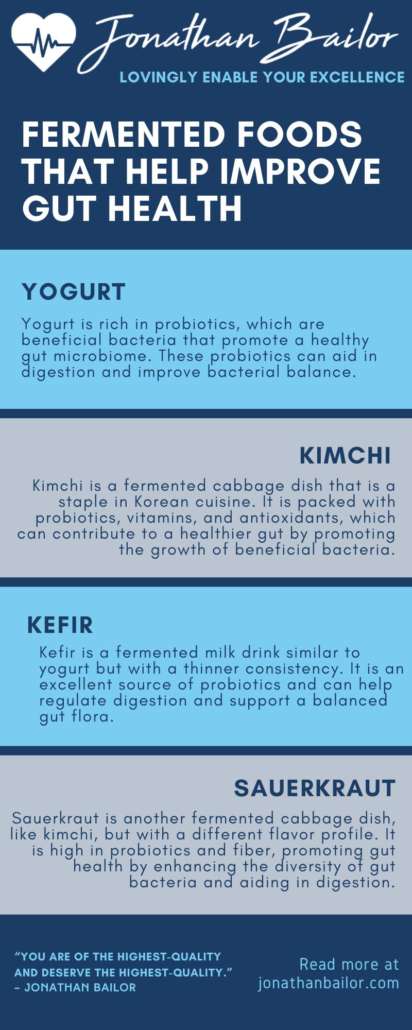
8 Underactive Thyroid (Hypothyroidism) Signs & 13 Solutions

Navigating the road to wellness can often feel like solving a complex puzzle, especially when symptoms are vague and solutions seem elusive. An underactive thyroid is one such puzzle that many of us encounter yet might not immediately recognize. It’s a condition that silently affects many individuals, with subtle signs that can easily be mistaken for the general wear and tear of the body.

Jump into this thyroid health guide with Jonathan Bailor !

Understanding hypothyroidism, also called underactive thyroid, is crucial, especially as it can impact our daily vitality and long-term health in ways we might not anticipate. The thyroid gland, though small, is mighty in its influence, regulating metabolism, energy, the immune system, and overall well-being. When it’s not functioning as it should, the ripple effects can be far-reaching.

In this post, we’re not just listing the signs of an underactive thyroid gland but also exploring practical, empowering solutions. These insights are rooted in scientific understanding and compassionate, real-world advice. Whether you’re feeling a bit off and can’t pinpoint why or are simply proactive about your health, this exploration is for you.

Our journey through the signs and solutions of hypothyroidism is designed to be an enlightening and supportive experience. It is not about overwhelming you with medical jargon but rather providing clear, actionable insights that you can easily understand and apply in your daily life. We’re here to offer a guiding hand, helping you interpret your body’s signals and respond with care and wisdom.

Imagine sharing this newfound knowledge with friends and family, sparking conversations that could lead to better health and greater awareness. Picture yourself as the catalyst in your community, bringing light to a topic that, though common, is often shrouded in misunderstanding. By sharing this post, you’re not just passing on information; you’re spreading empowerment and care, traits that resonate deeply in our connected lives.

In a world where personal health is increasingly becoming a shared journey, your role is vital. You’re not just a reader but an integral part of a community that values health, understanding, and compassionate support. Let’s embark on this journey together, exploring the signs and solutions of a sluggish thyroid and moving towards a future of better health and shared knowledge.

Unveiling the Mystery: Understanding Underactive Thyroid (Hypothyroidism)

In our journey to understand our bodies better, it is essential to shed light on the roles played by different organs, particularly the thyroid gland. This butterfly-shaped gland, nestled in the front of our neck, might be small, but its impact on our overall health is monumental. It’s like an orchestra conductor, directing the complex symphony of our body’s metabolism.

The thyroid gland produces hormones that have a hand in managing various functions, including how our body uses energy, regulates temperature, and even responds to other hormones. Think of it as a thermostat setting the pace for energy usage and overall activity in your body. When the thyroid functions harmoniously, we feel balanced and full of vitality.

However, the scale can tip, leading to what we know as hypothyroidism. This occurs when the thyroid gland doesn’t produce enough key hormones, meaning the thyroid hormone levels are too low. This slows the body’s metabolic processes, akin to dimming the lights in what should be a well-lit room.

Hypothyroidism is a subtle yet impactful thyroid disease. It takes a while to develop hypothyroidism, and its onset is often gradual, making it easy to miss in the early stages. It’s like a slowly developing fog that gradually envelops the landscape, altering it almost imperceptibly. The reasons behind this slowdown in thyroid activity can vary, ranging from pituitary gland disorders and autoimmune conditions to certain medications and environmental factors.

Understanding an underactive thyroid is the first step in a journey toward regaining balance. It’s about recognizing that our body signals a need for attention and care. As we move forward, remember that knowledge is the first spark of empowerment. In the following sections, we’ll explore how to recognize the signs and respond effectively, lighting the way to better health and well-being.

Recognizing 8 Signs: Navigating the Waters of Underactive Thyroid

As we sail through the sea of health and wellness, it is vital to be vigilant and aware of the signs that may indicate a shift in our well-being. When it comes to hypothyroidism, the signs can often be subtle, blending into the ebb and flow of daily life.

Here, we’ll explore eight key signs and symptoms of hypothyroidism that may signal that your thyroid is not making enough thyroid hormone. Recognizing these signs is like spotting landmarks on a journey, guiding us toward a clearer understanding of our health.

1. Unexplained Fatigue

Imagine your energy as a radiant sun, normally fueling your day with light and warmth. With hypothyroidism, this sun seems to fade, leaving you feeling inexplicably tired, even after a full night’s sleep. Your body’s energy reserves are perpetually running low, no matter how much rest you get.

2. Weight Gain Without Dietary Alterations

Picture your body as a finely tuned scale, balancing calories in and out. Low thyroid hormone can tip this scale, leading to a slowed metabolic rate and unexpected weight gain despite no significant changes in diet or exercise habits.

3. Sensitivity to Cold

Imagine a sudden drop in temperature. Your body’s biological response is to shiver, trying to generate warmth. Hypothyroidism can heighten this sensitivity to cold, making you feel unusually chilly in environments that once felt comfortable. It’s like your internal thermostat is set lower than it should be.

4. Dry and Coarse Skin and Hair

Consider your skin and hair as reflections of your inner health. A thyroid that does not produce enough hormone can lead to noticeable changes, such as dry, coarse, and flaky skin and hair that is brittle and prone to breakage. The nourishing flow of health to these areas is diminished, leaving them less vibrant.

5. Muscle Weakness and Joint Pain

Think of your muscles and joints as the framework that supports your daily activities. Hypothyroidism can lead to feelings of weakness in your muscles, along with aches and pains in your joints. It is as if the usual strength and fluidity of movement have been compromised, affecting your physical capabilities.

6. Slower Heart Rate

Envision your heart as a steady drum, maintaining the rhythm of life within you. Hypothyroidism can cause a noticeable slowing of your heartbeat, a change that might be subtle at first, like a drummer gradually reducing their tempo without you immediately realizing it.

7. Cognitive Difficulties

Your brain, the command center of your body, relies on a fine balance of hormones to function optimally. Hypothyroidism can cloud this clarity, leading to forgetfulness or difficulty concentrating. It’s like a mist descending over your usual sharpness and focus.

8. Mood Fluctuations

Imagine your mood as a calm sea, reflecting the sky above. Low thyroid hormone production can stir this sea, leading to unexplained mood swings, depression, or anxiety. It is as if the hormonal imbalance creates ripples across the surface of your emotional well-being.

Recognizing these signs is the first step in charting a course toward better health. In the following sections, we’ll explore how to navigate these waters, offering practical solutions to address an underactive thyroid.

Underactive Thyroid Hypothyroidism Signs and Symptoms - Jonathan Bailor

Feeling Better Is Priceless, That's Why We Don't Put A Price On It!

“It’s Like A Free and Medically Valid Version of Noom and Weight Watchers Online”

~ Dr. Doctor Matthew Oleshiak, MD

Click the 'LEARN MORE' button below for free lifetime access to the fast fix program developed by Jonathan and top Ivy League Medical Doctors

LEARN MORE

P.S. It's not a free trial. It's not part of the program for free. The entire program is free, forever, for real! No credit card needed.
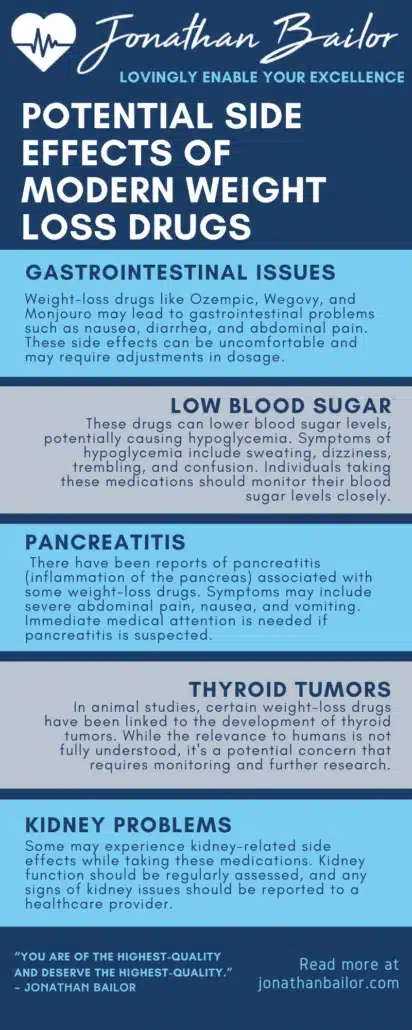
Navigating Allopathic Treatments: Modern Medicine’s Approach to Hypothyroidism

In modern medicine, there are several paths to address an underactive thyroid, each like a beacon guiding us toward restored health and balance. Allopathic treatments, grounded in years of research and clinical practice, offer effective solutions for managing this condition.

Here, we explore some of the common treatments that your health care provider may recommend, providing a glimpse into the options that modern medicine extends to those navigating the waters of underactive thyroid disease.

1. Levothyroxine Therapy

One of the most common and effective treatments for hypothyroidism is the prescription of levothyroxine, a synthetic thyroid hormone. This thyroid hormone medicine replaces the hormone that your thyroid cannot produce in sufficient quantities. The goal is to restore balance, like adding the missing piece to complete a puzzle. Dosage is carefully calibrated based on individual needs, and regular monitoring ensures the levels are just right, maintaining the harmony of your body’s functions.

2. Regular TSH Testing

Regularly monitoring thyroid-stimulating hormone (TSH) levels is essential to fine-tune the treatment of hypothyroidism. This blood test is a crucial tool, like a compass guiding the journey, helping doctors understand how well your thyroid is functioning and adjust medication dosages accordingly. Consistent testing ensures that the treatment remains aligned with your body’s evolving needs, keeping the journey toward wellness on the right track. These blood tests are typically the first diagnostic tool for thyroid disease.

3. Dietary and Nutritional Adjustments

Modern medicine also recognizes the power of dietary strategies in managing hypothyroidism. A balanced diet of fruits, vegetables, and lean proteins can support overall thyroid health. In some cases, doctors may advise increasing the intake of certain nutrients like iodine and selenium, essential for thyroid hormone production, akin to fortifying the body with the right building blocks for optimal function.

4. Beta-Blockers for Symptom Management

For those experiencing symptoms like palpitations or tremors due to hypothyroidism, doctors may prescribe beta-blockers. These medications can help manage these symptoms, providing relief like a calm shelter provides respite from a storm. It’s a targeted approach, addressing specific challenges on the path to managing hypothyroidism.

5. Personalized Medication Adjustments

The journey with hypothyroidism is unique for each individual, and so is the treatment. Physicians often take a personalized approach to medication, adjusting dosages based on a physical exam and factors like age, weight, other health conditions, and response to treatment. This approach allows personalized care tailored to unique needs like a navigator adjusting the sails for each individual journey.

6. Thyroid Surgery

In some instances of underactive thyroid, there are structural issues with the thyroid gland itself, such as significant enlargement or nodules, or in cases of severe hypothyroidism, surgery may be considered. This procedure involves the partial or complete removal of the thyroid gland. It’s a decision navigated carefully, akin to choosing a new course in uncharted waters.

Post-surgery, patients typically require lifelong thyroid hormone replacement therapy, given that the body’s natural hormone production is affected. The surgery aims to address the root cause and bring a more permanent solution.

These allopathic solutions for hypothyroidism thyroid reflect modern medicine’s commitment to restoring health and balance. They offer pathways that, combined with informed self-care and regular medical guidance, improve well-being and quality of life.

Modern Medical Treatments for Hypothyroidism - Jonathan Bailor

Complementing Wellness: Home Remedies to Soothe Underactive Thyroid Symptoms

In the journey of managing hypothyroidism, blending medical treatments with natural remedies can create a harmonious approach to wellness. While these home remedies should never replace professional medical advice or treatments, they can serve as valuable adjuncts, offering additional comfort and support. Think of them as gentle currents that aid the sails of allopathic treatments, helping to navigate the waters of hypothyroidism with a little more ease.

Here, we explore several natural remedies that can complement your ongoing medical regimen, providing a holistic approach to soothing underactive thyroid symptoms.

1. Iodine-Rich Foods

Incorporating iodine-rich foods to your diet can support thyroid health, as iodine is a critical component in producing thyroid hormones. Foods like seaweed, fish, and dairy are natural sources of iodine. It’s about adding a sprinkle of these iodine-rich ingredients to your meals like a chef subtly enhancing the flavor of a dish. However, finding a balance is important, as too much iodine can also aggravate thyroid issues.

2. Selenium Supplements

Selenium plays a crucial role in thyroid hormone metabolism. Foods like Brazil nuts, sunflower seeds, and eggs are good sources of selenium. Adding these to your diet is akin to providing the right tools to an artisan, aiding in fine-tuning thyroid function. As with any supplement, it’s important to discuss with your doctor if it’s the right amount for your specific needs.

3. Stress Reduction Techniques

Managing stress is vital to regulating thyroid function. Practices like yoga, meditation, and deep-breathing exercises can be effective. These techniques are anchors, grounding you amidst the stormy seas of stress, which can often exacerbate thyroid symptoms. These practices encourage a state of calm, aiding the body’s natural ability to heal and maintain balance.

4. Regular Exercise

Gentle, regular exercise can help manage some symptoms of hypothyroidism, such as weight gain and fatigue. Activities like walking, swimming, or cycling are excellent choices. It’s like taking your body on a gentle voyage, enhancing circulation and energy levels while supporting overall health.

5. Adequate Sleep

Ensuring sufficient and quality sleep is crucial for thyroid health. Establishing a regular sleep routine, creating a restful environment, and avoiding stimulants before bedtime can aid in better sleep. Think of sleep as a serene harbor where your body can dock and undergo repairs and rejuvenation.

6. Anti-inflammatory Foods

Incorporating anti-inflammatory foods can support overall health and may ease some thyroid symptoms. Foods like berries, leafy greens, and turmeric are known for their anti-inflammatory properties. Including these in your diet is like planting a garden of healing herbs, each contributing to a more balanced and less inflamed bodily state.

7. Hydration

Keeping well-hydrated is essential for overall health and can support thyroid function. Drinking adequate water throughout the day is akin to ensuring a steady flow of the body’s self-sustaining river. It aids in detoxification and maintaining optimal body functions, which is crucial when dealing with a thyroid condition.

Incorporating these natural remedies into your daily regimen can offer supportive care for managing hypothyroidism. They serve as complementary practices, enhancing the effectiveness of your medical treatments and contributing to a holistic approach to your health and well-being.

Home Remedies to Soothe Underactive Thyroid Symptoms - Jonathan Bailor

Thyroid Health: Answers to Your Frequently Asked Questions

Navigating the realm of thyroid health can often bring a flurry of questions to the surface. It’s natural to seek clarity and understanding about this vital aspect of our well-being. In this FAQ section, we aim to shed light on some of the most commonly asked questions regarding thyroid health, providing answers that combine accuracy with understanding. Let’s explore these questions together, enhancing our knowledge and empowering our journey towards better health.

Q1: What’s the function of the thyroid gland in our body?

The thyroid gland, a small butterfly-shaped organ located at the front of the neck, plays a pivotal role in regulating our body’s metabolism. It produces thyroid hormones, which act like a conductor, directing the speed and efficiency of how our body uses energy. This regulation affects various functions, from heart rate and body temperature to muscle strength and cholesterol levels. A well-functioning thyroid ensures a harmonious balance in our body’s daily operations.

Q2: How do I know if my thyroid is not functioning properly?

Signs of thyroid dysfunction can vary depending on whether it’s underactive (hypothyroidism) or overactive (hyperthyroidism). Hypothyroidism symptoms include fatigue, weight gain, cold sensitivity, and dry skin, while an overactive thyroid gland may present symptoms like weight loss, rapid heartbeat, and anxiety. It’s important to note that these symptoms can be subtle and gradual, making it crucial to consult a healthcare professional for accurate diagnosis and management.

Q3: Can diet impact thyroid health?

Diet plays a significant role in thyroid health. Certain nutrients, such as iodine, selenium, and zinc, are essential for thyroid hormone production and function. Foods rich in these nutrients, like seafood, nuts, and seeds, can support thyroid health. Conversely, excessive consumption of certain foods, like soy products and cruciferous vegetables, might affect thyroid function, especially in individuals with existing thyroid issues. It’s about finding a balanced and nutritious diet tailored to the body’s specific health needs.

Q4: Is thyroid dysfunction hereditary?

Thyroid disorders can have a hereditary component, especially if they’re due to an autoimmune disorder like Hashimoto’s thyroiditis, the most common cause of hypothyroidism. You may be at a higher risk if there’s a family history of thyroid problems. However, environmental factors, lifestyle choices, and other health conditions also play significant roles in thyroid health. Knowing your family history can be a key factor in the early detection and proactive management of thyroid conditions.

Q5: Can stress affect my thyroid?

Stress can indeed impact thyroid function. Chronic stress may lead to an imbalance in the body’s cortisol levels, which can interfere with thyroid hormone production and metabolism. This disruption can exacerbate existing thyroid conditions or even contribute to developing new thyroid issues. Managing stress through relaxation techniques, regular exercise, and a balanced lifestyle can, therefore, be beneficial in maintaining healthy thyroid function.

Embarking Together: Sharing the Journey of Thyroid Health

As our exploration of thyroid health draws to a close, we hope this journey has illuminated the path toward understanding and managing thyroid-related challenges. Our shared exploration—from recognizing signs to considering both medical and natural remedies—is a testament to the power of knowledge and proactive health care. We invite you to extend this journey beyond yourself. Share these insights with friends and family through social media and email. Let’s build an informed, empowered, and supportive community, fostering a collective journey toward better health and wellness for all.

Feeling Better Is Priceless, That's Why We Don't Put A Price On It!

“It’s Like A Free and Medically Valid Version of Noom and Weight Watchers Online”

~ Dr. Doctor Matthew Oleshiak, MD

Click the 'LEARN MORE' button below for free lifetime access to the fast fix program developed by Jonathan and top Ivy League Medical Doctors

LEARN MORE

P.S. It's not a free trial. It's not part of the program for free. The entire program is free, forever, for real! No credit card needed.
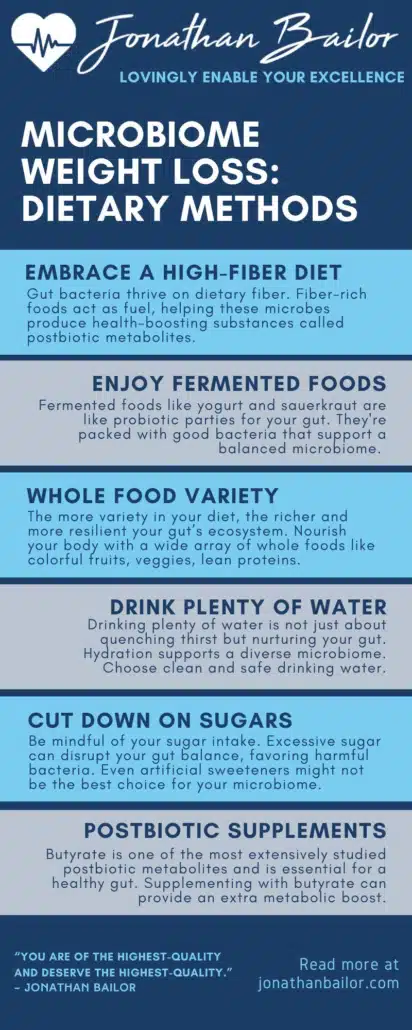
10 Best Foods That Naturally Improve Gut Flora

Short answer: the foods that actually improve your gut flora are the ones that feed the bacteria you already have, not the ones that claim to add new bacteria on the label. High-fiber plants, legumes, polyphenol-rich produce, and a small daily dose of real fermented foods do more for microbiome diversity than any probiotic pill in the research I’ve read. I’ll show you the specific foods, the fiber types that matter, and why the most interesting science right now is happening one level past probiotics, in the metabolites bacteria produce when you feed them well.

I’ve spent two decades reading nutrition science for a living, and gut health is the area where popular advice and actual research have drifted the farthest apart. Store shelves are stacked with probiotic capsules promising to repopulate your intestines. Most strains do not survive the trip. The ones that do mostly pass through without setting up residence. The single most replicated finding in the microbiome literature is embarrassingly simple: eat a wide variety of plants, and the bacteria already living inside you will thrive and produce the compounds that do the real work. That last part is the piece most articles skip.

The Three-Tier Model: Prebiotics, Probiotics, Postbiotics

If you only remember one framework from this article, make it this one. Gut health works on three tiers, and most people only talk about the middle one.

Prebiotics are the fibers and plant compounds that feed the bacteria already living in your gut. Inulin from onions and chicory root, resistant starch from cooked-and-cooled potatoes, beta-glucan from oats, pectin from apples. You don’t digest them. Your bacteria do.

Probiotics are live bacteria you swallow, hoping they survive stomach acid, establish in the colon, and do something useful. A few strains are well-studied for specific clinical situations. For general gut health in a healthy adult, the research is softer than the marketing suggests.

Postbiotics are the compounds bacteria produce when they eat prebiotics. Short-chain fatty acids like butyrate. Inactivated microbial cells and cell wall fragments. Peptides and metabolites that interact with your immune system and gut lining. In 2021, the International Scientific Association for Probiotics and Prebiotics issued a formal consensus definition of postbiotics as “a preparation of inanimate microorganisms and/or their components that confers a health benefit on the host.” Read that twice. The beneficial agent is not the living bacteria. It is the stuff the bacteria make and leave behind.

This matters because every food on the list below is really a prebiotic, a probiotic, or both, and the entire point of eating them is to increase postbiotic production. The food feeds the bugs. The bugs make the metabolites. The metabolites do the work. Keep that chain in mind as you read the rest.

Why Plant Diversity Matters More Than Any Single Food

The largest citizen science microbiome study ever run is the American Gut Project, and its first major results were published in mSystems in 2018. The headline finding was blunt: participants who ate more than 30 different plant types per week had measurably more diverse gut microbiomes than people who ate 10 or fewer. The difference held up across demographics, geographies, and dietary patterns. Thirty plants, not thirty servings. One apple counts the same as a basket of apples. The currency is variety.

The same paper identified specific short-chain fatty acid producers, including Faecalibacterium prausnitzii and species in the genus Oscillospira, that were significantly enriched in the high-diversity plant eaters. Those are butyrate producers. More plant types fed more bacteria, and those bacteria made more of the metabolite that keeps the colon lining healthy.

Forget picking the one perfect gut food. The question is whether you can reach 30 different plants a week. Herbs count. Spices count. A tablespoon of flax on oatmeal counts.

The High-Fiber Vegetables That Do the Heavy Lifting

When researchers talk about fiber for the microbiome, they are not talking about the gram total on a cereal box. They are talking about specific fermentable fibers that bacteria can actually metabolize. These are the vegetables that load you up on the right ones.

  • Jerusalem artichokes and chicory root. Among the densest natural sources of inulin, a fructan that selectively feeds Bifidobacteria.
  • Alliums: garlic, onion, leek, shallot. High in inulin and fructooligosaccharides. A small daily dose of garlic does more for your flora than most probiotic capsules.
  • Asparagus. Another inulin heavyweight, plus glutathione precursors.
  • Artichoke hearts. High in cynarin and inulin.
  • Cruciferous vegetables: broccoli, cauliflower, Brussels sprouts, cabbage. Feed specific bacterial communities that metabolize glucosinolates into anti-inflammatory compounds.
  • Leafy greens. A recently identified sulfoquinovose sugar in leafy greens selectively feeds beneficial gut bacteria.

If you eat onion, garlic, and one green cruciferous vegetable most days, you already have a stronger prebiotic base than most of the adults I’ve met.

Legumes: The Most Underrated Gut Food in America

Americans eat roughly half the legume intake of people in any of the blue zone populations where low chronic disease rates have been mapped. I think this is one of the biggest self-inflicted gut health problems in the Western diet. Lentils, black beans, chickpeas, and split peas deliver a combination of soluble fiber, resistant starch, and polyphenols that is hard to match with any other food category.

Resistant starch is the part I want to highlight. It resists digestion in the small intestine, reaches the colon intact, and gets fermented into butyrate by specific bacterial communities. Cooked-and-cooled beans have more resistant starch than freshly cooked beans because cooling retrogrades some of the starch molecules into a form bacteria love. A lentil salad left in the fridge overnight is, by design, a better prebiotic than the same lentils served hot.

If legumes give you bloating, that usually means your flora is not yet used to them. Start with a quarter cup daily and let your bacteria adapt over two or three weeks. The bloating drops sharply as the communities that metabolize these fibers expand.

Fermented Foods: Small Daily Doses Beat Weekly Binges

Here the research recently got very interesting. In 2021, a team at Stanford led by Justin and Erica Sonnenburg ran a 17-week randomized trial comparing a high-fiber diet against a high-fermented-food diet in healthy adults. The results, published in Cell, were striking. The fermented foods group, eating things like yogurt, kefir, kimchi, sauerkraut, kombucha, and vegetable brines, saw a steady increase in gut microbial diversity and a decrease in 19 inflammatory proteins, with stronger effects at higher servings. The high-fiber group did not see the same diversity increase over the 17-week window, though they did shift bacterial enzyme production.

I want to be careful here because this finding has been oversold. It does not say fiber is bad. It says fermented foods can add something fiber alone does not, at least over 17 weeks. My read is that the two work together. Fiber grows the bacteria you already have. Fermented foods deliver live microbes plus the metabolites those microbes already produced during fermentation, which is essentially a postbiotic delivery system wearing a probiotic costume.

The practical takeaway is to eat a small serving of a real fermented food most days. Two tablespoons of sauerkraut on lunch. A half cup of kefir in the morning. A spoon of kimchi with dinner. Daily small doses beat infrequent large ones.

One label trap: most supermarket sauerkraut and kimchi is pasteurized, which kills the living cultures. Look for refrigerated, raw products with live cultures on the label. Shelf-stable jars in the vinegar aisle are not the food the Stanford study tested.

Polyphenol-Rich Foods: The Other Prebiotic Nobody Talks About

When people hear prebiotic, they think fiber. That is only half the story. Plant polyphenols, the compounds that give berries, dark chocolate, green tea, red grapes, olives, and coffee their color and bitterness, are also selectively metabolized by gut bacteria. Most polyphenols are poorly absorbed in the small intestine, which means they arrive in the colon mostly intact, where specific bacterial communities convert them into smaller bioactive metabolites that then enter the bloodstream. The parent polyphenol is not what does the work. The bacterial metabolite is.

The foods with the highest polyphenol density per calorie include:

  • Wild blueberries, blackberries, raspberries, and pomegranate
  • Extra virgin olive oil (a real one, not the blended stuff)
  • Dark chocolate at 85 percent cocoa or higher
  • Green tea and matcha
  • Red onions and red cabbage
  • Herbs: cloves, peppermint, star anise, oregano

A cup of wild blueberries on oatmeal is, from the microbiome’s perspective, doing two jobs at once. The oats deliver beta-glucan for the bacteria to ferment. The blueberries deliver anthocyanins that bacteria convert into anti-inflammatory metabolites. Two tiers, one bowl.

Butyrate and Short-Chain Fatty Acids: Why This All Matters

I keep mentioning butyrate, so let me explain why it is the metabolite the whole conversation revolves around. When gut bacteria ferment the fibers in the foods above, the main products are three short-chain fatty acids: acetate, propionate, and butyrate, typically in a 60:25:15 ratio. A 2024 review in Nutrients on short-chain fatty acids and human health lays out what butyrate actually does once it is produced. It is the primary fuel source for the cells that line your colon, providing up to 70 percent of their energy. It signals through G-protein-coupled receptors to lower inflammation. It inhibits histone deacetylases, which means it influences gene expression in ways that protect the gut barrier. It strengthens tight junctions between epithelial cells. And it trains regulatory T cells, which are part of why a healthy gut flora quiets down autoimmune activity.

Every single one of those benefits depends on your bacteria having the right fibers to ferment. No fiber, no butyrate. No butyrate, no colonocyte fuel. That is why a fiber-starved Western diet, even one with probiotic yogurt in the mix, tends to produce a thin, inflamed colon lining over time. The bacteria never get what they need, so they never make what you need.

What Colonizes You, and What Just Passes Through

Here is a reality check that took me a long time to internalize. Most probiotic strains in capsules, and most live microbes in fermented foods, do not colonize your gut in any permanent sense. They transit through, interact with your immune system, release some metabolites, and exit. The benefits are real but transient. Stop eating the yogurt, and within a week or two, the signal fades.

Your resident flora, the bacteria that actually live there year after year, was shaped mostly in childhood and is fed by what you eat every day. You cannot replace your flora with a bottle. You can only feed what is there and nudge it with steady inputs. That is why the framing of this article is “feed the bugs you have” instead of “swap in new bugs.” Which leads to the question I get asked most: if probiotics are mostly transient, is there a better way to get the benefits without depending entirely on your own flora doing all the fermentation work?

The Postbiotic Shortcut

For readers who want the metabolites directly, this is where the science is moving. If butyrate and other postbiotics are what actually improve the gut lining, and if your own bacteria can only produce them when well fed, then the logical next step is to deliver the metabolites themselves. Tributyrin, for example, is a butyrate precursor that survives the upper GI tract and releases butyrate directly in the colon, bypassing the need for fermentation. Inactivated Akkermansia muciniphila fragments have shown metabolic benefits in clinical trials even without the bacteria being alive.

My editorial team at Consumer Health Guide maintains an independent review of the postbiotic category. If you want to see which products have published clinical data and which are marketing-only, start with the Consumer Health Guide postbiotic reviews. None of this replaces eating 30 plants a week. Food first, always. But for people who have been doing the food work and still want more, postbiotic support is one of the more interesting tools to read up on.

For a deeper look at how gut health interacts with weight, inflammation, and metabolic setpoint, I keep my full picture on my gut health hub. The foods in this article are one layer of a bigger story.

Frequently Asked Questions

How fast does the gut microbiome actually change?

Faster than people think. Controlled feeding studies show meaningful shifts in bacterial ratios within three to four days of a dietary change. The harder question is whether those changes stick. Short-term shifts are easy. The composition that matters is the one you maintain for months, not the one you produce in a week.

Are probiotic pills worth taking?

Sometimes, for specific situations. Certain strains have real clinical data for antibiotic-associated diarrhea, irritable bowel, and a handful of other conditions. For general “boost my gut health,” the evidence is thin, and you will get more out of a daily spoon of real sauerkraut than most capsules.

Do I need 30 different plants a week, exactly?

Thirty is the threshold where the American Gut Project saw the clearest difference in microbial diversity. It is a useful target, not a magic number. Twenty is better than ten. Forty is probably better than thirty. The principle is variety, and the research curve is smooth.

Is kombucha as good as kefir?

They are different. Kefir is one of the most microbially diverse fermented foods in the common diet, often containing 30 or more strains. Kombucha has a much narrower microbial profile plus acetic acid and polyphenols from the tea. Both earn a place in a rotation. Kefir probably has the edge if you want maximum diversity from one food.

What about inulin and prebiotic supplements?

They work mechanically. Inulin does feed Bifidobacteria, and the research is consistent on that point. The catch is that a lot of people get bloating, gas, and discomfort from isolated inulin powders at doses that are easy to hit from a single scoop. Food sources deliver the same fibers with a slower, gentler profile.

Can I fix my gut flora while eating a Western diet?

No, not meaningfully. The standard American diet is too low in fermentable fiber and plant diversity to produce the bacterial metabolites that keep a gut lining healthy. You can add probiotics and postbiotics on top, and they will help at the margins, but the substrate problem has to be fixed first.

What is the single best first change to make?

Add a half cup of lentils or black beans to one meal a day. It is the highest-ROI intervention I know. It delivers soluble fiber, resistant starch, polyphenols, and a bacterial fermentation profile that produces butyrate. If the only thing you did this month was that, your flora would be better off at the end of it.

The Bottom Line

The honest science of improving your gut flora is less exciting than the supplement aisle makes it look, and more exciting than the standard “eat fiber” advice implies. Feed the bacteria you already have with a wide variety of plants, including legumes, alliums, cruciferous vegetables, polyphenol-rich fruits, and a daily spoon of a real fermented food. Those bacteria will produce the metabolites, short-chain fatty acids like butyrate, that do the actual work of keeping your gut lining healthy and your immune system calm. That is tier one and tier two of the model.

Tier three, the postbiotic level, is where the newer research is moving, and for people who have been eating well and still want more, the postbiotic reviews my team publishes at Consumer Health Guide are the cleanest starting point I can offer. Food first. Metabolites next. That is the whole play.

Jonathan Bailor, New York Times bestselling author of The Calorie Myth and The Setpoint Diet.