Brain Health

Dry January 2024: 12 Brain Health Benefits of Quitting Alcohol

Are you “thinking” about participating in Dry January 2024 but can’t seem to focus? Here are 12 brain health benefits, along with expert secrets to quitting alcohol, in this brain health guide with Jonathan Bailor.

Take care of your brain health even more with our 14 Brain Foods to Improve Memory and Focus and 28 Daily Habits to Support Long-Term Brain Health at Every Stage guides next!

As the confetti settles and the festive echoes of the holiday season fade, many find themselves reflecting on the past month’s merriment. The holidays, for all their joy and togetherness, often bring an indulgence in rich foods and, quite commonly, alcohol. It’s a season of celebration, but sometimes our bodies, and particularly our brains, bear the brunt of this festive overindulgence.

Enter Dry January 2024, not just a trend, but a timely opportunity to hit the reset button on our health, especially brain health. This month-long journey of abstaining from alcohol is more than a fleeting New Year’s resolution; it’s a powerful step towards ending alcohol addiction and revitalizing our mental well-being. For many, particularly those who’ve enjoyed the holiday cheer a bit too enthusiastically, Dry January offers a welcome pause, a chance to allow the body, and specifically the brain, to recover and rejuvenate.

Alcohol abuse affects both physical and mental health. So, why are we focusing on the brain in this blog post? The brain is the command center of our body, intricately linked to every function and feeling. It’s a remarkable organ, deserving of care and attention. Alcohol, while often used as a social lubricant, can have profound and sometimes unrecognized effects on this vital organ. This month of January, a month when you stop drinking alcohol, provides an excellent opportunity to explore the positive changes that occur when alcohol is removed from the daily routine.

As you embark on this journey, it’s important to acknowledge the changes you might experience. Improved sleep quality, heightened mental clarity, and general well-being are just the tip of the iceberg. The benefits of abstaining from alcohol, even temporarily, can have a profound impact on various aspects of brain health. These benefits are not just fleeting changes but can be the starting point of a more sustainable, healthier lifestyle.

This article aims to illuminate the myriad ways in which a break from alcohol can enhance brain function and overall mental health. It goes beyond about abstaining; it’s about understanding and embracing the myriad benefits that this month of mindfulness can bring. And remember, sharing this journey can be both inspiring and motivational. Whether through social media or a chat over a cup of herbal tea, spreading the word about the importance of reassessing one’s drinking habits can encourage others to join in and experience these benefits for themselves.

As we venture into Dry January, let’s do so with a sense of curiosity and openness, ready to embrace the numerous ways our brains and bodies can thank us for this well-deserved break. Here’s to a month of clarity, rejuvenation, and discovery in pursuing a healthier, happier you.

The Ripple Effects of Alcohol on the Brain: Understanding the Impact

As we navigate through Dry January, it’s essential to understand how alcohol and alcohol abuse affect our brains. This knowledge not only empowers us but also reinforces our commitment to this alcohol-free month.

Let’s explore the distinct changes that alcohol brings to our brains, both in the short and long term.

Short-Term Changes

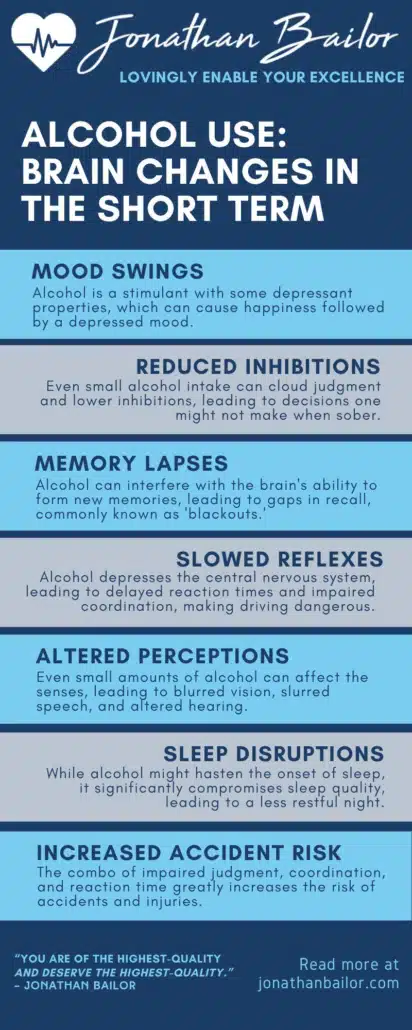
  • Mood Swings and Emotional Shifts: Alcohol initially acts as a stimulant, often leading to a temporary uplift in mood. However, this can quickly shift to feelings of depression as its depressant qualities take over.
  • Reduced Inhibitions and Impaired Judgment: Even moderate alcohol consumption can cloud judgment and lower inhibitions, leading to decisions one might not make when sober.
  • Memory Lapses: Alcohol can interfere with the brain’s ability to form new memories, leading to gaps in recall, commonly known as ‘blackouts.’
  • Slowed Reflexes and Response Time: Alcohol depresses the central nervous system, leading to delayed reaction times and impaired coordination, which is why driving under the influence is so dangerous.
  • Altered Sensory Perceptions: Even small amounts of alcohol can affect the senses, leading to blurred vision, slurred speech, and altered hearing.
  • Sleep Disruptions: While alcohol might hasten the onset of sleep, it significantly compromises sleep quality, leading to a less restful night.
  • Increased Risk of Accidents: The combination of impaired judgment, coordination, and reaction time significantly increases the likelihood of accidents and injuries.
Alcohol Use Brain Changes in the Short Term - Jonathan Bailor

Feeling Better Is Priceless, That's Why We Don't Put A Price On It!

“It’s Like A Free and Medically Valid Version of Noom and Weight Watchers Online”

~ Dr. Doctor Matthew Oleshiak, MD

Click the 'LEARN MORE' button below for free lifetime access to the fast fix program developed by Jonathan and top Ivy League Medical Doctors

LEARN MORE

P.S. It's not a free trial. It's not part of the program for free. The entire program is free, forever, for real! No credit card needed.

Long-Term Changes

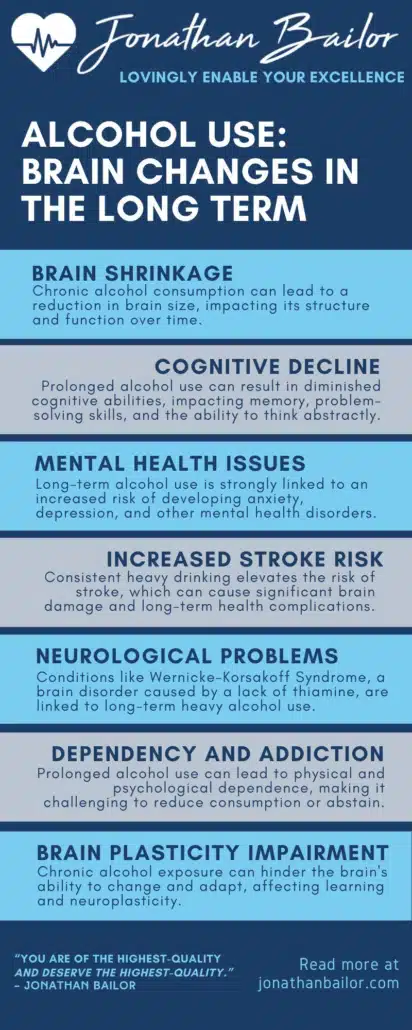
  • Risk of Brain Shrinkage: Chronic alcohol consumption can lead to a reduction in brain size, impacting its structure and function over time.
  • Cognitive Decline: Prolonged alcohol use can result in diminished cognitive abilities, impacting memory, problem-solving skills, and the ability to think abstractly.
  • Mental Health Issues: Long-term alcohol use is strongly linked to an increased risk of developing anxiety, depression, and other mental health disorders.
  • Increased Risk of Stroke: Consistent heavy drinking can lead to high blood pressure, which, in turn, elevates the risk of stroke, which can cause significant brain damage and long-term health complications.
  • Neurological Complications: Conditions like Wernicke-Korsakoff Syndrome, a type of brain disorder caused by a lack of thiamine, are linked to long-term heavy alcohol use.
  • Dependency and Addiction: Prolonged alcohol use can lead to physical and psychological dependence, making it challenging to reduce consumption or abstain.
  • Compromised Brain Plasticity: Chronic alcohol exposure can hinder the brain’s ability to change and adapt, affecting learning and neuroplasticity.
  • Metabolic Health and Cognitive Decline: Chronic alcohol use often contributes to metabolic imbalances, including obesity, which can exacerbate cognitive decline. Addressing weight management through lifestyle changes or, when appropriate for certain individuals, weight loss drugs may help mitigate these effects. Improved metabolic health has been linked to enhanced brain function, offering a dual benefit for those on the path to recovery.
Alcohol Use Brain Changes in the Long Term - Jonathan Bailor

Understanding these changes underscores the importance of periods like Dry January. They are not just a break from alcohol but an opportunity to reset and recalibrate our brain health, leading to a path of wellness and vitality.

The 12 Brain-Health Benefits of Quitting Alcohol

Embracing an alcohol-free lifestyle, especially after a period of regular consumption, can be a significant experience for your brain. This journey, while challenging, unlocks numerous benefits, each contributing to a healthier, more vibrant brain.

Here are 12 significant brain health benefits you can expect to experience when you participate in alcohol withdrawal, saying goodbye to alcohol.

1. Improved Cognitive Functions

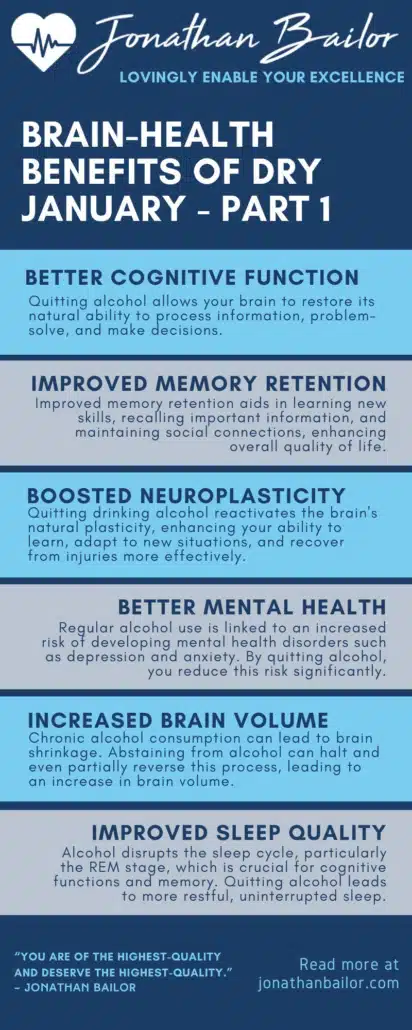
Alcohol’s impact on cognitive abilities is well documented. Quitting alcohol allows your brain to restore its natural ability to process information, problem-solve, and make decisions. The fog of confusion that is often associated with regular drinking lifts, which leads to clearer thought processes and improved memory.

For certain individuals struggling with obesity, weight-loss drugs can complement the cognitive benefits of quitting alcohol by addressing metabolic imbalances. Improved metabolic health through weight loss can enhance mental clarity and cognitive function.

This renewed mental clarity enhances daily activities and professional performance, fostering a sense of accomplishment and confidence.

2. Enhanced Memory Retention

Alcohol can significantly impair short-term memory and, over time, harm long-term memory retention. When you quit drinking alcohol, it allows the brain to recover and rebuild these vital cognitive functions. Improved memory retention aids in learning new skills, recalling important information, and maintaining social connections, enhancing overall quality of life.

3. Boosted Neuroplasticity

Alcohol consumption can hinder the brain’s plasticity, its ability to adapt and change in response to new experiences. Quitting drinking alcohol reactivates the brain’s natural plasticity, enhancing your ability to learn, adapt to new situations, and recover from injuries more effectively.

4. Lower Risk of Mental Health Issues

Regular alcohol use is linked to an increased risk of developing mental health disorders such as depression and anxiety. By quitting alcohol, you reduce this risk significantly.

The balance in brain chemistry improves mood stability, fosters a positive outlook, and supports overall mental well-being.

5. Increased Brain Volume

Chronic alcohol consumption can lead to brain shrinkage. Abstaining from alcohol can halt and even partially reverse this process, leading to an increase in brain volume. This physical change is a sign of improved brain health and function.

6. Improved Sleep Quality

While alcohol can induce sleep, it severely disrupts the sleep cycle, particularly the REM (rapid eye movement) stage, which is crucial for cognitive functions and memory.

Quitting alcohol leads to more restful, uninterrupted sleep, which is essential for brain health and overall well-being.
Brain Health Benefits of Dry January Part 1 - Jonathan Bailor

7. Sharper Concentration and Focus

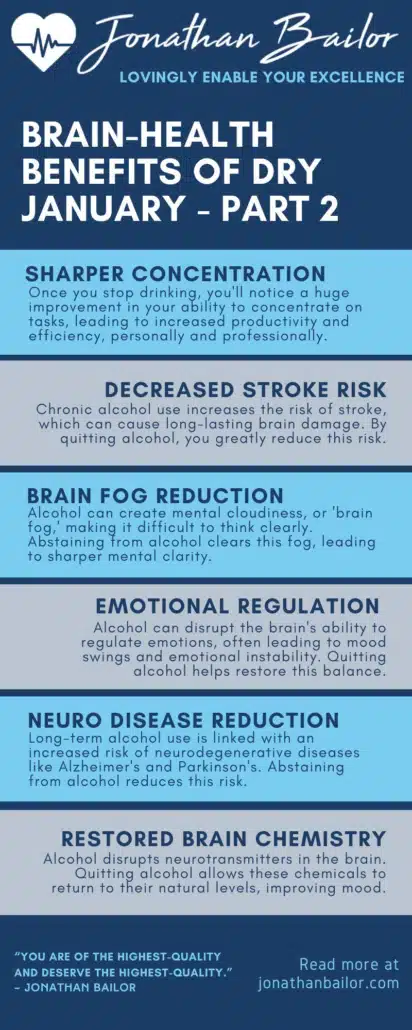
Regular alcohol consumption can scatter your focus and concentration. Once you stop drinking, you’ll notice a significant improvement in your ability to concentrate on tasks, leading to increased productivity and efficiency in both personal and professional spheres.

8. Decreased Risk of Stroke

Chronic alcohol use increases the risk of stroke, which can cause long-lasting brain damage. By quitting alcohol, you significantly reduce this risk, thereby protecting your brain from potential debilitating effects.

9. Reduction in Brain Fog

Alcohol can create a persistent state of mental cloudiness, or ‘brain fog,’ making it difficult to think clearly. Abstaining from alcohol clears this fog, leading to sharper mental clarity and an enhanced ability to process information.

10. Improved Emotional Regulation

Alcohol can disrupt the brain’s ability to regulate emotions, often leading to mood swings and emotional instability. Quitting alcohol helps restore this balance, leading to more stable and predictable emotional responses.

11. Protection Against Neurodegenerative Diseases

Long-term alcohol use is associated with an increased risk of neurodegenerative diseases like Alzheimer’s and Parkinson’s. Abstaining from alcohol reduces this risk, contributing to long-term brain health and functioning.

12. Restoration of Brain Chemistry

Alcohol disrupts the delicate balance of neurotransmitters in the brain. Quitting alcohol allows these chemicals to return to their natural levels, improving mood, reducing cravings, and fostering a sense of well-being.
Brain Health Benefits of Dry January Part 2 - Jonathan Bailor

In summary, the decision to quit alcohol opens the door to a multitude of benefits for your brain.

Each benefit intertwines to create a mix of improved mental function, emotional stability, and overall brain health, laying the foundation for a fulfilling, vibrant life.

When to Seek Addiction Treatment

Recognizing when to seek addiction treatment is a crucial step in the journey toward recovery. If alcohol consumption or other substance abuse becomes a necessity rather than a choice, disrupts daily life, or leads to neglect of responsibilities, it’s a clear signal to seek professional help. Similarly, if attempts to reduce or stop drinking result in severe withdrawal symptoms or significant distress, this indicates a dependency that requires expert intervention.

Taking the step to seek treatment requires courage, but it is necessary to ensure support and guidance on the path to reclaiming control and well-being.

Navigating Dry January: 5 Strategies for Success

Embarking on Dry January is a commendable commitment that marks the beginning of a healthier year. While the journey can be challenging, particularly after the indulgence of the festive season, the right strategies can make it a rewarding experience.

These five tips are designed to help you successfully navigate this alcohol-free month.

1. Set Clear Intentions

The decision to participate in Dry January must be anchored in strong, personal reasons. Whether it’s for health, mental clarity, or as a challenge, having a clear understanding of why you’re doing this can be incredibly motivating. Remind yourself of these reasons daily, especially during moments of temptation.

For certain individuals managing both alcohol cessation and weight-related challenges, discussing the potential role of weight loss drugs with a healthcare provider can be an empowering step. Setting clear intentions to improve overall health, including brain and metabolic health, can provide a strong foundation for lasting lifestyle changes

2. Create a Supportive Environment

Your environment matters in your Dry January success. Start by removing alcohol from your home to avoid unnecessary temptation. Inform your friends and family about your commitment and seek their support. Surrounding yourself with people who respect and encourage your decision can make a significant difference. Also, avoid situations where drinking is the primary activity, especially in the early days when your resolve is still solidifying.

3. Discover Alcohol-Free Alternatives

One of the joys of Dry January is exploring activities that don’t involve drinking. There is a growing market for non-alcoholic beverages that mimic the taste of your favorite drinks. Experiment with mocktails, alcohol-free beers, and wines. These alternatives can satisfy the ritual of having a drink without the effects of alcohol, making social situations and relaxation times more manageable.

4. Engage in New Activities

Dry January is an excellent opportunity to try new activities or rekindle old hobbies. Activities that engage your mind and body can be particularly helpful in shifting focus away from alcohol. Whether it’s joining a fitness class, diving into a good book, or starting a creative project, these activities can fill the time you might have spent drinking, providing a sense of fulfillment and distraction.

5. Monitor and Celebrate Progress

Keeping track of your progress can be incredibly motivating. Mark each alcohol-free day on a calendar or use an app designed for tracking habits. Celebrate milestones with non-alcoholic treats or rewards, be it a week, two weeks, or the entire month. Recognizing and rewarding your efforts reinforces positive behavior and makes the journey more enjoyable.

Remember, Dry January is not just about abstaining from alcohol; it’s about making a positive change in your life. By setting clear intentions, creating a supportive environment, exploring alternatives, engaging in new activities, and monitoring your progress, you set yourself up for a successful and rewarding Dry January.

Dry January Five Strategies for Ultimate Success - Jonathan Bailor

Brain Health Essentials: Your Questions Answered

brain health can often lead to questions about the best practices and facts. Understanding how to maintain and improve brain health is crucial for overall well-being. Here are answers to five frequently asked questions about brain health, offering clarity and direction for those seeking to optimize their mental wellness.

Q1: What role does diet play in maintaining brain health?

Diet matters in brain health. Nutrients, notably those high in omega-3 fatty acids like fish, flaxseeds, and walnuts, support brain function. Antioxidant-rich fruits and vegetables combat oxidative stress, which can damage brain cells. Also, foods high in vitamins B, C, and E and minerals like magnesium and zinc are essential for cognitive function and overall brain health. A balanced diet not only fuels the brain but also helps prevent cognitive decline.

Q2: How does sleep affect the brain?

Sleep is crucial for brain health. During deep sleep, the brain performs critical functions like consolidating memories and clearing out toxins that accumulate during waking hours. Lack of sleep can impair cognitive abilities, affect decision-making, and increase the risk of neurological disorders. Consistently getting 7-9 hours of quality sleep each night is essential for maintaining cognitive function and overall brain health.

Q3: Can physical exercise improve brain health?

Yes, physical exercise is highly beneficial for the brain. Regular physical activity increases blood flow to the brain, which enhances its health and function. Exercise also stimulates the production of neurotrophins, which support neuron growth and connectivity. Activities like aerobic exercise, strength training, and yoga not only improve brain function but also reduce the risk of cognitive decline and neurodegenerative diseases.

Q4: Are brain-training games effective in enhancing brain health?

Brain-training games can be beneficial for the brain, particularly in improving specific cognitive skills like memory, problem-solving, and reaction time. However, their effectiveness varies from person to person. These games are most beneficial when combined with other brain-healthy habits like physical exercise, a balanced diet, and social interaction. While they can be a fun and stimulating way to engage the brain, they should not be the sole strategy for maintaining brain health.

Q5: How important is social interaction for brain health?

Social interaction plays a significant role in maintaining brain health. Engaging with others stimulates the brain and can improve mental functions like memory and attention. Social interactions also help in reducing stress and depression, both of which can adversely affect brain health. Regular social activities and maintaining a healthy social network are key components of a brain-healthy lifestyle.

Having a good understanding of these different elements of brain health can equip individuals with the information they need to make informed choices about their lifestyles. Embracing a holistic approach that includes a balanced diet, adequate sleep, regular physical and mental exercise, and social engagement is essential for maintaining optimal brain health.

Embracing a Healthier Mind: A Journey to Share

As we conclude this exploration of brain health and the significant power of an alcohol-free lifestyle, it’s clear that the choices we make significantly impact our mental well-being.

Whether refusing to drink alcohol during January, improving dietary habits, or embracing healthier lifestyle choices, each step contributes to a vibrant, healthier brain.

Sharing this journey with friends and family can inspire and motivate them to embark on their own path to better brain health. So, spread the word on social media or via email, and let’s collectively embrace the journey to a healthier mind and a more fulfilling life.

Feeling Better Is Priceless, That's Why We Don't Put A Price On It!

“It’s Like A Free and Medically Valid Version of Noom and Weight Watchers Online”

~ Dr. Doctor Matthew Oleshiak, MD

Click the 'LEARN MORE' button below for free lifetime access to the fast fix program developed by Jonathan and top Ivy League Medical Doctors

LEARN MORE

P.S. It's not a free trial. It's not part of the program for free. The entire program is free, forever, for real! No credit card needed.
14 Brain Foods to Improve Memory and Focus

Maintaining a sharp memory and laser-like focus is more vital than ever in a world brimming with information. This brain health guide with Jonathan Bailor explores how what you eat can significantly influence how your brain functions. Yes, that’s right! The foods we consume play a crucial role in enhancing our cognitive abilities. If you like this content then check out our Brain Health and Dry January Guide too along with the 7 Best Hobbies for Brain Health articles next!

Imagine sitting across the table from a friend and sharing a meal that not only tantalizes your taste buds but also nourishes your brain. This blog post aims to bring that kind of experience and wisdom into your kitchen and dining room. It’s like having a secret weapon in your pantry that adds flavor to your meal and boosts your brainpower.

Now, you might wonder if these brain-boosting foods are exotic or hard to find. Rest assured, they are everyday items you can easily incorporate into your diet. They are the unsung heroes in our grocery aisles, waiting to unleash their potential in your favorite dishes.

This journey through 14 brain-enhancing foods is not just a list; it’s a goldmine of wisdom offering easy-to-implement, practical suggestions that fit seamlessly into your daily routine. Think of it as a guide to making brain health a delicious part of every meal. Whether preparing a family dinner, grabbing a quick snack, or planning a special feast, these foods are your allies in maintaining a healthy, active brain.

Sharing this knowledge can be a delightful way to connect with friends and family, sparking conversations about health and wellness. Imagine the joy of helping those you care about find simple, effective ways to nourish their minds. By sharing this blog post, you’re not just passing along information; you’re offering a gift of health and well-being.

So, let’s embark on this culinary adventure together. Get ready to discover how each meal can be an opportunity to feed your brain with the care it deserves. These 14 brain foods are not just nourishment; they’re a loving embrace for your mind.

Empowering Your Brain: 14 Foods to Boost Memory and Focus

Embarking on a journey to enhance brain health can be both exciting and enriching. As you explore the realm of brain-boosting foods, consider this guide a beacon, illuminating the path toward improved memory and focus. Each food item on this list is not just a mere ingredient but a key to unlocking the potential of your mind. From the antioxidant-rich blueberries to the omega-3-laden fatty fish, these foods are nature’s gift to our cognitive well-being.

As you read this list, imagine each item as a friend, ready to support and nourish your brain, enhancing your mental agility and clarity. Welcome to a world where your diet becomes your ally in maintaining a vibrant and sharp mind.

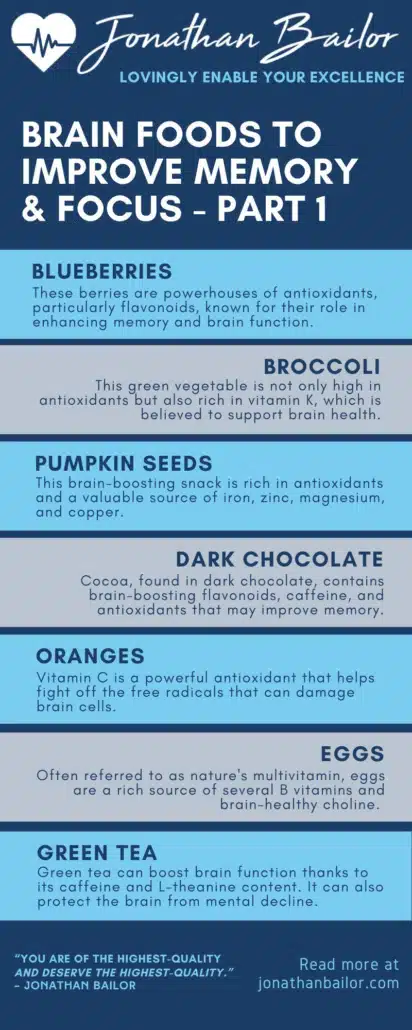
1. Blueberries

These little berries are powerhouses of antioxidants, particularly flavonoids, known for their role in enhancing memory and cognitive functions.

Regular consumption of blueberries has been linked to slower cognitive decline in older adults, possibly due to their ability to combat oxidative stress and inflammation, which can affect brain health. Some studies suggest that blueberry consumption may improve cognitive function in those with mild cognitive impairment.

They’re also wonderfully versatile, perfect as a snack, in smoothies, or as a yogurt topping.

2. Broccoli

This green vegetable is not only high in antioxidants but also rich in vitamin K, which is believed to support brain health. The formation of sphingolipids, a type of fat that is densely packed into brain cells, requires the presence of Vitamin K.

Adding broccoli to your diet could be a smart way to support brain health, thanks to its anti-inflammatory and antioxidant effects. Brain agin

3. Pumpkin Seeds

A snack that doubles as a brain booster, pumpkin seeds are rich in antioxidants and a valuable source of iron, zinc, magnesium, and copper.

These nutrients play a vital role in enhancing brain health, from nerve signal transmission to reducing the risk of neurological diseases.

4. Dark Chocolate

Cocoa, found in dark chocolate, contains flavonoids, caffeine, and antioxidants. Flavonoids are particularly good for the brain, as they may encourage neuron and blood vessel growth in parts of the brain involved in memory.

A small square of dark chocolate daily can be a delightful treat that also supports cognitive health.

5. Oranges

Just one medium orange can provide the daily requirement for vitamin C, a key factor in preventing mental decline.

Vitamin C is a powerful antioxidant that helps fight free radicals that can damage brain cells. This essential vitamin is also necessary for repairing and growing new brain cells.

6. Eggs

Often referred to as nature’s multivitamin, eggs are a rich source of several B vitamins and choline. Choline is crucial in creating acetylcholine, a neurotransmitter that helps regulate mood and memory.

Including eggs in your diet can support brain health and cognitive function, especially as you age.

7. Green Tea

As a beverage, green tea can boost brain function thanks to its caffeine and L-theanine content.

The L-theanine in green tea can increase the activity of the neurotransmitter GABA, which has anti-anxiety effects. It also contains polyphenols and antioxidants, which protect the brain from mental decline.

Brain Foods to Boost Memory and Focus Part 1 - Jonathan Bailor

Feeling Better Is Priceless, That's Why We Don't Put A Price On It!

“It’s Like A Free and Medically Valid Version of Noom and Weight Watchers Online”

~ Dr. Doctor Matthew Oleshiak, MD

Click the 'LEARN MORE' button below for free lifetime access to the fast fix program developed by Jonathan and top Ivy League Medical Doctors

LEARN MORE

P.S. It's not a free trial. It's not part of the program for free. The entire program is free, forever, for real! No credit card needed.

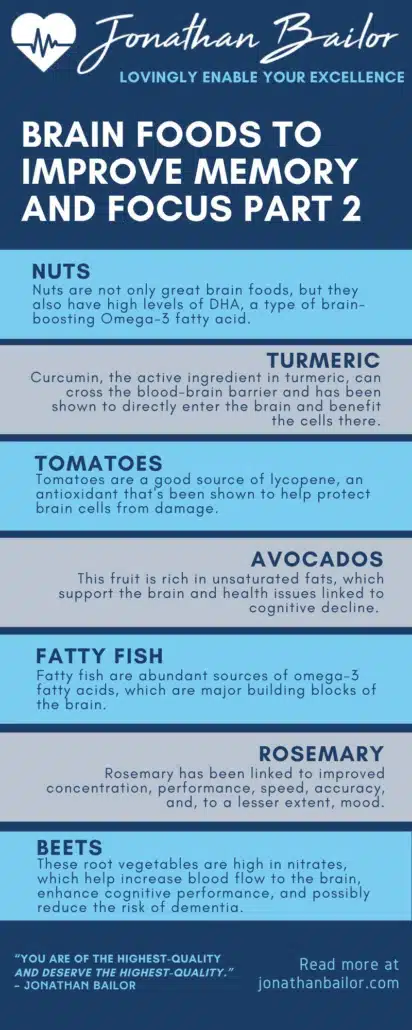
8. Nuts

Nuts, especially walnuts, are not only great brain food due to their high levels of antioxidants, vitamins, and minerals, but they also have high levels of DHA, a type of Omega-3 fatty acid.

Omega-3s aid in improving cognitive function and reducing age-related cognitive decline.

9. Turmeric

This deep-yellow spice is a key ingredient in curry powder and offers several benefits for the brain. Curcumin is the active ingredient found in turmeric. It has been shown to have the ability to cross the blood-brain barrier and directly benefit the cells within the brain. It has potent antioxidant and anti-inflammatory properties that can improve memory function.

10. Tomatoes

Tomatoes are a good source of lycopene, an antioxidant that’s been shown to help protect brain cells from damage. This could lower the risk of developing neurodegenerative diseases.

Incorporating tomatoes into your diet is both easy and beneficial for brain health.

11. Avocados

This fruit is rich in unsaturated fats, which support the brain. Eating monounsaturated fats may reduce blood pressure, and high blood pressure is linked to cognitive decline.

Thus, by reducing hypertension, the unsaturated fats in avocados could lower the risk of cognitive decline.

12. Fatty Fish

Fatty fish is an abundant source of omega-3 fatty acids, which are major building blocks of the brain.

Omega-3s have a positive impact on memory, mood, and brain health.

13. Rosemary

Beyond its culinary use, rosemary has been found to have antioxidants that support brain health.

Improved concentration, performance, accuracy, and speed have been associated with its aroma, and to a lesser extent, mood.

14. Beets

These root vegetables are high in nitrates, which help increase blood flow to the brain, enhance cognitive performance, and possibly reduce the risk of dementia.

They’re also rich in antioxidants that can reduce inflammation and oxidative stress, which harm brain health.

Brain Foods to Improve Memory and Focus Part 2 - Jonathan Bailor

Unraveling the Mysteries of Brain Health: Your Questions Answered

brain health can often lead to a myriad of questions. This FAQ section is designed to be your compass, guiding you through the intricacies of maintaining and enhancing cognitive well-being.

From the impact of diet on brain function to the role of sleep in mental health, these questions and answers aim to clarify common queries and shed light on lesser-known facts. Consider this section a conversation that seeks to empower you with knowledge and insights, helping you make informed decisions for a healthier, sharper mind.

Let’s explore these questions together on a journey towards optimal brain health.

Q1: Can diet really affect my brain health?

Just like the rest of your body, your brain requires specific nutrients to function optimally.

Foods rich in antioxidants, healthy fats, vitamins, and minerals provide the brain with the necessary tools to fight oxidative stress, which can damage brain cells.

Eating a balanced diet that includes a variety of brain-supporting foods can enhance cognitive functions, such as memory and focus, and may reduce the risk of brain diseases.

Q2: How does exercise contribute to brain health?

Physical activity is a fantastic boon for your brain!

Regular exercise, especially cardiovascular activities like walking, swimming, or cycling, enhances blood flow to the brain. This increased blood flow delivers more oxygen and nutrients, which can improve brain functions and promote the growth of new brain cells.

For certain individuals pursuing weight loss goals, certain weight loss drugs may complement lifestyle changes like exercise to improve overall health, though these should only be considered with medical guidance.

exercise can stimulate the release of hormones that foster the growth of new brain connections.

Q3: Are there specific vitamins or supplements that are important for brain health?

Certain vitamins and supplements have been highlighted for their potential benefits for brain health.

For instance, omega-3 fatty acids, found in fish oil supplements, are essential for normal brain function and development. B vitamins, particularly B6, B9, and B12, can reduce homocysteine levels, which might reduce the risk of cognitive decline. Also, vitamin E is an antioxidant that’s been linked to less cognitive decline with age. In addition to nutritional supplements, weight loss drugs may be an option for compatible individuals addressing health challenges linked to obesity, which can indirectly affect brain health and cognitive function.

Also, vitamin E is an antioxidant that’s been linked to less cognitive decline with age.

Q4: Can mental exercises help keep my brain sharp?

engaging in mental exercises can help keep your brain sharp.

Activities like puzzles, memory games, learning a new language, or even playing musical instruments stimulate the brain and can improve cognitive function.

These activities challenge the brain, build new connections between neurons, and can even increase the brain’s resilience to damage.

Q5: Does sleep affect brain health?

Sleep plays a critical role in brain health.

During sleep, your brain removes toxins that accumulate throughout the day, consolidates memories, and forms neural connections.

Lack of adequate sleep can impair cognitive abilities like concentration, problem-solving skills, and memory. Therefore, regular, quality sleep is essential for maintaining a healthy, functioning brain.

Nurturing Your Brain: A Journey Towards Enhanced Mental Well-Being

As we conclude our exploration of the brain’s nutritional allies, remember that each meal is an opportunity to feed and nurture your body and your mind. These insights into brain health are more than just facts; they’re stepping stones to a sharper, more focused you.

While adopting brain-boosting dietary habits is crucial, certain individuals may also explore weight loss drugs as part of a broader strategy to improve health outcomes. It’s essential to consult with a healthcare provider to determine the most suitable approach.

Share this wealth of wellness wisdom with your friends and family on social media or via email. Let’s spread the word on how simple dietary changes can profoundly impact our cognitive health, one delicious, brain-boosting bite at a time.

Feeling Better Is Priceless, That's Why We Don't Put A Price On It!

“It’s Like A Free and Medically Valid Version of Noom and Weight Watchers Online”

~ Dr. Doctor Matthew Oleshiak, MD

Click the 'LEARN MORE' button below for free lifetime access to the fast fix program developed by Jonathan and top Ivy League Medical Doctors

LEARN MORE

P.S. It's not a free trial. It's not part of the program for free. The entire program is free, forever, for real! No credit card needed.

19 Evidence-Based Treatments to Reduce Brain Fog & Boost Mental Clarity

the quest for optimal mental function has never been more critical. With this in mind, this Brain Health Guide by Jonathan Bailor offers an enlightening path to not just clearing the mental fog but to enhancing cognitive performance, resilience, and overall brain health. This guide is your compass through the complexities of brain wellness, offering strategies rooted in advanced research and holistic insights.

Imagine waking up to a mind as clear as a serene lake on a perfect spring morning, where every thought ripples through with clarity and purpose. For many, however, the reality is more akin to trying to peer through a dense fog that refuses to lift, obscuring the vibrancy of life and the joy of sharp, unencumbered thinking. This fog, often called “brain fog,” can be a frustrating barrier to living life to its fullest, making even simple tasks seem daunting.

Yet, the journey to mental clarity and improved brain function and well-being doesn’t have to be a solo expedition through uncharted territory. Grounded in science and refined through experience, there are numerous pathways that have been illuminated by those who’ve traversed this terrain before us, offering hope and actionable strategies to those seeking to clear the haze and embrace a brighter, more focused future.

This article reveals evidence-based treatments that serve as beacons of light, guiding the way toward not just dispelling brain fog but also enhancing overall mental health. Each strategy is a thread in the mix of holistic well-being, interwoven with the wisdom of experts and the lived experiences of countless individuals who’ve reclaimed their mental sharpness and vitality. From nutritional adjustments that nourish the brain to lifestyle tweaks that invigorate the spirit, these treatments are testaments to the power of informed, intentional action.

In sharing this knowledge, the hope is to empower you with the tools to navigate through the mist and into a state of mental clarity and improved health. Whether adopting a new morning routine, exploring natural supplements, or engaging in practices that soothe and stimulate the mind, the journey ahead is ripe with potential for transformation. And on this journey, you’re not alone. The steps outlined here are backed by a community of seekers and scholars, all united in the quest for a life lived with clarity, purpose, and joy.

As this article unfolds, consider it a map to uncharted territories of your own well-being. Each treatment is a waypoint on the path to a clearer mind and a healthier life. So, let’s embark on this journey with open hearts and curious minds, ready to explore the possibilities that lie beyond the fog. And remember, as you find pathways that resonate with you, share them. Your insights could be the guiding light someone else needs to begin their own journey to mental clarity and well-being.

Navigating the Fog: Allopathic Approaches to Reduce Brain Fog and Mental Clarity

In the pursuit of lifting the veil of brain fog and enhancing mental health, the realm of Western medicine offers a beacon of hope through evidence-based, allopathic solutions. These interventions, grounded in rigorous research and clinical trials, provide a structured approach to addressing the underlying causes and symptoms of mental haze. With a commitment to scientific inquiry and patient care, allopathic medicine opens doors to targeted treatments that can significantly improve quality of life.

Here, we explore several allopathic interventions designed to clear the fog and bring the world into sharper focus.

1. Cognitive Behavioral Therapy (CBT)

Cognitive Behavioral Therapy stands as a pillar in the treatment of mental health challenges, including those contributing to brain fog. This structured, time-limited psychotherapy helps individuals identify and challenge unhelpful thinking and behavior patterns.

CBT fosters a clearer mind and a more positive outlook on life by equipping patients with practical strategies to change these patterns. It’s proof of the power of aligning thought processes with reality, paving the way for improved mental clarity.

2. Medication Management

For some, the root of brain fog lies in chemical imbalances or specific health conditions that respond well to pharmacological intervention. Medications such as antidepressants, anti-anxiety drugs, or stimulants for ADHD are prescribed following a thorough evaluation.

These medications aim to balance neurotransmitter levels, relieving symptoms that cloud the mind. It’s a process of fine-tuning, where the goal is to achieve the highest level of mental function with the lowest side effects. Medication management may also help you maintain brain function.

3. Sleep Therapy

Recognizing the intricate link between sleep and mental health, allopathic medicine emphasizes the importance of diagnosing and treating sleep disorders. Techniques such as sleep hygiene education, Continuous Positive Airway Pressure (CPAP) for sleep apnea, or medication for insomnia can transform sleep quality.

Sleep deprivation is known to cause cognitive impairment. So, restorative sleep is essential for clearing brain fog, as it allows the brain to repair and regenerate.

4. Nutritional Psychiatry

While traditionally not the first approach in allopathic medicine, there’s growing recognition of the impact of nutrition on mental health. Medical professionals may recommend dietary changes to increase the intake of nutrients vital for brain health, such as omega-3 fatty acids, B vitamins, and antioxidants.

Coupled with regular monitoring, this approach acknowledges that what fuels the body also fuels the mind, offering a clear path to mental vitality and a healthy brain.

5. Physical Activity Prescription

Exercise is increasingly prescribed as a complementary treatment for mental health issues contributing to brain fog. The commitment to regular exercise, especially aerobic workouts, has been proven to enhance cognitive function, reduce anxiety, and improve mood.

By increasing blood flow to the brain and promoting the release of growth factors, a structured exercise program can be a cornerstone of a holistic approach to dispelling brain fog and keeping your brain healthy.

In embracing these allopathic solutions, the journey through the mist becomes a path of discovery, leading to a destination where mental clarity and well-being are not just aspirations but achievable realities. Each intervention, carefully chosen and tailored to the individual, offers a step toward a life viewed through a lens of sharp focus and vibrant colors.

As we navigate these options, let’s move forward confidently, knowing that the tools for a clearer tomorrow are within our reach.

Allopathic Methods to Reduce Brain Fog - Jonathan Bailor

Feeling Better Is Priceless, That's Why We Don't Put A Price On It!

“It’s Like A Free and Medically Valid Version of Noom and Weight Watchers Online”

~ Dr. Doctor Matthew Oleshiak, MD

Click the 'LEARN MORE' button below for free lifetime access to the fast fix program developed by Jonathan and top Ivy League Medical Doctors

LEARN MORE

P.S. It's not a free trial. It's not part of the program for free. The entire program is free, forever, for real! No credit card needed.
Nature’s Clarity: Naturopathic Solutions for Brain Fog and Enhanced Well-being

In the mix of health and well-being, naturopathic medicine weaves its magic by tapping into nature’s bounty, offering gentle yet powerful solutions for clearing brain fog and nurturing mental health.

This holistic approach, rooted in the belief in the body’s inherent ability to heal, presents a range of treatments grounded in natural therapies and traditional wisdom. Emphasizing the importance of treating the individual as a whole rather than isolating symptoms, naturopathic solutions offer a harmonious path to mental clarity and vitality.

Here, we explore several naturopathic interventions designed to guide you through the fog into a realm of clear thinking and optimal mental function.

1. Herbal Adaptogens

In the naturopathic arsenal, adaptogenic herbs hold a special place for their ability to increase the body’s resistance to stress, a common contributor to brain fog. Herbs such as Ashwagandha, Rhodiola, and Holy Basil are celebrated for their balancing effect on the adrenal system, helping to modulate the body’s stress response.

Incorporating these herbs into daily routines can support mental clarity by alleviating the physical and mental effects of stress and enhancing focus and energy levels.

2. Detoxification Protocols

Naturopathic medicine recognizes the potential of toxins to cause brain fog and advocates for detoxification protocols to cleanse the body of these harmful substances. Practices such as dietary cleanses, fasting, and sauna therapy are employed to facilitate the body’s natural detoxification processes.

These protocols aim to improve metabolic efficiency by eliminating toxins, thereby supporting clearer cognitive function and overall mental health.

3. Mind-Body Techniques

The interconnection between mind and body is a cornerstone of naturopathic medicine, which promotes mind-body techniques such as meditation, deep breathing exercises, and yoga. These practices are lauded for their ability to reduce stress, enhance brain functions, and promote a sense of well-being.

By fostering a state of relaxation and mindfulness, individuals can navigate through mental fog with greater ease, embracing a state of calm alertness.

4. Nutritional Counseling

A naturopathic approach to nutrition focuses on optimizing the intake of whole, nutrient-dense foods that support brain health and function. Personalized nutritional counseling can identify specific dietary deficiencies that may be contributing to brain fog, such as low levels of omega-3 fatty acids, magnesium, or antioxidants.

Tailoring the diet to address these gaps while emphasizing foods that nurture the brain can significantly improve mental clarity and cognitive function.

5. Hydrotherapy

The use of water in various forms and temperatures, known as hydrotherapy, is another naturopathic treatment with potential benefits for mental clarity. Techniques such as contrast showers, where alternating hot and cold water stimulates circulation, can invigorate the body and mind.

This enhanced circulation ensures that nutrients and oxygen are efficiently delivered to the brain, helping to lift the fog and boost mental energy.

Embracing these naturopathic solutions opens a path to mental clarity that is gentle, natural, and aligned with the body’s own rhythms. Each intervention, carefully selected and integrated into one’s lifestyle, offers a step toward dispelling brain fog and enhancing mental well-being.

As we journey through nature’s offerings, let’s do so with an open heart and a willingness to embrace the healing power of the natural world, knowing that each step brings us closer to a life of clarity, vitality, and harmony.

Naturopathic Solutions to Relieve Brain Fog - Jonathan Bailor

Osteopathic Pathways: Unlocking Mental Clarity and Vitality

Osteopathic medicine offers a unique lens through which to view and treat the challenges of those who experience brain fog and mental fatigue. Rooted in the principle that the body’s structure and function are deeply intertwined, osteopathic approaches seek to restore balance and harmony, not just within the physical body but extending into mental and emotional spheres as well. With a holistic outlook, osteopathic physicians employ a variety of hands-on techniques to enhance the body’s natural healing processes, promoting mental clarity and overall well-being.

Here are four osteopathic solutions that offer a promising avenue toward dispelling the fog and reinvigorating the mind.

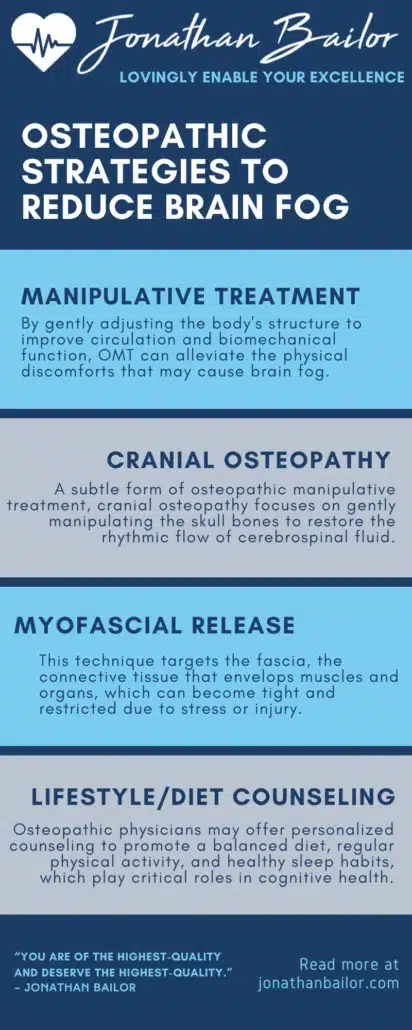
1. Osteopathic Manipulative Treatment (OMT)

This cornerstone of osteopathic care involves using hands-on techniques to diagnose, treat, and prevent illness or injury. By gently adjusting the body’s structure to improve circulation and biomechanical function, OMT can alleviate the physical discomforts that may contribute to mental fog.

This treatment is particularly beneficial for relieving tension headaches, neck pain, and stress, all of which can cloud cognitive function and impair mental clarity.

2. Cranial Osteopathy

A subtle form of osteopathic manipulative treatment, cranial osteopathy focuses on gently manipulating the skull bones to restore the rhythmic flow of cerebrospinal fluid. This technique is believed to relieve brain and spinal cord stress, enhancing mental clarity and emotional well-being.

Patients often report a sense of deep relaxation and improved focus following treatment, suggesting a link between cranial balance and cognitive health.

3. Myofascial Release

This technique targets the fascia, the connective tissue that envelops muscles and organs, which can become tight and restricted due to stress, injury, or poor posture. Osteopathic physicians can release these restrictions by applying gentle, sustained pressure to myofascial connective tissue, improving blood flow and lymphatic drainage.

Enhanced circulation can then support better nutrient delivery and toxin removal from the brain, potentially clearing the way for sharper mental function.

4. Lifestyle and Dietary Counseling

Osteopathic physicians recognize the importance of lifestyle factors in maintaining mental clarity. They may offer personalized counseling to promote a balanced diet, regular physical activity, and healthy sleep habits, all of which play critical roles in cognitive health.

Advice on hydration, nutritional supplements, and stress-reduction techniques further support the body’s ability to heal from within, offering a solid foundation for mental acuity and resilience.

Through these osteopathic interventions, the path to mental clarity becomes a journey of holistic healing, where the goal is not merely to treat symptoms but to foster an environment within which the mind can thrive. Embracing these principles allows for a gentle unfolding of wellness, where each individual is met with compassion and care, guiding them toward a state of balanced health and clear, vibrant thinking.

As we explore these osteopathic pathways, let’s remember that the journey itself is an integral part of the healing process, leading us toward a life of clarity, purpose, and well-being.

Osteopathic Strategies to Reduce Brain Fog - Jonathan Bailor

Eastern Whispers: Ancient Wisdom for Modern Minds

In the quest for mental clarity and enhanced well-being, the ancient practices of Eastern and alternative medicine offer a treasure trove of wisdom and healing. These traditions, steeped in centuries of observation and practice, bring forth a holistic approach to health. Amidst the chaos of modern life, individuals can find solace and clarity by turning to these time-honored techniques.

Here, we explore a selection of Eastern and alternative medicine solutions, illuminating the path to a clearer mind and a harmonious state of being.

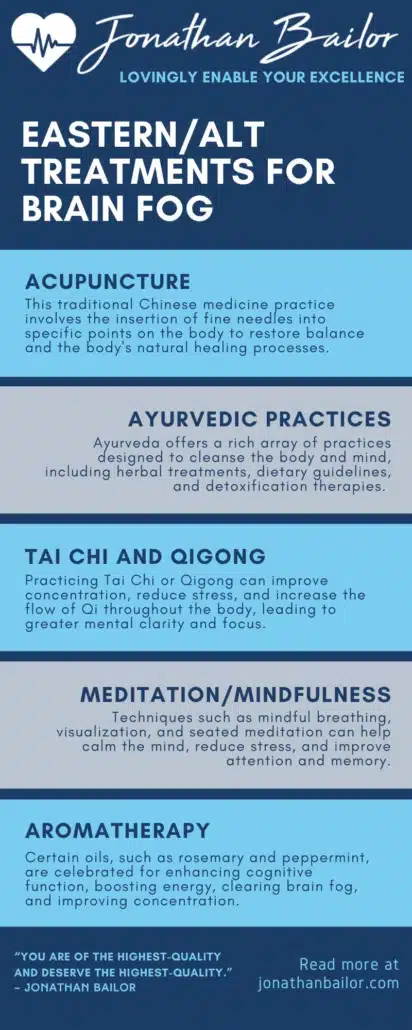
1. Acupuncture

This cornerstone of traditional Chinese medicine involves the insertion of fine needles into specific points on the body to restore balance and stimulate the body’s natural healing processes. Acupuncture is believed to enhance the flow of Qi (vital energy) and blood, clearing blockages contributing to mental fog and cognitive fatigue.

Patients often report a sense of calm, improved focus, and reduced stress following treatment, making it a valuable ally in pursuing mental clarity.

2. Ayurvedic Practices

Ayurveda, the ancient Indian system of medicine, offers a rich array of practices designed to cleanse the body and mind, including herbal treatments, dietary guidelines, and detoxification therapies. One such practice, Panchakarma, aims to purify the body of toxins that can cloud the mind.

By aligning with one’s constitutional type (Dosha) and incorporating Ayurvedic herbs like Brahmi, known for their cognitive-enhancing properties, individuals can foster a state of mental sharpness and overall well-being.

3. Tai Chi and Qigong

These gentle martial arts combine fluid movements with deep breathing and meditation to enhance physical and mental health. Practicing Tai Chi or Qigong can improve concentration, reduce stress, and increase the flow of Qi throughout the body, leading to greater mental clarity and focus.

The meditative aspect of these practices also promotes mindfulness, helping to clear the mental fog and enhance cognitive function.

4. Meditation and Mindfulness Practices

Rooted in Buddhist traditions, meditation and mindfulness practices are powerful tools for clearing the mind and enhancing cognitive abilities. Techniques such as mindful breathing, visualization, and seated meditation can help calm the mind, reduce stress, and improve attention and memory.

Regular practice creates a foundation for mental clarity, allowing individuals to navigate life’s challenges with greater ease and insight.

5. Aromatherapy

Aromatherapy uses the power of essential oils derived from plants to influence the mind and emotions through the sense of smell. Certain oils, such as rosemary and peppermint, are celebrated for enhancing cognitive function, boosting energy, and improving concentration.

Incorporating aromatherapy into daily routines can provide a simple yet effective means of dispelling brain fog and rejuvenating the mind.

By embracing these Eastern and alternative medicine solutions, one embarks on a journey back to the essence of well-being, where mental clarity and vitality are within reach.

Each practice, with its roots in ancient wisdom, offers a pathway to balance and harmony, reminding us that the key to a clear mind lies in the gentle embrace of nature’s rhythms and the timeless practices of cultures that have long understood the intricate dance of body, mind, and spirit.

Eastern Alt Treatments for Brain Fog - Jonathan Bailor

Unveiling Clarity: Frequently Asked Questions About Brain Health

Questions abound in the quest to handle maintaining optimal brain health. These inquiries, born out of a desire to understand and enhance the intricate workings of our minds, reflect a collective yearning for clarity, vitality, and resilience. Addressing these questions not only sheds light on the paths to improved cognitive function but also empowers us to make informed choices that support our mental well-being.

Here, we explore some of the most frequently asked questions about brain health, offering insights grounded in current understanding and research.

1. What are the best foods to eat for brain health?

The brain thrives on a diet rich in nutrients that support its function and protect against oxidative stress. Foods high in omega-3 fatty acids, such as fatty fish (salmon, mackerel, and sardines), are essential for maintaining the health of brain cell membranes. Consuming healthy fats is also crucial for cognitive function and overall health. Antioxidant-rich berries, leafy greens, and nuts, especially walnuts, are also beneficial for their anti-inflammatory properties and their role in cognitive function.

Incorporating these foods into your diet can support brain health and potentially reduce the risk of cognitive decline.

2. How does physical exercise impact brain health?

Physical exercise is a potent stimulant for brain health, promoting neurogenesis (the creation of new neurons) and increasing the volume of specific brain regions. Aerobic exercises, in particular, enhance blood flow to the brain, delivering oxygen and nutrients essential for its function. Regular physical activity is associated with improved memory, attention, and problem-solving abilities.

it stimulates the release of growth factors, chemicals that aid the health and maintenance of brain cells.

3. Can sleep quality affect cognitive function?

Absolutely. Sleep matters in brain health as a time for the brain to consolidate memories, remove toxins, and repair itself. Poor sleep quality or lack of sleep can cause memory loss and other cognitive impairments, such as reduced concentration and problem-solving skills.

Ensuring a regular sleep schedule and creating a restful environment can significantly improve sleep quality and, by extension, cognitive function.

4. Are there any mental exercises that can improve brain health?

Engaging in mental exercises that challenge and stimulate the brain can enhance cognitive reserve, the brain’s ability to improvise and find alternative ways of doing tasks. Activities like puzzles, learning a new language, playing a musical instrument, or practicing memory games can strengthen neural connections and promote new ones.

These activities improve specific skill areas and contribute to overall cognitive resilience and flexibility.

5. How does stress impact brain health, and what can be done to mitigate its effects?

Chronic stress exerts a significant toll on the brain, impairing cognitive function and increasing the risk of mental health disorders. It triggers the release of cortisol, which, at high levels, can damage brain cells and inhibit the formation of new ones.

Managing stress through mindfulness meditation, regular physical activity, deep breathing exercises, and engaging in hobbies can lower cortisol levels and protect the brain. Finding effective stress-relief techniques is crucial for maintaining cognitive health and overall well-being.

By exploring these questions and integrating this knowledge into daily life, the journey toward optimal brain health becomes a more navigable and enlightening path. Each step in nurturing the mind’s vitality brings us closer to a state of clarity and enhanced cognitive function, illuminating the way forward in our quest for mental well-being.

Embarking on a Journey of Clarity Together

As we conclude our exploration of pathways to enhance brain health and mental clarity, we invite you to share this journey with friends and family. We can collectively embrace a brighter, more focused future by spreading the word about the harmonious blend of traditional, osteopathic, naturopathic, and Eastern practices. Let this be a call to action for us all to support one another in achieving optimal mental well-being.

Share this guide across social media platforms and through email, inviting those you care about to join this significant journey. Let’s illuminate the path to a clearer mind and an enriched life for everyone.

Feeling Better Is Priceless, That's Why We Don't Put A Price On It!

“It’s Like A Free and Medically Valid Version of Noom and Weight Watchers Online”

~ Dr. Doctor Matthew Oleshiak, MD

Click the 'LEARN MORE' button below for free lifetime access to the fast fix program developed by Jonathan and top Ivy League Medical Doctors

LEARN MORE

P.S. It's not a free trial. It's not part of the program for free. The entire program is free, forever, for real! No credit card needed.
Clearing the Fog: 19 Techniques to Reduce Brain Fog Naturally

Dive into this essential Brain Health Guide with Jonathan Bailor and tap into to clearing the mental mist that clouds your days. Discover significant strategies and insights that promise not just to improve your memory but to enhance your overall cognitive function. Why let moments of forgetfulness or the vexing veil of brain fog hold you back from living your life to the fullest?

Ever find yourself walking into a room and forgetting why? Or staring at a grocery list and drawing a blank on what comes next? It’s like a cloud descends over your thoughts, making it hard to see clearly. This experience, often described as “brain fog,” isn’t just frustrating, it can significantly impact our daily lives and brain functions, from work to personal relationships.

But here’s some uplifting news: There are natural ways to disperse that fog, enhancing your mental clarity and focus without relying on medications or complex treatments. Imagine waking up to a mind as clear as the sky on a sunny day, ready to tackle your to-do list with precision and enthusiasm. It goes beyond a dream, it’s entirely possible with some simple yet effective techniques.

Whether it’s tweaking your diet to include certain fog-clearing foods or excluding certain fog-inducing ones, engaging in specific types of physical activity that oxygenate your brain just the right way, or adopting mindfulness practices that train your brain to dismiss the haze and embrace clarity, there are myriad ways to reclaim your sharpness of mind.

And the beauty of these techniques? They’re accessible to everyone who may experience brain fog. You don’t need a degree to understand them or be of a certain age to reap their benefits. They’re grounded in the kind of wisdom that feels intuitive, almost as if by adopting them, you’re returning to a more natural state of being, a state where mental clarity is your natural right.

This blog post is an invitation to step into that clarity. It’s an assurance that no matter where you find yourself on life’s journey, there are steps you can take today to clear the fog and see your path ahead with renewed vision.

So, let’s embark on this journey of discovery together and remember to share this knowledge with friends and family; who knows, it might just be the beacon of light they’ve been searching for.

Lifting the Haze: Lifestyle Tweaks to Combat Brain Fog

Navigating through the mist of brain fog can be challenging, yet knowing that the journey to end cloudy thinking doesn’t solely rely on what we eat, how much we move, or our meditation practices is comforting. A broader spectrum of lifestyle adjustments can significantly impact our mental fog, acting as gentle breezes that help disperse the clouds obstructing our mental sunshine. These changes are simple to integrate into our daily lives, offering a holistic approach to enhancing mental clarity and improving cognitive performance.

Let’s explore a few lifestyle changes that can help lift the haze.

1. Optimize Your Sleep Environment

A restful night’s sleep is foundational for cognitive function. Sleep deprivation can give you that foggy feeling, trouble concentrating, cognitive difficulties, and more. Consider your bedroom a sleep sanctuary. Ensure it’s cool, quiet, and dark, inviting the peace needed for deep rest. Investing in a comfortable mattress and pillows can transform your sleep quality, directly influencing how clear-headed you feel the next day.

Remember, it’s not just the quantity of sleep that matters, but the quality, too.

2. Establish a Regular Sleep Schedule

Consistency is key sleep. Going to bed and waking up at the same time every day sets your body’s internal clock to expect rest and wakefulness at certain hours, enhancing the quality of your sleep. This regularity can significantly diminish brain fog, positively affect cognitive function, and relieve memory problems, as a well-rested brain is more alert and focused.

Viewing sleep as a non-negotiable part of your day can change the game for your mental clarity.

3. Hydration

Drinking enough water is crucial for overall brain health and function. Dehydration can cause brain fog, reducing focus and memory. It can result in poor concentration.

Aim to drink at least eight glasses of water a day, more if you’re active or live in a hot climate. Think of water as the elixir of clarity; staying hydrated directly supports your brain’s ability to function optimally.

4. Limit Screen Time Before Bed

The blue light from screens can disrupt sleep quality and duration. Implement a digital curfew an hour before bed, opting for relaxing activities like reading a book or listening to soothing music instead.

This habit can aid in achieving deeper sleep states, which refresh and clear the mind, preparing it for the next day’s challenges.

5. Create a Stress-Relief Routine

Chronic stress is a significant contributor to brain fog. Discovering ways to effectively manage stress is essential. This might mean adopting a hobby, spending time in nature, or engaging in relaxation techniques such as deep breathing exercises or yoga.

A mind unburdened by stress is more capable of sharp, clear thought, and dedicating time to stress relief can profoundly affect your mental clarity.

Each lifestyle change offers a step towards a clearer, more focused mind. By integrating these practices into your daily routine, you’re not just clearing the fog; you’re illuminating a path to a brighter, more vibrant cognitive landscape.

Sharing these steps can help others find their way through the haze, fostering a community where mental clarity is within everyone’s reach.

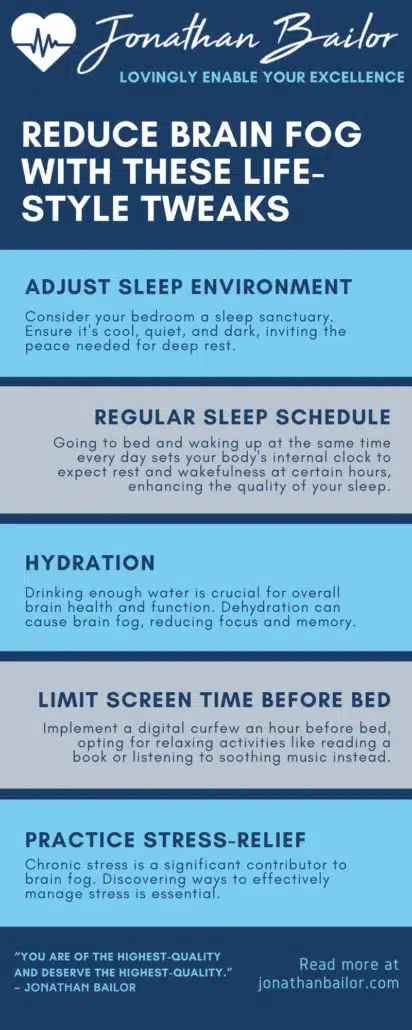
Reduce Brain Fog with These Lifestyle Tweaks - Jonathan Bailor

Feeling Better Is Priceless, That's Why We Don't Put A Price On It!

“It’s Like A Free and Medically Valid Version of Noom and Weight Watchers Online”

~ Dr. Doctor Matthew Oleshiak, MD

Click the 'LEARN MORE' button below for free lifetime access to the fast fix program developed by Jonathan and top Ivy League Medical Doctors

LEARN MORE

P.S. It's not a free trial. It's not part of the program for free. The entire program is free, forever, for real! No credit card needed.
Nourishing the Mind: Diet Changes to Clear Brain Fog

Embarking on a journey to clear brain fog doesn’t just involve adjusting how we live but also closely examining what we nourish our bodies with. The foods we choose to consume play a important role in either dispersing or contributing to the mental haze we experience, including the brain fog from conditions like chronic fatigue syndrome. Just as a garden thrives on the proper nutrients, our brains flourish when fed a healthy diet with foods that support mental clarity.

Here are some dietary adjustments to consider, focusing on enhancing cognitive function and lifting the fog that can sometimes cloud our thoughts. Each suggestion is rooted in the principle that what feeds the body also feeds the mind, paving the way for a clearer, more vibrant mental landscape.

1. Increase Omega-3 Fatty Acids

Foods rich in omega-3 fatty acids, such as fatty fish (salmon, mackerel, and sardines), flaxseeds, chia seeds, and walnuts, support brain health. These essential fats are vital for maintaining the integrity of brain cells and facilitating communication between them.

Incorporating omega-3-rich foods into your diet can help enhance memory, mood, and mental clarity, acting as a natural antidote to brain fog.

2. Incorporate Antioxidant-Rich Foods

Antioxidants combat oxidative stress, a culprit in brain fog. Brightly colored fruits and vegetables, such as berries, leafy greens, beets, and bell peppers, are packed with antioxidants that protect brain cells from damage.

Regularly including these colorful foods in your meals can support brain health and clear the path for sharper cognition.

3. Stay Hydrated with Brain-Boosting Beverages

Beyond water, certain beverages can contribute to mental clarity. Green tea, for instance, contains both caffeine and L-theanine, which together can improve focus and reduce anxiety. Herbal teas like peppermint or rosemary are also beneficial, offering antioxidant properties without caffeine.

Hydrating with these brain-boosting beverages can gently lift your mental state.

4. Moderate Caffeine Intake

While caffeine is a known mental sharpener, moderation is key. Excessive caffeine can lead to increased anxiety and restlessness, contributing to brain fog.

Enjoying a morning cup of coffee or tea can awaken your senses and sharpen your focus, but keeping your caffeine intake in check ensures that this stimulant works for you, not against you.

5. Include Probiotic-Rich Foods

Gut health is closely linked to brain health due to the gut-brain axis. Foods rich in probiotics, such as yogurt (without added sugars), kefir, sauerkraut, and kombucha, support a healthy gut microbiome, which in turn can influence mood and cognitive function.

Regular consumption of probiotic-rich foods may aid in clearing mental fog by fostering a healthy digestive system.

6. Minimize Sugar and Processed Foods

High sugar intake and processed foods can lead to fluctuations in blood sugar levels, contributing to brain fog and mood swings. Focusing on whole, unprocessed foods and moderating sugar consumption can stabilize energy levels and support overall brain function.

Consider natural sweeteners like stevia or monk fruit as alternatives when a touch of sweetness is desired.

By making these dietary changes, you’re not just feeding your body; you’re also nourishing your brain, setting the stage for clearer thinking and improved mental agility.

As you adjust your diet to embrace these brain-boosting foods, you may find the fog lifting, revealing a sharper, more focused you ready to face the challenges and joys each day brings.

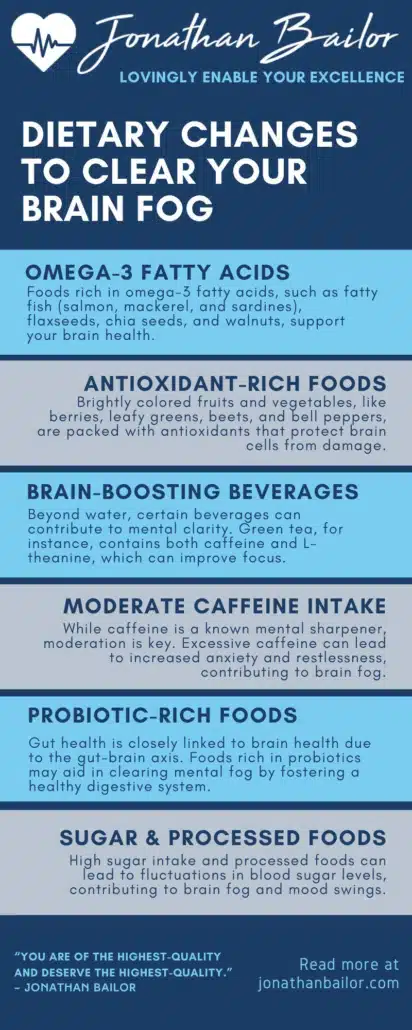
Dietary Changes to Clear Your Brain Fog - Jonathan Bailor

Energizing the Mind: Physical Activities to Combat Brain Fog

While nourishing the mind and body through diet and lifestyle adjustments forms the foundation for combating brain fog, incorporating specific physical activities into our routine can significantly enhance our mental clarity. These activities are not just about moving the body but also about engaging the mind in ways that foster focus, reduce stress, and stimulate cognitive function. The beauty of these physical activities is their simplicity and accessibility, making them easy to weave into the fabric of our daily lives.

Let’s explore some physical activities that can help lift the veil of brain fog, illuminating a path to improved mental acuity and overall well-being.

1. Brisk Walking in Nature

Regular brisk walks, especially in natural settings like parks or trails, can do wonders for mental clarity. Combining physical exercise and being in nature can reduce stress levels, improve mood, and enhance cognitive function.

Aim for a daily walk, allowing the rhythmic steps and fresh air to clear your mind and invigorate your senses.

2. Yoga

Yoga is a powerful tool for enhancing mental clarity through its combination of movement, breathing exercises, and meditation. Yoga helps reduce stress, improves blood flow to the brain, and increases overall body awareness.

Engaging in yoga sessions a few times a week can help sharpen focus, improve memory, and dissipate the fog clouding the mind.

3. Strength Training

Regular strength training exercises, performed two to three times a week, can improve cognitive function by increasing blood flow to the brain and promoting the growth of new brain cells.

Focus on compound movements that engage multiple muscle groups, such as squats, lunges, and push-ups. These exercises not only build physical strength but also challenge the brain, keeping it sharp and clear.

4. Tai Chi

This gentle form of martial arts is known for its health benefits, including improving mental clarity. The slow, deliberate movements of Tai Chi, combined with deep breathing and mental concentration, can help reduce stress, enhance focus, and clear brain fog.

Practicing Tai Chi regularly can provide a peaceful yet powerful way to rejuvenate the mind and body.

Integrating these physical activities into your daily or weekly routine can create a powerful synergy that helps lift brain fog and enhance mental clarity. Each activity offers a unique blend of benefits that contribute to a sharper, more focused mind capable of easily daily life.

By moving your body, you’re not just enhancing your physical health but also clearing the path for a brighter, clearer mental landscape.

Physical Activities to Relieve Brain Fog - Jonathan Bailor

Illuminating the Path: Mental and Spiritual Practices to Clear Brain Fog

In our quest to clear the mist of brain fog, we’ve explored the impact of diet, lifestyle, and physical activity. Yet, there’s another dimension equally crucial in our journey toward mental clarity: our mental and spiritual well-being.

These practices looks at the depths of our consciousness, addressing the fog from within by fostering inner peace, enhancing focus, and nurturing a positive mindset. Integrating mental and spiritual practices into our daily routines offers a holistic approach to dissipating brain fog, illuminating a path to a clearer, more vibrant mental state.

Let’s explore four significant mental and spiritual changes that can significantly enhance our cognitive clarity.

1. Mindfulness Meditation

Mindfulness meditation is a powerful tool for enhancing mental clarity. By focusing on the present moment and observing thoughts and feelings without judgment, we can train our minds to be more attuned and less distracted. Regular practice can reduce stress, improve attention, and clear the mental clutter contributing to brain fog.

Allocating just a few minutes each day to mindfulness meditation can open the door to a more focused and clear-minded state of being.

2. Gratitude Journaling

Cultivating a practice of gratitude can profoundly affect mental clarity and overall well-being. By taking time each day to reflect on and write down things you are thankful for, you shift your focus away from negative thoughts and towards positive experiences.

This practice can enhance mood, reduce stress, and foster a sense of peace and contentment, paving the way for clearer cognitive function.

3. Digital Detox

In our hyper-connected world, constant digital stimulation can contribute to mental overload and fog. Setting aside regular periods to disconnect from digital devices allows the mind to rest and recharge.

Whether it’s a few hours each day or a designated day of the week, a digital detox can reduce stress, enhance creativity, and improve mental clarity, offering a much-needed respite for the brain.

4. Guided Imagery

Engaging in guided imagery exercises can help reduce stress and clear brain fog by focusing the mind on peaceful and positive images. This practice involves visualizing a tranquil setting or scenario in great detail, using it as a mental escape to foster relaxation and mental clarity.

Incorporating guided imagery into your relaxation routine can help dissolve stress-induced fog, giving you a sense of calm and focused clarity.

By embracing these mental and spiritual practices, you’re not just clearing away the fog but lighting a path to a more mindful, serene, and clear state of being. Each practice offers a unique way to nurture the mind and spirit, contributing to a holistic approach to overcoming brain fog and enhancing mental clarity.

As you incorporate these practices into your life, you may find that the path through the fog becomes more illuminated, guiding you toward a state of mental vibrancy and clarity.

Mental Spiritual Practices to Clear Brain Fog - Jonathan Bailor

FAQs on Enhancing Brain Health Naturally

Many questions arise in our journey toward achieving a clearer mind and enhancing our brain health. Navigating these queries with insightful, evidence-based responses is essential to empower us to make informed decisions about our mental well-being.

Here are answers to some frequently asked questions about natural ways to support and improve brain health.

1. Can sleep really affect my brain health?

Absolutely. Sleep is not just a period of rest for the body but also a critical time for the brain to consolidate memories, process information, and repair itself. A consistent lack of quality sleep can lead to decreased cognitive function, impaired memory, and a higher risk of developing neurological disorders.

Ensuring a regular sleep schedule and creating a restful environment can significantly improve brain health and cognitive clarity.

2. How does physical exercise benefit my brain?

Physical exercise is like a tonic for the brain. It increases blood flow to the brain, which brings oxygen and nutrients vital for its function. Regular exercise also stimulates the production of neurotrophic factors, which support the growth and survival of neurons, enhancing brain plasticity. This can improve cognitive functions such as problem-solving, memory, and attention.

exercise reduces stress levels, indirectly benefiting brain health by lowering the risk of stress-related cognitive decline.

3. Are there specific foods known to improve brain health?

Yes, certain foods have been identified as beneficial for brain health. Foods rich in omega-3 fatty acids, such as fatty fish, flaxseeds, and walnuts, support brain cell structure and function. Antioxidant-rich foods, like berries, leafy greens, and nuts, protect the brain from oxidative stress.

Foods high in vitamins E and C and those containing flavonoids also contribute to brain health by reducing inflammation and supporting overall brain function.

4. Can mental exercises or games improve my brain health?

Engaging in mental exercises or brain games can stimulate cognitive functions and enhance mental agility. Activities such as puzzles, crosswords, chess, and memory games challenge the brain, keeping it active and engaged. These activities can improve aspects of cognitive function, such as memory, attention, and problem-solving skills.

However, combining these mental exercises with physical activity, proper nutrition, and adequate sleep for overall brain health is important.

5. Does stress have a long-term impact on brain health?

Chronic stress can indeed have a detrimental effect on brain health. Prolonged exposure to stress hormones like cortisol can damage brain cells and inhibit the growth of new neurons, particularly in areas of the brain associated with memory and emotional regulation.

Finding effective stress management techniques, such as mindfulness meditation, yoga, or deep-breathing exercises, can help mitigate these effects and protect your brain health over the long term.

Addressing these questions is a step toward understanding how our daily choices and habits can significantly impact our brain health. By incorporating informed practices into our lifestyle, we can nurture our brains.

A Clearer Tomorrow: Embracing Brain Health Together

As we conclude our exploration of the natural avenues for enhancing brain health, remember that the journey to mental clarity doesn’t have to be walked alone. We can all step into a brighter, more focused future together by sharing these insights with friends and family.

Whether it’s through diet, physical activity, mental exercises, or fostering our spiritual well-being, each step taken is a stride toward a life marked by enhanced cognition and overall well-being.

Let’s spread the word on social media and email, inviting those we care about to join us in this significant journey to a clearer tomorrow.

Feeling Better Is Priceless, That's Why We Don't Put A Price On It!

“It’s Like A Free and Medically Valid Version of Noom and Weight Watchers Online”

~ Dr. Doctor Matthew Oleshiak, MD

Click the 'LEARN MORE' button below for free lifetime access to the fast fix program developed by Jonathan and top Ivy League Medical Doctors

LEARN MORE

P.S. It's not a free trial. It's not part of the program for free. The entire program is free, forever, for real! No credit card needed.
12 Essential Brain Exercises for Enhanced Memory and Sharpness

In the quest for a vibrant and youthful essence, nurturing the mind is just as crucial as caring for the body. Here are some brain exercises for exceptional cognitive function in the Brain Health Guide by Jonathan Bailor!

Imagine unlocking the potential to enhance cognitive function, memory, and overall brain health with simple yet powerful exercises. The mind, a wondrous entity, thrives on challenge, engagement, and stimulation. It’s never too late to journey towards a sharper, more intelligent brain.

This exploration into brain health isn’t just about warding off forgetfulness or enhancing memory recall; it’s a pathway to enriching life’s experiences, making every moment count, and connecting more deeply with loved ones. Picture a daily routine where enhancing mental agility becomes a joyful and fulfilling part of life. From puzzles that tease the intellect to activities that foster creativity, the spectrum of exercises designed to boost brain function is both vast and intriguing.

The beauty of embarking on this cerebral enhancement journey is that it doesn’t require special equipment or a significant time investment. Small, consistent efforts can lead to profound changes, impacting everything from problem-solving skills to the ability to enjoy conversations and stories.

Imagine impressing family and friends with a quick wit, a vast reservoir of knowledge, and the ability to recall precious memories quickly. These are not just dreams but attainable goals, thanks to the significant power of dedicated brain exercises.

This guide to brain exercises is crafted to be your companion in unlocking a more vibrant, engaged, and intellectually fulfilling life. Each exercise is designed with simplicity and effectiveness. Whether it’s to enhance daily life, stay connected with family and friends, or enjoy the richness of a well-nourished mind, these exercises are a step towards realizing those aspirations.

When we share our journey towards improving our brain health with others, we create a sense of community and happiness. It is wonderful to connect with like-minded individuals who are also striving to achieve better brain health. It’s a beautiful opportunity to connect, grow, and thrive together. So, embark on this adventure towards a sharper, smarter brain, and let the ripple effect of your actions inspire those around you. After all, a mind that keeps learning, engaging, and exploring is a mind that lives fully.

The Essence of Brain Exercises: Cultivating Cognitive Strength

Brain exercises are thoughtfully designed activities that challenge cognitive ability, much like physical exercises challenge and strengthen the body. These mental workouts, aka cognitive training, are crucial for maintaining and enhancing cognitive functions such as memory, attention, problem-solving, and flexibility in thinking. As we age, our brain, like any other part of our body, can show signs of wear and tear. Engaging in brain exercises helps counteract this natural decline, supporting a healthy brain and keeping the mind agile and sharp.

Why are they necessary, one might wonder? The answer lies in the brain’s remarkable ability to grow and adapt, a phenomenon known as neuroplasticity. Just as a garden thrives with regular care and new seeds, the brain flourishes when nurtured with stimulating activities. Regular mental workouts ensure the growth of new neural pathways and the strengthening of existing ones, enhancing the brain’s resilience against age-related cognitive decline, like mild cognitive impairment, and even conditions like Alzheimer’s.

brain exercises are not just about preventing decline; they’re about enriching the quality of life at any age. They enhance the ability to learn new skills, enjoy deeper conversations, and appreciate life’s nuances more fully. Whether mastering a new language, conquering a complex puzzle, or simply adopting a new hobby, these activities extend beyond mere entertainment, they’re an investment in your mental wealth.

In essence, brain exercises are a vital component of a holistic approach to health. They underscore the truth that mental fitness, much like physical fitness, is not a luxury but a necessity for a full, vibrant life.

Nurturing Mental Agility: 12 Effective Brain Exercises for Enhanced Cognitive Function

Embarking on a journey to sharpen the mind and enhance cognitive abilities is akin to setting sail towards uncharted territories, with each exercise acting as a compass guiding toward intellectual growth and mental agility.

The following twelve brain exercises are your map to a realm of improved memory, sharper focus, and a resilient mind. Each activity is designed not just to challenge the brain but to infuse daily routines with moments of learning, creativity, and joy. From puzzles that untangle the intricacies of logic to tasks that foster creative expression, these exercises are proof of the brain’s capacity to evolve, adapt, and thrive.

1. Crossword Puzzles: The Classic Brain Booster

Crossword puzzles are not just a leisurely pastime but a potent tool for brain health. Engaging with words, deducing clues, and expanding vocabulary, crosswords stimulate the language and memory areas of the brain. Recalling specific words strengthens neural pathways, making this exercise an excellent way to keep the mind sharp and agile.

the satisfaction of solving a puzzle boosts mood, adding a layer of emotional well-being to cognitive benefits.

2. Math Problems: Numerical Nourishment for the Brain

Solving math problems is like weightlifting for the brain. It requires concentration, logical reasoning, and the application of mathematical concepts, engaging multiple areas of the brain. Whether simple arithmetic or more complex equations, tackling math problems enhances problem-solving skills and analytical thinking.

This exercise not only keeps the numerical skills polished but also encourages a methodical approach to challenges encountered in daily life.

3. Learning a New Language: A Multifaceted Mental Workout

The process of learning a new language is a complete brain exercise. It involves memorizing vocabulary, understanding grammar, and practicing pronunciation, which activate various brain parts. This multifaceted stimulation improves cognitive functions and working memory, enhances problem-solving abilities, and contributes to better multitasking skills.

Also, mastering a new language opens doors to new cultures and experiences, enriching life profoundly.

4. Musical Instruments: Harmonizing Brain Function

Playing a musical instrument is a symphony of cognitive and motor skills. It combines reading music, coordinating hand movements, and auditory processing. This harmonious activity strengthens the corpus callosum, the bridge between the brain’s hemispheres, enhancing creativity and problem-solving skills.

emotional expression through music adds a therapeutic dimension, reducing stress and enhancing mental health.

5. Jigsaw Puzzles: Piecing Together Cognitive Skills

Jigsaw puzzles are a tangible way to visualize problem-solving and spatial reasoning. Fitting pieces together requires attention to detail, patience, and a strategic approach. This exercise enhances visual-spatial reasoning, an essential skill in navigating daily life.

completing a puzzle provides a sense of achievement, boosting self-esteem and motivation.

6. Memory Games: Strengthening Recall and Focus

Memory games, with their simple premise of matching pairs or recalling sequences, are incredibly effective in enhancing short-term memory and concentration. These games challenge the brain to hold onto information temporarily and retrieve it, which, when practiced regularly, can significantly improve memory functions.

Also, they can be played in various forms, making them a versatile and enjoyable exercise for all ages.

Brain Exercises for Enhanced Cognitive Health Part 1 - Jonathan Bailor

Feeling Better Is Priceless, That's Why We Don't Put A Price On It!

“It’s Like A Free and Medically Valid Version of Noom and Weight Watchers Online”

~ Dr. Doctor Matthew Oleshiak, MD

Click the 'LEARN MORE' button below for free lifetime access to the fast fix program developed by Jonathan and top Ivy League Medical Doctors

LEARN MORE

P.S. It's not a free trial. It's not part of the program for free. The entire program is free, forever, for real! No credit card needed.
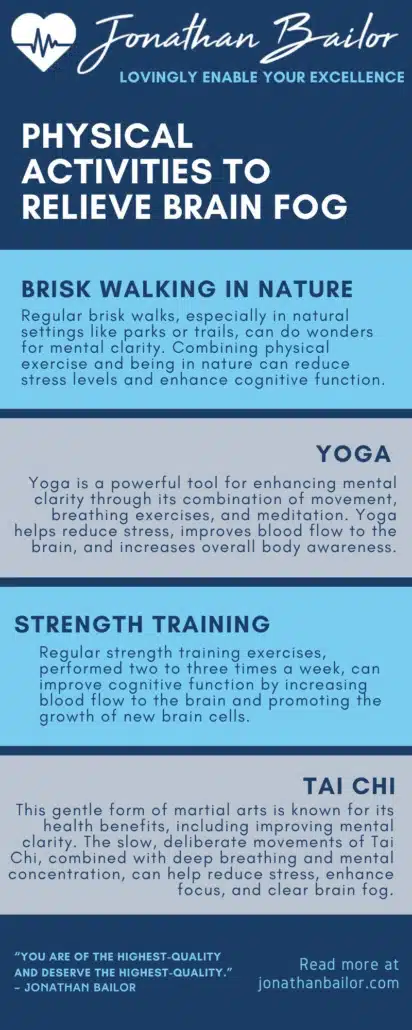
7. Creative Writing: Unleashing the Power of Imagination

Creative writing is a liberating exercise for the brain, encouraging the expression of thoughts, emotions, and ideas. It fosters imagination and creativity and can even enhance empathy by exploring different perspectives.

Writing also improves language skills and offers a therapeutic outlet for emotions, contributing to emotional well-being alongside cognitive development.

8. Brain-Training Apps: Technology-Enhanced Mental Fitness

Brain-training apps offer a wide range of exercises designed to improve various cognitive skills, including memory, attention, and problem-solving. These apps use algorithms to adapt the difficulty level to the user’s performance.

Engaging with these apps regularly can lead to improvements in cognitive function, and their accessibility makes them a convenient option for daily brain workouts.

9. Chess: The Strategic Mind’s Playground

Chess is not merely a game; it’s a complex exercise in strategy, foresight, and critical thinking. It requires players to anticipate opponents’ moves, plan ahead, and adapt strategies, engaging in deep analytical thought processes.

Regularly playing chess has been linked to improved memory, better problem-solving skills, and increased creativity.

10. Reading: Traveling Through the Mind’s Eye

Reading is a fundamental brain exercise that goes beyond mere word recognition. It involves imagination, comprehension, and critical thinking. Diving into different genres and topics broadens knowledge, stimulates empathy, and fosters an open-minded approach to life.

reading is a peaceful mental retreat, offering relaxation and stress reduction.

11. Mindful Meditation: Cultivating Cognitive Clarity

Mindful meditation is a practice of focused attention and awareness. It trains the brain to concentrate on the present moment, reducing wandering thoughts and enhancing concentration.

Regular meditation has been shown to decrease stress, improve memory, and increase grey matter density in the brain, which is associated with better cognitive function.

12. Handwriting Practice: The Art of Cognitive Coordination

Handwriting practice, especially in cursive, involves a unique combination of cognitive skills, including memory, motor coordination, and creativity. The act of forming letters and words without the aid of a keyboard engages the brain differently, improving hand-eye coordination and memory retention and even sparking creativity.

In an age dominated by digital communication, handwriting remains a valuable, brain-enhancing skill.

Each exercise embodies the principle that a healthy mind thrives on challenge, engagement, and novelty. Incorporating them into daily routines can pave the way to a life marked by sharper thinking, improved memory, and a resilient, vibrant mind.

Brain Exercises for Enhanced Cognitive Health Part 2 - Jonathan Bailor

Frequently Asked Questions: Unveiling the Mysteries of Brain Health

1. Can diet influence brain health?

Absolutely. A nutritious diet matters in brain health, akin to fueling a car with premium gasoline.

Foods rich in omega-3 fatty acids, such as salmon and walnuts, along with fruits, vegetables, and legumes, provide essential nutrients that support cognitive function and protect against cognitive decline.

Incorporating these foods into daily meals can enhance memory, focus, and overall brain well-being.

2. How does sleep impact cognitive functions?

Sleep is the cornerstone of cognitive health. During deep sleep, the brain consolidates memories, processes information from the day, and rejuvenates itself.

Lack of sleep, on the other hand, can impair attention, creativity, problem-solving skills, and decision-making.

Ensuring a regular sleep schedule and adequate sleep each night is crucial for maintaining sharp cognitive functions and emotional balance.

3. Does physical exercise really improve brain health?

physical exercise is as beneficial for the brain as it is for the body.

Regular physical activity boosts blood flow to the brain, which helps nourish brain cells with oxygen and nutrients. Exercise also stimulates the production of neurotrophic factors, which support neuron growth and protect against age-related brain degeneration.

Activities like walking, swimming, or yoga can significantly contribute to cognitive health and mental agility.

4. Are social interactions important for maintaining brain health?

Social interactions are vital for brain health, acting as a workout for the brain by engaging multiple cognitive processes, including listening, thinking, and responding.

Engaging in social activities and maintaining meaningful relationships can help reduce stress, ward off depression, and keep the mind sharp and alert.

Social connections foster a sense of belonging and contribute to emotional well-being, which, in turn, supports cognitive health.

5. Can mental exercises prevent cognitive decline as we age?

Mental exercise can help slow down or even prevent cognitive decline.

Just as physical exercise strengthens the body, mental workouts such as puzzles, learning new skills, or engaging in hobbies challenge the brain, keeping it active and resilient.

Regular mental stimulation promotes neuroplasticity, the brain’s ability to form new neural connections, enhancing cognitive reserve and flexibility throughout life.

4 Ways That Sleep Helps Improve Brain Function - Jonathan Bailor

Embarking on a Journey to a Sharper Mind

In this exploration of brain health, we’ve traversed the landscape of exercises designed to enrich cognitive function and enhance the vibrancy of our mental faculties. Each activity is a beacon, guiding us toward a future where our minds remain as agile and resilient as our bodies.

Now, it’s time to share this journey with others. Spread the word to friends and family across all social media platforms and through email. Together, let’s embrace the challenge of nurturing our brains, fostering connections that span across miles, and building a community committed to lifelong learning and mental agility.

Feeling Better Is Priceless, That's Why We Don't Put A Price On It!

“It’s Like A Free and Medically Valid Version of Noom and Weight Watchers Online”

~ Dr. Doctor Matthew Oleshiak, MD

Click the 'LEARN MORE' button below for free lifetime access to the fast fix program developed by Jonathan and top Ivy League Medical Doctors

LEARN MORE

P.S. It's not a free trial. It's not part of the program for free. The entire program is free, forever, for real! No credit card needed.
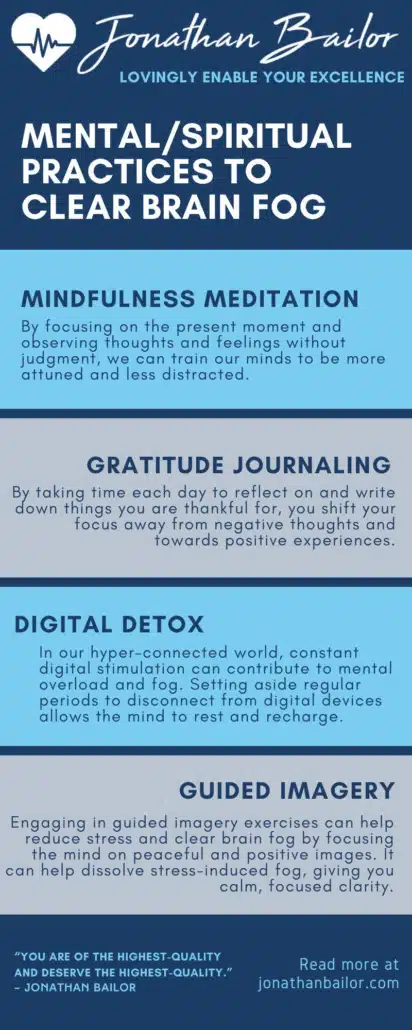
7 Best Hobbies for Brain Health

Here are 7 of the best hobbies for brain health you probably didn’t know about until right now in this brain health guide with Jonathan Bailor.

Finding peace and enhancing our brain health might seem like a distant dream in a world constantly buzzing with information. But what if the secret to a vibrant mind lies in the simple pleasures of hobbies? Engaging in activities that feed the soul and challenge the brain isn’t just a delightful way to spend time; it’s a vital ingredient in maintaining cognitive vitality and mental health, especially as we journey through life’s later chapters.

If you enjoy brain health as much as we do make sure to check out our 28 Daily Habits to Support Long-Term Brain Health at Every Stage and 14 Brain Foods to Improve Memory and Focus guides next!

Hobbies are more than mere pastimes; they are gateways to mental rejuvenation. Each hobby weaves its own unique spell, fostering new neural connections, leading to increased brain plasticity, enhanced memory, and even warding off age-related cognitive decline. Essentially, hobbies increase your mental abilities. Imagine each activity as a loving caretaker of your brain, gently nurturing it to flourish and thrive.

The beauty of hobbies is their universality. Regardless of age or background, there’s a hobby that resonates with everyone. They are the unseen threads connecting us, fostering a sense of community and shared joy. When we indulge in these activities, we’re not just keeping the brain sharp; we’re participating in a shared human experience that transcends boundaries.

Sharing these experiences becomes an act of love and care. When you discover a hobby that lights up your world, it’s natural to want to spread that joy. Sharing your experiences through email or social media becomes more than just a post; it’s an invitation to your friends and family to embark on their journey of discovery and brain health.

Embracing hobbies for brain health is not just a solitary pursuit but a communal one. Each shared story, each recommendation becomes a beacon of hope and encouragement, inspiring others to explore and find their own paths to mental wellness. By sharing, you’re not just spreading information; you are cultivating a community of individuals with shared values of mental well-being and the joy of discovery.

As we jump into the world of hobbies for brain health, remember that this journey is as diverse as it is enriching. Each hobby offers a unique perspective and benefit, catering to different interests and abilities. The exploration is endless, and the rewards are immense. The magic of these hobbies lies not just in the activities themselves but in the shared experience and the joy of discovery that they bring. Let’s embark on this journey together, exploring the myriad ways hobbies can enhance our brain health and enrich our lives.

Brain Changes the Occur When Participating in Certain Hobbies - Jonathan Bailor

Feeling Better Is Priceless, That's Why We Don't Put A Price On It!

“It’s Like A Free and Medically Valid Version of Noom and Weight Watchers Online”

~ Dr. Doctor Matthew Oleshiak, MD

Click the 'LEARN MORE' button below for free lifetime access to the fast fix program developed by Jonathan and top Ivy League Medical Doctors

LEARN MORE

P.S. It's not a free trial. It's not part of the program for free. The entire program is free, forever, for real! No credit card needed.
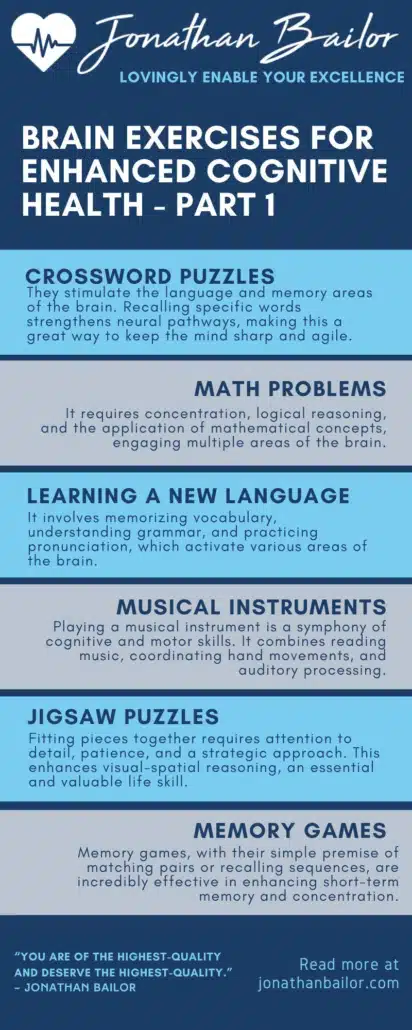
Nurturing the Mind: Top Hobbies for Enhanced Brain Health

Embarking on a journey to bolster brain health through hobbies is not only a fulfilling endeavor but also a significant one. Each hobby, like that of a skilled artisan, shapes and fortifies the mind in its own unique way. They are not just activities but pathways to a richer, more resilient cognitive landscape. Let’s explore the diverse realms of hobbies that offer both enjoyment and profound cognitive benefits.

1. Gardening: Cultivating Mindfulness and Growth

Gardening is a serene dance with nature, a process that nurtures not just plants but our brains as well. As hands push into the soil, they not only plant seeds but also sow the seeds of mental clarity and stress reduction. The rhythmic nature of gardening activities, from watering to weeding, fosters a unique form of mindfulness that calms the mind.

It’s a holistic activity, blending physical exercise with sensory stimulation, which enhances fine motor skills and fosters new neural connections. The gratification of watching something grow from your efforts provides a profound sense of accomplishment, providing better mental health, boosting self-esteem, and combating symptoms of depression.

2. Playing Musical Instruments: Orchestrating Cognitive Symphony

Learning to play a musical instrument is similar to conducting a symphony within the brain. It’s a complex, enriching experience that demands coordination, concentration, and creativity. Playing musical instruments fosters better memory and reading skills, as it involves deciphering notes and rhythms.

It enhances hand-eye coordination and fine motor skills, engaging both hemispheres of the brain in a harmonious cognitive workout. For older adults, playing music can be a beacon for maintaining cognitive sharpness and even delaying the onset of dementia.

3. Puzzles and Board Games: Strategic Play for Mental Acuity

Engaging in puzzles and board games is like setting off on a thrilling adventure in the realm of strategic thinking and problem-solving. These activities are cerebral workouts, enhancing cognitive functions such as memory, concentration, and problem-solving skills.

They offer a playful yet effective way to slow cognitive decline and enhance mental flexibility. Engaging in these games with others also provides social interaction, which is crucial for mental well-being, and keeps loneliness and depression at bay.

4. Reading and Writing: Voyages in Creative Expression

Immersing oneself in the world of books and writing is akin to embarking on a journey of endless discovery and creativity. Reading exposes the brain to new ideas and perspectives, enhancing empathy and emotional intelligence. It’s a mental escapade that improves vocabulary, memory, and focus.

Writing, on the other hand, is a therapeutic and expressive outlet. It allows for the articulation of thoughts and emotions, fostering a deeper understanding of oneself and enhancing cognitive skills.

5. Yoga and Meditation: Harmonizing Mind and Body

Yoga and meditation are the twin pillars supporting a balanced and mindful existence. They are practices that connect the mind and body, fostering a state of tranquility and focus. Regular practice of yoga and meditation has been proven to effectively reduce stress and anxiety levels, improve attention, and even enhance brain function related to memory and information processing.

These practices provide a serene retreat from the hustle of daily life, promoting overall cognitive health.

6. Cooking and Baking: The Art of Culinary Creation

Cooking and baking are not just about preparing meals; they’re an art that stimulates the brain in multifaceted ways. Following recipes enhances reading and comprehension skills while measuring ingredients improves mathematical acuity.

The creative aspect of experimenting with flavors and textures boosts cognitive creativity and flexibility. Cooking is also a sensory-rich activity, engaging sight, smell, taste, and touch, which stimulates different areas of the brain.

7. Language Learning: Expanding Cognitive Horizons

Diving into the world of new languages is a strong exercise for the brain. Learning a new language challenges the mind to recognize, understand, and communicate in new ways, enhancing cognitive flexibility and problem-solving skills.

Language learning is known to improve memory, attention, and even multitasking abilities. It’s a journey that forges new neural pathways, not only expanding linguistic skills but also fostering an appreciation of different cultures, enriching the mind on multiple levels.

Incorporating these hobbies into our daily lives is a journey towards a healthier, more stimulated brain. They are not mere activities but lifelines to cognitive vitality and mental well-being.

As we engage in these hobbies, we weave a mix of enriched neural pathways.

The 7 Best Hobbies for Brain Health - Jonathan Bailor

Essential FAQs on Nurturing Your Brain Health

1. What are the primary factors that affect brain health?

A combination of lifestyle choices and environmental factors influences brain health. A nutritious diet, regular physical activity, mental stimulation, adequate sleep, and stress management play important roles. Also, social engagement and emotional well-being significantly impact cognitive health.

Avoiding harmful habits like smoking and excessive alcohol consumption is also crucial for maintaining a healthy brain.

2. Can dietary choices improve cognitive function and prevent decline?

Yes, dietary choices have a profound impact on brain health.Eating foods that are high in antioxidants, good fats, vitamins, and minerals can give you energy and also help protect your brain from diseases.

Consuming a balanced diet with a focus on fruits, vegetables, fish, nuts, unsaturated oils, and plant sources of proteins can enhance cognitive function and may reduce the risk of cognitive decline.

3. How does physical exercise contribute to brain health?

Physical exercise is not just beneficial for the body but also for the brain. Regular physical activity can help increase blood flow to the brain, which in turn can boost memory, enhance learning, and improve your mood. So why not make exercise a part of your daily routine and start reaping the benefits today?

Engaging in regular physical activity, especially aerobic exercises, can boost brain function and act as a buffer against cognitive decline.

4. What is the connection between sleep and brain health?

Quality sleep is critical for brain health. During sleep, the brain removes waste products, consolidates memories, and repairs itself. Inadequate or poor-quality sleep can impair cognitive abilities, affect decision-making, and increase the risk of neurological disorders.

Aim for regular, restful sleep to support overall brain function and health.

5. Can stress have a long-term impact on brain health?

Chronic stress can have a detrimental impact on the brain, affecting memory and learning. It can lead to inflammation and changes in brain structure and function, particularly in areas involved in mood and emotion regulation.

Managing stress through mindfulness practices, relaxation techniques, and maintaining a balanced lifestyle is vital for preserving brain health.

How Chronic Stress Negatively Affects the Brain - Jonathan Bailor

Embracing a Journey of Cognitive Wellness

As we close this chapter on enhancing overall brain health through enriching hobbies and lifestyle practices, let’s carry forward the spirit of cognitive wellness. Sharing this journey with friends and family isn’t just about passing on information; it’s about nurturing a community dedicated to mental vitality.

We encourage you to share these insights on social media platforms and via email. Let’s create ripples of awareness and inspire our loved ones to embark on their paths to healthier, more vibrant minds. Together, we can foster a world where brain health is a shared and cherished goal.

Feeling Better Is Priceless, That's Why We Don't Put A Price On It!

“It’s Like A Free and Medically Valid Version of Noom and Weight Watchers Online”

~ Dr. Doctor Matthew Oleshiak, MD

Click the 'LEARN MORE' button below for free lifetime access to the fast fix program developed by Jonathan and top Ivy League Medical Doctors

LEARN MORE

P.S. It's not a free trial. It's not part of the program for free. The entire program is free, forever, for real! No credit card needed.