Brain Health

10 Warning Signs of an Unhealthy Colon and What to Do About It

Embark on a significant journey into the depths of digestive wellness with this Colon Health Guide by Jonathan Bailor. In an era where wellness can sometimes fall by the wayside amidst our bustling lives, tuning into our body’s subtle signals is more crucial than ever. The colon, a linchpin in our digestive orchestra, matters not just in nutrient absorption and waste elimination but also as a habitat for our gut microbiome, a complex community of microorganisms that significantly influences our overall health.

Understanding the symbiotic relationship between a healthy colon and a balanced gut microbiome sheds light on why colon health is not just a matter of digestive comfort but a critical aspect of our immune function, mood regulation, and even disease prevention. It’s a dialogue between our body and the billions of microbes that reside within us, each affecting the other in profound ways.

This narrative is not solely about the avoidance of health pitfalls; it’s an invitation to a life filled with vitality, where understanding the whispers of an unhealthy gut and colon could be the key to unlocking unparalleled wellness. It’s about recognizing the signs, those subtle hints that something may be amiss in this delicate ecosystem, and knowing the steps to take towards nurturing not just the colon but the entire gut microbiome back to a state of balance and health.

This article is crafted to be your beacon. It doesn’t end with identification; it arms you with practical, actionable strategies to rejuvenate your colon and microbiome health, integrating effortlessly into your lifestyle.

Sharing this treasure trove of knowledge isn’t just an act of kindness; it’s extending a lifeline of health and hope to those you care about. It transforms reading into an empowering journey, making this article ideal to share with friends and family. It’s a step towards prioritizing well-being and fostering a vibrant life that celebrates health at every turn. Begin this enlightening journey towards understanding and optimizing your colon and gut microbiome health today. Let this be your step towards a more joyful, health-filled tomorrow.

What is the Gut Microbiome?

The gut microbiome is a complex and dynamic ecosystem residing within the colon, home to trillions of microorganisms, including bacteria, viruses, fungi, and other microscopic life forms. This active community matters in our health, orchestrating a wide array of bodily functions beyond mere digestion. It’s at the heart of our immune system, serving as both a defender against pathogens and a facilitator of inflammation control.

the gut microbiome is a critical player in the synthesis of vitamins and the metabolism of bile acids and other compounds, directly influencing our nutrition and the way our body interacts with food. Its influence extends to our mental health through a gut-brain connection, aka the gut-brain axis, where it communicates with the central nervous system, potentially affecting our mood, stress levels, and even the quality of sleep. So, poor gut health negatively impacts many aspects of our health.

This intricate network is not static; it’s shaped by various factors, including diet, lifestyle, and environment. Understanding the gut microbiome isn’t just about knowing its constituents but also appreciating its profound impact on our well-being and the ways we can support this unseen ally in our quest for health.

Recognizing the signs of an unhealthy colon can be the first step in safeguarding this crucial aspect of our health.

10 Signs of an Unhealthy Colon

The colon, or large intestine, plays a critical role in our digestive process, water balance, and waste elimination. Its health is vital for our overall well-being, yet many of us overlook the signs that could indicate issues needing attention. Recognizing these signs early can be crucial to maintaining not just digestive health but our overall vitality.

1. Irregular Bowel Movements

Consistency in our bowel habits is a key indicator of colon health. Constipation or diarrhea that becomes a regular occurrence might signal an imbalance or obstruction in the colon, suggesting the need for dietary changes or a consultation with a healthcare professional.

2. Persistent Abdominal Discomfort

Frequent cramps, bloating, or abdominal pain can indicate distress in the colon. These symptoms can arise from gas buildup, inflammation, or more serious conditions that disrupt the normal function of the colon.

3. Blood in Stool

Noticing blood in your stool is a sign that should never be ignored. While it might be from hemorrhoids, it could also indicate more serious conditions like polyps, colitis, or colorectal cancer, necessitating immediate medical attention.

4. Unexplained Weight Loss

Losing weight without making changes to your diet or exercise routine can be a sign of colon or other health issues. It may indicate malabsorption or a more serious condition affecting the colon’s ability to process and eliminate waste.

5. Changes in Stool Consistency

Your stool’s consistency can tell a lot about your colon’s health. A bowel movement with thin, hard, or loose stools can indicate an obstruction or inflammation in the colon, especially if the condition persists.
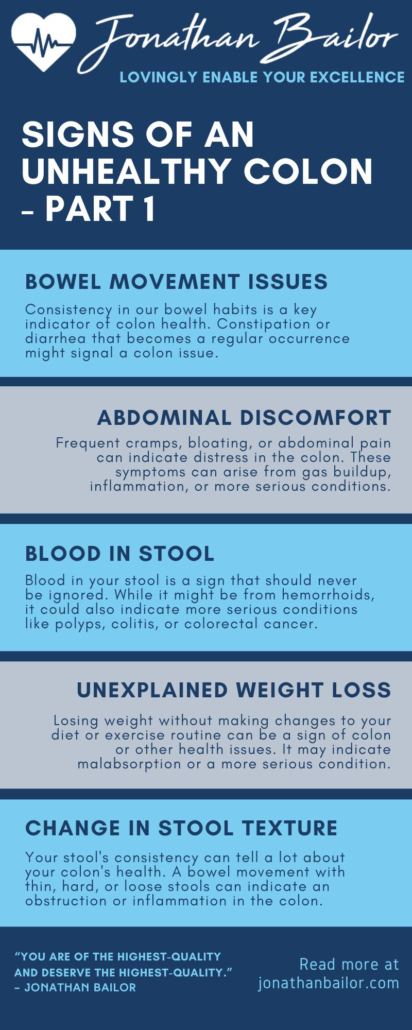
Signs of an Unhealthy Colon Part 1 - Jonathan Bailor

Feeling Better Is Priceless, That's Why We Don't Put A Price On It!

“It’s Like A Free and Medically Valid Version of Noom and Weight Watchers Online”

~ Dr. Doctor Matthew Oleshiak, MD

Click the 'LEARN MORE' button below for free lifetime access to the fast fix program developed by Jonathan and top Ivy League Medical Doctors

LEARN MORE

P.S. It's not a free trial. It's not part of the program for free. The entire program is free, forever, for real! No credit card needed.

6. Fatigue

Chronic fatigue, without a clear cause, can be linked to poor colon health. When toxins accumulate in the colon, they can be reabsorbed into the bloodstream, potentially leading to a feeling of constant tiredness.

7. Anemia

Anemia, or a lack of healthy red blood cells, can be a secondary sign of a problem in the colon, such as a bleeding polyp or carcinoma. Since the colon plays a role in nutrient absorption, its health directly impacts blood health.

8. Unexplained Anorexia

Loss of appetite over a prolonged period, not linked to a known digestive issue, can indicate a problem in the colon. This symptom, particularly when combined with weight loss and fatigue, should prompt a colon health evaluation.

9. Nausea or Vomiting

Frequent nausea or vomiting without a clear cause can be a sign of colon obstruction or significant distress, requiring an immediate medical evaluation to diagnose the underlying issue.

10. Feeling of Incomplete Evacuation

The sensation of not being able to fully empty your colon during bowel movements can be both uncomfortable and indicative of colon health issues, such as obstructions or functional disorders.

These signs are your body’s way of signaling that your colon may need attention. Whether through dietary adjustments, lifestyle changes, or medical intervention, addressing these signs early can help maintain your colon health and enhance your overall quality of life.
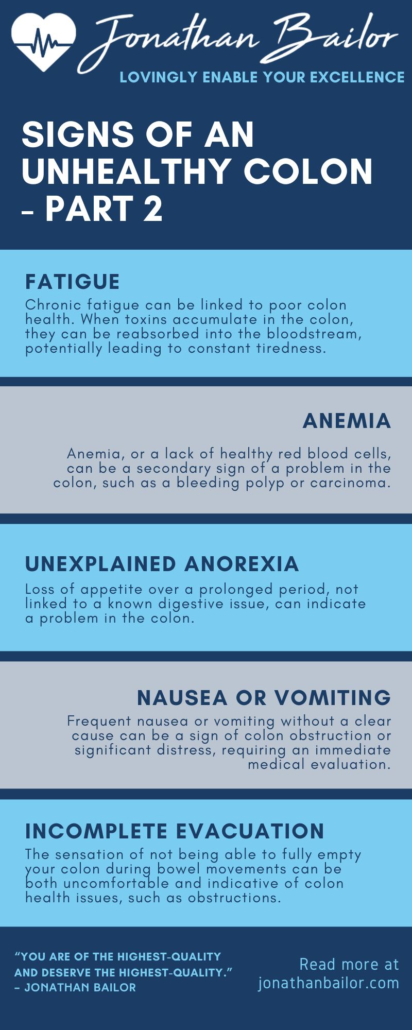
Signs of an Unhealthy Colon Part 2 - Jonathan bailor

5 Ways to Improve Colon Health

The health of our colon is instrumental in our overall well-being, affecting everything from our mood to our energy levels. Ensuring its optimal function is not just about warding off health issues, it’s about empowering our bodies to operate at their best.

Here are five foundational strategies to support and improve colon health and have a healthy gut, each a blend of simplicity and science designed to integrate seamlessly into daily life.

1. Hydration Is Key

Water matters in keeping the colon clear and facilitating the smooth passage of waste. An adequately hydrated body helps prevent constipation, a common symptom of an unhealthy colon. Aim for at least eight glasses of water daily, more if you’re active or live in a hot climate.

Water isn’t just a thirst quencher, it’s a vital nutrient for your colon’s mucosal lining.

2. Embrace a Fiber-Rich Diet

Fiber acts as a broom, sweeping through your colon to keep it clear of debris. Including a variety of fibrous foods, such as leafy greens, vegetables, and fruits, in your diet can help maintain regular bowel movements and prevent colon blockages. Research suggests a high-fiber diet may help reduce colon cancer risk. Conversely, a low-fiber diet may increase colon cancer risk.

Soluble fiber, found in foods like berries and legumes, absorbs water and forms a gel-like substance, aiding in stool formation. Insoluble fiber, present in vegetables and seeds, adds bulk to the stool. Both types are crucial for colon health by promoting regularity and preventing constipation.

3. Regular Exercise

Physical activity isn’t just good for your heart and muscles; it’s also beneficial for your colon health. Regular exercise encourages circulation and helps facilitate the movement of waste through your digestive system.

It doesn’t require exhaustive workouts, daily walks, yoga, or any activity that gets your body moving can positively impact your colon health, reducing the risk of colon stagnation and ensuring a more efficient waste elimination process.

4. Probiotics for a Balanced Gut

The colon houses a complex community of bacteria that play a crucial role in health and disease. Probiotics, beneficial bacteria found in fermented foods like yogurt, kefir, and sauerkraut, can help balance your gut microbiome. A healthy balance of gut bacteria ensures proper digestion, absorption of nutrients, and elimination of waste, all of which contribute to a healthy colon. Those who develop colon cancer often struggle with imbalanced gut bacteria.

Incorporating probiotic-rich foods into your diet supports this balance, fostering a healthy environment within your colon.

5. Mindful Eating Habits

How you eat can be just as important as what you eat. Mindful eating, paying attention to your food, savoring each bite, and listening to your body’s hunger cues, can significantly improve your digestion and colon health. Eating slowly allows your digestive system to process food more efficiently, reducing the risk of indigestion and constipation. It also helps prevent overeating, which can strain your colon. By adopting mindful eating practices, along with a healthy diet, you’re not just nourishing your body; you’re also supporting your colon’s health and function.

Implementing these strategies into your daily routine can lead to significant improvements in colon health. Remember, a healthy colon contributes to a healthier you, enhancing your quality of life and well-being.

Prioritizing your colon’s health is an investment in your overall health, one that pays dividends in vitality, energy, and longevity.
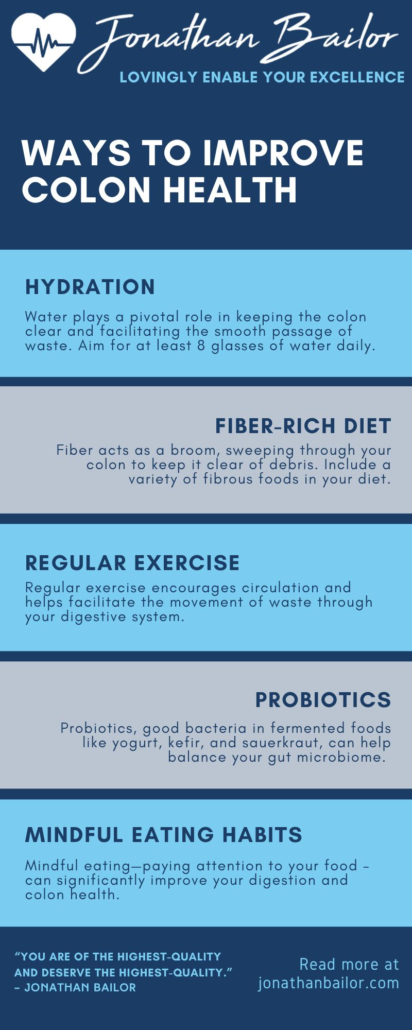
Ways to Improve Colon Health

FAQS: Lower Colon Health

Navigating the intricacies of lower colon health can often lead to questions about its function, the signs of a healthy vs. An unhealthy colon, and the best practices for maintaining its well-being. Recognizing this, we’ve compiled a list of frequently asked questions designed to shed light on this crucial aspect of digestive health.

Whether you’re curious about the impact of diet, seeking signs of a well-functioning lower colon, or exploring ways to address common issues, this FAQ section aims to provide clear, actionable insights.

By understanding the foundational elements of lower colon health, you can make informed decisions that enhance your overall well-being and navigate the path to optimal digestive health with confidence.

What are the primary functions of the lower colon?

The lower colon, comprising the descending and sigmoid colon, matters in the final stages of digestion and waste processing. It’s where water is absorbed from the remaining indigestible food matter, and the waste is transformed into stool.

This part of the colon is vital for maintaining water balance in the body and ensuring regular bowel movements, which are essential for eliminating toxins and waste from the body efficiently.

How can I tell if my lower colon is healthy?

Signs of a healthy lower colon include regular, pain-free bowel movements, stool that is well-formed but not hard, and an overall absence of discomfort in the lower abdominal area. If you’re experiencing consistent bowel movements without strain, it’s a good indication that your lower colon is functioning properly.

Regularity differs from person to person, but generally, having bowel movements anywhere from three times a day to three times a week is considered normal.

What are common issues affecting the lower colon?

Common issues include constipation, where stool becomes hard and difficult to pass, and diverticulosis, where small pouches form in the colon walls. Both conditions are influenced by diet, hydration, and lifestyle factors. Colon polyps may also be an issue and need to be removed.

Inflammatory bowel disease (IBD) and irritable bowel syndrome (IBS) can also affect the lower colon, leading to symptoms like abdominal pain, blood in the stool, diarrhea, constipation, and irregular bowel movements.

Can diet affect the health of the lower colon?

Absolutely. A diet rich in fibrous fruits and vegetables can significantly benefit the lower colon by promoting regular bowel movements and preventing constipation. Hydration is equally important, as water helps soften stool, making it easier to pass.

Foods that are high in fiber and water content, like berries, leafy greens, and cucumbers, are particularly beneficial for maintaining a healthy lower colon.

What lifestyle changes can improve lower colon health?

Incorporating regular exercise into your routine can help stimulate bowel movements, improving lower colon health. Mindful eating practices, such as chewing food thoroughly and eating slowly, can also enhance digestive health and function. Limiting the intake of highly processed foods, which are often low in fiber and high in additives, can prevent constipation and promote a healthier lower colon. Ensuring adequate hydration throughout the day is crucial for softening stool and supporting overall colon function.

Addressing lower colon health is a vital part of maintaining overall well-being. By understanding its functions and the impact of diet and lifestyle, you can take proactive steps to support this essential component of the digestive system.

Embrace and Share the Journey to Colon Health

As we conclude our exploration of colon health, we’re reminded of the profound impact that knowledge and mindful practices can have on our well-being. This journey into understanding the vital role our colon plays, recognizing the signs of distress, and embracing habits for its nurture offers a blueprint for lasting health.

Let’s not keep this wisdom to ourselves; sharing it with friends and family can be a powerful act of love and care. Spread the word across all social media platforms and through email. Together, let’s embark on a path to optimal health, armed with insights and a community that supports our well-being.

Feeling Better Is Priceless, That's Why We Don't Put A Price On It!

“It’s Like A Free and Medically Valid Version of Noom and Weight Watchers Online”

~ Dr. Doctor Matthew Oleshiak, MD

Click the 'LEARN MORE' button below for free lifetime access to the fast fix program developed by Jonathan and top Ivy League Medical Doctors

LEARN MORE

P.S. It's not a free trial. It's not part of the program for free. The entire program is free, forever, for real! No credit card needed.
12 Best Colon-Cleansing Foods to Add to Your Diet

Short answer: you do not need a colon cleanse. Your colon already cleans itself, every single day, whether you help it or not. What actually matters is what you feed it. I’ll show you the food list at the end, but first I need to explain why the whole “cleanse” idea is wrong, because if you skip that part you’ll keep wasting money on teas and powders that do nothing your breakfast couldn’t do better.

I’ve spent two decades reading nutrition science for a living, and the colon cleanse industry is one of the cleanest examples of a real biological process being hijacked by marketing. People feel bloated, sluggish, or constipated. They assume “toxins.” They buy a cleanse. They feel lighter for a day because they just emptied out water and stool. Then the feeling comes back, because the actual problem, slow transit and a starving microbiome, is still sitting there unaddressed.

Let me walk you through what is really going on.

You Don’t Need a Colon Cleanse (Here’s Why)

Your colon is a self-cleaning organ. The lining replaces itself roughly every four to five days. A continuous layer of mucin gets secreted, swept, and renewed. Peristaltic waves push contents along whether you think about them or not. Your liver metabolizes the actual toxins. Your kidneys filter what is left. Your colon’s job at the end of that chain is to absorb water and hand off the waste.

Mayo Clinic is direct about this: colon cleansing for detoxification is not necessary because the digestive system and bowel already eliminate waste and bacteria on their own, and there is no credible evidence that commercial colon cleanses remove toxins, boost energy, or improve immunity. The only medically valid colon cleanse is the one your gastroenterologist orders before a colonoscopy, and that is a procedural prep, not a wellness ritual.

Worse, aggressive cleansing carries real risks. Colonic irrigation can cause cramping, dehydration, electrolyte imbalance, and in people with existing GI conditions like IBS or diverticulitis, it can trigger flares. Coffee enemas have been linked to deaths. That is not a fringe claim. That is the position of the institution that invented modern gastroenterology.

So if the cleanse is a dead end, what is the real conversation? It is about transit time and the microbiome. And those two things are driven almost entirely by food.

What “Colon Health” Actually Means: Transit Time and the Microbiome

When people say they want a clean colon, what they actually want is this: regular, comfortable bowel movements, a flat-feeling abdomen, good energy, and the absence of that heavy, stuck sensation after meals. Every one of those outcomes maps to two measurable variables.

Variable one is colonic transit time. This is how long food residue takes to move from your mouth to the toilet. In healthy adults eating a typical Western diet, whole-gut transit runs 30 to 40 hours. In people eating a high-fiber, plant-forward diet, it drops closer to 24 hours. In chronic low-fiber eaters, it can stretch past 72 hours, which is when constipation, bloating, and that stuck feeling set in. Classic work published in Gut on mean transit time measurement showed that adding fiber to the diet of healthy subjects dropped average transit from 2.4 days to 1.6 days. That is a one-food-group intervention producing a 33 percent change in how fast your gut moves.

Variable two is the microbiome. You have roughly 38 trillion bacteria in your colon, and they are not passive hitchhikers. They ferment the fiber you cannot digest, produce short-chain fatty acids like butyrate that feed your colon cells directly, regulate your immune system, and even influence mood via the gut-brain axis. When you starve them, things go sideways. When you feed them the right substrate, they pay you back.

Everything below is just the practical version of “feed those two systems.”

Soluble vs Insoluble Fiber: What Each One Actually Does

Most articles treat fiber like one ingredient. It is not. There are two functional types, and they do opposite-looking jobs that both end up helping.

Insoluble Fiber: The Physical Broom

Insoluble fiber does not dissolve in water. It passes through your gut largely intact, adding bulk to stool and mechanically speeding up transit. Think of it as the broom. It is the reason a bowl of bran cereal makes you go. Top sources: wheat bran, whole grains, nuts, seeds, the skins of fruits and vegetables, leafy greens, cauliflower, green beans.

Soluble Fiber: The Fermentation Fuel

Soluble fiber dissolves in water and forms a gel. It slows gastric emptying (which is good for blood sugar), binds cholesterol and bile acids, and most importantly, it is the preferred food for your beneficial gut bacteria. When those bacteria ferment soluble fiber, they release butyrate, acetate, and propionate, which together regulate inflammation, strengthen the gut lining, and keep your colon cells well-fed. Top sources: oats, barley, beans, lentils, apples, pears, citrus, psyllium, chia seeds, flaxseeds.

Here is the number most Americans should know. The adequate intake for fiber is 25 grams per day for women and 38 grams per day for men, per the National Academy of Medicine’s Dietary Reference Intakes, which StatPearls summarizes in its clinical review of dietary fiber. Actual average American intake? About 15 to 17 grams. Roughly 94 percent of American adults fail to hit the recommendation. If you want one single diet change with the biggest return on colon function, this is it. Not a cleanse. Fiber.

The 12 Best Foods for a Healthy Colon

These are the foods I keep in my own rotation and recommend to the people I work with. I’m picking for three criteria: high fiber density, microbiome-feeding capacity, and polyphenol content. Every one of them earns its spot.

  1. Chia seeds (10g fiber per ounce). Soluble fiber that forms a gel in water. Two tablespoons gives you roughly a third of your daily fiber target. Throw them into yogurt, oatmeal, or smoothies.
  2. Lentils (15g fiber per cooked cup). One cup of cooked lentils covers more than half the female daily target. Mix of soluble and insoluble, plus resistant starch that feeds butyrate-producing bacteria.
  3. Black beans and navy beans (15g per cup). Same story as lentils. Beans are the single most underrated food in the American diet.
  4. Raspberries and blackberries (8g per cup). Highest fiber-to-calorie ratio of any common fruit, plus dense anthocyanin polyphenols that feed beneficial bacteria.
  5. Avocado (10g per fruit). Soluble fiber, monounsaturated fat, and potassium. A whole avocado on sourdough is one of the easiest ways to add 10 grams of fiber to breakfast.
  6. Oats, steel cut or rolled (4g per half cup dry). Rich in beta-glucan, a soluble fiber with strong fermentation effects in the colon.
  7. Broccoli and Brussels sprouts (5g per cooked cup). Cruciferous vegetables bring fiber plus sulforaphane, a compound that supports colon cell repair.
  8. Artichokes (7g per medium). One of the richest natural sources of inulin, a prebiotic fiber that feeds Bifidobacteria directly.
  9. Pears with the skin (5g per medium). Soluble fiber (pectin) plus sorbitol, which pulls water into the colon and accelerates transit in people who need it.
  10. Flaxseed, ground (3g per tablespoon). Soluble fiber plus lignan polyphenols that have been shown to shift the gut microbiome toward a more favorable profile.
  11. Kimchi, sauerkraut, and plain yogurt or kefir. Live fermented foods add bacteria and postbiotic metabolites to the colon. Not a substitute for fiber, but a strong complement.
  12. Dark leafy greens (spinach, kale, Swiss chard). Insoluble fiber, magnesium (which relaxes the gut and supports transit), and chlorophyll. Aim for two large handfuls a day.

If you rotate through eight or nine of these in any given week, you will clear 30 grams of fiber without thinking about it, and your microbiome will reward you within days.

Polyphenols: The Second Axis Most People Miss

Fiber gets all the press, but polyphenols are the other half of the colon-health equation. Polyphenols are plant compounds (anthocyanins in berries, catechins in green tea, chlorogenic acid in coffee, curcumin in turmeric, resveratrol in grapes, oleocanthal in olive oil) that pass largely unabsorbed through the small intestine and arrive in the colon, where your bacteria break them down into bioactive metabolites.

A 2022 review in Nutrients on dietary polyphenols and gut microbiota laid out the mechanism: polyphenols selectively suppress pathogenic bacteria, stimulate beneficial genera like Bifidobacterium and Lactobacillus, and increase short-chain fatty acid production. The catch is they need a fiber-rich matrix to work in. Drinking green tea on a Pop-Tart diet will not do much. Drinking green tea on a bean-and-berry diet stacks real results.

Practical polyphenol foods to add on top of the 12 above: green tea, extra virgin olive oil, dark chocolate (70 percent or higher), blueberries, red onions, pomegranate, turmeric, cloves, and yes, a cup or two of coffee. Coffee is one of the most polyphenol-dense beverages most Americans actually drink, and the fiber in its grounds feeds the colon directly.

Fermented Foods: Real Probiotics vs Supplement Marketing

Yogurt, kefir, kimchi, sauerkraut, miso, and tempeh all deliver live microbes into your gut. They also deliver fermentation byproducts that your colon uses directly. In a well-designed Stanford trial led by Christopher Gardner and Justin Sonnenburg, adults who added six servings per day of fermented foods for ten weeks showed measurable decreases in 19 inflammatory markers and increased microbial diversity. The high-fiber comparison group did not show the same inflammation drop in that timeframe, which suggests fiber and fermented foods are doing different jobs and you want both.

A small but important point: fermented foods beat most probiotic supplements for cost and variety. A jar of sauerkraut holds more species than the average pill, costs less, and tastes like food.

What Absolutely Does Not Work

Since the whole premise of this article is replacing the cleanse myth with real mechanisms, I have to name the things I want you to stop buying.

  • Juice cleanses. Juicing strips the fiber out of produce. You are drinking the one part of the plant that does not help your colon, with a side of concentrated sugar that can actually worsen bloating.
  • Detox teas. Most contain senna, a stimulant laxative. It produces a bowel movement by irritating the colon lining. Regular use downregulates natural peristalsis. You end up more dependent, not less.
  • Activated charcoal supplements. Will bind toxins in a lab. Will also bind the nutrients and medications you actually need. No evidence of wellness benefit.
  • Colonic hydrotherapy. Flushes out water and microbes you want to keep. Risks outweigh the non-existent benefits.
  • “Cleanse” powders with proprietary blends. The active ingredient is almost always psyllium or senna plus filler. You can buy plain psyllium for a fraction of the price.

If a product promises to “remove pounds of impacted waste from your colon walls,” it is lying. Your colon does not accumulate pounds of impacted waste. Colonoscopies would find it. They do not.

The Rest of the Picture: Hydration, Movement, Sleep

Food is the biggest lever, but it is not the only one. Three things back it up.

Water. Fiber without water is just dry bulk. The soluble fiber you eat pulls water into the stool to form the gel that moves through your gut comfortably. If you add 25 grams of fiber to a chronically dehydrated person, you can make constipation worse, not better. Aim for roughly half your body weight in ounces per day as a rough starting point, more if you exercise or live somewhere hot.

Movement. Peristalsis responds to body motion. A 20-minute walk after dinner is one of the most consistent interventions for transit time in sedentary adults. You do not need a gym. You need a sidewalk.

Sleep and stress. The vagus nerve controls most of the signaling from brain to gut. Chronic stress and poor sleep suppress motility directly. Meditation, daylight exposure, and a consistent bedtime are not fluffy wellness add-ons. They are gut interventions.

If the bigger picture of gut function is where your real question lives, I’ve written more on the practical side of gut health elsewhere on this site. Colon function is one floor of a much taller building.

What to Eat This Week: A Simple Starting Plan

You do not need a meal plan. You need three habits.

  1. Breakfast: one scoop of fiber. Oatmeal with chia and berries. Yogurt with ground flax and raspberries. A green smoothie with avocado and spinach. Pick any of these and rotate.
  2. Lunch or dinner: one cup of legumes. Lentil soup, a bean chili, hummus with vegetables, black beans in a bowl. Beans are the single highest-ROI food for your colon, and most Americans eat almost none.
  3. One plate rule. Half of every main plate should be non-starchy vegetables or leafy greens. That rule alone quietly adds 10 to 15 grams of fiber per day.

Do those three things for two weeks and you will notice a change in how your gut feels. You will not need a cleanse to tell you it is working.

When readers ask me where to find independent, evidence-based reviews of the gut-support supplements that keep showing up in my inbox (the prebiotic blends, the postbiotic capsules, the “leaky gut” formulas), I point them to the Consumer Health Guide gut health supplement reviews, which my editorial team publishes independently of any manufacturer. Start there before you start guessing.

Frequently Asked Questions

Do I need to do a colon cleanse for good gut health?

No. Your colon cleanses itself continuously through epithelial turnover, mucin secretion, and peristalsis. Mayo Clinic and every major gastroenterology society take the same position: commercial colon cleanses are unnecessary and can be harmful, especially in people with IBS, diverticulitis, or other existing GI conditions.

What is the best single food for colon health?

If I have to name one, I’d pick lentils. One cooked cup delivers 15 grams of fiber, a mix of soluble and insoluble, plus resistant starch that feeds butyrate-producing bacteria. Chia seeds are a close second if you want something faster to prepare.

How much fiber do I actually need per day?

The Dietary Reference Intake is 25 grams for adult women and 38 grams for adult men. Average American intake sits at about 15 to 17 grams, which means roughly 94 percent of adults fall short. Most “colon problems” in healthy people resolve when fiber intake hits the recommendation.

Are probiotics or fermented foods better?

Fermented foods win on variety, cost, and food-matrix effects. A Stanford trial showed ten weeks of fermented food intake measurably reduced inflammatory markers and increased microbial diversity. Probiotic capsules are useful in specific clinical situations but are not necessary for a healthy person eating yogurt, kefir, sauerkraut, or kimchi regularly.

Can I get enough fiber from a supplement instead of food?

You can add psyllium or inulin to fill gaps, and that is legitimate. But whole foods bring polyphenols, water, vitamins, and a mix of fiber types that no single supplement duplicates. Think of supplements as insurance, not as the plan.

How long until I notice a difference?

Most people feel a change within three to seven days of hitting 25 to 30 grams of fiber and drinking enough water. Transit time responds fast. Microbiome composition takes longer, somewhere between two and six weeks of consistent intake, to meaningfully shift.

What if more fiber makes me bloated?

Ramp slowly. Add 5 grams per week, not 20 grams overnight. Increase water in parallel. If a specific food triggers bloating (often raw cruciferous vegetables or beans), cook them longer, add them in smaller amounts, or try a different source. Bloating during a ramp-up phase is a microbiome adjustment, not an allergy.

The Bottom Line

Your colon does not need to be cleansed. It needs to be fed. Fiber from whole plants, polyphenols from berries and tea and olive oil, fermented foods for live microbes, water to carry it all, movement to keep things moving. That is the entire playbook. It is unglamorous, which is why it does not sell as a supplement. It is also what actually works.

Skip the teas. Skip the powders. Put lentils and berries on the grocery list. Two weeks from now you will know the difference.

Jonathan Bailor, New York Times bestselling author of The Calorie Myth and The Setpoint Diet.

Colon Health: 24 Tips to Reduce the Risk of Colon Issues

taking care of our bodies, one organ that often flies under the radar is the colon. But did you know that keeping this key part of your digestive system in top shape is vital for your overall health and well-being? Yes, colon health matters at every stage of life, and maintaining it doesn’t have to be complicated or overwhelming.

In this essential colon health guide with Jonathan Bailor, we will walk through easy, everyday tips to ensure your colon is as healthy and happy as possible. Whether you’re in your thriving thirties, fabulous fifties, or beyond, these pointers are designed to fit seamlessly into your life, keeping your digestive health on track.

Don’t forget to dive into our 21 Tips to Improve Colon Health and Reduce the Risk of Colon Issues and Uncovering Wellness: 21 Proven Strategies for Colon Health articles next!

But why should you care about your colon? Well, a healthy colon not only means better digestion but also plays a significant role in nutrient absorption and immune function. Plus, taking care of your colon today can help prevent potential issues down the road.

From simple dietary tweaks to lifestyle habits worth adopting, we’ve gathered the most practical and effective strategies for optimal colon health. And the best part? These tips are easy to share with your friends and family. After all, health is a journey best taken together.

So, grab a cup of your favorite beverage and settle in. Let’s embark on this journey to understanding and improving colon health, one step at a time. It’s a conversation worth having and one that could make a significant difference in the quality of your life and those you cherish. Let’s make colon health a priority starting now!

5 Instant Changes for Immediate Colon Health Benefits

enhancing your colon’s health, there’s no need to wait for long-term strategies to take effect. You have the power to make impactful changes right now, today. Immediate adjustments to your daily routine can set the stage for a healthier colon, and the benefits don’t take long to manifest. These simple yet effective changes are not just easy to implement but are also practical for anyone, regardless of age or lifestyle.

In the spirit of taking proactive steps towards better health, here are five immediate changes you can make that will positively influence your colon health. Each of these actions is a small but mighty step towards a healthier you, and the beauty lies in their simplicity and immediate applicability. Let’s jump in and examine these habits that can bring about a significant transformation.

1. Hydration Boost

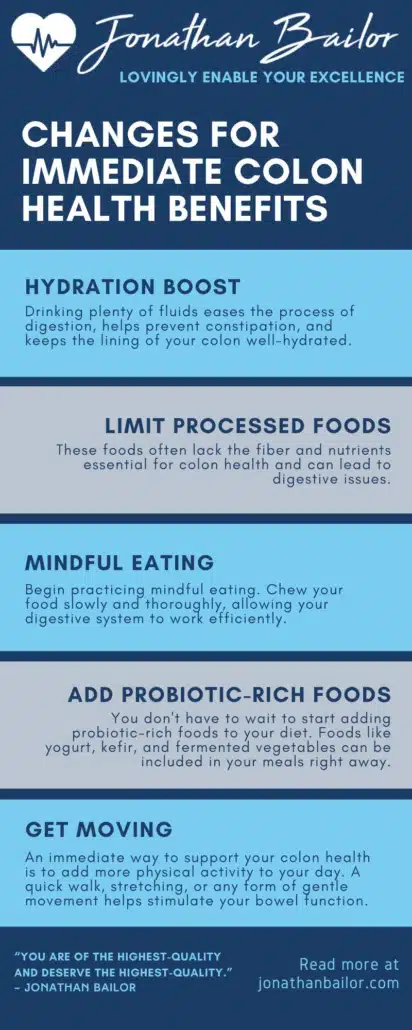
An easy and immediate change you can make today is to increase your water intake. Drinking enough water is like giving your colon a helping hand. It eases the process of digestion, helps prevent constipation, and keeps the lining of your colon well-hydrated. Aim to drink a glass of water every hour or keep a water bottle handy to sip from throughout the day. It’s a simple yet powerful step towards a healthier colon.

2. Cut Down on Processed Foods

Take a quick look at your pantry and consider reducing your intake of processed foods starting now. These foods often lack the fiber and nutrients essential for colon health and can lead to digestive issues. Instead, reach for a piece of fresh fruit or a handful of nuts for your next snack. This small change can make a big difference in how your colon functions.

3. Mindful Eating Practice

Begin practicing mindful eating at your next meal. Chew your food slowly and thoroughly, allowing your digestive system to work efficiently. This not only aids in digestion but also helps you appreciate and enjoy your food more. By paying attention to your eating, you’re taking a positive step towards better colon health.

4. Incorporate Probiotic-Rich Foods

You don’t have to wait to start adding probiotic-rich foods to your diet. Foods like yogurt, kefir, and fermented vegetables can be included in your meals right away. Probiotics help balance your gut flora, which is crucial for a healthy colon. Simply adding a serving of yogurt to your breakfast or snacking on a small portion of fermented vegetables can kickstart your journey to a healthier digestive system.

5. Get Moving

An immediate way to support your colon health is to add more physical activity to your day. A quick walk, stretching, or any form of gentle movement helps stimulate your bowel function. You don’t need to engage in intense workouts; even light exercises can positively impact your colon health. So, take a short break from sitting and move around, your colon will thank you for it.

Each of these changes is a step towards a healthier colon, and the best part is you can start implementing them right now. Remember, the journey to better health is made up of small, consistent steps. Let’s take those steps together, starting today.

Changes for Immediate Colon Health Benefits - Jonathan Bailor

Feeling Better Is Priceless, That's Why We Don't Put A Price On It!

“It’s Like A Free and Medically Valid Version of Noom and Weight Watchers Online”

~ Dr. Doctor Matthew Oleshiak, MD

Click the 'LEARN MORE' button below for free lifetime access to the fast fix program developed by Jonathan and top Ivy League Medical Doctors

LEARN MORE

P.S. It's not a free trial. It's not part of the program for free. The entire program is free, forever, for real! No credit card needed.

Short-Term Strategies for Enhanced Colon Health

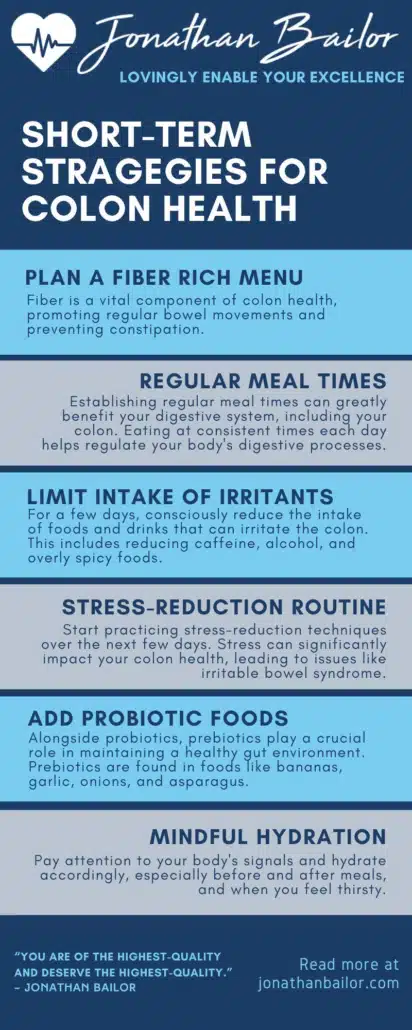
As we journey further into improving our colon health, let’s focus on changes that can be integrated over the course of a few days. These short-term strategies are slightly more involved than immediate actions but are just as crucial for fostering a healthier colon. Think of them as stepping stones, laying a solid foundation for long-term digestive wellness. They are manageable adjustments to your daily routine, each bringing its own unique benefits to your overall colon health. Over the next several days, you can easily incorporate these changes into your life, paving the way for a healthier, happier colon.

Here are six short-term changes to consider, each designed to support and maintain the health of your colon effectively.

1. Plan a Fiber-Rich Menu

Over the next few days, plan your meals to include a variety of fiber-rich foods. Fiber is vital to colon health, promoting regular bowel movements and preventing constipation. A lack of dietary fiber is one of the major colorectal cancer risk factors. Look for fresh vegetables, fruits, and legumes you enjoy and incorporate them into your daily meals. Planning ahead makes it easier to include these foods in your diet and helps you get the recommended daily fiber intake.

2. Schedule Regular Meal Times

Establishing regular meal times can greatly benefit your digestive system, including your colon. Eating at consistent times each day helps regulate your body’s digestive processes. Try to have your meals around the same time each day for the next few days, allowing your digestive system to establish a routine. This regularity can aid in smoother digestion and improved colon health.

3. Limit Intake of Irritants

For a few days, consciously reduce the intake of foods and drinks that can irritate the colon. This includes reducing caffeine, alcohol, and overly spicy foods. These substances can disrupt the delicate balance of your digestive system and may lead to discomfort or irritation in the colon. Observing how your body responds to this change can provide insights into what works best for your colon health.

4. Begin a Stress-Reduction Routine

Start practicing stress-reduction techniques over the next few days. Stress can significantly impact your colon health, leading to issues like irritable bowel syndrome. Techniques like deep breathing, meditation, or gentle yoga can effectively manage stress. Set aside a few minutes each day to engage in these activities, creating a calming routine that benefits both your mind and your colon.

5. Introduce Prebiotic Foods

Alongside probiotics, prebiotics play a crucial role in maintaining a healthy gut environment. Prebiotics are found in foods like bananas, garlic, onions, and asparagus. Try adding these to your meals over the next few days to nourish the beneficial bacteria in your gut. Probiotic and prebiotic foods promote good colon health by contributing to a balanced gut microbiome.

6. Mindful Hydration

While immediate changes include drinking more water, a short-term strategy involves mindful hydration. Pay attention to your body’s signals and hydrate accordingly, especially before and after meals and when thirsty. This conscious approach to hydration over the next few days can enhance digestive processes and support colon health.

These short-term changes are designed to create a positive impact on your colon health within a few days. They’re not just beneficial for your digestive system but also contribute to your overall sense of well-being. Let’s take these steps together, embracing the journey towards a healthier you.

Short Term Strategies for Colon Health - Jonathan Bailor

Medium-Term Adjustments for Sustainable Colon Health

As we continue our journey to improve colon health, let’s explore adjustments that can be made over a few weeks. These medium-term changes are about solidifying good habits and making subtle yet effective modifications to our lifestyle. Think of these as investments in your colon’s future health, providing lasting benefits and setting the stage for a strong digestive system. These changes require a bit more commitment and time to integrate, but they are crucial for maintaining the health and functionality of your colon. Over the next few weeks, embracing these adjustments can significantly enhance your colon’s well-being.

Here are six medium-term changes to consider, each designed to further support and nurture your colon’s health.

1. Develop a Regular Exercise Routine

If you haven’t already, start developing a regular exercise routine. Physical activity is not just beneficial for your overall health, but it also plays a significant role in promoting healthy bowel movements. Aim for at least 150 minutes of moderate-intensity exercise per week. This can include walking, swimming, cycling, or any other activity you enjoy. Consistent exercise over the next few weeks will help enhance your colon function and overall health.

2. Experiment with a Variety of Probiotic Strains

While immediate changes include introducing probiotics, over the next few weeks, try experimenting with different strains of probiotics. Different strains offer various benefits, and finding the right balance can be key to optimal colon health. You can do this by trying different probiotic supplements or incorporating a variety of fermented foods into your diet. Observe how your body responds and adjust accordingly.

3. Gradual Dietary Fiber Increases

Over the next few weeks, gradually increase your dietary fiber intake. This helps your digestive system adjust without causing discomfort that can sometimes accompany a sudden increase in fiber. Include a variety of fiber sources like fruits, vegetables, legumes, and nuts. Aim for a gradual increase that feels comfortable and sustainable.

4. Mindful Eating Habit Formation

Take these weeks to solidify the practice of mindful eating. To ensure healthy eating habits, it is important to be mindful of your body’s hunger signals, eat slowly and deliberately, and fully immerse yourself in the enjoyment of your meals without any distractions. Mindful eating can improve digestion and help you tune into your body’s needs, which is beneficial for colon health.

5. Regular Sleep Pattern

Establish and maintain a regular sleep pattern. Quality sleep is crucial for overall health and directly impacts your digestive system. Aim for 7-9 hours of sleep per night and try to go to bed and wake up at the same time each day. Consistent sleep patterns over the next few weeks can positively affect colon health.

6. Manage and Monitor Stress Levels

Continue to build upon your stress management techniques and monitor your stress levels over these weeks. Chronic stress can take a toll on your colon health, so finding effective ways to manage it is essential. Whether it’s through meditation, deep breathing exercises, or engaging in a hobby, consistent stress management can have lasting benefits for your colon.

By committing to these medium-term changes, you’re not only taking steps toward a healthier colon but also toward a healthier lifestyle. These changes, though they might take a few weeks to become habits, are powerful tools in maintaining your digestive health and overall well-being. Let’s embrace these changes together, knowing that each step we take is a step towards lasting health.

Medium Term Adjustments for Colon Health - Jonathan Bailor

Long-Term Commitments for Lifelong Colon Health

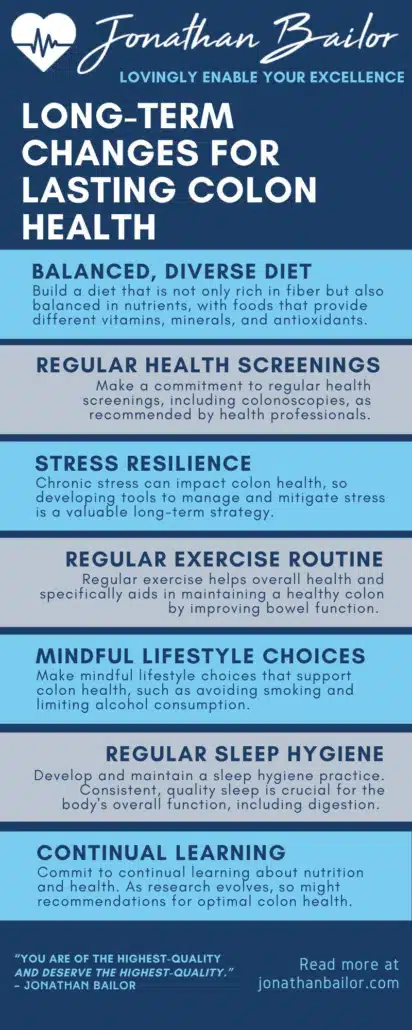
Embarking on a journey for better colon health isn’t just about making quick fixes; it’s about committing to long-term changes that lay the foundation for lasting well-being. These changes, integrated over months, become ingrained habits, part of the fabric of your daily life. They require patience, persistence, and a deeper understanding of how your choices impact your colon health. Think of these long-term commitments as nurturing your body’s needs and gradually building a stronger, healthier digestive system that will serve you well for years to come.

Let’s explore seven long-term changes you can make, each fostering an environment for optimal colon health and reflecting your dedication to a healthier you.

1. Build a Balanced, Diverse Diet

Over the months, focus on building a diet that is not only rich in fiber but also balanced in nutrients. This involves including a diverse range of foods that provide different vitamins, minerals, and antioxidants. A varied diet supports a healthy gut microbiome, which is crucial for colon health. Experiment with new foods, explore different cuisines, and find enjoyable ways to include a variety of nutrients in your meals.

2. Establish Regular Health Screenings

Commit to regular health screenings, including colonoscopies, as health professionals recommend. Early detection of any potential issues is key to maintaining colon health. These screenings should become a routine part of your healthcare regimen.

3. Cultivate Stress Resilience

Over the coming months, work on building resilience to stress. This can involve deeper practices like cognitive-behavioral techniques, regular participation in stress-reducing activities, or engaging in supportive social relationships. Chronic stress can impact colon health, so developing tools to manage and mitigate stress is a valuable long-term strategy.

4. Consistent Exercise Routine

Solidify a consistent exercise routine that you enjoy and can sustain. This doesn’t mean rigorous daily workouts but rather a regular pattern of physical activity that suits your lifestyle and preferences. Regular exercise contributes to overall health and specifically aids in maintaining a healthy colon by improving bowel function and reducing inflammation.

5. Mindful Lifestyle Choices

Over time, make mindful lifestyle choices that support colon health. This includes avoiding smoking, limiting alcohol consumption, and being aware of any medications or supplements that could affect your digestive system. These choices might require sacrifices or adjustments but are integral to maintaining long-term colon health.

6. Regular Sleep Hygiene Practice

Develop and maintain a sleep hygiene practice. Consistent, quality sleep is crucial for the body’s overall function, including the digestive system. Establishing routines such as a regular bedtime, creating a comfortable sleep environment, and minimizing screen time before bed can significantly contribute to colon health.

7. Continual Learning and Adaptation

Commit to continual learning about nutrition and health. As research evolves, so might recommendations for optimal colon health. Stay informed, be open to adapting your habits, and consult with healthcare professionals to ensure your practices align with the latest findings.

By adopting these long-term changes, you’re not just investing in your colon health; you’re investing in a future of vibrant well-being. These commitments, built over months, become a natural part of your daily life, leading to a healthier, more fulfilled you. Let’s take these steps together, embracing the journey and the rewards that come with it.

Long Term Changes for Lasting Colon Health - Jonathan Bailor

FAQs on Lower Colon Health

Navigating the intricacies of lower colon health can often lead to questions, some common and others more specific. Understanding this vital part of your digestive system is key to maintaining overall health and well-being. Here, we address five frequently asked questions about lower colon health, providing clear, straightforward answers to help you on your journey to a healthier digestive system.

Q1: What are the signs of an unhealthy lower colon?

Signs of an unhealthy lower colon can vary but often include symptoms like irregular bowel movements, constipation, diarrhea, abdominal pain, bloating, and, in some cases, blood in the stool. Bowel disorders like inflammatory bowel disease and irritable bowel syndrome are also signs of an unhealthy lower colon. In addition, colorectal cancers are a sign of significantly poor colon health. If you experience persistent discomfort or any significant changes in your bowel habits, it’s important to consult with a healthcare professional. These symptoms could be indicative of various conditions that require medical attention.

Q2: How can I naturally improve my lower colon health?

Improving your lower colon health naturally involves a combination of dietary, lifestyle, and behavioral changes. Incorporating a diet rich in fiber from fruits, vegetables, and legumes, staying adequately hydrated, and engaging in regular physical activity are crucial steps. In fact, these foods are part of a colon-healthy diet and can help prevent colon cancer. Also, managing stress and establishing regular eating and sleeping patterns can positively impact your lower colon health.

Q3: Can certain foods harm my lower colon?

Yes, certain foods can harm your lower colon, especially those that are highly processed or high in fat and sugar. These foods can disrupt the balance of gut bacteria and lead to inflammation, contributing to various digestive issues. It’s beneficial to limit or avoid excessive consumption of processed meats, fried foods, and sugary snacks to maintain a healthy lower colon.

Q4: What role does stress play in lower colon health?

Stress can have a significant impact on your lower colon health. It can disrupt the natural rhythm of your digestive system, leading to symptoms like cramping, bloating, and changes in bowel movements. Chronic stress can exacerbate conditions like irritable bowel syndrome (IBS) and negatively affect the gut microbiome. Managing stress through relaxation techniques, exercise, and adequate sleep can help mitigate these effects.

Q5: Is regular exercise beneficial for lower colon health?

Regular exercise is highly beneficial for lower colon health. It helps stimulate intestinal activity, reducing the time food waste spends in the colon, which can help prevent constipation and maintain regular bowel movements. Physical activity also promotes overall well-being, which indirectly benefits your lower colon. Even moderate activities like walking or yoga can positively affect your digestive health.

Understanding and taking care of your lower colon is crucial to maintaining your overall health. Remember, it’s always best to consult with a healthcare professional for personalized advice and treatment if you have specific concerns or symptoms.

Embracing a Healthier Tomorrow: Share the Gift of Knowledge

As we conclude our exploration of colon health, remember that the steps we take today pave the way for a healthier tomorrow. Whether it’s immediate changes, short-term adjustments, medium-term adjustments, or long-term commitments, each action contributes to your overall well-being.

We invite you to share this valuable knowledge with your friends and family. Spread the word on social media platforms and through email. Let’s create a community of health and wellness together. Your journey towards better colon health could inspire others to embark on their own path to well-being. Share, care, and connect, because health is a journey best shared with loved ones.

Feeling Better Is Priceless, That's Why We Don't Put A Price On It!

“It’s Like A Free and Medically Valid Version of Noom and Weight Watchers Online”

~ Dr. Doctor Matthew Oleshiak, MD

Click the 'LEARN MORE' button below for free lifetime access to the fast fix program developed by Jonathan and top Ivy League Medical Doctors

LEARN MORE

P.S. It's not a free trial. It's not part of the program for free. The entire program is free, forever, for real! No credit card needed.
20 Easy Daily Habits to Enhance Your Colon Health

Welcome to a journey of rejuvenation and resilience with Jonathan Bailor for your digestive well-being. We’re here to help you enhance your colon health and more! Imagine a daily routine that not only revitalizes your colon health but also integrates seamlessly into your life, bringing a sense of balance and vitality. This isn’t just about a diet or a fleeting trend; it’s about nurturing a relationship with your body that’s as attentive and caring as the one you have with your loved ones.

Let’s take care of your colon even more with our 21 Tips for Keeping Your Colon Healthy at Every Age and Your Guide to 28 Evidence-Based Treatments to Enhance Lower Colon Health guides!

Everyday choices have a profound impact on our health, and maintaining the wellness of our digestive tract, consistency is key. You’re not alone if the complexity of health advice out there has ever left you bewildered. Here, we simplify it to the essence: tangible, daily actions that are easy to adopt and stick to, regardless of a bustling schedule or a demanding life.

These habits are not about rigorous changes or overwhelming your day with tasks; they’re small, powerful shifts that promise to support and maintain the vitality of your colon. Whether you’re looking to prevent colon cancer, reduce your risk of colon cancer, or prevent other colorectal issues and enhance your current health, these practices are designed to be inclusive, manageable, and effective.

As you read on, envision the difference these habits could make in your life. Imagine sharing this significant knowledge with a friend over coffee or discussing these tips at a family dinner. It’s information worth passing on, for it speaks the universal language of health, a topic that resonates with everyone, everywhere.

Let’s embark on this path together, cultivating habits that not only promise a thriving digestive system but also empower you to take control of your overall health. Because a healthy colon doesn’t just mean a happier gut; it’s the cornerstone of a vibrant, full-bodied life.

lifestyle tweaks for lasting colon health

Feeling Better Is Priceless, That's Why We Don't Put A Price On It!

“It’s Like A Free and Medically Valid Version of Noom and Weight Watchers Online”

~ Dr. Doctor Matthew Oleshiak, MD

Click the 'LEARN MORE' button below for free lifetime access to the fast fix program developed by Jonathan and top Ivy League Medical Doctors

LEARN MORE

P.S. It's not a free trial. It's not part of the program for free. The entire program is free, forever, for real! No credit card needed.

Lifestyle Tweaks for Lasting Colon Health

1. Embrace a Regular Routine

Your colon thrives on regularity. Try to establish a consistent daily schedule that includes regular sleep patterns. A body in harmony with its circadian rhythms can aid in smoother digestion and efficient waste elimination. As you align your waking, sleeping, and even your mealtimes, you’ll notice a comforting predictability in your body’s digestive processes.

2. Stay Hydrated with a Twist

While not directly related to diet, the role of hydration in healthy colon function is indispensable. Aim for ample water intake throughout the day to keep things moving along your digestive tract. If plain water doesn’t excite you, infuse it with natural flavors like cucumber or mint for a refreshing twist that tempts the taste buds and soothes the colon.

3. Cultivate a Clean Environment

The less your body is exposed to toxins, the better it can focus on internal processes, including digestion. Use natural cleaning products in your home and opt for personal care items with fewer chemicals. By reducing your exposure to harmful substances, you lessen the burden on your colon, allowing it to function at its best.

4. Minimize Stressful Situations

Stress can wreak havoc on your digestive system, leading to inflammation and disturbances in your colon. Foster a peaceful environment at home and work, and engage in calming activities that lower stress levels. Your colon does not exist in isolation; it’s influenced by your mental state, and serenity can be a soothing balm for your entire digestive system.

5. Practice Smart Technology Use

Excessive sitting, especially with poor posture in front of screens, can compress the abdomen and hinder digestion. Make conscious choices about your screen time and posture. Consider a standing desk or take frequent breaks to stretch and move around, giving your internal organs the space they need to function optimally.

6. Laughter as Medicine

Never underestimate the power of a good laugh on your overall well-being, including the health of your colon. Laughter stimulates digestion and strengthens the immune system, which is largely housed in the gut. So indulge in your favorite comedy show, joke with friends, and let laughter be a regular part of your wellness routine.

By intertwining these lifestyle habits into the fabric of your daily life, you lay down the foundation for a strong and resilient colon. These aren’t monumental tasks but rather simple switches or additions to what you already do, paving the way for a healthier tomorrow.

nutritional pathways to keep your colon healthy

Nutritional Pathways to Keep Your Colon Healthy

1. Enjoy a High Fiber Diet

Healthy eating is essential to good colon health. Specifically, the cornerstone of a colon-friendly diet is fiber. Gradually increase your intake of high-fiber, low-fructose fruits, like berries and citrus fruits, and nonstarchy vegetables, like asparagus, cabbage, and broccoli. Fiber acts like a broom, sweeping through your colon and aiding in the efficient transport of waste. Remember to increase your fiber intake slowly to give your body time to adjust, and pair it with plenty of water to facilitate its beneficial effects.

2. Incorporate Fermented Favorites

Fermented foods like yogurt, kefir, sauerkraut, and kimchi are rich in probiotics, which help maintain a healthy balance of gut bacteria, crucial for a healthy colon. Introducing these tangy treasures into your diet can aid digestion, reduce inflammation, and strengthen your gut barrier, offering a tasty way to bolster your colon function.

3. Choose lean, Nutrient-Dense Proteins

Shifting towards lean protein sources can be gentler on your colon. Options like fish, poultry, and plant-based proteins provide essential nutrients without overwhelming your digestive system with excessive fats that are harder to break down and can strain your colon over time.

4. Limit Red Meat Consumption

While moderation is key in all aspects of diet, reducing the amount of red and processed meats can decrease the workload on your colon and reduce the risk of inflammation. Enjoy grass-fed red meat as an occasional treat rather than a staple, and your colon will thank you for the considerate respite.

5. Color Your Plate with Variety

A diverse diet rich in different colored fruits and vegetables ensures a broad spectrum of vitamins, minerals, and antioxidants, each playing a role in maintaining a healthy colon lining and preventing inflammation. This rainbow approach not only delights the palate but also provides a full range of nutritional support for your digestive tract.

6. Healthy Fats Are Your Friends

Incorporate sources of healthy fats like avocados, nuts, seeds, and olive oil. In addition, essential fatty acids like those found in oily fish are great for digestive and colonic health. These fats are not only essential for overall health but also help maintain the integrity of the gut lining and support the body’s inflammatory response, facilitating smooth transit and nutrient absorption in the colon.

7. Mindful Eating Habits

Beyond what you eat, how you eat can influence colon health. Take time to chew your food thoroughly, which aids in the breakdown of food and results in less work for your colon. Eating slowly and mindfully can also prevent overeating, reducing the risk of constipation and strain on your digestive system.

By making these dietary adjustments, you’re not just eating for the moment but nurturing a foundation of health that your colon can rely on. It’s a delicious investment in your long-term well-being, serving up a daily menu for vitality and vigor.

cultivating serenity for colon health

Cultivating Serenity for Colon Health

1. Embrace Mindfulness Meditation

Regular mindfulness meditation can significantly reduce stress levels, which in turn may alleviate stress-induced digestive issues. By sitting quietly each day, focusing on your breath, and bringing your attention back to the present whenever it wanders, you nurture a sense of calm that can soothe your entire digestive system.

2. Establish a Gratitude Practice

Cultivating gratitude can shift your mindset from one of scarcity to abundance, which can have a positive impact on your overall health, including your colon. Consider writing in a gratitude journal each night.

3. Engage in Gentle Yoga

Gentle yoga practices, especially those incorporating poses that massage the abdomen, can stimulate digestion and promote ease in the colon. Poses like twists and forward folds can be particularly beneficial, as they encourage gentle movement in the gut area.

4. Connect with Community

Social connections and a sense of community contribute to reduced stress and improved mental health. By engaging with others, whether through community service, group activities, or shared interests, you create positive emotional experiences that can benefit digestive health.

5. Practice Deep Breathing Techniques

Deep, diaphragmatic breathing can help manage the body’s response to stress, which is often linked to digestive discomfort. By consciously deepening and slowing down your breath, you can trigger the body’s relaxation response, which may alleviate tension in the gut.

6. Adopt Positive Affirmations

The language we use internally can influence our physical health. By adopting positive affirmations that reinforce health and wellness, you can create a more supportive mental environment for your colon’s functioning. This practice can align your mental state with physical health goals.

7. Seek Joyful Activities

Regularly engaging in activities that bring you happiness can have a profound impact on your stress levels and overall well-being. Whether it’s painting, dancing, hiking, or playing music, these joyful pursuits can elevate your mood and, in turn, support a healthy, happy colon.

By intertwining these mental and spiritual practices into your daily routine, you’re not just nurturing your mind but also creating a harmonious environment for your colon to function optimally. It’s a holistic approach that honors the intricate connection between your emotional well-being and physical health.

exercises that benefit the colon

Understanding Colon Health: Your Questions Answered

What are common symptoms of lower colon health issues?

Symptoms can vary widely depending on the specific lower colon issue, but common signs include changes in bowel habits, such as constipation or diarrhea, abdominal pain, bloating, and blood in the stool. Persistent changes or discomfort warrant a discussion with a healthcare provider to rule out conditions like irritable bowel syndrome (IBS), inflammatory bowel disease (IBD), or even colorectal cancer.

Can diet really make a difference in lower colon health?

Absolutely, diet matters in the health of the lower colon. Foods high in fiber, like low-sugar fruits and nonstarchy vegetables, can help ensure smooth bowel movements and prevent constipation. On the other hand, a diet high in processed foods and low in fiber can lead to various colon issues, including an increased risk of diverticular disease and even cancer.

Are there specific exercises that benefit the lower colon?

Exercise can be quite beneficial for colon health. Physical activity helps to stimulate intestinal contractions, which can promote more regular bowel movements. Brisk walking, hiking, dancing, and similar physical activities are particularly good for stimulating digestion and help keep the lower colon functioning correctly.

How important is hydration for maintaining a healthy lower colon?

Hydration is key to a healthy lower colon. Water helps to soften stool, making it easier to pass and reducing the risk of constipation. It’s also essential for the digestion and absorption of nutrients in the digestive tract. Aim for 8-10 glasses of water a day, but remember that needs can vary based on activity level, climate, and overall health.

What are the best preventative measures for lower colon health?

Preventative measures include maintaining a balanced diet rich in fiber, staying hydrated, exercising regularly, and avoiding excessive alcohol and tobacco use. Also, managing stress through relaxation techniques can improve gut motility and response. Regular screenings, such as colonoscopies, are also vital as they can detect precancerous polyps and other issues early on.

Maintaining the health of your lower colon is a combination of sensible dietary habits, regular physical activity, and attentive body awareness. It’s a lifelong commitment that can enhance not only your digestive health but also your overall quality of life.

Summary

In closing, caring for your lower colon is not merely about addressing issues as they arise; it’s about nurturing a cornerstone of your well-being. Remember, the steps we’ve explored together are not just for you, they’re wisdom to be passed along. If this guide has enlightened your path to health, imagine the impact it could have on others.

So please, share this knowledge with friends and family through social media or a thoughtful email. Spreading awareness is a gesture of care, one that could ripple out to touch many lives. Let’s make colon health a shared journey in wellness.

Feeling Better Is Priceless, That's Why We Don't Put A Price On It!

“It’s Like A Free and Medically Valid Version of Noom and Weight Watchers Online”

~ Dr. Doctor Matthew Oleshiak, MD

Click the 'LEARN MORE' button below for free lifetime access to the fast fix program developed by Jonathan and top Ivy League Medical Doctors

LEARN MORE

P.S. It's not a free trial. It's not part of the program for free. The entire program is free, forever, for real! No credit card needed.