Thyroid Health

7 Foods that Support Healthy Thyroid Function to Include in Your Diet

Dive into this Thyroid Health Guide with Jonathan Bailor and unlock the secrets to a balanced and thriving thyroid. This guide is your compass in the often complex quest for optimal thyroid function, where misinformation abounds, and clarity is sought.

Navigating the journey to maintaining a healthy thyroid isn’t always straightforward. With a myriad of advice out there, it’s easy to feel overwhelmed. Yet, the importance of thyroid health cannot be overstated—it’s the master control center for our metabolism, immune system, energy levels, and overall well-being. Think of it as the conductor of the orchestra, our body’s systems, ensuring every section plays in harmony.

For many, the solution doesn’t always have to come from a prescription bottle; often, it starts with what’s on our plate. The foods we choose to nourish our bodies can play a pivotal role in supporting thyroid health. It’s about adding more of the good stuff—foods rich in certain nutrients the thyroid thrives on—to our daily meals.

Imagine having a list of foods that are not only delicious but also act as allies for your thyroid. Foods that you can easily incorporate into your meals, bringing you one step closer to feeling energized and balanced. No need for a medical degree to understand their benefits or a chef’s skills to prepare them. These are everyday foods for everyday people, chosen for their thyroid-supporting superpowers.

This isn’t about restrictive dieting or taking away the joy of eating. It’s about empowering you with knowledge and choices—simple changes that can significantly impact you. So, whether you’re trying to support your thyroid health, prevent thyroid disease, boost your metabolism, or feel a bit more energized throughout the day, these foods are here to help you on that journey.

Before diving into the whirlwind of internet searches and health forums, take a breath. You’re about to discover seven foods that are not only accessible but are also backed by a simple philosophy: eating well to live well. You’ll want to share this approach to thyroid health, not just because it’s effective but because it’s a message of positivity and empowerment. A message that says, “Yes, you can take control of your health, and it can be delicious and fulfilling.”

Ready to transform your approach to health and vitality, one meal at a time? Let’s embark on this journey together, discovering the foods that could change how you think about thyroid health forever.

Nourishing Your Thyroid: 7 Key Foods to Keep Your Thyroid Healthy

In the quest for better health, understanding the symbiotic relationship between our diet and our thyroid function is paramount.

The thyroid, a small yet mighty gland in the neck, orchestrates the rhythm of our metabolism, energy levels, and overall vitality. It requires the right balance of nutrients to perform harmoniously.

Fortunately, the path to supporting this vital organ doesn’t require exotic superfoods or complex regimens. It starts with a simple, well-balanced diet of wholesome foods readily available in our kitchens or local grocery stores.

Introducing these seven foods into your daily meals can act as a foundation for thyroid health, offering a blend of essential nutrients that support its function. This list isn’t just about eating for health; it’s about making choices that empower you, bringing you closer to the vibrant energy and balance we all seek.

So, let’s explore these seven allies for your thyroid, each bringing its unique set of benefits to the table, making your journey towards better health enjoyable and nourishing.

1. Seaweed: The Ocean’s Gift to Thyroid Health

Seaweed stands out as a natural treasure trove of iodine, a mineral pivotal for thyroid hormone production. Unlike land vegetables, seaweed absorbs iodine from the sea, making it an unparalleled source. This food can help reverse an iodine deficiency.

Incorporating a small serving of seaweed into your diet can help maintain the delicate balance of thyroid hormones, ensuring your metabolism runs smoothly. From sushi wraps to soups and salads, seaweed is versatile, and a little goes a long way in supporting your thyroid health.

2. Brazil Nuts: Selenium’s Best Showcase

Brazil nuts are like nature’s thyroid support pills, brimming with selenium. This antioxidant-rich mineral is crucial in converting thyroid hormones to their active form, facilitating our body’s metabolism and energy use.

A few Brazil nuts a day can meet your daily selenium needs, offering a simple yet powerful way to support thyroid function.

3. Fish: Omega-3-Rich Waters

Fatty fish such as salmon, mackerel, and sardines are rich in Omega-3 fatty acids and selenium, both allies in thyroid health. Omega-3s help reduce inflammation, supporting thyroid function, while selenium aids in hormone synthesis.

Including fish in your meals a few times a week can nurture your thyroid and overall health, contributing to a balanced and energetic lifestyle.

4. Whole Eggs: The Complete Thyroid Supporter

Eggs are a powerhouse of nutrition, providing a perfect package of iodine and selenium. The yolk, in particular, contains most of these minerals, making eggs an ideal food for thyroid health.

Whether boiled, poached, or scrambled, eggs offer a versatile and effective way to support your thyroid every day.

5. Yogurt: Probiotic-Rich Thyroid Love

Low-fat or Greek yogurt is packed with iodine, one of the most crucial elements for thyroid health. Its probiotic content also supports gut health. After all, digestive health is closely linked to thyroid function.

Integrating yogurt into your diet can help ensure your thyroid has the nutrients it needs to regulate your metabolism effectively.

6. Chicken and Beef: Zinc’s Thyroid Boosting Heroes

Lean meats like chicken and beef are excellent sources of zinc, a mineral that assists in synthesizing thyroid hormones. Adequate zinc levels are essential for maintaining energy levels and a healthy metabolism.

Adding lean meat to your diet can bolster your thyroid function, providing a steady source of zinc.

7. Avocado: Healthy Fats for Hormone Balance

Avocado is rich in healthy fats and antioxidants, supporting overall endocrine health, including the thyroid. Its monounsaturated fats help maintain a healthy heart and metabolism, indirectly supporting thyroid function.

Incorporating avocados into your diet can be as simple as adding them to salads and smoothies or enjoying them as a nutritious snack.

Embracing these seven foods in your daily diet can be a delightful and nourishing way to support your thyroid health. Each food brings its unique blend of essential nutrients to the table, contributing to the harmony and balance of your thyroid function.

Remember, the journey to better health is paved with simple, mindful choices, and it all starts with what’s on your plate.
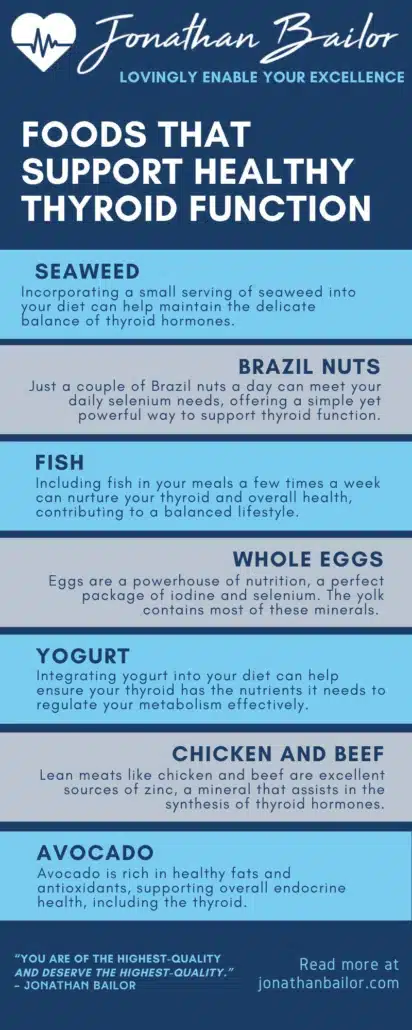
Foods That Support Healthy Thyroid Function - Jonathan Bailor

Feeling Better Is Priceless, That's Why We Don't Put A Price On It!

“It’s Like A Free and Medically Valid Version of Noom and Weight Watchers Online”

~ Dr. Doctor Matthew Oleshiak, MD

Click the 'LEARN MORE' button below for free lifetime access to the fast fix program developed by Jonathan and top Ivy League Medical Doctors

LEARN MORE

P.S. It's not a free trial. It's not part of the program for free. The entire program is free, forever, for real! No credit card needed.

Thyroid, Weight Management, and the Role of Weight Loss Drugs

Thyroid Function and Its Impact on Weight Management

The thyroid gland is often referred to as the body’s metabolic powerhouse, playing a central role in regulating energy expenditure and weight. When thyroid function becomes imbalanced, such as in hypothyroidism, it can lead to significant weight challenges. Slowed metabolism, fatigue, and water retention are common symptoms, making weight loss particularly difficult despite dietary and lifestyle changes.

For those facing these challenges, weight loss drugs may offer additional support for certain individuals. These medications can help counteract the metabolic slowdown caused by thyroid dysfunction, making it easier to manage weight under medical guidance. When paired with a thyroid-friendly diet rich in iodine, selenium, and zinc, and a balanced exercise routine, weight loss drugs can become a valuable tool in achieving overall wellness.

However, it’s essential to approach weight management holistically. Weight loss drugs should be considered as part of a broader health strategy that includes proper thyroid treatment, regular monitoring by healthcare providers, and sustainable lifestyle changes. Together, these elements can support not only weight loss but also long-term thyroid health and metabolic balance.

Foods to Approach with Caution for Thyroid Health

While nourishing the thyroid with beneficial foods is essential, it’s equally important to be mindful of what we might need to limit or avoid.

Despite its small size, the thyroid plays a gigantic role in our metabolism, energy, and overall health. However, while generally healthy, certain foods can interfere with thyroid function, especially in individuals with specific thyroid conditions. It’s about finding a balance and understanding how certain foods interact with our unique bodies.

This list of foods to approach cautiously is not about fear or complete avoidance. It’s about being informed and making choices that align with our health goals, especially when it comes to supporting our thyroid. With this knowledge, we can tailor our diets to suit our individual needs, ensuring our thyroid gets the support it requires.

Here are five foods that individuals with thyroid concerns might need to consume with consideration.

1. Soy: A Complex Contender

Soy products, celebrated for their versatility and health benefits, contain isoflavones that can mimic thyroid hormones and potentially impair thyroid function, leading to thyroid problems. This doesn’t mean soy is off-limits, but rather, moderation is key, especially for those with existing thyroid issues. Fermented soy products like tempeh or miso are generally considered better options, as fermentation reduces the goitrogenic activity.

Incorporating soy in small amounts, balanced with a diet rich in other thyroid-supportive foods, can mitigate potential risks.

2. Cruciferous Vegetables: A Delicate Balance

Vegetables like broccoli, cauliflower, and kale are packed with nutrients but also contain goitrogens, substances that can interfere with thyroid hormone production. Cooking these vegetables can help reduce their goitrogenic effect, making them safer for consumption.

They don’t need to be eliminated from the diet entirely; instead, cooking and consuming them in moderation can allow you to enjoy their health benefits without adversely affecting your thyroid.

3. Gluten: The Hidden Disruptor

For individuals with thyroid issues, especially an autoimmune disease like Hashimoto’s thyroiditis, gluten can exacerbate symptoms. Gluten in wheat, barley, and rye can trigger an inflammatory response and potentially affect thyroid function.

Opting for gluten-free grains and flours can help manage this risk, allowing the thyroid to function more effectively without the additional stress from gluten. Or, better yet, ditch grain foods and get your fiber from non-starchy vegetables!

4. Processed Foods: A Tangled Web of Additives

Processed foods are often laden with unhealthy fats, sugars, and additives that can tax the thyroid and lead to a thyroid disorder. They’re typically low in the nutrients the thyroid needs to thrive, such as selenium, zinc, and antioxidants.

By focusing on whole, unprocessed foods, you can provide your thyroid with the nourishment it needs while avoiding the empty calories and harmful ingredients found in many processed products.

For those whose weight and thyroid function are impacted by poor dietary choices, healthcare professionals may suggest a comprehensive plan that includes weight loss drugs for compatible individuals. Such medications can help mitigate the effects of a high-calorie, low-nutrient diet on thyroid health, especially when paired with whole, nutrient-rich foods.

5. Excess Iodine: Too Much of a Good Thing

While iodine is crucial for thyroid health, too much iodine can lead to thyroid dysfunction, especially an overactive thyroid (hyperthyroidism). Foods and supplements with high iodine content, such as iodized table salt, seaweed, and certain multivitamins, should be consumed judiciously. The key is balance, ensuring you get enough iodine for optimal thyroid function without overdoing it.

Monitoring your iodine intake, especially if you have an existing thyroid condition, can help maintain this balance.

In the journey towards supporting your thyroid, knowledge is your best ally. Understanding how these foods interact with your thyroid allows you to make informed decisions about your diet, tailoring it to support your health and well-being.

Remember, it’s not about eliminating foods but about creating a balanced, nutrient-rich diet that nurtures your thyroid and your body as a whole.
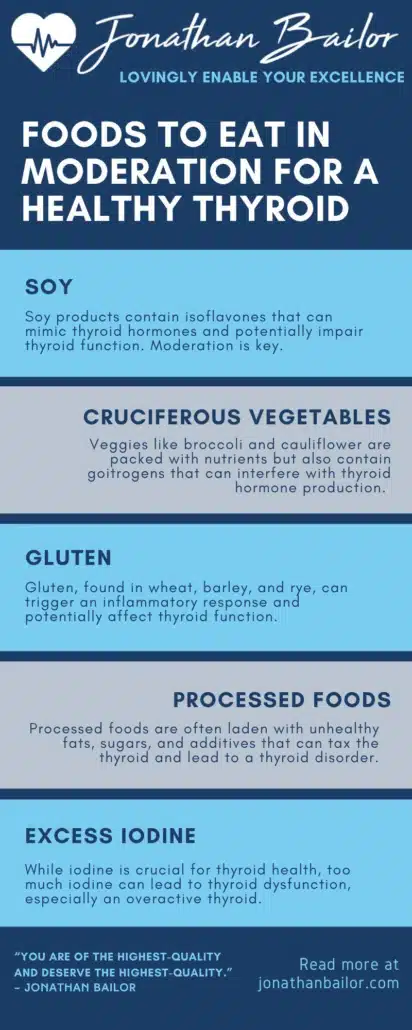
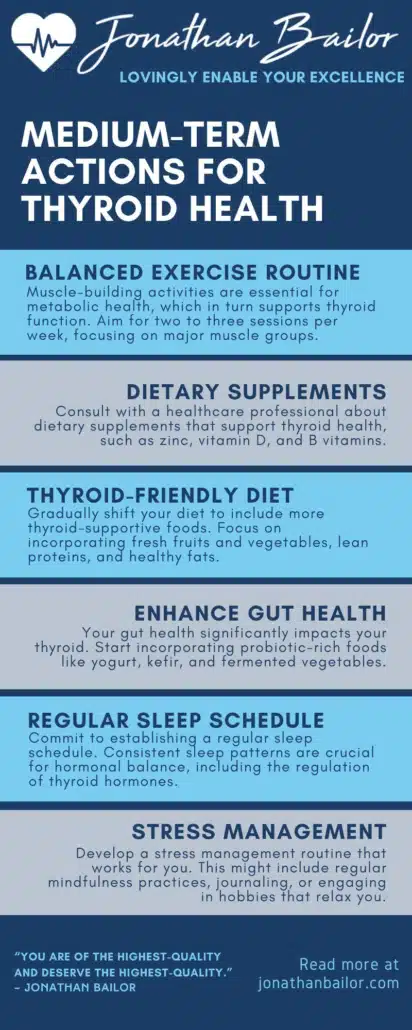
Foods to Eat in Moderation for a Healthy Thyroid - Jonathan Bailor

Thyroid Health FAQ

Navigating through the sea of information on thyroid health can sometimes feel like deciphering an intricate puzzle. With the thyroid playing such a crucial role in our body’s metabolism and energy regulation, it’s natural to have questions about how best to support its function.

Below are answers to some frequently asked questions about thyroid health, offering clarity and guidance on this vital topic.

1. What are the signs of an underactive thyroid (hypothyroidism)?

An underactive thyroid, or hypothyroidism, can manifest through various symptoms, reflecting its wide-reaching impact on the body’s functions. Common signs include unexplained fatigue, weight gain despite no change in diet or exercise habits, sensitivity to cold, dry skin, hair thinning, and changes in mood, such as feeling unusually depressed or forgetful.

Since these symptoms can be quite general and overlap with other conditions, it’s important to consult a healthcare provider for an accurate diagnosis and treatment.

2. Can diet alone manage thyroid conditions?

Diet plays a significant role in supporting thyroid health, but it’s usually part of a broader management plan, especially for those with diagnosed thyroid disorders. Nutrient-rich foods can support thyroid function and overall well-being, but they might not be enough to manage a thyroid condition on their own.

Thyroid hormone medication, such as hormone replacement therapy for primary hypothyroidism, is often necessary and should be guided by a healthcare professional. More than one thyroid medication may also be required to manage specific thyroid diseases. Always see your healthcare provider about any health concerns. A balanced approach combining diet, lifestyle changes, and medical treatment offers the best pathway to managing thyroid health.

While diet plays a crucial role in supporting thyroid health, weight loss drugs may also be recommended for certain individuals experiencing obesity linked to thyroid dysfunction. These medications, used as part of a comprehensive plan, can enhance the benefits of a thyroid-supportive diet and lifestyle changes, particularly for managing weight-related symptoms.

3. Are there natural supplements that support thyroid health?

Several natural dietary supplements are thought to support thyroid health, including selenium supplements, zinc, and vitamin D. These nutrients play roles in thyroid hormone production and regulation. However, it’s crucial to approach supplementation cautiously, as excessive intake can lead to adverse effects.

Always consult a healthcare provider before starting any new supplement, especially if you have a thyroid condition, to ensure it’s safe and appropriate for your specific health needs.

4. How does exercise impact thyroid health?

Regular, moderate exercise can positively impact thyroid health by helping regulate thyroid hormone levels, reduce stress, and improve overall well-being. However, it’s important to note that excessive or intense exercise may have the opposite effect, potentially straining the thyroid gland.

Finding a balanced exercise routine that includes activities like walking, yoga, and strength training can support thyroid health without overexertion.

5. Is it necessary to avoid goitrogenic foods to maintain thyroid health?

Goitrogenic foods, such as cruciferous vegetables and soy products, can interfere with thyroid hormone production in large quantities. However, for most people, these foods can be part of a healthy diet when consumed in moderation and, ideally, cooked, which reduces their goitrogenic effect.

If you have a thyroid condition, particularly one that’s iodine-sensitive, it’s wise to discuss your diet with a healthcare provider to determine the best approach for you.

Understanding thyroid health can empower you to make informed decisions about your diet, lifestyle, and treatment options. Remember, each person’s journey with thyroid health is unique, so it’s important to work closely with healthcare professionals to tailor a plan that meets your needs.
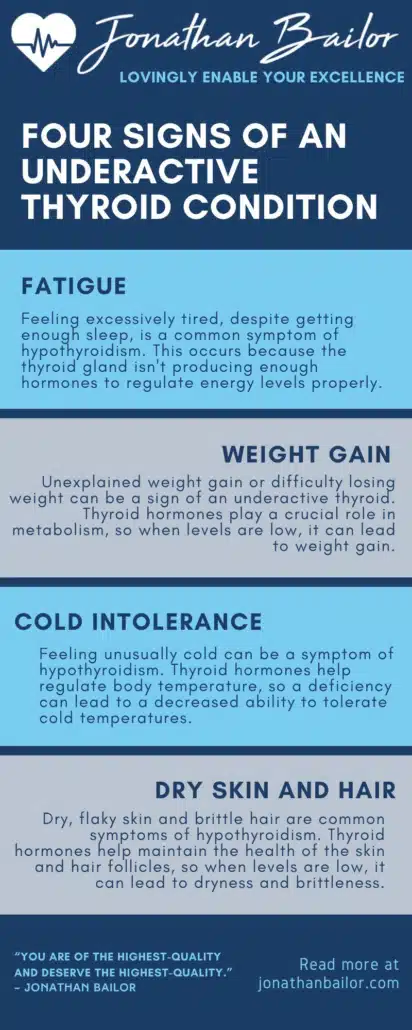
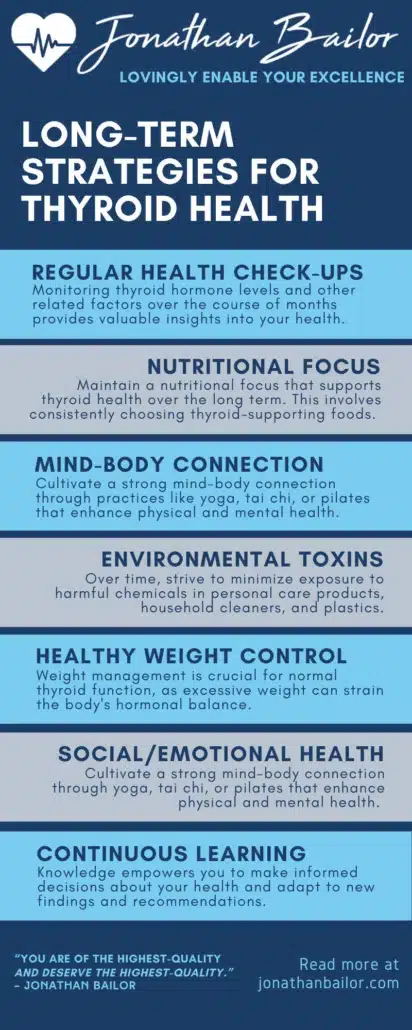
Four Signs of an Underactive Thyroid Condition - Jonathan Bailor

Embrace and Share the Journey to Thyroid Wellness

As we wrap up our exploration of supporting thyroid health through mindful eating and lifestyle choices, remember that the journey to wellness is not one we walk alone. The insights and foods discussed offer a pathway to not just better thyroid health but to a fuller, more vibrant life. Sharing this knowledge with friends and family can spark conversations, inspire changes, and even offer support to someone unknowingly searching for answers.

So, let’s take this journey together. Share this guide across all social media platforms and email. Together, we can spread the word about nurturing our thyroid, the guardian of our metabolism and energy, and foster a community of health and awareness.

Feeling Better Is Priceless, That's Why We Don't Put A Price On It!

“It’s Like A Free and Medically Valid Version of Noom and Weight Watchers Online”

~ Dr. Doctor Matthew Oleshiak, MD

Click the 'LEARN MORE' button below for free lifetime access to the fast fix program developed by Jonathan and top Ivy League Medical Doctors

LEARN MORE

P.S. It's not a free trial. It's not part of the program for free. The entire program is free, forever, for real! No credit card needed.
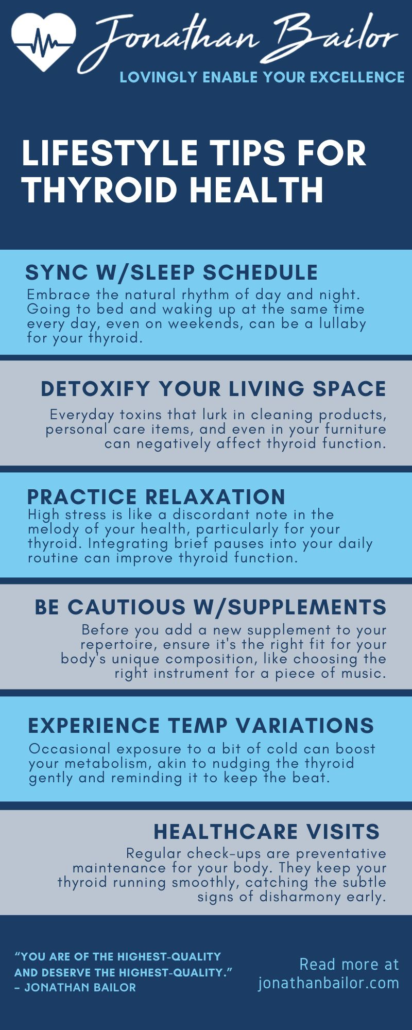
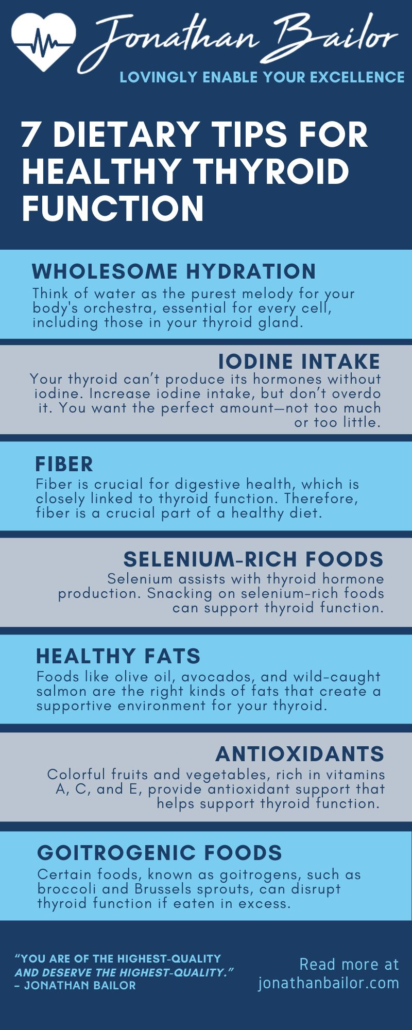
23 Simple Tips to Boost Thyroid Health Naturally

Here are 23 lifestyle tips to naturally improve thyroid health in this comprehensive Thyroid Health post with Jonathan Bailor!

Imagine your body as a musical instrument, and the thyroid? It’s the maestro orchestrating a symphony of metabolic processes that keeps you feeling your best. But sometimes, this maestro can get a bit out of tempo. It doesn’t shout for attention; instead, it might hint at its distress with a yawn too many, a chill you can’t seem to shake off, or a stubborn scale that won’t budge. And these small signs matter, especially as we move through the chapters of our lives.

Supporting your thyroid is not just about reacting to trouble. It’s about pro-active harmony. It’s about lifestyle choices that sing in tune with your body’s needs—choices that could be as simple as embracing relaxation or as joyful as basking in the morning sun.

This conversation is not limited to a certain age, nor is it a narrative meant for one stage of life over another. It’s a timeless tale of balance, health, and vitality. Whether you’re juggling the demands of family life, thriving in the bustle of a career, or savoring the freedom of retirement, these simple tips are tailored for everyone seeking to nourish their inner vitality and reduce the risk of thyroid disorders.

And because well-being is a melody meant to be shared, this article is crafted for connection. It’s an invitation to join in a collective chorus of health. When you find a tip that resonates, let it ripple out through your circles by sharing it with those you cherish. Each shared piece of advice becomes a note in a greater harmony, a unified rhythm that uplifts, empowers, and enriches.

Let’s begin this shared journey towards a naturally vibrant thyroid and a symphony of health that’s as much a pleasure to share as it is to experience.

Thyroid Thriving: Easy Lifestyle Tweaks for Happy Hormonal Harmony

Setting out on a journey to enhance your thyroid function and reduce the risk of thyroid disease can be a serene and enlightening experience, much like a peaceful stroll through a lush, vibrant garden. It’s about nurturing more than just your physical self; it’s about the gentle yet impactful lifestyle choices that create a harmonious environment for your entire being. These changes are particularly crucial when it comes to your thyroid, a small gland with a powerful influence on your overall well-being.

These lifestyle changes can improve your health and well-being, like nurturing sunlight and refreshing rain in your body’s garden. They may help in balancing your thyroid function, supporting your metabolism, and enhancing your energy levels.

Let’s delve into these transformative steps, each a thread in the intricate tapestry of your daily life, weaving together a beautiful balance that supports and elevates your thyroid’s health.

1. Sync with Your Sleep Cycle

Embrace the natural rhythm of day and night. Going to bed and waking up at the same time every day, even on weekends, can be a lullaby for your thyroid.

In the stillness of sleep, your body conducts its repair symphonies, fine-tuning your hormones, including those produced by your thyroid, which can support normal thyroid function.

2. Detoxify Your Living Space

Your home should be a sanctuary, not a source of stress for your thyroid. Consider the unseen guests—everyday toxins that lurk in cleaning products, personal care items, and even in your furniture — that can negatively affect thyroid function.

Opt for natural, fragrance-free products to create an environment where your thyroid doesn’t have to sing over a cacophony of chemicals.

3. Master the Art of Relaxation

High stress is like a discordant note in the melody of your health, particularly for your thyroid. Integrate brief pauses into your daily routine.

A moment of stillness, a deep breath, or a quiet observation of nature can be a respite for your thyroid amid the orchestra of life’s hustle. Regular relaxation can help improve thyroid function.

4. Be Selective with Supplements

Not all that glitters is gold when it comes to dietary supplements. Your thyroid could benefit from certain minerals and vitamins, like selenium and zinc, but it’s a delicate balance.

Before you add a new supplement to your repertoire, ensure it’s the right fit for your body’s unique composition, like choosing the right instrument for a piece of music.

5. Embrace Mild Temperature Variations

Just as a maestro adjusts the temperature for the perfect acoustic environment, allow your body to experience gentle variations in temperature.

Occasional exposure to a bit of cold can boost your metabolism, akin to nudging the thyroid gently and reminding it to keep the beat.

6. Prioritize Your Preventive Healthcare Visits

Tune-ups aren’t just for pianos but for people too. Regular check-ups are preventative maintenance for your body.

They keep your thyroid playing its notes perfectly clearly, catching the subtle signs of disharmony before they crescendo into larger concerns.

For individuals managing thyroid-related weight challenges, healthcare providers may recommend a comprehensive plan that includes lifestyle adjustments and, in some cases, weight loss drugs for compatible patients. These options aim to support overall health and ease the burden on thyroid function.

Adopting these lifestyle changes is like learning to play a new instrument. Start slowly, note by note, until the music of wellness becomes second nature.

Lifestyle Tips for Thyroid Health - Jonathan Bailor

Feeling Better Is Priceless, That's Why We Don't Put A Price On It!

“It’s Like A Free and Medically Valid Version of Noom and Weight Watchers Online”

~ Dr. Doctor Matthew Oleshiak, MD

Click the 'LEARN MORE' button below for free lifetime access to the fast fix program developed by Jonathan and top Ivy League Medical Doctors

LEARN MORE

P.S. It's not a free trial. It's not part of the program for free. The entire program is free, forever, for real! No credit card needed.

Nourishing Thyroid Harmony: Dietary Keys to Unlocking Healthy Thyroid Functions

Let’s take a culinary voyage that’s about more than tantalizing your taste buds; this is a journey toward nurturing your thyroid, that pivotal maestro of your metabolic symphony. In the realm of thyroid care, what we choose to put on our plates plays a melodious tune that can harmonize our health.

These dietary changes are like carefully selected ingredients in a recipe for well-being, each one adding its own unique flavor to support and revitalize your thyroid function. From the symphony of nutrients to the chorus of wholesome foods, these dietary adjustments are your culinary allies in maintaining thyroid balance. They not only enrich your meals but also contribute to enhancing your energy levels, stabilizing your metabolism, and supporting your overall health.

Let’s savor these transformative dietary choices, each a delectable bite in the banquet of your daily life, creating a splendid balance that serenades your thyroid function.

1. Embrace Wholesome Hydration

Think of water as the purest melody for your body’s orchestra, essential for every cell, including those in your thyroid gland.

Drinking adequate water throughout the day isn’t just about quenching thirst; it’s about maintaining the fluid balance that allows your thyroid to harmonize with other organs.

2. Increase Iodine Intake Judiciously

Iodine is the virtuoso in the thyroid concert, without which your thyroid can’t produce its hormones.

Sea vegetables, like kelp and nori, are naturally rich in iodine. Incorporate them into your diet with the precision of adding a pinch of salt to a dish—you want the perfect amount, not too much or too little.

3. Fiber—The Body’s Rhythm Section

Just as rhythm is essential in music, fiber is crucial for digestive health, which is closely linked to thyroid function. Fiber, which you will not find in most processed foods, is a crucial part of a healthy diet.

Foods rich in fiber, like fruits, vegetables, and legumes, help maintain digestive harmony and support a healthy metabolism, allowing your thyroid to perform seamlessly.

For those with thyroid-related metabolic challenges, healthcare professionals might suggest weight loss drugs for certain individuals as part of a broader strategy to stabilize weight and reduce strain on thyroid function. This approach complements a high-fiber diet in supporting a balanced metabolism.

4. Select Selenium-Rich Foods

Selenium conducts the enzyme orchestra that assists with thyroid hormone production.

Snacking on a handful of Brazil nuts, which are like little conductors brimming with selenium, can support thyroid function without overwhelming your system with a surplus of supplements.

5. Choose Healthy Fats

Your thyroid thrives on a diet harmonious with healthy fats. Think of monounsaturated and omega-3 fats as the smooth, sustained notes that support your thyroid’s rhythm.

Foods like olive oil, avocados, and wild-caught salmon are the right kinds of fats that create a supportive environment for your thyroid.

6. Tune in to Antioxidants

Antioxidants are like the restorative pauses in a musical piece that bring balance and beauty.

Colorful fruits and vegetables, rich in vitamins A, C, and E, provide antioxidant support that helps mitigate oxidative stress, ensuring your thyroid gland doesn’t become overwhelmed by the body’s metabolic processes.

7. Goitrogenic Foods in Moderation

Just as a beautiful symphony isn’t played at full volume throughout, certain foods, known as goitrogens, should be consumed in moderation. These include cruciferous vegetables like broccoli and Brussels sprouts.

When eaten in excess, particularly raw, they can disrupt the thyroid’s natural rhythm. Cook these vegetables to reduce their goitrogenic activity, blending them into your diet like a soft undertone rather than a dominating melody.

By incorporating these dietary adjustments, you orchestrate a balanced and thyroid-supportive diet that plays in tune with your body’s overall health symphony.

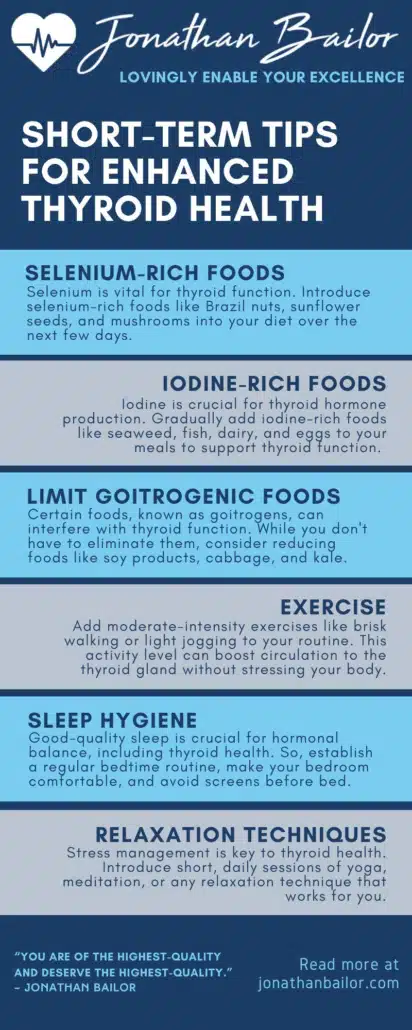
7 Dietary Tips For Healthy Thyroid Function - Jonathan Bailor

Graceful Movements for Thyroid Vitality: Exercise Elixirs for Thyroid Wellness

Step into a world where movement isn’t just exercise; it’s a graceful dance that enhances your thyroid function. Imagine each activity as a gentle yet powerful gesture of care towards your thyroid, that vital conductor of your body’s energy orchestra.

In the delicate ballet of thyroid management, the way we move and stretch plays an integral role, much like a beautifully choreographed dance that nurtures and protects our health.

These exercise and activity changes are akin to a series of elegant steps, each one designed to resonate with your thyroid rhythm. They not only help in maintaining the delicate balance of thyroid function but also contribute to boosting your metabolism, elevating your mood, and enhancing your overall vitality.

Let’s embrace these transformative movements, each a fluid and harmonious step in the daily dance of life, creating a symphony of well-being that sings to the tune of thyroid health.

1. Moderate-Intensity Aerobic Movements

Like a steady beat that keeps a song grounded, moderate-intensity aerobic exercise—such as brisk walking, swimming, or cycling—can help maintain a rhythmic thyroid function.

Aim for about 150 minutes per week to keep the tempo of your body’s metabolism in a harmonious flow.

2. Strength Training Rhythms

Consider strength training as the strong and steady drumbeat that supports the melody. Engaging in resistance exercises a couple of times a week can help build muscle, which in turn supports a healthy metabolism.

This doesn’t necessarily mean heavy weights; bodyweight exercises can be a harmonious addition to your routine.

3. Yoga—The Harmonizing Flow

Yoga stretches and poses are like the harmonies that enhance a song’s melody, bringing balance and flexibility to your body.

Certain yoga asanas are designed to support the endocrine system, providing a gentle yet effective way to encourage healthy thyroid function.

4. Tai Chi—The Graceful Dance

Tai Chi moves with the grace of a slow dance, promoting stress reduction and a calm mind, which is essential for hormonal balance.

The gentle, flowing movements are particularly suitable for those who may find high-impact exercises too jarring.

5. Interval Training Crescendos

High-Intensity Interval Training (HIIT) introduces the crescendos and decrescendos in your exercise symphony, with short bursts of intense activity followed by periods of rest.

These variations can enhance metabolic rates and support hormonal balance, including the thyroid hormones.

Incorporating these physical activities into your daily life can help you maintain the natural rhythm and balance required for optimal thyroid function.

Physical Exercises for Thyroid Health - Jonathan Bailor

Soothing the Soul for Thyroid Harmony: Mental and Spiritual Serenades for Thyroid Wellness

Now, it’s time to embark on a tranquil journey where the mind and spirit align in a serene symphony for thyroid health. This path is more than just a physical endeavor; it’s an exploration of mental and spiritual tranquility that gently whispers to your thyroid, nurturing its delicate balance.

In the realm of thyroid care, our thoughts, emotions, and inner peace play an instrumental role, much like a harmonious melody that soothes and rejuvenates our entire being.

These mental and spiritual changes are like soft, soothing notes in a lullaby for your well-being, each one resonating with the deepest fibers of your soul to foster healthy thyroid function. They offer a sanctuary of calm, assisting in stress reduction, emotional balance, and spiritual connectivity, all of which are vital for maintaining thyroid harmony.

Let’s embark on these transformative practices, each a mindful and soulful step in your daily life’s rhythm, creating a beautiful harmony that nurtures and enlivens your thyroid wellness.

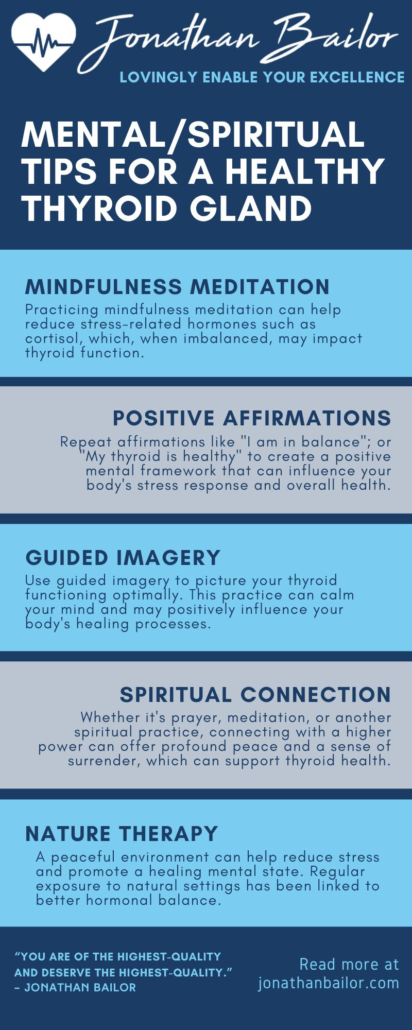
1. Mindfulness Meditation

Imagine your thoughts like leaves on a stream, observed but not interfered with. Practicing mindfulness meditation can help reduce stress-related hormones such as cortisol, which, when imbalanced, may impact thyroid function.

Dedicate a few minutes each day to sit quietly, breathe deeply, and observe your thoughts to help maintain a serene hormonal environment.

2. Positive Affirmations

Your words have the power to compose your reality. Start your day by affirming your health and wellness with positive statements.

Repeat affirmations like “I am in balance”; or “My thyroid is healthy” to create a positive mental framework that can influence your body’s stress response and overall health.

3. Guided Imagery

Envision health and balance in your body as vividly as a painter visualizes the masterpiece before the brush touches the canvas.

Use guided imagery to picture your thyroid functioning optimally. This practice can calm your mind and may positively influence your body’s healing processes.

4. Spiritual Connection

Whether it’s prayer, meditation, or another spiritual practice, connecting with a higher power can offer profound peace and a sense of surrender.

This connection often reduces stress and promotes a holistic approach to well-being that includes thyroid function.

5. Nature Therapy

Spend time in nature as if you’re absorbing the calmness of the forest or the serenity of the ocean. A peaceful environment can help reduce stress and promote a healing mental state. Regular exposure to natural settings has been linked to better hormonal balance and overall well-being.

Each of these mental and spiritual practices offers a gentle pathway to support the complex workings of your thyroid, contributing to a holistic approach to health that harmonizes the mind, body, and spirit.

Mental Spiritual Tips for a Healthy Thyroid Gland - Jonathan Bailor

Thyroid Health Decoded: Your Essential FAQs Answered

Q1: What are the early signs that my thyroid might not be functioning properly?

Thyroid dysfunction can cause several symptoms. For example, if your thyroid begins to falter, you may notice subtle shifts in your body’s rhythms.

Fatigue can drape over you like a heavy blanket, despite a full night’s rest. You might find the scale creeping up, weight gain without changes in your eating habits, or feel a chill in your bones even on warm days. Your skin may lose its moisture, and even your hair could protest with dryness and unexpected loss.

These whispers of change are your body’s way of signaling that it’s time to listen closely to your thyroid.

Q2: Can stress really affect my thyroid function, and how can I mitigate its impact?

Imagine your body as a finely tuned instrument, with stress as the unwelcome noise distorting the harmony.

Chronic stress sends waves of cortisol through your system, which can play havoc with thyroid function, often leading to thyroid problems. To dial down the cacophony, engage in stress-reducing activities such as yoga, deep-breathing exercises, or a leisurely walk.

By creating moments of tranquility, you can help your body find its way back to a more melodious state.

Q3: Is there a connection between thyroid function and sleep?

Indeed, the dance between sleep and your thyroid is closely choreographed. A thyroid that’s out of sync can lead to an erratic sleep pattern, making the quest for rest a nightly challenge. On the flip side, insufficient sleep can stress the thyroid.

Aim for a sleep routine that’s as consistent as the sun’s rise and set. A restful seven to eight hours of sleep can be a balm for your thyroid, offering it the respite it needs to function smoothly.

Q4: How does my thyroid function affect my overall energy levels?

Your thyroid acts as the maestro of your metabolism, dictating the tempo with which your body burns energy.

When your thyroid is sluggish, called underactive thyroid or low thyroid function, you might feel as if you’re wading through molasses, with every task feeling monumental. On the other hand, an overactive thyroid can have you fluttering like a leaf in the wind, unable to settle.

Proper thyroid function depends on thyroid-stimulating hormone, which is responsible for regulating thyroid hormone production. Balancing your thyroid hormone levels is key to restoring your energy levels to that sweet spot where life feels in flow.

In some cases, managing weight effectively can play a critical role in improving energy levels and thyroid function. Weight loss drugs might be considered for certain individuals where weight significantly impacts thyroid hormone regulation, providing an additional tool in achieving balance.

Q5: Can certain foods support thyroid function?

While food alone isn’t a panacea, it can play a supportive role in healthy thyroid function.

Some foods are like friends to your thyroid, rich in nutrients like iodine, selenium, and zinc that it adores. Think of oceanic treasures like fish and seaweed or earthy delights such as nuts and seeds. However, it’s just as important to be mindful of foods that can be less than friendly to your thyroid when consumed in excess, such as those brimming with soy or raw cruciferous vegetables.

Balance, as with all things, is the key to a thyroid-friendly diet.

Sharing the Symphony of Thyroid Health: A Closing Note on Empowering Wellness

As we close this chapter on nurturing your thyroid, remember that small ripples can create waves of health that extend far beyond the shore of your own well-being.

If these tidbits of wisdom have resonated with you, consider them as notes in a melody meant to be shared. Let this knowledge cascade to those you hold dear by passing it along through emails, or let it take flight across the vast skies of social media. Each share is an echo of care, a harmony added to the chorus of collective health.

Thank you for joining in this journey—may it lead you to vibrant health and inspire those in your circle to do the same.

Feeling Better Is Priceless, That's Why We Don't Put A Price On It!

“It’s Like A Free and Medically Valid Version of Noom and Weight Watchers Online”

~ Dr. Doctor Matthew Oleshiak, MD

Click the 'LEARN MORE' button below for free lifetime access to the fast fix program developed by Jonathan and top Ivy League Medical Doctors

LEARN MORE

P.S. It's not a free trial. It's not part of the program for free. The entire program is free, forever, for real! No credit card needed.
19 Ways to Improve Thyroid Function Naturally for Weight Control

Are you feeling like your metabolism isn’t what it used to be? It might be time to look at your thyroid health. Join Jonathan Bailor in this Thyroid Health Guide as he sheds light on how to maintain optimal thyroid function. The thyroid, a small gland in the neck, has a huge job: it regulates metabolism, energy, and overall well-being. When it’s out of sync, so is everything else, including your weight.

Understanding thyroid health is crucial for maintaining overall well-being, including metabolism and weight management. For certain individuals, weight loss drugs may complement efforts to manage weight effectively

Learning how to support thyroid health naturally can be a game-changer, especially if you notice your energy dipping or your weight creeping up without an obvious reason. It’s not just about taking medication—there are natural strategies that can bolster your thyroid function and help manage your weight effectively.

Improving thyroid function naturally encompasses a variety of approaches, from tweaking your diet to incorporating specific nutrients that support thyroid health. It’s about creating a lifestyle that continuously nurtures this vital gland. This not only helps in maintaining a healthy weight but also enhances your overall vitality and well-being.

Why focus on natural ways? Because they are sustainable and can seamlessly integrate into your daily life, they are practical for long-term health maintenance. These strategies don’t require drastic changes but rather encourage a balanced approach to eating, exercising, and living.

Ready to give your thyroid the support it needs? This comprehensive guide will explore several natural methods to enhance thyroid function. Each strategy is designed to be simple yet effective, ensuring you can implement them no matter your lifestyle.

Stay tuned as we explore these natural avenues to improve thyroid health and reclaim the energy and vitality you deserve. Share this journey with friends and family who might also benefit from understanding the critical role the thyroid plays in our health and how naturally supporting it can significantly improve how we feel and live every day.

Essential Lifestyle Changes to Support Thyroid Health

Managing thyroid health extends beyond what we eat and how much we move. It encompasses a broader spectrum of lifestyle choices that influence our body’s systems, including this vital gland. While diet and exercise are foundational, other aspects of our daily routines play a significant role in maintaining thyroid function and ensuring our metabolism runs smoothly.

Here are five key lifestyle changes that can positively impact your thyroid health. These changes can help maintain balance and efficiency in ways that aren’t always obvious but are certainly powerful.

1. Prioritize Sleep Quality

Good sleep isn’t just about quantity; it’s about quality. Ensuring you get enough restful sleep is crucial for thyroid health. The thyroid gland works closely with your sleep cycles to regulate hormones, including thyroid-stimulating hormone (TSH).

A lack of sleep or poor-quality sleep can disrupt these cycles, leading to imbalances.

Aim for 7-9 hours of good-quality sleep per night, maintaining a consistent sleep schedule, even on weekends, to support your thyroid.

2. Reduce Exposure to Toxins

Everyday environments are often laden with chemicals that can interfere with thyroid function. Common culprits include pesticides, plasticizers (like BPA), and heavy metals such as lead and mercury. These substances can disrupt the endocrine system, of which the thyroid is a part, potentially leading to thyroid imbalances.

Limit exposure by opting for organic produce when possible, using natural cleaning products, and ensuring your drinking water is free from contaminants.

3. Manage Stress Levels

Chronic stress is a silent enemy of the thyroid. It can lead to an overproduction of cortisol, which, in excess, can inhibit TSH and the conversion of thyroid hormones from inactive to active forms.

Managing stress through relaxation techniques—like deep breathing, mindfulness, or yoga—can help maintain a balance in cortisol levels and support overall thyroid health.

4. Foster Healthy Relationships

Social connections and healthy relationships contribute to overall well-being and, indirectly, thyroid health. Positive interactions help manage stress and mitigate its adverse effects on the thyroid.

Building a supportive network and engaging in social activities can keep your spirits high and ensure your body’s systems, including the thyroid, function smoothly.

5. Regular Health Check-ups

Keeping up with regular medical check-ups can catch thyroid issues before they become problematic. Early detection through routine blood tests can reveal thyroid imbalances that might not yet be causing symptoms.

These check-ups allow for timely intervention, which is crucial in preventing long-term complications associated with thyroid dysfunction.

By integrating these lifestyle adjustments, you can create a supportive environment for your thyroid, ensuring it functions at its best.

These changes might seem small in isolation, but collectively, they make a powerful regime that nurtures your thyroid and enhances your overall health.

Feeling Better Is Priceless, That's Why We Don't Put A Price On It!

“It’s Like A Free and Medically Valid Version of Noom and Weight Watchers Online”

~ Dr. Doctor Matthew Oleshiak, MD

Click the 'LEARN MORE' button below for free lifetime access to the fast fix program developed by Jonathan and top Ivy League Medical Doctors

LEARN MORE

P.S. It's not a free trial. It's not part of the program for free. The entire program is free, forever, for real! No credit card needed.
Key Dietary Adjustments to Enhance Thyroid Function

While lifestyle factors play a crucial role in maintaining thyroid health, the impact of a healthy diet cannot be understated. What you eat provides the building blocks for your hormones and influences how your body manages these hormonal processes.

For those looking to support their thyroid and improve metabolic balance, here are several dietary changes that can make a significant difference. These adjustments focus on nourishing your thyroid with essential nutrients while avoiding substances that can disrupt its function. While dietary strategies are foundational for thyroid health, compatible individuals with significant weight concerns linked to thyroid function may find that medical interventions, including weight loss drugs, complement their efforts.

1. Increase Selenium Intake

Selenium is vital for converting thyroid hormones from inactive to active forms. Foods rich in selenium, such as Brazil nuts, sunflower seeds, and mushrooms, can support this process.

Incorporating a small handful of Brazil nuts into your diet a few times a week can help maintain adequate selenium levels, which are essential for optimal thyroid function.

2. Boost Iodine Consumption

Iodine is a critical component of thyroid hormones. An iodine deficiency can lead to thyroid dysfunction and imbalances. Incorporate iodine-rich foods like seaweed, fish, and dairy into your diet to ensure you get enough of this essential mineral.

However, consuming iodine in moderation is vital, as excessive intake can also disrupt thyroid function.

3. Limit Goitrogenic Foods

Certain foods, known as goitrogens, can interfere with thyroid function, particularly when consumed in large quantities and in their raw form. These include cruciferous vegetables like broccoli, cauliflower, and kale.

Cooking these vegetables can help reduce their goitrogenic properties, allowing you to enjoy their health benefits without negatively impacting your thyroid.

4. Avoid Excessive Soy Consumption

While soy is often praised for its health benefits, it contains isoflavones that can act as goitrogens, especially when iodine intake is low.

Limiting soy intake to moderate levels and opting for fermented soy products like tempeh or miso can help mitigate these effects, ensuring that soy’s benefits can be enjoyed without compromising thyroid health.

5. Monitor Your Sugar Intake

Excessive sugar and high-glycemic carbohydrates can lead to fluctuations in blood sugar and insulin levels, which can stress the thyroid.

Opting for lower-glycemic fruits, vegetables, and legumes can help maintain steady blood sugar levels, which supports overall hormonal balance, including thyroid hormones.

6. Hydration is Key

Adequate hydration is essential for overall bodily functions, including the production of thyroid hormones. Ensure you drink enough water throughout the day to help facilitate hormone transport and cellular function.

Proper hydration supports all bodily systems and can help enhance the efficacy of the nutrients you consume for thyroid health.

By implementing these dietary strategies, you can create a supportive nutritional environment for your thyroid, helping it function efficiently and effectively.

This proactive approach can significantly contribute to balanced hormone levels and improved overall health.

Physical Activities to Enhance Thyroid Function and Weight Control

Physical activity is critical to maintaining overall health and can particularly impact thyroid function and weight management. Regular exercise helps stimulate metabolism, boost energy levels, and enhance the thyroid gland’s effectiveness.

Here are several exercises that are especially beneficial for those looking to support their thyroid health through physical activity. These activities are chosen not only for their ability to support thyroid function but also for their feasibility for people at various fitness levels.

1. Brisk Walking

Brisk walking is a simple yet effective exercise that can significantly enhance cardiovascular health and aid the metabolic processes influenced by the thyroid. It doesn’t require special equipment and can be done anywhere.

Aim for at least 30 minutes of brisk walking most days of the week. This helps to boost circulation and energy levels, both of which are crucial for optimal thyroid function.

2. Swimming

Swimming is an excellent, low-impact exercise that works out the entire body without stressing the joints. The resistance of the water makes your body work harder, providing a comprehensive workout that supports thyroid health.

Swimming for 30 minutes a few times a week can help enhance heart health, improve metabolism, and increase energy levels, all of which benefit thyroid function.

3. Yoga

Yoga isn’t just beneficial for flexibility and stress reduction—it can also be advantageous for the thyroid, particularly poses like the shoulder stand and the fish pose, which are believed to stimulate the thyroid gland.

Incorporating yoga into your routine a few times a week can help maintain muscle tone, reduce stress, and support hormone production.

4. Cycling

Whether stationary or on the road, cycling is an effective way to improve heart rate and metabolism. It’s another low-impact exercise that can be adjusted according to fitness level and can be especially beneficial for enhancing lower body strength and endurance.

Regular cycling sessions help increase metabolic rate, which is directly linked to thyroid function.

Incorporating these activities into your weekly routine can help you manage your thyroid health more effectively and promote your overall well-being.

Exercise should be a staple in your life, not only for weight control but for its comprehensive health benefits, including those affecting your thyroid.

Mental and Spiritual Practices to Support Thyroid Health

The connection between mental and spiritual well-being and physical health is profound and well-documented. Stress, anxiety, and emotional turmoil can all have tangible effects on bodily functions, including thyroid health.

Integrating mental and spiritual practices into daily routines can be incredibly beneficial for those seeking to enhance thyroid function and overall well-being.

Here are four mental and spiritual changes that can positively impact your thyroid health, helping to cultivate balance and harmony within your body.

1. Meditation

Regular meditation can significantly reduce stress levels, which is crucial since stress hormones can interfere with thyroid hormone production. By setting aside time each day to meditate, even if only for a few minutes, you can help maintain a healthier balance of hormones.

Meditation encourages deep breathing and mindfulness, which have been shown to lower cortisol levels and improve immune function.

2. Guided Imagery

Guided imagery involves visualizing positive images and scenarios to induce mental relaxation. This technique can be particularly useful for managing stress and reducing anxiety, which in turn supports thyroid health.

Incorporating guided imagery into your routine a few times a week can help reinforce a positive mental state and reduce stress-induced inflammation, promoting a healthier thyroid.

3. Gratitude Journaling

Maintaining a gratitude journal can shift your focus from what is stressful or lacking in your life to what is abundant and positive. This shift in perspective can decrease stress and promote a more peaceful state of mind, which supports overall hormonal balance, including thyroid hormones.

Regularly writing down things you’re grateful for can enhance your emotional resilience and improve your mental health.

4. Spiritual Connection

Engaging in spiritual practices that resonate with your beliefs can bring profound peace and satisfaction, which may help regulate your body’s stress response. This might involve prayer, participating in religious services, or spending time in nature.

These activities can foster a sense of connection to a larger purpose, reduce feelings of isolation and stress, and promote a calm, centered state of mind.

Adopting these mental and spiritual practices can create a supportive environment for your thyroid and overall health.

These practices not only enhance your emotional and spiritual well-being but also bring about physiological changes that benefit thyroid function and your body’s overall harmony.

Frequently Asked Questions About Thyroid Health

1. What are common symptoms of thyroid dysfunction?

Common symptoms of thyroid dysfunction vary depending on whether the thyroid is overactive thyroid (hyperthyroidism) or underactive thyroid (hypothyroidism). In hyperthyroidism, symptoms can include weight loss, rapid heartbeat, increased appetite, sweating, anxiety, and tremors.

People with hypothyroidism, or underactive thyroid, in which the thyroid doesn’t produce sufficient thyroid hormones, may present with weight gain, fatigue, dry skin, cold intolerance, hair loss, and depression. Autoimmune thyroid diseases can present additional symptoms.

Both hyperthyroidism and hypothyroidism can significantly impact daily life and require appropriate medical evaluation and management.

2. How does diet affect thyroid health?

Diet plays a critical role in thyroid health by supplying necessary nutrients that support thyroid hormone levels, production, and regulation. Essential nutrients for thyroid function include iodine, selenium, and zinc.

Iodine is vital for synthesizing thyroid hormones, while selenium helps convert hormones to their active forms.

Avoiding excessive intake of goitrogenic foods, such as raw cruciferous vegetables, can also be beneficial, especially if you have an iodine deficiency. You should also avoid heavily processed foods.

3. Can stress really affect my thyroid?

Yes, chronic stress can negatively impact thyroid function. Stress triggers the release of cortisol, which can interfere with thyroid hormone production and balance. Prolonged high cortisol levels may suppress the gland’s ability to release thyroid hormone and convert it to its active form in the body.

Managing stress through various relaxation techniques or counseling can help mitigate its impact on the thyroid.

4. What lifestyle changes can support thyroid health?

In addition to a balanced diet and managing stress, regular physical activity is beneficial for a healthy thyroid. Exercise helps to optimize metabolism, which is influenced by thyroid function. Maintaining a regular sleeping pattern also supports hormonal balance, including thyroid hormones.

Avoiding exposure to environmental toxins like pesticides and certain plastics can further protect thyroid gland function.

5. How often should I check my thyroid function?

The frequency of thyroid function tests can depend on your age, health history, and any symptoms you might be experiencing.

For those with diagnosed thyroid disorders, regular monitoring, as recommended by a healthcare provider, is crucial. For others, routine checks every 1-2 years can be sufficient unless symptoms of thyroid dysfunction occur.

It’s always best to consult a healthcare provider to determine the appropriate screening schedule.

Can weight loss medications help if thyroid-related weight gain doesn’t improve?

In certain cases, healthcare providers might recommend weight loss drugs alongside thyroid treatments to address weight challenges that remain despite optimized thyroid management. These options should always be explored under medical supervision.

Conclusion: Embrace Thyroid Health for a Vibrant Life

Embracing your thyroid health can transform your well-being and empower you to live vibrantly. Integrating mindful diet choices, engaging in physical activities, and adopting beneficial mental and spiritual practices can support your thyroid and enhance your overall health.

If you’ve found these insights helpful, consider sharing them with friends and family through social media or email. Spreading knowledge can inspire others to make positive changes in their lives, creating a ripple effect of health and wellness that benefits us all.

Let’s prioritize our health together and thrive!

Feeling Better Is Priceless, That's Why We Don't Put A Price On It!

“It’s Like A Free and Medically Valid Version of Noom and Weight Watchers Online”

~ Dr. Doctor Matthew Oleshiak, MD

Click the 'LEARN MORE' button below for free lifetime access to the fast fix program developed by Jonathan and top Ivy League Medical Doctors

LEARN MORE

P.S. It's not a free trial. It's not part of the program for free. The entire program is free, forever, for real! No credit card needed.
17 Home Remedies to Support Thyroid Function, Health & Weight Control

Are you looking for natural ways to support your thyroid function, maintain your health, and manage your weight? You’re not alone. In this Thyroid Health Guide by Jonathan Bailor, you’ll learn how to address these concerns effectively.

The thyroid, a small but mighty endocrine gland in the neck, regulates metabolism, energy levels, and overall well-being. The operation of the thyroid gland is complex. Still, the pituitary gland located in the brain releases thyroid-stimulating hormone that prompts the thyroid to make and release more thyroid hormones. When the thyroid isn’t functioning optimally, it can lead to a host of health issues, including weight gain, fatigue, and mood disturbances.

While many medical treatments are available for thyroid conditions, incorporating natural remedies into your daily routine can provide additional support and enhance your overall health. These home remedies are simple, effective, and can be easily integrated into your lifestyle. Whether you’re dealing with hypothyroidism or hyperthyroidism or simply looking to keep your thyroid in tip-top shape, these tips can help you feel your best.

In this article, we’ll explore a range of home remedies that can help support thyroid function, promote health, and aid in weight control. These strategies, from dietary changes and herbal supplements to lifestyle adjustments and stress management techniques, complement conventional treatments and support your body’s natural healing processes.

Thyroid health is not just about managing a single aspect of your well-being; it’s about creating a holistic approach that encompasses nutrition, exercise, and mental wellness. By understanding the key factors that influence thyroid function, you can take proactive steps to maintain balance and harmony within your body.

Stay tuned as we dive into these valuable home remedies, offering practical advice and actionable tips you can implement today. Remember, small changes can lead to significant improvements in your health. Share this article with friends and family who might benefit from these insights, and let’s embark on a journey toward better thyroid health together.

Lifestyle Changes to Support Thyroid Function

Specific lifestyle changes can profoundly impact thyroid function and overall health. Incorporating these adjustments into your daily routine can create a supportive environment for your thyroid to thrive.

Here are some practical lifestyle changes to consider:

1. Reduce Exposure to Environmental Toxins

Everyday products and pollutants can interfere with thyroid function. To reduce your exposure to harmful chemicals, opt for natural, non-toxic cleaning products and personal care items. Avoid plastics containing BPA, as they can disrupt hormonal balance.

Glass or stainless steel containers for food and beverages can help minimize this risk.

2. Prioritize Sleep Quality

Quality sleep is essential for thyroid health and overall well-being. It’s important to maintain a regular sleep routine by going to bed and getting up at the same time every day. Create a restful environment by keeping your bedroom cool, dark, and quiet.

Avoid screen time at least an hour before bedtime to improve sleep quality and support your body’s natural rhythms.

3. Stay Hydrated

Proper hydration is crucial for all bodily functions, including thyroid activity. Aim to drink at least eight glasses of water daily. Consider using a water filter to remove potential contaminants like chlorine and fluoride, which can affect thyroid function.

Herbal teas and infused water with natural flavors like lemon or cucumber can also encourage you to stay hydrated.

4. Limit Exposure to Electromagnetic Fields (EMFs)

Excessive exposure to EMFs from electronic devices can impact your health. Reduce exposure by keeping your phone away from your body when not in use and turning off Wi-Fi routers at night. Use speaker mode or headphones for phone calls to minimize direct contact.

Creating a low-EMF environment can support your overall health and well-being.

By making these lifestyle changes, you can create a healthier environment for your thyroid and support your overall health.

Feeling Better Is Priceless, That's Why We Don't Put A Price On It!

“It’s Like A Free and Medically Valid Version of Noom and Weight Watchers Online”

~ Dr. Doctor Matthew Oleshiak, MD

Click the 'LEARN MORE' button below for free lifetime access to the fast fix program developed by Jonathan and top Ivy League Medical Doctors

LEARN MORE

P.S. It's not a free trial. It's not part of the program for free. The entire program is free, forever, for real! No credit card needed.
Diet Changes to Support Thyroid Function, Health & Weight Control

A well-balanced diet is critical to maintaining thyroid health and managing weight. Making mindful dietary choices can enhance your thyroid function and promote your overall well-being.

Here are five diet changes that can support your thyroid health effectively:

1. Incorporate Selenium-Rich Foods

Selenium is an essential mineral that supports thyroid function. Include selenium-rich foods like Brazil nuts, sunflower seeds, and mushrooms in your diet. Just a tiny handful of Brazil nuts can meet your daily selenium needs.

This mineral helps protect the thyroid gland from oxidative damage and supports the production of thyroid hormones.

2. Consume Iodine-Rich Foods

Iodine is crucial for the production of thyroid hormones. To ensure you are getting enough iodine, integrate iodine-rich foods such as seaweed, fish, and dairy products into your meals. Using iodized salt can also help.

However, balance is critical, as too much and too little iodine, aka iodine deficiency, can affect thyroid function.

3. Increase Zinc Intake

Zinc is vital for thyroid hormone production and immune function. Add zinc-rich foods like oysters, pumpkin seeds, and chickpeas to your diet. A diverse range of zinc sources ensures you receive this vital nutrient regularly.

Including these foods can help maintain a healthy thyroid and support metabolic health.

4. Eat More Antioxidant-Rich Vegetables

Antioxidants protect the thyroid gland from oxidative stress. Incorporate a variety of colorful vegetables like bell peppers, spinach, and broccoli, into your diet. These vegetables are packed with vitamins and minerals that support overall health.

A diet rich in antioxidants can help keep your thyroid functioning optimally.

5. Opt for Healthy Fats

Healthy fats, including thyroid hormones, are essential for hormone production. Include sources of healthy fats, such as avocados, nuts, and olive oil, in your meals. These fats provide the building blocks for hormone synthesis, and help reduce inflammation.

Prioritizing healthy fats can improve thyroid function and overall metabolic health.

These dietary changes can give your thyroid the nutrients it needs to function effectively.

Activity Changes to Support Thyroid Function, Health & Weight Control

Physical activity is integral to maintaining a healthy thyroid and overall well-being. Engaging in the right types of exercise can boost your metabolism, improve your mood, and support your thyroid function.

Here are four activity changes that can make a significant difference:

1. Incorporate Eccentric Exercises

Eccentric exercises involve lengthening muscles under tension, enhancing muscle strength and metabolic health. Try activities like slow, controlled squats or downward phases of weightlifting movements. These exercises are effective for building lean muscle and supporting a healthy metabolism.

Adding eccentric exercises to your routine can help maintain optimal thyroid function.

2. Engage in Low-Impact Cardio

Low-impact cardio exercises, such as walking, cycling, or swimming, are gentle on the joints while effectively boosting cardiovascular health. These activities help increase your heart rate without putting excessive strain on your body. Regular, low-impact cardio can improve circulation and support overall metabolic health.

Aim for at least 30 minutes of low-impact cardio several times a week.

3. Practice Yoga for Thyroid Health

Yoga can be particularly beneficial for thyroid health because it combines physical postures and relaxation techniques. Certain poses, like the shoulder stand and plow pose, are believed to stimulate the thyroid gland. Yoga also helps reduce stress, which can positively impact thyroid function.

Incorporating a regular yoga practice into your routine can enhance both physical and mental well-being.

4. Include High-Intensity Interval Training (HIIT)

High-intensity interval training (HIIT) includes quick bursts of intense exercise followed by short periods of rest or low-intensity activity. This type of training can improve cardiovascular fitness and boost metabolism in a short amount of time. HIIT workouts can be adapted to any fitness level and can be done with minimal equipment.

Incorporating HIIT into your weekly routine can help support a healthy thyroid and efficient weight management.

Integrating these activity changes into your routine can support your thyroid function and enhance your overall health.

Mental and Spiritual Changes to Support the Thyroid Gland

Mental and spiritual well-being are crucial to maintaining a healthy thyroid and overall health. Cultivating a balanced mind and spirit can positively impact your body’s functions, including thyroid activity.

Here are four mental and spiritual changes that can support your thyroid health:

1. Practice Mindfulness Meditation

Mindfulness meditation helps reduce stress and promote relaxation, which can positively affect thyroid function. Spend a few minutes each day focusing on your breath and being present in the moment. This practice can help lower cortisol levels, a hormone that can interfere with thyroid function when elevated.

Regular mindfulness meditation can improve overall mental clarity and emotional stability.

2. Engage in Positive Affirmations

Positive affirmations can help shift your mindset and promote a healthy, supportive environment for your body. Start your day by repeating affirmations that resonate with you, such as “I am healthy,” “I am balanced,” or “I am strong.” This practice can boost your self-esteem and create a positive mental space.

Consistent use of affirmations can foster a resilient and optimistic outlook.

3. Connect with Nature

Spending time in nature can provide peace and grounding, which is beneficial for mental and spiritual health. Take regular walks in the park, sit by a lake, or enjoy the beauty of a garden. Connecting with nature helps reduce stress and encourages a sense of calm and well-being.

This natural form of therapy can support your thyroid by promoting relaxation and reducing anxiety.

4. Maintain a Gratitude Journal

Keeping a gratitude journal can help shift your focus to the positive aspects of your life, which can improve overall mental health. Each day, write down three things you are grateful for, no matter how small.

This practice can enhance mood, reduce stress, and create a positive mindset. A gratitude journal fosters an attitude of appreciation and contentment, which can support your overall well-being.

Incorporating these mental and spiritual practices into your daily routine can help support your thyroid function and enhance your overall health.

Frequently Asked Questions about Thyroid Health

1. What are the common symptoms of thyroid dysfunction?

Thyroid dysfunction or thyroid disease can manifest in various ways, depending on whether the thyroid is overactive, where the thyroid gland produces too much thyroid hormones (hyperthyroidism), or underactive, where the thyroid gland doesn’t produce enough thyroid hormones (hypothyroidism). Common symptoms of hypothyroidism include fatigue, a sluggish metabolic rate, depression, brain fog, weight gain, cold intolerance, and dry skin. Hyperthyroidism symptoms may include weight loss, heat intolerance, increased appetite, thyroid gland swelling, and nervousness.

If you experience these symptoms, it’s important to consult a healthcare professional for an accurate diagnosis and appropriate treatment. Specific medications are often prescribed for thyroid dysfunction.

2. How is thyroid health diagnosed?

Thyroid health is typically diagnosed through a combination of physical exams, medical history, and laboratory tests. Blood tests measuring levels of thyroid-stimulating hormone (TSH), free thyroxine (T4), and triiodothyronine (T3) are commonly used to assess thyroid function. In some cases, imaging tests like ultrasound or a radioactive iodine uptake test may be necessary to examine the structure and activity of the thyroid gland.

Your healthcare provider will determine the best approach based on your symptoms and test results.

3. Can lifestyle changes improve thyroid function?

Yes, certain lifestyle changes can support thyroid health and improve overall well-being. Reducing exposure to environmental toxins, prioritizing quality sleep, and managing stress through relaxation techniques are beneficial. Staying hydrated and limiting exposure to electromagnetic fields (EMFs) can also create a supportive environment for thyroid function.

These changes can complement medical treatments and promote a holistic approach to thyroid health.

4. What role does diet play in thyroid health?

Diet plays a crucial role in supporting thyroid function. Consuming iodine-rich foods like seaweed, fish, and dairy helps produce thyroid hormones. Selenium, zinc, and antioxidant-rich foods also support thyroid health by protecting the gland and aiding hormone production.

It’s essential to avoid excessive intake of certain substances, such as goitrogens found in some cruciferous vegetables, which can interfere with thyroid function if consumed in large amounts.

5. How can stress impact thyroid health?

Chronic stress can negatively impact thyroid health by disrupting hormonal balance and increasing cortisol levels. Elevated cortisol can interfere with the production and conversion of thyroid hormones, potentially leading to thyroid dysfunction. Managing stress through mindfulness meditation, yoga, and other relaxation techniques can help maintain a healthy hormonal balance.

Taking steps to reduce stress can significantly improve thyroid function and overall well-being.

Understanding these aspects of thyroid health can help you take proactive steps to support your thyroid function and overall health. Consulting with a healthcare professional is always recommended if you have further questions or concerns.

Conclusion: Enhancing Thyroid Health Naturally

Supporting thyroid health involves a combination of thoughtful dietary choices, effective physical activities, and mindful mental and spiritual practices. These strategies can create a balanced and nurturing environment for your thyroid to function optimally. Implement these tips into your daily routine for improved well-being.

Share this valuable information with friends and family on social media and email, helping others benefit from these insights. Together, we can promote a healthier, more vibrant life for everyone.

Feeling Better Is Priceless, That's Why We Don't Put A Price On It!

“It’s Like A Free and Medically Valid Version of Noom and Weight Watchers Online”

~ Dr. Doctor Matthew Oleshiak, MD

Click the 'LEARN MORE' button below for free lifetime access to the fast fix program developed by Jonathan and top Ivy League Medical Doctors

LEARN MORE

P.S. It's not a free trial. It's not part of the program for free. The entire program is free, forever, for real! No credit card needed.
20 Healthy Habits to Adopt for Thyroid & Weight at Every Stage of Life

Ever wondered how you can keep your thyroid gland healthy and maintain a balanced weight throughout your life? You’re not alone. Whether you’re feeling the effects of a sluggish thyroid or just trying to manage your weight better, small changes can make a big difference. In this Thyroid Health Guide, Jonathan Bailor dives deep into some straightforward, science-backed habits that can support your thyroid and help you achieve a healthier weight, regardless of age.

Imagine waking up with more energy, feeling lighter on your feet, and knowing you’re taking proactive steps to support your health. Sounds pretty great, right? That’s because it is. When it comes to your thyroid and weight, consistency is key. By integrating these simple habits into your daily routine, you’re setting yourself up for success.

On this journey, you’ll discover the importance of nutrient-rich foods, regular but gentle exercise, and mindful living. These practical tips fit seamlessly into your life—no drastic changes are required. Think of it as a gentle nudge towards a healthier you.

Here’s a taste of what’s to come: we’ll explore why green, leafy vegetables are a powerhouse for your thyroid, how hydration is more than just quenching thirst, and why a good night’s sleep can be your best friend. Plus, we’ll look at how managing stress not only benefits your mind but also your thyroid health.

So, are you ready to feel your best at every stage of life? Let’s embark on this wellness journey together. Dive into these healthy habits and see how small changes can lead to big rewards. And remember, the best way to start is by sharing this with your loved ones—because everyone deserves to feel amazing.

Immediate Changes to Support Thyroid Health and Weight Control

Supporting your thyroid health and managing your weight doesn’t have to involve complicated plans or long-term commitments. Sometimes, the simplest changes can make a big difference right away. Whether you’re looking to feel more energized or take control of your weight, there are easy steps you can take today.

Here are five immediate changes you can implement to support your thyroid and overall health right now:

1. Stay Hydrated with Water-Rich Foods

Incorporate water-rich foods into your diet to boost your hydration. Fresh fruits like watermelon, cucumbers, and oranges are excellent choices. They help keep you hydrated, support metabolic processes, and are easy to add to your daily meals.

Enjoy these hydrating foods as snacks, or add them to salads for an instant nutritional boost.

2. Opt for Lean Proteins

Choose lean proteins like chicken and fish and plant-based options such as beans and lentils. Lean proteins provide essential amino acids that support muscle maintenance and metabolic function. They also help keep you full longer, reducing unnecessary snacking.

Add lean protein to each meal to support thyroid function and weight control.

3. Include Selenium-Rich Foods

Selenium is crucial for thyroid health, and you can get it from foods like Brazil nuts, sunflower seeds, and fish. A small handful of these foods can provide the selenium you need daily. Add a few Brazil nuts to your breakfast or sunflower seeds to your salad for an immediate boost.

This simple change can make a big difference in supporting your thyroid.

4. Reduce Simple Carbohydrate Intake

Cut back on foods high in simple carbohydrates, such as white bread, pastries, and sugary snacks. These foods can cause blood sugar spikes, leading to energy crashes and weight gain. Instead, opt for complex carbs like nonstarchy vegetables and legumes, which provide satiety and sustained energy.

Making this switch can help stabilize your blood sugar levels and support weight control.

5. Get Moving with Gentle Exercise

Incorporate gentle exercises like walking, stretching, or yoga into your routine. Even a short walk can boost your metabolism and improve your mood. These activities easily fit into your day and don’t require special equipment or a gym membership.

Aim for at least 20 minutes of gentle exercise to support both your thyroid health and weight management.

By making these immediate changes, you’re taking proactive steps to support your thyroid health and maintain a balanced weight. Start today and feel the difference in your energy and overall well-being.

Feeling Better Is Priceless, That's Why We Don't Put A Price On It!

“It’s Like A Free and Medically Valid Version of Noom and Weight Watchers Online”

~ Dr. Doctor Matthew Oleshiak, MD

Click the 'LEARN MORE' button below for free lifetime access to the fast fix program developed by Jonathan and top Ivy League Medical Doctors

LEARN MORE

P.S. It's not a free trial. It's not part of the program for free. The entire program is free, forever, for real! No credit card needed.
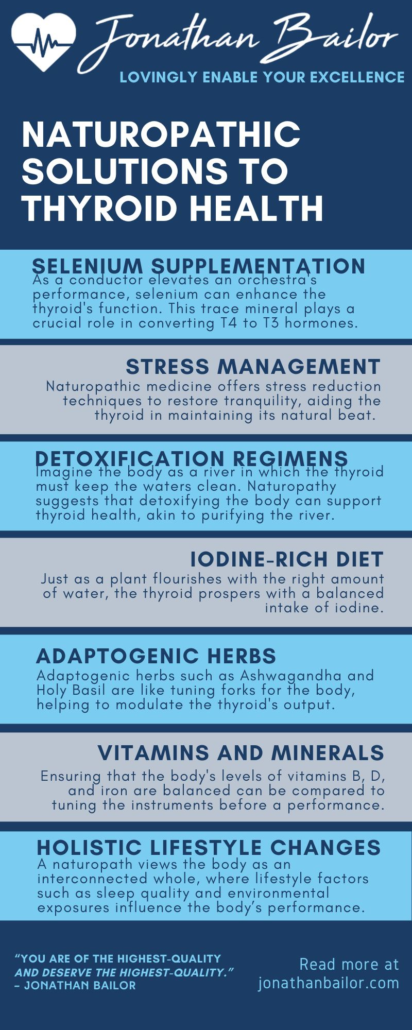
Short-Term Changes to Boost Thyroid Health and Weight Control

Taking steps to support your thyroid health and manage your weight can show noticeable benefits in just a few days. By focusing on these simple and effective changes, you can start to feel better and see positive results quickly.

Here are five short-term changes you can make over the next few days to enhance your thyroid health and weight control.

1. Increase Your Fiber Intake

Boost your daily fiber intake by incorporating more nonstarchy vegetables, low-sugar fruits, and legumes into your meals. Fiber helps regulate your digestive system and can aid in maintaining a healthy weight. Foods like broccoli and berries are great choices.

Aim to gradually increase your fiber intake over the next few days to support your overall health.

2. Manage Stress Levels

Stress can negatively impact your thyroid and overall health. Take a few days to focus on stress management techniques such as deep breathing exercises, meditation, or spending time in nature. These activities can help calm your mind and reduce the physical effects of stress.

Make time each day to practice these techniques and notice the difference in your well-being.

3. Incorporate Healthy Fats

Add healthy fats to your diet to support thyroid function and overall health. Avocados, nuts, seeds, and olive oil are excellent sources. These fats can help reduce inflammation and support hormone production.

Try incorporating a serving of healthy fats into each meal for the next few days to see their benefits.

4. Avoid Processed Foods

Cut out processed foods and snacks high in additives and unhealthy fats. Instead, focus on whole foods such as fresh fruits, vegetables, lean proteins, and whole-food fats. Processed foods can negatively affect your metabolism and overall health.

Spend a few days avoiding these foods and choosing more natural, nutritious options.

5. Get Adequate Sleep

Ensure you sleep enough each night, as poor sleep can affect your thyroid function and weight. Aim for at least seven to eight hours of quality sleep per night. Establish a relaxing bedtime routine and create a sleep-friendly environment by keeping your bedroom cool and dark.

Over the next few days, prioritize your sleep and notice your energy and mood improvement.

Focusing on these short-term changes will help you take important steps to support your thyroid health and manage your weight effectively. Start today and experience the positive impact these adjustments can have on your overall well-being.

Medium-Term Changes to Support Thyroid Function and a Healthy Weight

Taking steps to support your thyroid health and manage your weight over several weeks can lead to significant improvements. By committing to these changes, you’ll establish habits that promote long-term well-being.

Here are five medium-term changes you can make over the next few weeks to enhance your thyroid health and weight control.

1. Adopt a Regular Exercise Routine

Commit to a regular exercise routine that includes both cardiovascular and strength training exercises. Activities like brisk walking, cycling, and light weightlifting can boost your metabolism and support thyroid function.

Aim for at least 150 minutes of moderate exercise per week. Gradually increase your activity level over the next few weeks to build stamina and improve overall fitness.

2. Focus on Balanced Meals

Create balanced meals that include a variety of nutrients to support your thyroid and overall health. Ensure each meal contains a mix of protein, healthy fats, and fiber-rich carbohydrates. Foods like lean meats and leafy greens should be staples in your diet.

Spend the next few weeks planning and preparing balanced meals to establish a nutritious eating pattern.

3. Track Your Food Intake

Start tracking your food intake to gain insight into your eating habits and identify areas for improvement. Use a food diary or an app to log what you eat and drink each day. This practice can help you stay accountable and make healthier choices. It can also identify a potential iodine deficiency, which can cause symptoms of thyroid disorders.

Review your entries regularly over the next few weeks to ensure you’re meeting your nutritional goals.

4. Limit Caffeine and Sugar

Gradually reduce your caffeine and sugar intake, which can negatively affect your thyroid and weight. Swap out sugary snacks and drinks for healthier alternatives like fruit and herbal teas. Reducing these stimulants can help stabilize energy levels and improve overall health.

Spend the next few weeks making minor changes to reduce caffeine and sugar consumption.

5. Incorporate Mindfulness Practices

Consider integrating mindfulness techniques into your daily schedule to decrease stress and enhance mental wellness. Techniques like yoga, meditation, and deep breathing exercises can help you stay present and calm. These practices can also support better sleep and hormonal balance.

Over the next few weeks, set aside time each day for mindfulness to enhance your overall health.

Focusing on these medium-term changes will help you build a solid foundation for thyroid health and weight management.

Long-Term Changes to Support Thyroid Health and Weight Control

Making lasting changes to support your thyroid health and manage your weight over several months can lead to significant and sustainable improvements. By incorporating these strategies into your lifestyle, you’ll be investing in your long-term well-being.

Here are five long-term changes you can make to enhance your thyroid health and weight control over the coming months.

1. Establish a Consistent Sleep Schedule

Develop a consistent sleep schedule by going to bed and waking up at the same time every day. Adequate and regular sleep is essential for hormone regulation, including thyroid hormones. Aim for 7-8 hours of quality sleep each night.

Over the next few months, prioritize a sleep routine that supports your body’s natural rhythms for better overall health.

2. Create a Sustainable Exercise Program

Design an exercise program you enjoy and can sustain over the long term. Include a mix of aerobic activities, strength training, and flexibility exercises to keep your routine balanced and engaging. Consistency is key, so find activities you look forward to and can integrate into your weekly schedule.

Over the next few months, gradually increase your fitness level and make exercise a regular part of your life.

3. Focus on Whole Food Nutrition

Commit to a diet rich in whole foods such as vegetables, fruits, lean proteins, and healthy fats. Avoid processed foods and prioritize cooking at home to have control over the ingredients you consume. Whole foods provide the essential nutrients your thyroid and body need to function optimally.

Spend the next few months exploring new recipes and foods to create a varied and nutritious diet.

4. Regularly Monitor Thyroid Health

Schedule regular check-ups with your healthcare provider to monitor your thyroid health. Regular blood tests can help track your thyroid hormone levels and ensure they remain balanced. Staying proactive about your thyroid health can prevent potential issues from developing.

Over the next few months, establish a routine of regular medical visits and health check-ups.

5. Cultivate Stress-Reduction Habits

Develop long-term habits that help you manage and reduce stress. Practices such as mindfulness, yoga, regular exercise, and pursuing hobbies can help keep stress levels in check. Chronic stress can impact thyroid function, so finding effective ways to relax and unwind is essential.

Over the next few months, integrate these stress-reducing activities into your daily routine to maintain a calm and balanced lifestyle.

FAQ: Understanding Thyroid Health

1. What are the common symptoms of thyroid issues?

Thyroid disease is prevalent. Thyroid diseases can present a variety of symptoms, depending on whether the thyroid is overactive (producing too much thyroid hormone, called hyperthyroidism) or underactive (not producing enough thyroid hormone), called hypothyroidism. Common underactive thyroid or hypothyroidism symptoms include fatigue, weight gain, cold intolerance, dry skin, and hair loss. Hyperthyroidism can cause symptoms like weight loss, rapid heartbeat, anxiety, and increased sweating.

Thyroid cancer can include symptoms of vocal hoarseness, neck pain, hot flashes, and trouble swallowing.

Another symptom of a thyroid condition is an enlarged thyroid gland (goiter), which can be a sign of an autoimmune disease called Graves’ disease.

If you consistently experience these symptoms, it’s important to consult with a healthcare provider for a proper evaluation and diagnosis. Depending on the thyroid disorder, treatment can include thyroid hormone medications, thyroid hormone replacement therapy, radiation therapy, and more.

2. How can diet impact thyroid health?

Diet plays a significant role in supporting thyroid health. A balanced diet rich in essential nutrients like iodine, selenium, and zinc can help maintain optimal thyroid function. Foods such as seafood, nuts, seeds, and leafy greens are beneficial.

It’s also essential to avoid excessive consumption of goitrogenic foods like soy and cruciferous vegetables, which can interfere with thyroid function when eaten in large amounts.

3. What lifestyle changes can support thyroid health?

Several lifestyle changes can support thyroid health. Regular exercise helps boost metabolism and reduce stress, both of which are important for thyroid function. Managing stress through mindfulness practices, yoga, or meditation can also positively impact thyroid health.

Additionally, getting enough sleep and maintaining a consistent sleep schedule are crucial for overall hormonal balance.

4. How is thyroid function tested?

Thyroid function is typically tested through blood tests that measure levels of thyroid hormones, including Thyroid Stimulating Hormone (TSH), Free T4, and Free T3. These tests help determine if the thyroid is functioning normally, overactive, or underactive. A radioactive iodine uptake test scan can also diagnose thyroid diseases. Your healthcare provider may also check for antibodies that indicate autoimmune thyroid conditions like Hashimoto’s thyroiditis or Graves’ disease.

Regular monitoring and consultation with your healthcare provider are essential for managing thyroid health.

5. Can stress affect thyroid health?

Yes, stress can significantly affect thyroid health. Chronic stress can lead to hormonal imbalances that impact thyroid function, potentially causing or exacerbating thyroid issues. High-stress levels can also affect the conversion of thyroid hormones and interfere with overall thyroid regulation.

Stress-management techniques such as deep breathing exercises, mindfulness, and regular physical activity can help mitigate these effects and support thyroid health.

Understanding and addressing thyroid health is crucial for overall well-being. By recognizing symptoms, making dietary and lifestyle changes, and regularly monitoring thyroid function, you can take proactive steps to maintain a healthy thyroid.

If you have thyroid health concerns, consult a healthcare provider for personalized advice and treatment options.

Stay Proactive About Your Thyroid Health

Taking care of your thyroid is essential for maintaining overall health and well-being. Implementing these immediate, short-term, medium-term, and long-term changes can support your thyroid function and help you manage your weight effectively. We hope these tips help you on your journey to better health.

If you found this information useful, please share it with your friends and family on social media and via email. Together, we can spread awareness and help others achieve their health goals.

Feeling Better Is Priceless, That's Why We Don't Put A Price On It!

“It’s Like A Free and Medically Valid Version of Noom and Weight Watchers Online”

~ Dr. Doctor Matthew Oleshiak, MD

Click the 'LEARN MORE' button below for free lifetime access to the fast fix program developed by Jonathan and top Ivy League Medical Doctors

LEARN MORE

P.S. It's not a free trial. It's not part of the program for free. The entire program is free, forever, for real! No credit card needed.
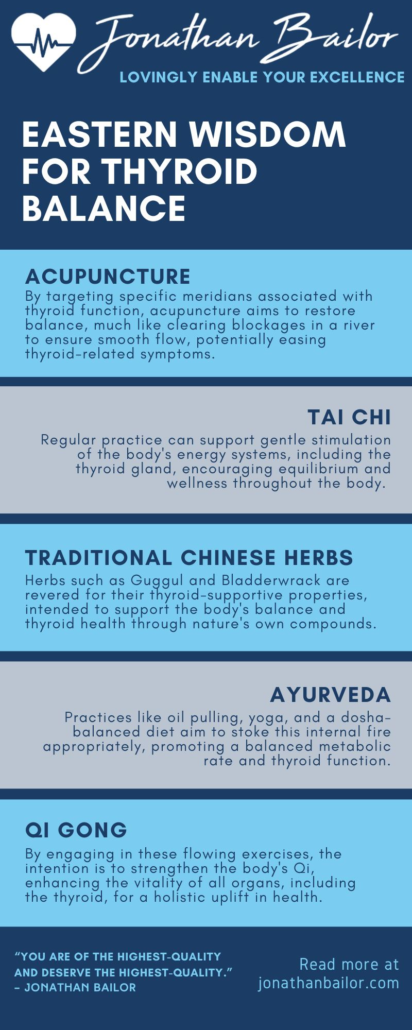
What is Graves Disease: Symptoms, Causes, Care & More

When the body sends mixed signals, it’s like navigating through a fog—confusing and sometimes daunting. Graves disease, a condition that whispers in riddles of rapid heartbeats, unexplained weight fluctuations, and a gaze that speaks volumes without words, is one such puzzle. It’s a journey no one expects to embark on, yet understanding this path can shine a light through the mist, offering clarity and direction. In this Thyroid Health Guide, Jonathan Bailor fills in the puzzle pieces for you on the subject of Graves disease.

This exploration is not just about recognizing the signs that the body is whispering but understanding the whispers to speak back with care and compassion. It’s about piecing together the clues—symptoms and causes—with a tapestry of care strategies that envelop the whole person, not just the condition.

Imagine having a map that guides through the terrain of Graves disease, where each marker is a point of knowledge, each path a possibility of care, empowering a journey towards well-being. It’s time to lift the veil on this condition, to share knowledge that arms with power, understanding that inspires action, and empathy that fosters connection.

Sharing this journey could be a beacon of hope for someone in the shadows searching for a guiding light. Let this be a conversation starter, a shared story that resonates, uplifts, and unites in the quest for health and harmony.

Symptoms of Graves Disease

Navigating the landscape of Graves disease requires a guide to the symptoms that signal its presence. These markers are the body’s way of sounding the alarm, a lighthouse shining through the fog of uncertainty that this condition often brings.

Each symptom is a beacon, guiding toward understanding and action. This list isn’t just a collection of signs; it’s a map for those navigating the uncertain waters of Graves disease, offering direction and hope.

  • Unexpected weight loss, despite eating habits remaining constant.
  • Increased heart rate, palpitations, or irregular heartbeat that seems to come out of nowhere.
  • Excessive sweating and an intolerance to heat, making warm days unbearable.
  • Changes in mood, including irritability or anxiety, painting emotions in broad, uncharacteristic strokes.
  • Fatigue and muscle weakness, turning everyday tasks into exhausting challenges.
  • Thyroid enlargement, known as a goiter, which may present as swelling at the base of the neck.
  • Change in menstrual cycles, which may become irregular or lighter than normal.
  • Frequent bowel movements or changes in bowel habits.
  • Thyroid eye disease, including bulging eyes, dry eyes, or vision changes, adding a visual cue to the body’s whispered warnings.

Each symptom is a thread in the tapestry of Graves disease, weaving together to form a picture that, once recognized, can be addressed with care and compassion.

What is Graves Disease Symptoms - Jonathan Bailor

Feeling Better Is Priceless, That's Why We Don't Put A Price On It!

“It’s Like A Free and Medically Valid Version of Noom and Weight Watchers Online”

~ Dr. Doctor Matthew Oleshiak, MD

Click the 'LEARN MORE' button below for free lifetime access to the fast fix program developed by Jonathan and top Ivy League Medical Doctors

LEARN MORE

P.S. It's not a free trial. It's not part of the program for free. The entire program is free, forever, for real! No credit card needed.
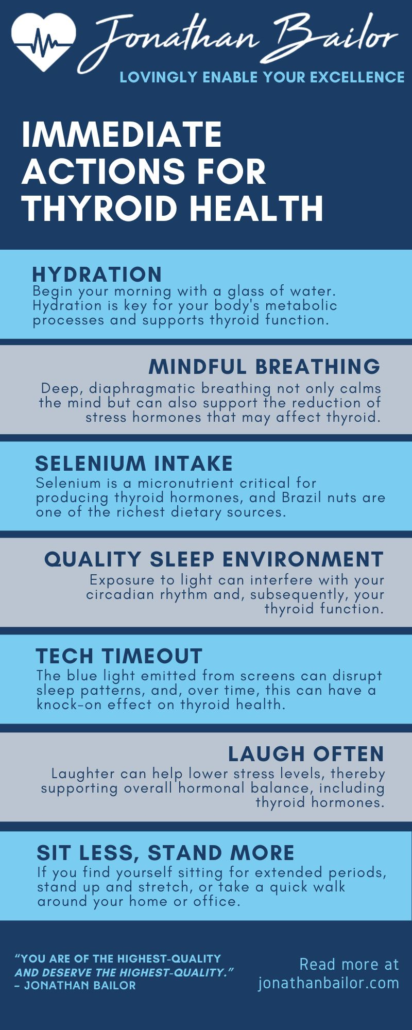
Understanding the Causes of Graves Disease

The origin of Graves disease lies hidden within the body’s immune system, which, in its zeal to protect, mistakenly turns on its own, targeting the thyroid gland with an intensity that disrupts harmony. In other words, Graves is an autoimmune disease. This autoimmune anomaly prompts the body to produce too much thyroid hormone, a condition called overactive thyroid, propelling the body into overdrive.

Genetics weave through the narrative of Graves disease, suggesting a pattern of inheritance, while environmental factors—stress and infection—add complexity, acting as catalysts that may trigger the onset. This intricate interplay of internal and external forces sets the stage for Graves disease, marking the body’s journey from turmoil to understanding.

Complications of Graves Disease

The journey with Graves disease is not without its challenges, as the condition can unfold into a series of complications that extend beyond the initial symptoms. These complications are not just mere inconveniences; they profoundly impact well-being, altering the course of health in significant ways.

Recognizing these potential complications is crucial, as it arms us with knowledge and underscores the importance of care and vigilance. Each complication is a reminder of the body’s interconnectedness, where the ripple effects of a thyroid imbalance can touch distant shores of health.

  • Thyroid storm, a rare but life-threatening increase in thyroid hormone production and intensification of symptoms, demanding immediate medical attention.
  • Heart disorders, including abnormal rhythms and changes in the structure and function of the heart.
  • Brittle bones (osteoporosis), where the strength and density of bones are diminished, making them more susceptible to fractures.
  • Pregnancy issues, such as preterm birth, miscarriage, and preeclampsia, highlighting the condition’s reach across generations.
  • Thyroid eye disease, leading to vision problems, discomfort, and potentially severe eye damage.
  • Skin conditions, manifesting as Graves dermopathy with red, swollen skin, often on the shins and feet.

Common Risk Factors for Graves Disease

In the tapestry of health, certain threads, when woven together, increase the likelihood of developing Graves disease. These risk factors, unique yet interconnected, paint a picture of predisposition, outlining who might find themselves navigating this condition’s path.

Awareness of these risk factors serves as a beacon, illuminating the landscape of prevention and mindfulness. It’s through understanding these threads that one can approach health with eyes wide open, prepared to engage with care and proactive measures.

  • Family history, where the threads of genetics weave a pattern of predisposition, highlighting the role of heredity.
  • Gender, with women being more likely to encounter Graves disease, suggesting a tapestry touched by hormonal influences.
  • Age, predominantly affecting individuals in their middle years, marking a time of vulnerability.
  • Emotional and physical stress acts as a catalyst, potentially triggering the onset in those already susceptible.
  • Pregnancy, a period of significant hormonal changes, can heighten the risk, especially in the months following childbirth.
  • Smoking, which introduces harmful substances that can affect the immune system and eye health, exacerbating the risk of complications.
Common Risk Factors for Graves Disease - Jonathan Bailor

Treatments for Graves Disease

In the quest to restore harmony within the body’s landscape, marred by Graves disease, a spectrum of treatments beckons as beacons of hope. These approaches, each with its unique mechanism of action, offer pathways to rebalance the tumultuous seas of thyroid hormones and their production. Embracing treatment is akin to charting a course towards calmer waters, guided by the lighthouse of medical wisdom.

The journey towards well-being is personal and varied, reflecting the individual tapestry of symptoms and circumstances. Herein lies an overview of the treatments, casting light on options that pave the way to equilibrium and health.

Anti-thyroid Medications

These medications act as gentle whispers, urging the thyroid to soften its fervent production of hormones. Methimazole and propylthiouracil, stewards of calm, work within the intricate machinery of the thyroid, dialing back the production to levels that echo normalcy.

The journey with these medications is one of patience as their effects unfold over weeks and months. Regular monitoring becomes a rhythm, ensuring that the dance between too much and too little finds its balance. For many, this treatment is a first step, a door opening to a path lined with the possibility of remission.

Radioactive Iodine Therapy

Imagine a targeted beacon that specifically illuminates the overactive cells of the thyroid, guiding them to rest. Radioactive iodine therapy offers this precision, a drinkable form of radiation that the thyroid cells absorb, diminishing its zeal from within.

The aftermath often tilts towards a quieter thyroid, sometimes too quiet, necessitating the lifelong embrace of thyroid hormone replacement. This treatment, a bridge to stability, requires contemplation, weighing the promise of calm against the shift in the body’s hormonal chorus.

Thyroid Surgery

In scenarios where medication whispers go unheard or when the thyroid’s enlargement beckons for space, surgery emerges as a definitive call to tranquility. Removing the thyroid, partial or complete, is a map redrawn, a terrain forever altered. Guided by precision and care, the scalpel promises a resolution yet heralds a new journey with thyroid hormone replacement.

Surgery, a harbinger of immediate change, carries the torch of permanence, illuminating the path for those for whom other treatments stand as fleeting shadows.

Beta-Blockers

While not a treatment for Graves disease itself, beta-blockers serve as calming winds against the stormy symptoms, particularly the rapid heartbeat that often accompanies this condition. They stand as guardians of the present, offering relief while other treatments gently steer the course of the disease.

Beta-blockers, in their role, remind us that sometimes, the healing journey is also about embracing comfort along the way.

Eye Treatments

For those whose eyes bear the brunt of Graves disease, treatments specifically designed to soothe and protect become invaluable allies. From simple lubricants to guard against dryness to more involved surgical procedures to restore function and appearance, each option is a testament to the comprehensive care the condition demands.

Like all others, these treatments are stepping stones, part of a broader strategy aimed at reclaiming health and harmony.

Treatments for Graves Disease - Jonathan Bailor

Natural Ways to Manage Graves Disease

Amidst the symphony of medical treatments for Graves disease, there lies a quieter melody—natural ways to harmonize the body’s rhythms. These gentle approaches, rooted in the essence of nature and lifestyle adjustments, complement the broader chorus of care. They are not replacements for medical treatments but co-conductors, enhancing well-being and equilibrium.

Each natural strategy is a thread in the tapestry of holistic health, woven to support the body’s journey toward balance. Here, the spotlight turns to these natural harmonies, inviting exploration and integration into the daily dance of life.

Stress Reduction Techniques

The waves of stress, incessant and overwhelming, can amplify the symphony of symptoms in Graves disease. Techniques such as meditation, yoga, and deep-breathing exercises emerge as sanctuaries of calm, each breath a step away from the tempest of overactivity.

Engaging in these practices is akin to casting an anchor in turbulent seas, providing a steadying presence that can temper the immune system’s overzealous tune. This commitment to tranquility is a gentle reminder that finding peace within can be as transformative as any medicine in the quest for health.

Anti-Inflammatory Diet

Embarking on a dietary journey that emphasizes anti-inflammatory foods is like choosing ingredients for a healing potion. Rich in colorful vegetables, fruits (emphasizing berries and citrus for their lower sugar content), and lean proteins, this diet avoids the inflammation that can exacerbate autoimmune responses.

Incorporating healthy fats from sources like avocados, olive oil, and fatty fish nourishes without the need for grains, offering a foundation that supports the body’s natural equilibrium. This dietary path is not about deprivation but selecting the nourishment that whispers health to every cell.

Regular Moderate Exercise

Moderate exercise, the body’s rhythm set to motion, offers a counterpoint to the accelerated pace of Graves disease. Engaging in activities such as walking, swimming, or cycling for moderation—not exhaustion—can enhance cardiovascular health without overstimulating the thyroid.

This physical harmony, a balance between activity and rest, underscores the importance of listening to the body’s cues, ensuring that exercise remains a source of vitality rather than a toll on well-being.

Adequate Sleep

In the orchestra of health, sleep is the rest between notes, essential for the music to resonate with clarity and beauty. Prioritizing sleep—aiming for 7-9 hours per night—becomes critical in managing Graves disease. This restorative period allows the body to repair and recalibrate, offering a respite to the immune system and a chance to temper the thyroid’s overactivity.

Embracing sleep hygiene practices, such as maintaining a regular sleep schedule and creating a calming bedtime routine, is akin to tuning an instrument, essential for the performance of life.

Herbal Support

While navigating the natural management of Graves disease, certain herbs have been whispered through the annals of herbal medicine for their supportive roles. Lemon balm and bugleweed, for instance, are often cited in traditional practices for their potential to soothe hyperthyroid conditions.

However, embarking on herbal voyages requires caution and consultation with a healthcare provider, as the terrain is complex and interactions with conventional treatments are possible. This exploration of herbal allies is a journey of respect for nature’s potency, embarked upon with care and guided by knowledge.

Thyroid Health: Frequently Asked Questions

Q1: What are the primary functions of the thyroid gland?

The thyroid gland is akin to a master conductor, orchestrating a symphony of bodily functions with grace and precision. It produces hormones that regulate metabolism, influence heart rate, and govern the efficiency with which calories are converted into energy. This tiny gland nestled in the neck speaks in chemical whispers, guiding the rhythm of the body’s daily functions, ensuring that the tempo of life’s dance maintains its harmony.

Q2: How can I tell if my thyroid is not functioning properly?

Signs that the thyroid may be out of tune include unexpected changes in weight, alterations in mood or energy levels, fluctuations in heart rate, and changes in skin texture or hair health. These signals are the body’s way of indicating that the harmony of metabolism and energy regulation may be facing disruptions, prompting a closer look at thyroid health through consultation with a healthcare provider.

Q3: Can diet influence thyroid health?

Indeed, the foods consumed play a pivotal role in supporting thyroid function. A diet rich in fruits, vegetables, lean proteins, and healthy fats, such as selenium, zinc, and iodine, provides the nutrients necessary for thyroid health. Emphasizing anti-inflammatory foods and staying hydrated can bolster the body’s natural defenses and support the delicate balance of thyroid activity.

Q4: What is the difference between hypothyroidism and hyperthyroidism?

Hypothyroidism occurs when the thyroid whispers too softly (underactive thyroid), leading to a slowdown in metabolic functions, while hyperthyroidism occurs when the thyroid speaks too loudly, accelerating bodily processes. Each condition presents unique challenges, from fatigue and weight gain in hypothyroidism to weight loss and nervousness in hyperthyroidism, highlighting the thyroid’s critical role in maintaining the body’s equilibrium.

Q5: Are there natural ways to support thyroid health?

Supporting thyroid health naturally involves a harmonious blend of lifestyle choices, from embracing a nutrient-rich diet to engaging in regular, moderate exercise and ensuring adequate sleep. Stress reduction techniques, such as mindfulness and yoga, can also be supportive, helping maintain the internal balance necessary for optimal thyroid function. These natural approaches are companions on the journey to wellness, enhancing overall health and thyroid harmony.

Embracing Thyroid Health Together

In the journey through the landscapes of thyroid health, knowledge and understanding are the compasses that guide us. This exploration into symptoms, causes, complications, and natural management strategies for conditions like Graves disease is a shared voyage that illuminates the paths to well-being. Engaging with this wisdom makes the journey less solitary and enriched by the support and compassion of those who walk alongside us.

Let’s extend this circle of care by sharing these insights with friends and family through social media and email, inviting them to join us on this journey toward understanding and health. Together, we navigate the waters of thyroid health, empowered by knowledge and united in hope.

Feeling Better Is Priceless, That's Why We Don't Put A Price On It!

“It’s Like A Free and Medically Valid Version of Noom and Weight Watchers Online”

~ Dr. Doctor Matthew Oleshiak, MD

Click the 'LEARN MORE' button below for free lifetime access to the fast fix program developed by Jonathan and top Ivy League Medical Doctors

LEARN MORE

P.S. It's not a free trial. It's not part of the program for free. The entire program is free, forever, for real! No credit card needed.
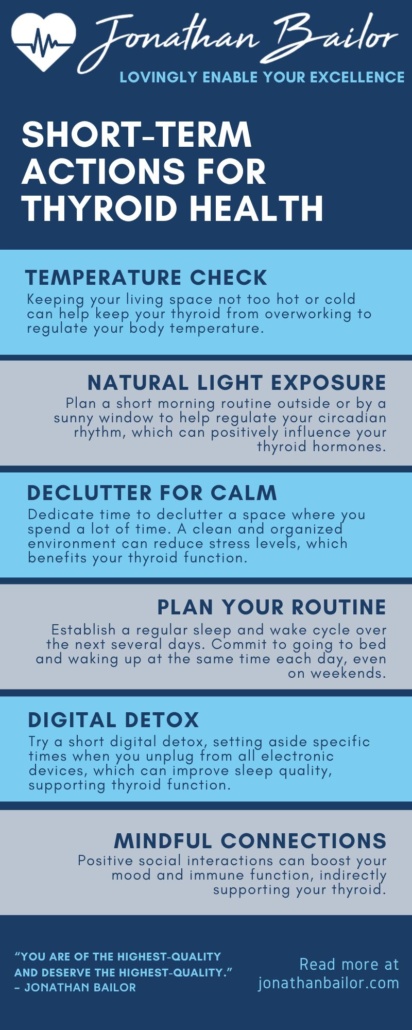
19 Evidence-Based Treatments to Boost Thyroid Health

Welcome to a pivotal moment in your journey toward optimal health—a moment where empowerment meets evidence-based care for your thyroid. Imagine having a list of treatments at your fingertips—not just any list, but one carefully curated with treatments that have stood the test of scientific scrutiny. This isn’t about overwhelming you with medical jargon; it’s about providing clear, accessible guidance that resonates with the wisdom of experience and the clarity of research.

You might have heard whispers of these treatments in passing conversations or caught a glimpse of them on health forums. Today, we draw back the curtain to reveal “XX Evidence-Based Treatments to Boost Thyroid Health” that are grounded in science yet explained with the warmth and understanding of a chat over the kitchen table. You can discuss these steps with your healthcare provider, confident that they’re rooted in solid research tailored to nurture your thyroid back to its harmonious rhythm.

Share this treasure trove of thyroid wisdom with someone who would cherish it as much as you do. Whether it’s through the gentle nudge of an email or the vibrant community of social media, let this be the conversation starter that spreads wellness through your circle and beyond. Here’s to health, understanding, and the collective pursuit of feeling our absolute best.

Proven Allopathic Approaches to Thyroid Health

1. Synthetic Thyroxine (T4)

A common and effective staple in thyroid treatment is synthetic thyroxine, often known by its generic name, levothyroxine. This medication is identical to the T4 hormone that the thyroid naturally produces and becomes a seamless part of the body’s hormone regulation. For those whose thyroid’s whisper has become too soft, this medication turns the volume back up to a harmonious level, allowing the body to hum along to the rhythm of a balanced endocrine system and normal thyroid function.

2. Antithyroid Medications

When the thyroid sings too loudly, producing more hormones than the body can dance to, antithyroid medications like methimazole step in to soften the music. These treatments gently coax the thyroid into a slower pace of hormone production, helping restore the equilibrium needed for a well-tuned physiological orchestra

3. High-Precision Radioactive Iodine Therapy

With a touch of scientific elegance, radioactive iodine therapy targets overactive thyroid cells with the precision of a maestro conducting a symphony. The body absorbs the iodine, and the radioactivity precisely diminishes the thyroid cells’ ability to produce hormones, tuning down the excess without missing a beat.

4. Thyroid Surgery (Thyroidectomy)

For certain conditions, such as nodules, cancer, or a significantly enlarged thyroid gland that can negatively affect thyroid health, surgery is the intervention that brings back the balance. Performed by a specialist, the removal of all or part of the thyroid gland is a direct and sometimes necessary action to address specific thyroid-related health challenges.

5. T3 Medications

Sometimes, the body needs help converting the T4 hormone into its more active form, T3. Doctors might prescribe liothyronine, a synthetic form of T3, to fine-tune the body’s hormone levels, particularly when T4 medications alone do not resolve the symptoms.

6. Combination Therapy

Sometimes, a solo isn’t enough, and the body requires a duet. Combining T3 and T4 medications can sometimes create the perfect harmony for those whose systems respond better to a blend of thyroid hormones. , addressing a broader spectrum of thyroid function nuances.

7. Thyroid Hormone Resistance Management

A rare yet complex challenge is thyroid hormone resistance, where the body’s cells don’t respond typically to thyroid hormones. Allopathic medicine approaches this with tailored doses of thyroid hormones and constant monitoring, ensuring that every cell in the body is attuned to the thyroid’s tune.

Each of these treatments embodies the precision and adaptability of Western medicine, offering a symphony of options to maintain the delicate balance of thyroid health.

Allopathic Treatments to Boost Thyroid Health - Jonathan Bailor

Feeling Better Is Priceless, That's Why We Don't Put A Price On It!

“It’s Like A Free and Medically Valid Version of Noom and Weight Watchers Online”

~ Dr. Doctor Matthew Oleshiak, MD

Click the 'LEARN MORE' button below for free lifetime access to the fast fix program developed by Jonathan and top Ivy League Medical Doctors

LEARN MORE

P.S. It's not a free trial. It's not part of the program for free. The entire program is free, forever, for real! No credit card needed.
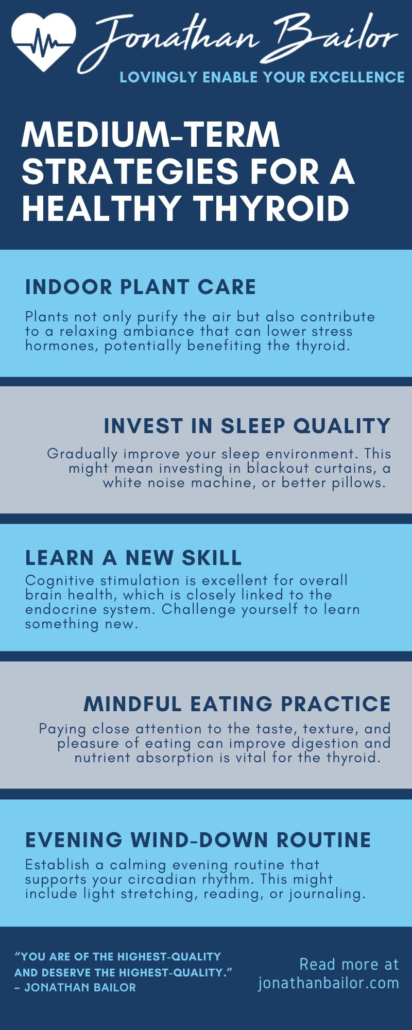
Harmonizing Thyroid Health: Naturopathic Approaches

1. Selenium Supplementation

As a conductor elevates an orchestra’s performance, selenium can enhance the thyroid’s function. This trace mineral plays a crucial role in converting T4 to T3 hormones. Naturopathy often turns to selenium supplementation, for it may assist in fine-tuning thyroid activity and ensuring that the body’s metabolic symphony plays in perfect harmony.

2. Stress Management Techniques

Stress is like an erratic drummer in the body’s band, disrupting the rhythm. Naturopathic medicine offers stress reduction techniques such as meditation, deep breathing exercises, and yoga to restore tempo, potentially aiding the thyroid in maintaining its natural beat without interference.

3. Detoxification Regimens

Imagine the body as a river in which the thyroid must keep the waters clean. Naturopathy suggests that detoxifying the body can support thyroid health, akin to purifying the river. Practices might include using herbal cleanses or sauna therapy to help eliminate toxins that may be disrupting the endocrine system’s flow.

4. Iodine-Rich Diet

Just as a plant flourishes with the right amount of water, the thyroid prospers with a balanced intake of iodine. While naturopathic solutions highlight the importance of iodine in foods like seaweed, fish, and dairy, it is crucial to remember that moderation is key.

The body requires only small amounts of this element to produce thyroid hormones efficiently. If excessive, an overture of iodine-rich foods can disrupt the thyroid’s harmony, leading to potential thyroid imbalances. It’s essential to strike a careful balance, ensuring the thyroid’s melody resonates with health and is not overwhelmed by an abundance of iodine.

5. Adaptogenic Herbs

Adaptogenic herbs such as Ashwagandha and Holy Basil are like tuning forks for the body, helping to modulate the thyroid’s output. These herbs can be integral in maintaining thyroid harmony by supporting adrenal function and helping the body adapt to stress.

6. Vitamin and Mineral Optimization

Ensuring that the body’s levels of vitamins B, D, and iron are balanced can be compared to tuning the instruments before a performance. These nutrients support thyroid function, and naturopathy often emphasizes their balance through food sources or supplementation.

7. Holistic Lifestyle Adjustments

A naturopathic perspective views the body as an interconnected whole, where lifestyle factors such as sleep quality and environmental exposures are like the acoustics in a concert hall, influencing the performance. By optimizing these factors, naturopathy aims to create an environment where the thyroid can perform at its best.

Naturopathic solutions offer a holistic concert of options, inviting the thyroid into a dance of well-being, balancing modern life’s stresses with nature’s remedies.

Naturopathic Solutions To Thyroid Health - Jonathan Bailor

Eastern Wisdom for Thyroid Balance

1. Acupuncture for Energetic Flow

In the realm of Eastern medicine, acupuncture is the art of aligning the body’s energy highways. By targeting specific meridians associated with thyroid function, acupuncture aims to restore balance, much like clearing blockages in a river to ensure smooth flow, potentially easing thyroid-related symptoms.

2. Tai Chi for Harmonious Movement

Tai Chi, an ancient Chinese martial art, is akin to a dance that promotes internal harmony. Regular practice can support gentle stimulation of the body’s energy systems, including the thyroid gland, encouraging a state of equilibrium and wellness throughout the body’s landscape.

3. Traditional Chinese Herbs

Eastern practitioners often turn to a pharmacopeia of herbs, like an apothecary blending the perfect potion. Herbs such as Guggul and Bladderwrack are revered for their thyroid-supportive properties, intended to support the body’s balance and thyroid health through nature’s own compounds.

4. Ayurvedic Lifestyle Practices

Ayurveda, India’s traditional system of medicine, considers the thyroid gland as a fire that regulates body temperature and metabolism. Practices like oil pulling, yoga, and a dosha-balanced diet aim to stoke this internal fire appropriately, promoting a balanced metabolic rate and thyroid function.

5. Qi Gong for Vital Energy

Qi Gong is the cultivation of life’s vital energy. By engaging in these flowing exercises, the intention is to strengthen the body’s Qi, enhancing the vitality of all organs, including the thyroid, for a holistic uplift in health.

Incorporating these time-honored Eastern and alternative medicine practices can be like listening to a symphony from another world, where each note aims to bring the body’s thyroid function into a state of harmonious health.

Eastern Wisdom for Thyroid Balance - Jonathan Bailor

Harmonizing Thyroid Health: An Eastern Approach FAQ

1. Can acupuncture really affect thyroid health?

Acupuncture is steeped in the tradition of promoting the body’s natural balance. When it comes to thyroid health, practitioners believe that targeting certain meridians can influence the energy flow, potentially mitigating some symptoms of thyroid imbalances. While clinical studies offer varying results, many individuals report feeling improved wellness after incorporating this practice into their routine.

2. Are there specific Tai Chi exercises recommended for thyroid function?

While Tai Chi doesn’t target the thyroid directly, its overall stress reduction and circulation benefits may positively influence thyroid health. The slow, meditative movements of Tai Chi are designed to foster a state of calm and improve the flow of Qi, or vital energy, which could, in turn, create a more favorable environment for thyroid health.

3. What herbs are used in traditional Chinese medicine for thyroid issues?

In traditional Chinese medicine, several herbs are praised for their potential to improve thyroid function. For instance, herbs like Guggul have been traditionally used to support metabolism, and seaweed varieties like Bladderwrack are known for their natural iodine content, which is crucial for thyroid function. However, consulting with a professional before starting any herbal regimen is essential.

4. How does Ayurveda view thyroid health?

Ayurveda sees the thyroid gland as crucial in regulating “Agni,” or digestive fire. It offers a holistic approach to thyroid health, recommending lifestyle adjustments such as specific dietary guidelines, yoga, and stress management techniques that align with one’s dosha or body type to maintain balance and support thyroid function.

5. Is Qi Gong beneficial for those with thyroid issues?

Qi Gong is another form of gentle exercise that encourages the movement of Qi throughout the body. Regular practice can help manage stress and support overall health, which may benefit thyroid function. By focusing on breath and movement, Qi Gong aims to enhance the body’s overall vitality and energetic health, which includes the thyroid gland.

These answers are reflective of traditional beliefs in Eastern medicine and alternative practices. While not always supported by Western clinical research, they offer a different perspective on maintaining thyroid health that many find to be a beneficial complement to conventional approaches.

Thyroid Health Essentials: Your Questions Answered

1. What are common symptoms that might indicate a thyroid health issue?

Common symptoms of thyroid imbalance include unexplained weight changes, fatigue, abnormal temperature sensitivity, mood swings, and changes in heart rate. Hypothyroidism, or an underactive thyroid, often leads to fatigue and weight gain, while hyperthyroidism, an overactive thyroid, might cause weight loss and restlessness. Noticing these signs is a cue to consult a healthcare provider for proper evaluation.

2. How is thyroid function typically tested?

Thyroid function is primarily evaluated through blood tests that measure thyroid hormone levels, such as thyroid-stimulating hormone (TSH), Free T4, and Free T3. TSH is the most commonly checked parameter, indicating if the thyroid is being prompted to produce more hormones (suggesting hypothyroidism) or not enough (indicating hyperthyroidism).

3. Can diet influence thyroid health?

Indeed, diet plays a pivotal role in thyroid health. Nutrients like iodine, selenium, and zinc are crucial for thyroid hormone production and conversion. A balanced intake of these minerals through a diet can support thyroid function and perhaps help reduce the risk of thyroid cancer. Plus, microbiota influence thyroid function, and the diet influences the microbiome. Conversely, excessive intake of certain foods, like soy and cruciferous vegetables, may affect thyroid hormone levels, particularly in individuals with existing thyroid conditions.

4. Is it possible to prevent thyroid disease?

While not all thyroid diseases can be prevented due to factors like genetics and autoimmune thyroid diseases, lifestyle choices can play a role in thyroid health. Regular exercise, a balanced diet rich in essential nutrients, avoiding excessive iodine consumption, and regular medical check-ups can help maintain a healthy thyroid.

5. What are the treatment options for thyroid disorders?

Treatment for thyroid disorders usually depends on whether the thyroid is overactive or underactive. Hypothyroidism often requires daily thyroid hormone replacement pills, while hyperthyroidism treatments range from medication to reduce hormone production to radioactive iodine therapy or even surgery in some cases. Treatment plans should always be personalized and monitored by a healthcare provider.

Remember, while these answers offer a general overview, individual medical advice should always be sought from a healthcare professional for accurate diagnosis and treatment options related to thyroid health.

Healthy Thyroid Function: The Key to Vibrant Living

The thyroid takes center stage in the intricate dance of hormones that governs our well-being. It’s our metabolic maestro, and its harmonious operation is essential. As we’ve explored the pillars of thyroid health, remember that knowledge is the first step towards vitality.

Share this journey with friends and family across every table talk, every email, and every social media stream. Let’s ripple the message of thyroid wellness far and wide so everyone can tune into the rhythm of healthy living. Your voice can be the beacon that lights the path for others. Share this guide and be a part of the movement towards collective health empowerment.

Feeling Better Is Priceless, That's Why We Don't Put A Price On It!

“It’s Like A Free and Medically Valid Version of Noom and Weight Watchers Online”

~ Dr. Doctor Matthew Oleshiak, MD

Click the 'LEARN MORE' button below for free lifetime access to the fast fix program developed by Jonathan and top Ivy League Medical Doctors

LEARN MORE

P.S. It's not a free trial. It's not part of the program for free. The entire program is free, forever, for real! No credit card needed.
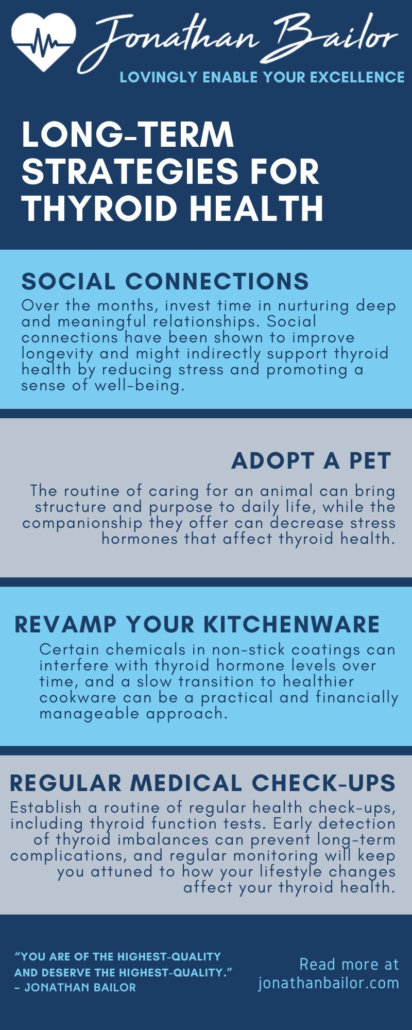
22 Easy Steps to Boost Thyroid Health Now and Later

Welcome to this Thyroid Health Guide, where Jonathan Bailor guides you on a journey towards optimal thyroid health. Here, your well-being is the destination, and your path is paved with care for your thyroid health. When it comes to nurturing this butterfly-shaped gland nestled in your neck and preventing thyroid dysfunction, small steps can lead to significant strides in your overall vitality.

Imagine a life where you wake up with energy that lasts, where you’re not held hostage by the whims of weight gain and fluctuations, mood changes, or that all-too-common mid-afternoon slump. This isn’t just a daydream; it’s a reality within reach through some simple, practical steps that support your thyroid health, now and later.

Your thyroid may be small, but its role in your body is mighty. It’s the maestro of your metabolism, the key to a balanced body temperature, and a critical player in your heart and digestive function, muscle control, brain development, and bone maintenance. When it’s out of tune, it can send a cascade of signals across your body that something isn’t quite right.

But here’s the good news: supporting your thyroid doesn’t require a medical degree or a complete lifestyle overhaul. It’s about making informed, gentle adjustments that fit into your life. Whether you’re a busy parent, a professional on the go, or someone who’s looking to steer your health in a new direction, these steps are designed to be woven into the fabric of your everyday life.

As we walk through these steps to boost healthy thyroid function now and later, remember that each suggestion is a thread in a tapestry of health that you’re creating. And while you’re at it, why not invite others to join the journey? Share these tips with friends and family because health, like happiness, multiplies when shared.

So, are you ready to take the first step? Let’s begin this transformative voyage together.

Instant Harmony: Quick Actions for Thyroid Wellness

Step into a realm where immediate actions blend seamlessly into the melody of thyroid care, creating a symphony of wellness that resonates with every fiber of your being.

In the intricate dance of thyroid health, sometimes all it takes are a few swift, well-orchestrated moves to set the stage for profound and lasting harmony. These immediate changes are like the first delicate notes of a new song, each striking a chord that reverberates through your entire system, signaling the beginning of a healthier, more vibrant you.

From the simple switch in your daily routine to the subtle adjustment in your eating habits, these quick actions are crafted to align seamlessly with your lifestyle, offering effortless yet impactful ways to support your thyroid and prevent thyroid disease. They are the gentle nudges that awaken your body’s innate rhythm, guiding it toward a state of balance and vitality.

Let’s embrace these transformative steps, each a fluid and harmonious move in your daily life, orchestrating a symphony of well-being that sings to the tune of immediate thyroid health.

1. Hydrate with Purpose

Begin your morning with a glass of water. Hydration is key for your body’s metabolic processes and can help support thyroid function.

This simple habit helps kickstart your metabolism and aid in the natural detoxification processes crucial for thyroid health.

2. Mindful Breathing

Take a five-minute breathing break. Deep, diaphragmatic breathing not only calms the mind but can also support the reduction of stress hormones that may negatively impact thyroid function.

This type of focused breathing helps to oxygenate your blood, ensuring that your cells, including those in your thyroid gland, are nourished.

3. Embrace Selenium

Grab a Brazil nut or two as a snack. Selenium is a micronutrient critical for producing thyroid hormones, and Brazil nuts are one of the richest dietary sources.

Enjoying a healthy diet that includes just a couple of these nuts can provide a significant amount of your daily selenium needs, helping to support normal thyroid function.

4. Safeguard Your Sleep Environment

Ensure your bedroom is a sleep sanctuary. Exposure to light can dysregulate your circadian rhythm and, subsequently, your thyroid function.

Simply dimming the lights an hour before bed and sleeping in a completely dark room can signal your body that it’s time for rest, which is when your thyroid goes to work.

5. Tech Timeout

Commit to a technology timeout at least an hour before bed. The blue light emitted from screens can disrupt sleep patterns, and, over time, this can have a knock-on effect on thyroid health.

A tech-free hour before bed can help you wind down and give your thyroid the signal that it’s time to help repair and restore your body during sleep.

6. Laugh Often

Integrate laughter into your day.

Whether it’s watching a short comedy clip or chatting with a friend who never fails to bring a smile to your face, laughter can help lower stress levels, thereby supporting overall hormonal balance, including thyroid hormones.

7. Sit Less, Stand More

If you find yourself sitting for extended periods, stand up and stretch, or take a quick walk around your home or office. This small change can boost circulation, energy levels, and metabolism, which all contribute to thyroid health.

By incorporating these immediate actions into your daily routine, you set the stage for a healthier, more balanced thyroid function today without having to wait for the benefits to kick in over the coming days, weeks, or months.

Immediate Actions for Thyroid Health - Jonathan Bailor

Feeling Better Is Priceless, That's Why We Don't Put A Price On It!

“It’s Like A Free and Medically Valid Version of Noom and Weight Watchers Online”

~ Dr. Doctor Matthew Oleshiak, MD

Click the 'LEARN MORE' button below for free lifetime access to the fast fix program developed by Jonathan and top Ivy League Medical Doctors

LEARN MORE

P.S. It's not a free trial. It's not part of the program for free. The entire program is free, forever, for real! No credit card needed.
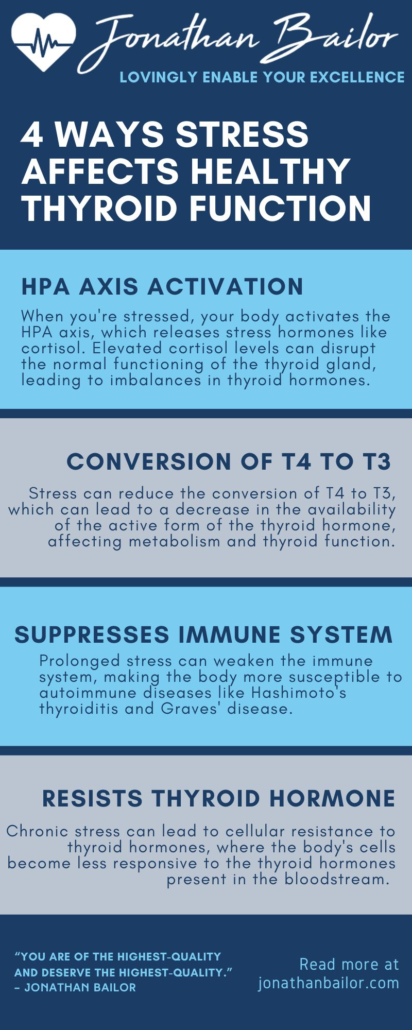
Thyroid Tune-Up: Short-Term Steps for Lasting Wellness

In the delicate symphony of thyroid care, short-term changes are like the initial, gentle strokes of a painter’s brush, each one contributing to the masterpiece of your well-being. Though brief in their application, these changes are powerful in their impact, offering a quick but significant shift towards a better-balanced thyroid.

From a simple tweak in your morning routine to a mindful adjustment in your nightly ritual, these short-term steps are designed to seamlessly integrate into your daily life, providing an accessible and immediate boost to your thyroid health. They are like soft whispers of encouragement, gently urging your body towards a rhythm of rejuvenation and vitality.

Let’s explore these transformative actions, each a purposeful and harmonious stride in your day-to-day journey, orchestrating a symphony of well-being that resonates with the beauty of enhanced thyroid function.

1. Temperature Check

Within the next few days, start monitoring the temperature of your home. Keeping your living space not too hot or cold can help keep your thyroid from overworking to regulate your body temperature. By the way, sensitivity to cold temperatures can be a symptom of an underactive thyroid.

Aim for a comfortable, steady indoor temperature, especially in the bedroom, to assist your body’s natural thermostat.

2. Natural Light Exposure

Prioritize getting natural light early in the day. Plan a short morning routine outside or by a sunny window to help regulate your circadian rhythm, which can positively influence your thyroid hormones. Exposure to early sunlight can also boost vitamin D levels, which affects thyroid health.

3. Declutter for Calm

Dedicate time to declutter a space where you spend a lot of time. A clean and organized environment can reduce stress levels, which benefits your thyroid function.

Within a few days, you can transform a chaotic space into a serene one, providing a sense of control and peace.

4. Plan Your Routine

Establish a regular sleep and wake cycle over the next several days. Consistency can reinforce your body’s natural rhythms and positively affect your thyroid and hormonal balance.

Commit to going to bed and waking up at the same time each day, even on weekends.

5. Digital Detox

Try a short digital detox, setting aside specific times when you unplug from all electronic devices. This can reduce stress and improve the quality of your sleep, both of which support thyroid function.

Start with a few hours each day and notice the difference in how you feel.

6. Mindful Connections

Make it a point to engage in meaningful conversations or activities with friends or family over the next few days. Positive social interactions can boost your mood and immune function, indirectly supporting your thyroid. Even a brief phone call or coffee with a friend can significantly impact thyroid function.

Integrating these short-term changes into your routine creates a nurturing environment for your thyroid, enabling it to perform optimally as part of your body’s intricate system of balance and health.

Short Term Actions for Thyroid Health - Jonathan Bailor

Thyroid Renaissance: Medium-Term Strategies for Holistic Health

Welcome to the transformative phase of your thyroid journey, where each week is a step forward in the artful crafting of your health and well-being. In the grand orchestra of thyroid care, medium-term changes are like the evolving melodies that build over time, each week adding depth and richness to your life’s harmony. These strategies, unfolding over weeks, are not just fleeting adjustments; they are the foundational chords that support and sustain a thriving thyroid.

From integrating mindful dietary shifts to adopting rejuvenating physical routines, these medium-term strategies are designed to weave gracefully into the fabric of your weekly life. They stand as pillars of change, holding up the structure of a more balanced and energized you.

In this chapter, we explore these transformative practices, each one a deliberate and melodious step in your weekly rhythm, composing a symphony of well-being that echoes the profound, lasting tune of thyroid health.

1. Indoor Plant Care

Over the coming weeks, consider introducing indoor plants into your living space. Plants not only purify the air but also contribute to a relaxing ambiance that can lower stress hormones, potentially benefiting thyroid function. Caring for plants can also become a meditative practice, fostering mindfulness.

2. Invest in Sleep Quality

Gradually improve your sleep environment. This might mean investing in blackout curtains, a white noise machine, or a more supportive pillow. Quality sleep is a cornerstone of hormonal balance, and these enhancements can significantly affect your thyroid health over the medium term. Quality sleep can also help you maintain a healthy body weight.

3. Learn a New Skill

Cognitive stimulation is excellent for overall brain health, which is closely linked to the endocrine system. Challenge yourself to learn something new, be it a language, an instrument, or even a craft. A sense of achievement and mental engagement can have a positive cascade effect on your physical health, including your thyroid.

4. Mindful Eating Practice

Develop the practice of eating mindfully. Paying close attention to the taste, texture, and pleasure of eating can improve digestion and the absorption of nutrients vital for thyroid health. Aim to eat without distractions and truly savor your food.

5. Evening Wind-Down Routine

Establish a calming evening routine that supports your circadian rhythm. This might include light stretching, reading, or journaling. A consistent wind-down routine can signal to your body that it’s time to rest, supporting the natural rhythm of thyroid hormone production.

By integrating these medium-term changes into your life, you are gently nudging your body toward better health, supporting your thyroid, and creating a sustainable base for long-term wellness.

Medium Term Strategies for a Healthy Thyroid - Jonathan Bailor

Thyroid Harmony: Long-Term Commitments for Lifelong Wellness

Now we come to a majestic journey of long-term transformation, where each month is a chapter in the grand story of your thyroid health. In this enduring symphony of care, long-term changes are like the deep, resonant notes that sustain the melody of your well-being. Spanning months and beyond, these commitments are the pillars of enduring health, supporting a balanced and vibrant thyroid.

These long-term changes are designed to become part of your life’s rhythm, harmonizing beautifully with your daily existence. They stand as testaments to your dedication, shaping a future where thyroid health is not just a goal but a continuous, thriving state of being.

Let us delve into these transformative commitments, each one a profound and lasting stride in your journey, composing a symphony of well-being that sings a timeless ode to thyroid health.

1. Foster Strong Social Connections

Over the months, invest time in nurturing deep and meaningful relationships. Social connections have been shown to improve longevity and might indirectly support thyroid health by reducing stress and promoting a sense of well-being.

2. Adopt a Pet

If your circumstances allow, consider the long-term commitment of adopting a pet. The routine of caring for an animal can bring structure and purpose to daily life, while the companionship they offer can decrease stress hormones that affect thyroid health.

3. Revamp Your Kitchenware

Gradually replace non-stick cookware with safer alternatives like stainless steel or cast iron. Certain chemicals in non-stick coatings can interfere with thyroid hormone levels over time, and a slow transition to healthier cookware can be a practical and financially manageable approach.

4. Engage in Regular Medical Check-ups

Establish a routine of regular health check-ups, including thyroid function tests. Early detection of thyroid imbalances, like when the thyroid gland produces too much thyroid hormone or an overactive thyroid, can prevent long-term complications, and regular monitoring will keep you attuned to how your lifestyle changes affect your thyroid health.

Each of these long-term commitments can help weave a tapestry of wellness that supports not just the thyroid but the entire body and mind, fostering a state of health that is robust, resilient, and responsive to the ever-changing demands of life.

Long Term Strategies for Thyroid Health - Jonathan Bailor

Thyroid Wisdom Unveiled: Navigating Your FAQs with Ease and Insight

Step into the enlightening realm of thyroid knowledge, where your curiosities and questions find their answers in a soothing symphony of clarity and understanding.

In this dedicated FAQ section, we unravel the mysteries of thyroid health, transforming queries into a cascade of enlightenment. Like a gentle guide through a labyrinth of wonder, this section is crafted to illuminate your path, shedding light on the nuances and intricacies of thyroid wellness.

Q1: Can stress really affect my thyroid function?

Absolutely. Stress triggers the release of cortisol, which can interfere with thyroid hormone production and balance, preventing you from getting enough thyroid hormone and leading to low thyroid function. It’s like a domino effect: chronic stress tips over the first tile, and the rest follow, potentially leading to a sluggish thyroid. That’s why managing stress isn’t just good for the soul; it’s a concrete way to support your thyroid health.

Q2: How does sleep affect thyroid function?

Think of sleep as a nightly tune-up for your thyroid. It’s when your body balances hormone levels, including thyroid hormones. Inconsistent or insufficient sleep can throw this delicate balance off-kilter, similar to how an engine stutters with the wrong mix of air and fuel, which can lead to thyroid disorders. Prioritizing 7-9 hours of quality sleep can help improve thyroid function.

Q3: Are there environmental factors I should be aware of that could harm my thyroid?

Yes, your environment plays a role. For instance, excessive exposure to certain chemicals, like those found in some plastics and household cleaners, can be like unwelcome guests at a party, disrupting the thyroid’s normal routine. It’s wise to minimize contact with these potential endocrine disruptors by choosing natural cleaners and being mindful of plastic use.

Q4: Is it necessary to filter my drinking water for better thyroid health?

It can be beneficial. Your tap water may contain traces of chlorine and fluoride, which, in large amounts, could dance a little too close to your thyroid function. Using a quality water filter can be like having a bouncer at the door, keeping out the unwanted elements that might otherwise impact your thyroid’s groove.

Q5: Can wearing a scarf really help my thyroid?

It might sound quaint, but keeping your neck warm, especially in cooler climates, is like giving your thyroid a cozy blanket. It’s not that a scarf is a miracle cure, but it helps maintain a stable temperature, and that stability is key. Think of it as creating a comfortable home environment where your thyroid can relax and perform at its best.

4 Ways Stress Affects Thyroid Function - Jonathan Bailor

The Thyroid Journey: Sharing the Gift of Wellness

And there we have it—a tapestry of thoughtful, actionable insights to weave into the fabric of your daily routine for thyroid harmony.

If these words have been companions along your journey to wellness, consider sharing them. Pass this along through the rivers of email or the seas of social media. May it serve as a beacon of health for friends and family, igniting conversations and inspiring action. Your sharing is not just caring—it’s an invitation to a collective embrace of well-being.

Thank you for being part of this narrative of health. Share on, and thrive.

Feeling Better Is Priceless, That's Why We Don't Put A Price On It!

“It’s Like A Free and Medically Valid Version of Noom and Weight Watchers Online”

~ Dr. Doctor Matthew Oleshiak, MD

Click the 'LEARN MORE' button below for free lifetime access to the fast fix program developed by Jonathan and top Ivy League Medical Doctors

LEARN MORE

P.S. It's not a free trial. It's not part of the program for free. The entire program is free, forever, for real! No credit card needed.
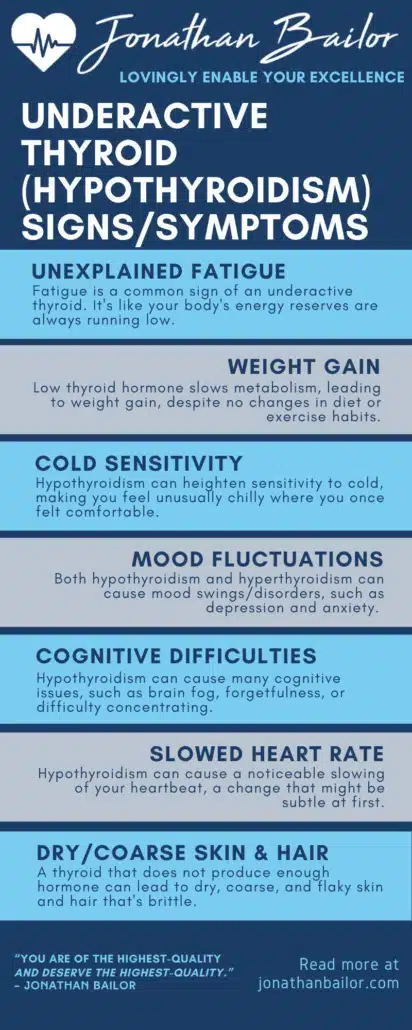
8 Underactive Thyroid (Hypothyroidism) Signs & 13 Solutions

Navigating the road to wellness can often feel like solving a complex puzzle, especially when symptoms are vague and solutions seem elusive. An underactive thyroid is one such puzzle that many of us encounter yet might not immediately recognize. It’s a condition that silently affects many individuals, with subtle signs that can easily be mistaken for the general wear and tear of the body.

Jump into this thyroid health guide with Jonathan Bailor !

Understanding hypothyroidism, also called underactive thyroid, is crucial, especially as it can impact our daily vitality and long-term health in ways we might not anticipate. The thyroid gland, though small, is mighty in its influence, regulating metabolism, energy, the immune system, and overall well-being. When it’s not functioning as it should, the ripple effects can be far-reaching.

In this post, we’re not just listing the signs of an underactive thyroid gland but also exploring practical, empowering solutions. These insights are rooted in scientific understanding and compassionate, real-world advice. Whether you’re feeling a bit off and can’t pinpoint why or are simply proactive about your health, this exploration is for you.

Our journey through the signs and solutions of hypothyroidism is designed to be an enlightening and supportive experience. It is not about overwhelming you with medical jargon but rather providing clear, actionable insights that you can easily understand and apply in your daily life. We’re here to offer a guiding hand, helping you interpret your body’s signals and respond with care and wisdom.

Imagine sharing this newfound knowledge with friends and family, sparking conversations that could lead to better health and greater awareness. Picture yourself as the catalyst in your community, bringing light to a topic that, though common, is often shrouded in misunderstanding. By sharing this post, you’re not just passing on information; you’re spreading empowerment and care, traits that resonate deeply in our connected lives.

In a world where personal health is increasingly becoming a shared journey, your role is vital. You’re not just a reader but an integral part of a community that values health, understanding, and compassionate support. Let’s embark on this journey together, exploring the signs and solutions of a sluggish thyroid and moving towards a future of better health and shared knowledge.

Unveiling the Mystery: Understanding Underactive Thyroid (Hypothyroidism)

In our journey to understand our bodies better, it is essential to shed light on the roles played by different organs, particularly the thyroid gland. This butterfly-shaped gland, nestled in the front of our neck, might be small, but its impact on our overall health is monumental. It’s like an orchestra conductor, directing the complex symphony of our body’s metabolism.

The thyroid gland produces hormones that have a hand in managing various functions, including how our body uses energy, regulates temperature, and even responds to other hormones. Think of it as a thermostat setting the pace for energy usage and overall activity in your body. When the thyroid functions harmoniously, we feel balanced and full of vitality.

However, the scale can tip, leading to what we know as hypothyroidism. This occurs when the thyroid gland doesn’t produce enough key hormones, meaning the thyroid hormone levels are too low. This slows the body’s metabolic processes, akin to dimming the lights in what should be a well-lit room.

Hypothyroidism is a subtle yet impactful thyroid disease. It takes a while to develop hypothyroidism, and its onset is often gradual, making it easy to miss in the early stages. It’s like a slowly developing fog that gradually envelops the landscape, altering it almost imperceptibly. The reasons behind this slowdown in thyroid activity can vary, ranging from pituitary gland disorders and autoimmune conditions to certain medications and environmental factors.

Understanding an underactive thyroid is the first step in a journey toward regaining balance. It’s about recognizing that our body signals a need for attention and care. As we move forward, remember that knowledge is the first spark of empowerment. In the following sections, we’ll explore how to recognize the signs and respond effectively, lighting the way to better health and well-being.

Recognizing 8 Signs: Navigating the Waters of Underactive Thyroid

As we sail through the sea of health and wellness, it is vital to be vigilant and aware of the signs that may indicate a shift in our well-being. When it comes to hypothyroidism, the signs can often be subtle, blending into the ebb and flow of daily life.

Here, we’ll explore eight key signs and symptoms of hypothyroidism that may signal that your thyroid is not making enough thyroid hormone. Recognizing these signs is like spotting landmarks on a journey, guiding us toward a clearer understanding of our health.

1. Unexplained Fatigue

Imagine your energy as a radiant sun, normally fueling your day with light and warmth. With hypothyroidism, this sun seems to fade, leaving you feeling inexplicably tired, even after a full night’s sleep. Your body’s energy reserves are perpetually running low, no matter how much rest you get.

2. Weight Gain Without Dietary Alterations

Picture your body as a finely tuned scale, balancing calories in and out. Low thyroid hormone can tip this scale, leading to a slowed metabolic rate and unexpected weight gain despite no significant changes in diet or exercise habits.

3. Sensitivity to Cold

Imagine a sudden drop in temperature. Your body’s biological response is to shiver, trying to generate warmth. Hypothyroidism can heighten this sensitivity to cold, making you feel unusually chilly in environments that once felt comfortable. It’s like your internal thermostat is set lower than it should be.

4. Dry and Coarse Skin and Hair

Consider your skin and hair as reflections of your inner health. A thyroid that does not produce enough hormone can lead to noticeable changes, such as dry, coarse, and flaky skin and hair that is brittle and prone to breakage. The nourishing flow of health to these areas is diminished, leaving them less vibrant.

5. Muscle Weakness and Joint Pain

Think of your muscles and joints as the framework that supports your daily activities. Hypothyroidism can lead to feelings of weakness in your muscles, along with aches and pains in your joints. It is as if the usual strength and fluidity of movement have been compromised, affecting your physical capabilities.

6. Slower Heart Rate

Envision your heart as a steady drum, maintaining the rhythm of life within you. Hypothyroidism can cause a noticeable slowing of your heartbeat, a change that might be subtle at first, like a drummer gradually reducing their tempo without you immediately realizing it.

7. Cognitive Difficulties

Your brain, the command center of your body, relies on a fine balance of hormones to function optimally. Hypothyroidism can cloud this clarity, leading to forgetfulness or difficulty concentrating. It’s like a mist descending over your usual sharpness and focus.

8. Mood Fluctuations

Imagine your mood as a calm sea, reflecting the sky above. Low thyroid hormone production can stir this sea, leading to unexplained mood swings, depression, or anxiety. It is as if the hormonal imbalance creates ripples across the surface of your emotional well-being.

Recognizing these signs is the first step in charting a course toward better health. In the following sections, we’ll explore how to navigate these waters, offering practical solutions to address an underactive thyroid.

Underactive Thyroid Hypothyroidism Signs and Symptoms - Jonathan Bailor

Feeling Better Is Priceless, That's Why We Don't Put A Price On It!

“It’s Like A Free and Medically Valid Version of Noom and Weight Watchers Online”

~ Dr. Doctor Matthew Oleshiak, MD

Click the 'LEARN MORE' button below for free lifetime access to the fast fix program developed by Jonathan and top Ivy League Medical Doctors

LEARN MORE

P.S. It's not a free trial. It's not part of the program for free. The entire program is free, forever, for real! No credit card needed.
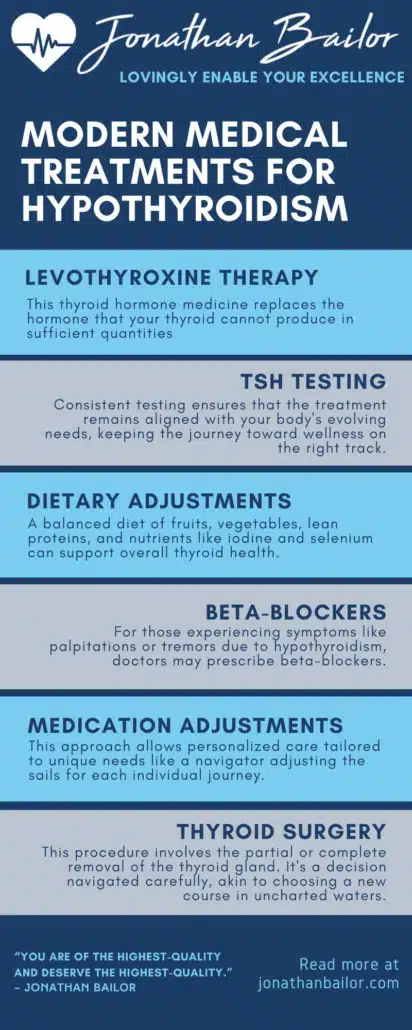
Navigating Allopathic Treatments: Modern Medicine’s Approach to Hypothyroidism

In modern medicine, there are several paths to address an underactive thyroid, each like a beacon guiding us toward restored health and balance. Allopathic treatments, grounded in years of research and clinical practice, offer effective solutions for managing this condition.

Here, we explore some of the common treatments that your health care provider may recommend, providing a glimpse into the options that modern medicine extends to those navigating the waters of underactive thyroid disease.

1. Levothyroxine Therapy

One of the most common and effective treatments for hypothyroidism is the prescription of levothyroxine, a synthetic thyroid hormone. This thyroid hormone medicine replaces the hormone that your thyroid cannot produce in sufficient quantities. The goal is to restore balance, like adding the missing piece to complete a puzzle. Dosage is carefully calibrated based on individual needs, and regular monitoring ensures the levels are just right, maintaining the harmony of your body’s functions.

2. Regular TSH Testing

Regularly monitoring thyroid-stimulating hormone (TSH) levels is essential to fine-tune the treatment of hypothyroidism. This blood test is a crucial tool, like a compass guiding the journey, helping doctors understand how well your thyroid is functioning and adjust medication dosages accordingly. Consistent testing ensures that the treatment remains aligned with your body’s evolving needs, keeping the journey toward wellness on the right track. These blood tests are typically the first diagnostic tool for thyroid disease.

3. Dietary and Nutritional Adjustments

Modern medicine also recognizes the power of dietary strategies in managing hypothyroidism. A balanced diet of fruits, vegetables, and lean proteins can support overall thyroid health. In some cases, doctors may advise increasing the intake of certain nutrients like iodine and selenium, essential for thyroid hormone production, akin to fortifying the body with the right building blocks for optimal function.

4. Beta-Blockers for Symptom Management

For those experiencing symptoms like palpitations or tremors due to hypothyroidism, doctors may prescribe beta-blockers. These medications can help manage these symptoms, providing relief like a calm shelter provides respite from a storm. It’s a targeted approach, addressing specific challenges on the path to managing hypothyroidism.

5. Personalized Medication Adjustments

The journey with hypothyroidism is unique for each individual, and so is the treatment. Physicians often take a personalized approach to medication, adjusting dosages based on a physical exam and factors like age, weight, other health conditions, and response to treatment. This approach allows personalized care tailored to unique needs like a navigator adjusting the sails for each individual journey.

6. Thyroid Surgery

In some instances of underactive thyroid, there are structural issues with the thyroid gland itself, such as significant enlargement or nodules, or in cases of severe hypothyroidism, surgery may be considered. This procedure involves the partial or complete removal of the thyroid gland. It’s a decision navigated carefully, akin to choosing a new course in uncharted waters.

Post-surgery, patients typically require lifelong thyroid hormone replacement therapy, given that the body’s natural hormone production is affected. The surgery aims to address the root cause and bring a more permanent solution.

These allopathic solutions for hypothyroidism thyroid reflect modern medicine’s commitment to restoring health and balance. They offer pathways that, combined with informed self-care and regular medical guidance, improve well-being and quality of life.

Modern Medical Treatments for Hypothyroidism - Jonathan Bailor

Complementing Wellness: Home Remedies to Soothe Underactive Thyroid Symptoms

In the journey of managing hypothyroidism, blending medical treatments with natural remedies can create a harmonious approach to wellness. While these home remedies should never replace professional medical advice or treatments, they can serve as valuable adjuncts, offering additional comfort and support. Think of them as gentle currents that aid the sails of allopathic treatments, helping to navigate the waters of hypothyroidism with a little more ease.

Here, we explore several natural remedies that can complement your ongoing medical regimen, providing a holistic approach to soothing underactive thyroid symptoms.

1. Iodine-Rich Foods

Incorporating iodine-rich foods to your diet can support thyroid health, as iodine is a critical component in producing thyroid hormones. Foods like seaweed, fish, and dairy are natural sources of iodine. It’s about adding a sprinkle of these iodine-rich ingredients to your meals like a chef subtly enhancing the flavor of a dish. However, finding a balance is important, as too much iodine can also aggravate thyroid issues.

2. Selenium Supplements

Selenium plays a crucial role in thyroid hormone metabolism. Foods like Brazil nuts, sunflower seeds, and eggs are good sources of selenium. Adding these to your diet is akin to providing the right tools to an artisan, aiding in fine-tuning thyroid function. As with any supplement, it’s important to discuss with your doctor if it’s the right amount for your specific needs.

3. Stress Reduction Techniques

Managing stress is vital to regulating thyroid function. Practices like yoga, meditation, and deep-breathing exercises can be effective. These techniques are anchors, grounding you amidst the stormy seas of stress, which can often exacerbate thyroid symptoms. These practices encourage a state of calm, aiding the body’s natural ability to heal and maintain balance.

4. Regular Exercise

Gentle, regular exercise can help manage some symptoms of hypothyroidism, such as weight gain and fatigue. Activities like walking, swimming, or cycling are excellent choices. It’s like taking your body on a gentle voyage, enhancing circulation and energy levels while supporting overall health.

5. Adequate Sleep

Ensuring sufficient and quality sleep is crucial for thyroid health. Establishing a regular sleep routine, creating a restful environment, and avoiding stimulants before bedtime can aid in better sleep. Think of sleep as a serene harbor where your body can dock and undergo repairs and rejuvenation.

6. Anti-inflammatory Foods

Incorporating anti-inflammatory foods can support overall health and may ease some thyroid symptoms. Foods like berries, leafy greens, and turmeric are known for their anti-inflammatory properties. Including these in your diet is like planting a garden of healing herbs, each contributing to a more balanced and less inflamed bodily state.

7. Hydration

Keeping well-hydrated is essential for overall health and can support thyroid function. Drinking adequate water throughout the day is akin to ensuring a steady flow of the body’s self-sustaining river. It aids in detoxification and maintaining optimal body functions, which is crucial when dealing with a thyroid condition.

Incorporating these natural remedies into your daily regimen can offer supportive care for managing hypothyroidism. They serve as complementary practices, enhancing the effectiveness of your medical treatments and contributing to a holistic approach to your health and well-being.

Home Remedies to Soothe Underactive Thyroid Symptoms - Jonathan Bailor

Thyroid Health: Answers to Your Frequently Asked Questions

Navigating the realm of thyroid health can often bring a flurry of questions to the surface. It’s natural to seek clarity and understanding about this vital aspect of our well-being. In this FAQ section, we aim to shed light on some of the most commonly asked questions regarding thyroid health, providing answers that combine accuracy with understanding. Let’s explore these questions together, enhancing our knowledge and empowering our journey towards better health.

Q1: What’s the function of the thyroid gland in our body?

The thyroid gland, a small butterfly-shaped organ located at the front of the neck, plays a pivotal role in regulating our body’s metabolism. It produces thyroid hormones, which act like a conductor, directing the speed and efficiency of how our body uses energy. This regulation affects various functions, from heart rate and body temperature to muscle strength and cholesterol levels. A well-functioning thyroid ensures a harmonious balance in our body’s daily operations.

Q2: How do I know if my thyroid is not functioning properly?

Signs of thyroid dysfunction can vary depending on whether it’s underactive (hypothyroidism) or overactive (hyperthyroidism). Hypothyroidism symptoms include fatigue, weight gain, cold sensitivity, and dry skin, while an overactive thyroid gland may present symptoms like weight loss, rapid heartbeat, and anxiety. It’s important to note that these symptoms can be subtle and gradual, making it crucial to consult a healthcare professional for accurate diagnosis and management.

Q3: Can diet impact thyroid health?

Diet plays a significant role in thyroid health. Certain nutrients, such as iodine, selenium, and zinc, are essential for thyroid hormone production and function. Foods rich in these nutrients, like seafood, nuts, and seeds, can support thyroid health. Conversely, excessive consumption of certain foods, like soy products and cruciferous vegetables, might affect thyroid function, especially in individuals with existing thyroid issues. It’s about finding a balanced and nutritious diet tailored to the body’s specific health needs.

Q4: Is thyroid dysfunction hereditary?

Thyroid disorders can have a hereditary component, especially if they’re due to an autoimmune disorder like Hashimoto’s thyroiditis, the most common cause of hypothyroidism. You may be at a higher risk if there’s a family history of thyroid problems. However, environmental factors, lifestyle choices, and other health conditions also play significant roles in thyroid health. Knowing your family history can be a key factor in the early detection and proactive management of thyroid conditions.

Q5: Can stress affect my thyroid?

Stress can indeed impact thyroid function. Chronic stress may lead to an imbalance in the body’s cortisol levels, which can interfere with thyroid hormone production and metabolism. This disruption can exacerbate existing thyroid conditions or even contribute to developing new thyroid issues. Managing stress through relaxation techniques, regular exercise, and a balanced lifestyle can, therefore, be beneficial in maintaining healthy thyroid function.

Embarking Together: Sharing the Journey of Thyroid Health

As our exploration of thyroid health draws to a close, we hope this journey has illuminated the path toward understanding and managing thyroid-related challenges. Our shared exploration—from recognizing signs to considering both medical and natural remedies—is a testament to the power of knowledge and proactive health care. We invite you to extend this journey beyond yourself. Share these insights with friends and family through social media and email. Let’s build an informed, empowered, and supportive community, fostering a collective journey toward better health and wellness for all.

Feeling Better Is Priceless, That's Why We Don't Put A Price On It!

“It’s Like A Free and Medically Valid Version of Noom and Weight Watchers Online”

~ Dr. Doctor Matthew Oleshiak, MD

Click the 'LEARN MORE' button below for free lifetime access to the fast fix program developed by Jonathan and top Ivy League Medical Doctors

LEARN MORE

P.S. It's not a free trial. It's not part of the program for free. The entire program is free, forever, for real! No credit card needed.
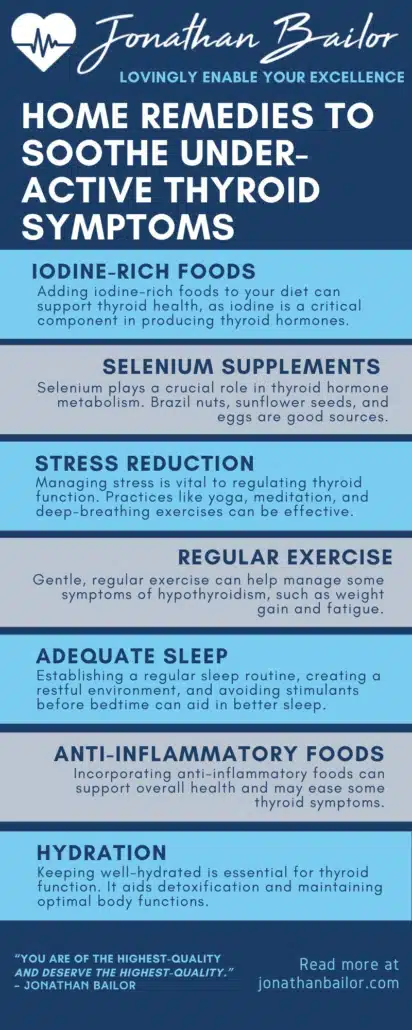
24 Smart Lifestyle Choices for Thyroid Health at Every Stage

Are you ready to discover 24 lifestyle choices for thyroid health in every stage of life with Jonathan Bailor in this thyroid health guide?

As we navigate life’s journey, we often find our health intertwined with nature’s intricate plan. Our thyroid is a key player in this journey, especially regarding energy, metabolism, and overall well-being. This tiny gland, nestled in the neck, might be small, but it holds the reins to many aspects of our health. Recognizing the profound impact of our lifestyle choices on thyroid health is crucial, especially as we progress through different stages of life.

Imagine your thyroid as a diligent conductor, orchestrating the symphony of hormones that regulate numerous body functions. Like any maestro, it needs the right environment and support to create harmony. This is where the magic of lifestyle choices comes into play. They are like the notes in a musical score, each vital to the overall performance.

The beauty of these lifestyle choices is that they are accessible and adaptable, irrespective of where we are in life’s journey. Whether you’re a busy professional, a parent juggling multiple roles, or someone enjoying the golden years, these choices are like a toolbox, ready to be opened and utilized for your thyroid’s benefit.

The forthcoming discussion will explore various ways to support your thyroid health, incorporating simple yet impactful lifestyle adjustments. These aren’t just random tips; they’re rooted in understanding how our daily habits and choices resonate with our body’s natural rhythm. From nutritional tweaks to stress management and physical activity to environmental awareness, each aspect plays a unique role in nurturing thyroid health.

Why is this conversation important? Every individual deserves to live a life brimming with vitality, and understanding the role of the thyroid is a step towards that. Whether dealing with thyroid issues or aiming to maintain good health, these insights are tailored to empower you.

But here’s the catch: knowledge alone isn’t power; it’s applying that knowledge that truly transforms lives. That’s why this article isn’t just for reading and nodding along. It’s a call to action to embrace these lifestyle changes and witness the positive shift in your health.

And remember, you’re not just doing this for yourself. By sharing this knowledge, you become a beacon of hope and guidance for your friends and family. Imagine being the catalyst for someone else’s journey towards better thyroid health. That’s a gift that keeps on giving.

So, as you delve into these pathways to support your thyroid, think of them as your personal health allies, there to guide you through each stage of life. Embrace them, share them, and watch as they unfold their power in your life and the lives of those you cherish.

Immediate Steps for Thyroid Health: Simple Yet Powerful

In our journey toward optimal thyroid health, the power of immediate, tangible actions cannot be overstated. Each small step we take can significantly improve thyroid function. This section delves into five simple yet powerful changes you can incorporate into your routine right now.

These aren’t grand gestures or overwhelming modifications. Instead, they are accessible, practical actions that effortlessly blend into your daily life. From hydration hacks to mindful eating, each step is designed to nurture and support your thyroid health. They are the kind of changes that you can start today, at this very moment, to pave the way for a healthier, more vibrant you.

  1. Revitalized Hydration: Drinking enough water is a cornerstone of good health, but let’s add a twist for thyroid health. Begin your day with a glass of warm water mixed with fresh lemon juice. This simple ritual hydrates and aids in detoxification, providing a gentle nudge to your thyroid function. It’s a refreshing start that sets a positive tone for your day, supporting your body’s natural balance.
  2. Mindful Breathing for Stress Reduction: Stress can be a stealthy adversary to your thyroid and can worsen thyroid disease symptoms. Counteract its effects with a mindful breathing exercise. Take a few minutes, find a quiet spot, and focus on deep, slow breathing. This practice calms the nervous system, reducing cortisol levels, which, when elevated, can disrupt thyroid function. It’s a powerful tool you can use anytime, anywhere.
  3. Smart Snacking for Balanced Blood Sugar: Keep your blood sugar levels steady by choosing smart snacks. Opt for a small handful of nuts or a piece of fruit with a dab of almond butter. These snacks provide essential nutrients without spiking your blood sugar, which is crucial for maintaining hormonal balance, including your thyroid hormones.
  4. Gentle Neck Stretches: Since your thyroid is located in your neck, gentle neck stretches can improve circulation in that area. Spend a few minutes doing simple side-to-side and up-and-down neck movements. This can help improve blood flow to the thyroid gland, supporting its health and functionality. It’s an easy exercise that you can do even while sitting at your desk.
  5. Mindful Eating: Pay attention to how and what you eat. Sit down, chew slowly, and savor each bite. This practice aids digestion, reduces stress, and helps your body absorb nutrients more efficiently. Proper nutrient absorption is key to thyroid health, ensuring your thyroid gets the vitamins and minerals it needs to function optimally.

Each of these actions is a stepping stone toward a healthier thyroid and, consequently, a healthier you. They are simple yet profound in their impact, creating ripples of positive change in your overall well-being.

Immediate Steps to Support Your Thyroid Health - Jonathan Bailor

Feeling Better Is Priceless, That's Why We Don't Put A Price On It!

“It’s Like A Free and Medically Valid Version of Noom and Weight Watchers Online”

~ Dr. Doctor Matthew Oleshiak, MD

Click the 'LEARN MORE' button below for free lifetime access to the fast fix program developed by Jonathan and top Ivy League Medical Doctors

LEARN MORE

P.S. It's not a free trial. It's not part of the program for free. The entire program is free, forever, for real! No credit card needed.
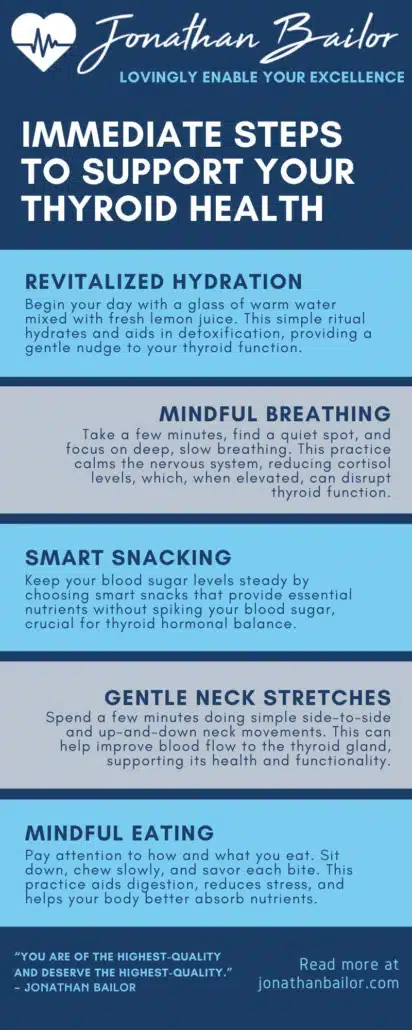
Short-Term Strategies for Enhanced Thyroid Health

Embarking on a path to better thyroid health is a journey of incremental steps, and it’s often the changes we implement in the short term that can set the stage for long-lasting benefits. Over the next few days, you can start incorporating specific, actionable strategies into your lifestyle specifically tailored to support your thyroid.

These changes, though small in effort, have a significant impact. They focus on tweaking your daily habits to create an environment where your thyroid can thrive. From adjusting your diet to one that supports thyroid stimulating hormone (TSH) production to embracing certain lifestyle practices, each of these steps is a building block towards a healthier you. Let’s explore these six short-term changes that are both practical and powerful, paving the way for a thriving thyroid.

  1. Switch to Selenium-Rich Foods: Selenium is vital for thyroid function. Introduce selenium-rich foods like Brazil nuts, sunflower seeds, and mushrooms into your diet over the next few days. Just a couple of Brazil nuts a day can meet your selenium needs, aiding in the production of thyroid hormones.
  2. Incorporate Iodine-Rich Foods: Iodine is crucial for thyroid hormone production. Gradually add iodine-rich foods like seaweed, fish, dairy, and eggs to your meals. A balanced intake of iodine can support your thyroid health without overdoing it.
  3. Limit Goitrogenic Foods: Certain foods, known as goitrogens, can interfere with thyroid function. While you don’t have to eliminate them, consider reducing foods like soy products, cabbage, and kale. Cooking these foods can also minimize their goitrogenic effect.
  4. Moderate-Intensity Exercise: Add moderate-intensity exercises like brisk walking or light jogging to your routine. This level of activity can boost circulation, including to the thyroid gland, without stressing your body.
  5. Improve Sleep Hygiene: Good-quality sleep is crucial for hormonal balance, including thyroid health. Over the next few nights, prioritize your sleep by establishing a regular bedtime routine, making your bedroom comfortable, and avoiding screens before bed.
  6. Mindful Relaxation Techniques: Stress management is key to thyroid health. Introduce short, daily sessions of yoga, meditation, or any relaxation technique that works for you. These practices can lower stress hormones, which otherwise can impede thyroid function.

Implementing these changes in the coming days can be a game-changer for your thyroid health. Each step is a move towards creating a balanced and nourishing environment for your thyroid to function optimally. Remember, the journey to health is a series of steps, and these short-term changes are important strides in the right direction.

Short Term Tips for Enhanced Thyroid Health - Jonathan Bailor

Sustaining Thyroid Health: Medium-Term Transformations

As we navigate through our health journey, embracing medium-term changes becomes pivotal in supporting and enhancing thyroid function. Over a few weeks, you have the opportunity to integrate deeper and more sustained habits into your lifestyle, ones that specifically cater to thyroid health.

These aren’t overnight fixes but rather gradual shifts that compound over time to produce meaningful, lasting effects for healthy thyroid function. From dietary adjustments to lifestyle modifications, each of these steps builds upon the immediate and short-term changes, further solidifying your commitment to thyroid health. These strategies are designed to seamlessly integrate into your life, promoting optimal health and hormonal balance.

  1. Balanced Exercise Routine: Over the next few weeks, work on developing a balanced exercise routine that includes strength training. Muscle-building activities are essential for metabolic health, which in turn supports thyroid function. Aim for two to three sessions per week, focusing on major muscle groups for a well-rounded impact.
  2. Explore Thyroid-Supportive Supplements: Consult with a healthcare professional about dietary supplements that support thyroid health, such as zinc, vitamin D, and B vitamins. Over the coming weeks, carefully integrate these supplements into your routine, as they can aid in thyroid hormone production and metabolism.
  3. Transition to a Thyroid-Friendly Diet: Gradually shift your diet to include more thyroid-supportive foods. Focus on incorporating fresh fruits and vegetables, lean proteins, and healthy fats. This transition should be a mindful process, ensuring that you provide your body with the nutrients it needs for optimal thyroid function.
  4. Enhance Gut Health: Your gut health significantly impacts your thyroid. Start incorporating probiotic-rich foods like yogurt, kefir, and fermented vegetables. Also, include fiber-rich foods to support gut health. A healthy gut contributes to better absorption of nutrients and overall hormonal balance.
  5. Regular Sleep Schedule: Commit to establishing a regular sleep schedule. Consistent sleep patterns are crucial for hormonal balance, including the regulation of thyroid hormones. Aim for 7-8 hours of quality sleep each night, and maintain consistent sleep and wake times.
  6. Stress Management Practices: Develop a stress management routine that works for you. This might include regular mindfulness practices, journaling, or engaging in hobbies that relax you. Reducing stress levels is key to maintaining a healthy thyroid, as chronic stress can disrupt thyroid function.

Embracing these medium-term changes can be a transformative experience for your thyroid health. Each of these steps is a testament to the fact that sustained, thoughtful changes can significantly improve your well-being. As you integrate these practices into your life over the next few weeks, you’re not just nurturing your thyroid but also paving the way for a healthier, more balanced you.

Medium Term Actions for Thyroid Health - Jonathan Bailor

Long-Term Commitments for Lifelong Thyroid Wellness

As we embark on a journey towards lasting thyroid health, long-term changes are like anchors that stabilize and sustain our efforts. Over months, these changes evolve into deeply ingrained habits, forming the backbone of a lifestyle conducive to thyroid health. These aren’t quick fixes but rather enduring commitments that reflect a deep understanding and respect for our body’s needs. Each strategy outlined here is a testament to the power of persistence and consistency in health transformation.

As these habits become second nature, they not only support the thyroid but also contribute to overall health and vitality. Let’s explore these long-term commitments that promise to be your companions on this lifelong journey to optimal thyroid health.

  1. Regular Health Check-ups: Commit to regular thyroid function tests and general health check-ups. Monitoring thyroid hormone levels and other related parameters over the course of months provides valuable insights into your health and the effectiveness of your lifestyle choices. This practice ensures timely adjustments to your health plan, keeping your thyroid in optimal condition.
  2. Sustained Nutritional Focus: Maintain a nutritional focus that supports thyroid health over the long term. This involves consistently choosing foods rich in antioxidants, omega-3 fatty acids, and vitamins while moderating those that can disrupt thyroid function. A sustained, balanced, healthy diet is a cornerstone of your thyroid health.
  3. Mind-Body Connection: Cultivate a strong mind-body connection through practices like yoga, tai chi, or pilates. When practiced regularly over months, these disciplines enhance physical health and promote mental well-being, which is crucial for hormonal balance and thyroid health.
  4. Environmental Toxin Awareness: Develop an awareness of environmental toxins that can affect thyroid health. Over time, strive to minimize exposure to harmful chemicals in personal care products, household cleaners, and plastics. Adopting an environmentally conscious lifestyle protects your thyroid from potential disruptors.
  5. Healthy Weight Management: Focus on maintaining a healthy weight through balanced eating and regular physical activity. Weight management is crucial for normal thyroid function, as excessive weight can strain the body’s hormonal balance. This commitment is not about rapid weight loss but sustaining a healthy body weight and composition.
  6. Social and Emotional Well-Being: Cultivate strong social connections and emotional well-being. Engage in community activities, nurture relationships, and seek support when needed. Emotional health is deeply intertwined with physical health, including thyroid functioning.
  7. Continuous Learning: Stay informed about thyroid health through credible sources. Knowledge empowers you to make informed decisions about your health and adapt to new findings and recommendations. This ongoing education is a key component of maintaining thyroid health in the long run.

These long-term commitments represent a holistic approach to thyroid health, encompassing physical, emotional, and environmental aspects. By consistently embracing these practices over months, you’re not just supporting your thyroid but also paving the way for a healthier, more fulfilling life. Remember, the journey to health is continuous, and these long-term changes are your steadfast allies along the way.

Long-Term Strategies for Thyroid Health - Jonathan Bailor

Thyroid Health: Your Questions Answered

Navigating the complexities of thyroid health can sometimes feel like a journey filled with questions and uncertainties. To help you on this path, here’s a compilation of frequently asked questions about thyroid health. These questions touch upon common concerns and curiosities, offering insights rooted in medical accuracy and practicality. Whether you’re newly exploring the world of thyroid health or seeking to deepen your understanding, these answers are tailored to provide clarity and guidance.

Q1: What are the common signs of an underactive thyroid?

An underactive thyroid, or hypothyroidism, often presents subtle signs that can be easily overlooked. Common symptoms include fatigue, weight gain, feeling cold, dry skin, hair loss, extreme fatigue, and constipation. You might also experience muscle weakness, joint pain, or menstrual changes. These symptoms can develop slowly, so they’re sometimes mistaken for normal aging or stress. Thyroid medication, like thyroid hormone replacement therapy, is typically used to treat hypothyroidism.

Q2: Can diet affect thyroid health?

Absolutely, diet plays a crucial role in thyroid health. Foods rich in iodine, selenium, and zinc are particularly beneficial for thyroid function. However, it’s important to balance iodine intake, as both deficiency and excess can be problematic. Additionally, maintaining a diet low in processed foods and high in fruits, vegetables, and lean proteins can support overall health, positively influencing thyroid function.

Q3: How does exercise impact thyroid health?

Regular exercise can significantly benefit thyroid health. It enhances metabolism, which can be sluggish in thyroid disorders. Exercise also helps with weight management, reducing the strain on your body’s hormonal balance. However, choosing the right type and intensity of exercise is crucial, as excessively high-intensity workouts may stress the body and potentially disrupt thyroid function.

Q4: Are there any natural ways to support thyroid health?

Yes, there are several natural ways to support your thyroid. This includes eating a balanced diet, getting enough sleep, managing stress, and exercising regularly. Incorporating foods rich in essential nutrients like selenium and iodine is also beneficial. Mind-body practices like yoga and meditation can help manage stress, which is important as high-stress levels can negatively impact thyroid health.

Q5: Is it important to monitor thyroid health regularly?

Monitoring your thyroid health is important, especially if you have symptoms or a family history of thyroid dysfunction, like an overactive thyroid or other problems. Regular check-ups and thyroid function tests can help detect issues early on. This is particularly important, as thyroid disorders can sometimes be asymptomatic in their early stages. Early detection allows for timely management, reducing the risk of complications.

These questions and answers aim to shed light on some of the key aspects of thyroid health, offering a blend of practical advice and medical insight. Remember, maintaining good thyroid health is a balance of proper nutrition, regular physical activity, stress management, and regular health check-ups.

Embracing and Sharing the Journey to Thyroid Wellness

As we conclude this exploration of thyroid health, remember that each step you take, whether immediate or long-term, is a stride towards better well-being. These insights are not just for your personal journey but also a beacon of hope and knowledge for your loved ones.

Share this wealth of information with friends and family across social media platforms and through email. Let’s spread the word about how simple yet impactful lifestyle changes can nurture thyroid health. Together, let’s build a community that supports and thrives in optimal health, one shared piece of wisdom at a time.

Feeling Better Is Priceless, That's Why We Don't Put A Price On It!

“It’s Like A Free and Medically Valid Version of Noom and Weight Watchers Online”

~ Dr. Doctor Matthew Oleshiak, MD

Click the 'LEARN MORE' button below for free lifetime access to the fast fix program developed by Jonathan and top Ivy League Medical Doctors

LEARN MORE

P.S. It's not a free trial. It's not part of the program for free. The entire program is free, forever, for real! No credit card needed.