Hormone Health

Nutrient-Dense Protein: A Nutritional Shield Against Obesity & Diabetes

In the realm of health and nutrition, a silent yet powerful player is making significant strides in shaping our well-being: nutrient-dense protein. This isn’t about hopping on the latest dietary trend bandwagon; it’s about rekindling our relationship with food in its most natural and nourishing form. As we embark on this journey toward improved health, let’s not overlook the indispensable guidance provided by this hormone health guide with Jonathan Bailor, illuminating the intricate connection between our dietary habits, hormonal equilibrium, and the prevention of obesity and diabetes.

Imagine stepping into a world where every meal is an opportunity for nourishment and vitality. Here, amidst a kaleidoscope of natural hues and flavors, lies a secret weapon against today’s most challenging health issues: obesity and diabetes. This secret? It’s not found in a bottle or a pill but in the very fabric of what we eat, particularly in nutrient-dense proteins.

Why focus on ‘nutrient-dense’? What we consume matters in our journey towards better health. Obesity, overweight, and diabetes are not just about numbers on a scale or glucose readings; they are the result of complex interactions within our bodies influenced significantly by our dietary choices.

For certain individuals struggling with obesity and diabetes, medically supervised weight loss drugs can complement dietary changes involving nutrient-dense proteins. These medications work by regulating appetite or enhancing metabolism, allowing for a more sustainable approach to weight management. When paired with a diet rich in high-quality proteins, weight loss drugs can help individuals achieve their health goals more effectively.

Nutrient-dense proteins stand out as they are not just sources of calories. They come from foods like wild-caught fish, grass-fed meats, plain nonfat Greek yogurt, low-fat cottage cheese, legumes, nuts, and seeds, foods rich in high-quality protein and a plethora of essential nutrients. They represent nature’s bounty in its purest form, providing our bodies with the components needed for a multitude of physiological processes.

Incorporating these nutrient powerhouses into our diets means we’re doing more than just eating; we’re making a conscious decision to fuel our bodies optimally. This choice goes beyond personal health, touching on broader themes like sustainable eating practices and respect for the natural world.

By focusing on foods that deliver the most nutritional value, we take a crucial step toward not only addressing obesity and diabetes but also transforming our overall health landscape. After all, obesity and diabetes lead to an increased risk of heart disease, liver disease, kidney disease, certain cancers, and other health problems. So, focusing on foods that promote satiety and balance, steering us away from processed foods and towards wholesome and unrefined ones, reduces health risks.

As we explore nutrient-dense proteins and their role in our health, remember that this is just the starting point of a larger conversation about food and wellness. This journey is about reconnecting with the natural world through the foods we eat, understanding that each choice can contribute to a healthier, more vibrant life.

This is not a quick fix or a temporary diet but a lifelong commitment to eating foods as close to their natural state as possible, foods recognized and fully utilized by our bodies for what they are: sources of life and health.

Let’s embrace this holistic approach to nutrition, where every meal is a step toward a healthier self and a more sustainable world. It’s time to make every bite count, not just for the pleasure it brings to our taste buds, but for its profound impact on our health and our environment.

Join us on this journey, one meal, one nutrient-packed protein at a time.

Nourishing Futures: Embracing Nutrient-Dense Proteins for Obesity and Diabetes Prevention

In the mix of modern nutrition, a important shift towards embracing nutrient-dense proteins marks a beacon of hope for those obesity and diabetes. This journey isn’t about radical overhauls but about cultivating a series of thoughtful, sustainable lifestyle changes. It’s about recognizing the profound impact of our dietary choices, not just on our personal health but on the broader canvas of our communities and the planet.

Here, we explore the myriad ways in which nutrient-dense proteins serve as cornerstones for a healthier tomorrow.

1. Satiation and Sustained Energy

Nutrient-dense proteins have a remarkable ability to provide a sense of fullness and prolonged energy. In scientific terms, they increase satiety. Foods like grass-fed beef, wild-caught fish, and legumes are not just packed with protein; they come with a suite of nutrients that work harmoniously to slow digestion and promote satiety. This natural regulation of hunger cues and energy levels matters in preventing overeating, a common pitfall in the development of obesity. The satiating effects of nutrient-dense protein can help lower body mass index and avoid overweight and obesity. Weight loss is a delicious side effect of consuming nutrient-dense protein!

by maintaining stable energy levels throughout the day, individuals are less likely to reach for quick, processed sources of energy, which are often loaded with sugars and empty calories that contribute to diabetes.

2. Metabolic Efficiency

Integrating nutrient-dense proteins into daily meals can enhance metabolic efficiency, turning the body into a more effective energy-burning machine. High-quality proteins require more energy for digestion, absorption, and assimilation than fats or carbohydrates. This process, known as the thermic effect of food, means that the body burns more calories processing proteins, which can help you achieve and maintain a healthy weight.

In some cases, achieving and maintaining metabolic efficiency may require additional support beyond diet and exercise. For certain individuals, weight loss drugs, when prescribed by a healthcare professional, can boost metabolism by influencing hormonal pathways that regulate fat storage and energy use. Incorporating these medications into a well-rounded strategy that includes nutrient-dense proteins can optimize metabolic health and further aid diabetes prevention.

This increased metabolic rate is a valuable ally in weight management and diabetes prevention, as it helps maintain lean muscle mass, further fueling metabolic efficiency.

3. Blood Sugar Balance

The battle against diabetes hinges on maintaining stable blood sugar levels. Nutrient-dense proteins, particularly when paired with fiber-rich vegetables and healthy fats, have a minimal impact on blood glucose levels. Unlike refined carbs and sugars, which cause spikes and crashes in blood sugar, these proteins provide a steady energy source and help you lose weight.

This stability is crucial for preventing insulin resistance, a precursor to diabetes, and managing weight, as it curbs cravings and reduces the likelihood of overeating.

4. Nutritional Synergy for Hormonal Health

Nutrient-dense proteins provide more than amino acids; they also contain a host of vitamins, minerals, and other compounds that collectively support hormonal health. For instance, omega-3 fatty acids found in fish like salmon can improve insulin sensitivity, while the iron in lentils is vital for energy metabolism.

This nutritional synergy ensures that the body’s hormonal systems function optimally, guarding against the hormonal imbalances that can lead to obesity and diabetes.

5. Inflammation Reduction

Chronic inflammation is a silent contributor to obesity and diabetes, creating an internal environment conducive to weight gain and insulin resistance. Nutrient-dense proteins such as fatty fish are rich in anti-inflammatory omega-3 fatty acids, which can mitigate this risk.

By quelling inflammation, these proteins not only protect against metabolic disorders but also bolster overall health, paving the way for a life free from the burdens of chronic disease.

6. Culinary Diversity and Satisfaction

Embracing nutrient-dense proteins opens up a world of culinary diversity that satisfies the palate and nourishes the body. This satisfaction is key to sustainable lifestyle changes. When meals are both delicious and nutritious, they become something to look forward to, not a chore.

This positive relationship with food is essential for long-term adherence to a healthy eating pattern and is crucial for preventing obesity and diabetes.

In weaving these nutrient-dense proteins into the fabric of our daily lives, we craft a narrative of health that extends beyond the individual. It’s a story of wellness, sustainability, and joyous culinary exploration that champions the power of choice in forging brighter, healthier futures.

This is more than a diet; it’s a celebration of life, one nourishing meal at a time.

Nutrient Dense Protein 5 Benefits for Your Health - Jonathan Bailor

Feeling Better Is Priceless, That's Why We Don't Put A Price On It!

“It’s Like A Free and Medically Valid Version of Noom and Weight Watchers Online”

~ Dr. Doctor Matthew Oleshiak, MD

Click the 'LEARN MORE' button below for free lifetime access to the fast fix program developed by Jonathan and top Ivy League Medical Doctors

LEARN MORE

P.S. It's not a free trial. It's not part of the program for free. The entire program is free, forever, for real! No credit card needed.
Hormone Health: Navigating Through Common Queries

1. What role do hormones play in overall health?

Hormones are the body’s chemical messengers, important in regulating various physiological processes, including growth, metabolism, fertility, and mood. They operate through the bloodstream, influencing organs and tissues to maintain balance and well-being.

A harmonious hormonal balance is crucial for optimal health, as even slight imbalances can significantly impact the body’s systems, leading to various health concerns ranging from weight fluctuations to chronic diseases.

2. How can diet influence hormone health?

Diet plays a foundational role in maintaining hormonal balance. Nutrient-dense foods provide the building blocks for hormone production and regulation. For example, healthy fats are essential for synthesizing hormones, while proteins are critical for hormone function and repair. Antioxidant-rich foods combat oxidative stress, which can disrupt hormonal equilibrium.

Conversely, excessive processed foods and sugar intake can lead to insulin resistance and other hormonal imbalances.

3. Can stress affect hormone health?

Yes, stress has a profound impact on hormone health. Chronic stress triggers the release of cortisol, known as the stress hormone. While cortisol is vital for survival responses, prolonged elevated levels can lead to imbalances in other hormones, such as insulin, estrogen, and testosterone, disrupting their normal functions.

Managing stress through mindfulness practices, adequate rest, and physical activity can help maintain cortisol at healthy levels, supporting overall hormonal balance.

4. What are the signs of a hormonal imbalance?

Signs of hormonal imbalance can vary widely depending on which hormones are affected, but often include persistent weight gain or loss, fatigue, mood swings, sleep disturbances, and changes in appetite or digestive issues. For women, irregular menstrual cycles or symptoms of menopause can indicate hormonal shifts, while men might experience changes in libido or muscle mass.

Recognizing these signs early and consulting with a healthcare provider can help address imbalances before they lead to more severe health issues.

5. Can weight loss drugs impact hormone health?

Yes, for compatible individuals, weight loss drugs can positively influence hormone health by addressing imbalances linked to obesity and metabolic disorders. For example, some medications target insulin resistance, improving blood sugar control and reducing the risk of diabetes. When used in conjunction with nutrient-dense proteins and other healthy lifestyle changes, weight-loss drugs can support hormonal equilibrium and overall well-being.

5. Are there natural ways to support hormone health?

Several natural strategies can support hormone health. Incorporating a variety of whole foods, rich in essential nutrients, supports the body’s hormonal functions. Regular physical activity helps regulate insulin levels and supports the production of hormones that enhance mood and sleep. Adequate sleep is also crucial, as many hormonal processes occur or peak during sleep.

Also, reducing exposure to endocrine disruptors, such as certain plastics and pesticides, can aid in maintaining hormonal balance.

Embracing Wellness: A Journey Together

In exploring nutrient-dense proteins and their profound impact on preventing obesity and diabetes, we’ve uncovered the significance of mindful eating and lifestyle choices for holistic health. This narrative isn’t just a guide; it’s an invitation to transform our lives and those around us through the power of nourishment.

As we step forward on this path of wellness, let’s share the knowledge gained with friends and family. Spread the word on social media and email, igniting a collective journey towards better health. Let’s embrace this journey, one meal, one share at a time, fostering a community of well-being and vitality.

Feeling Better Is Priceless, That's Why We Don't Put A Price On It!

“It’s Like A Free and Medically Valid Version of Noom and Weight Watchers Online”

~ Dr. Doctor Matthew Oleshiak, MD

Click the 'LEARN MORE' button below for free lifetime access to the fast fix program developed by Jonathan and top Ivy League Medical Doctors

LEARN MORE

P.S. It's not a free trial. It's not part of the program for free. The entire program is free, forever, for real! No credit card needed.
Dry January 2024: Weight Loss and Hormonal Benefits of Quitting Alcohol

Are you ready to experience the weight loss and hormonal benefits of quitting alcohol in 2024? Here is a wealth of information on the effects of alcohol on hormones and body weight, along with the benefits of quitting drinking for a month, in this hormone health guide with Jonathan Bailor.

As the festive cheers of the holiday season fade into the calm of January, many of us embrace the tradition of ‘Dry January’ – a month dedicated to abstaining from alcohol. This annual reset is not just a trend but a gateway to profound health benefits, especially in the realms of hormonal balance and weight management.

For years, alcohol has been a ubiquitous component of social gatherings and a go-to relaxant for many. However, its impact on our bodies, particularly regarding weight control and hormonal health, often remains under-discussed. It’s crucial to understand that the body’s weight regulation is not just about calories in versus calories out; it’s a sophisticated dance of hormones where each player has a vital role. Alcohol, while it may bring temporary euphoria, can disrupt this delicate balance, leading to unintended health consequences.

By taking a break from alcohol, you’re not just cutting down on liquid calories; you’re giving your body a chance to recalibrate its hormonal responses, which can have a cascading effect on your overall health and weight.

Dry January is more than a month of abstention; it’s an opportunity to reset, reflect, and reevaluate our relationship with alcohol.During a period of abstaining from alcohol, the body’s natural hormonal balance can be restored which can lead to weight loss and better metabolic health. The benefits extend beyond just the physical; many who participate in Dry January report feeling more energized, having better sleep quality, and experiencing a clearer mind.

This journey through Dry January is an exploration of how stepping away from alcohol can lead to a rejuvenated body and mind. It’s about understanding the intrinsic connection between what we consume and how our bodies function. The insights gained during this month can be a stepping stone to a healthier, more balanced lifestyle.

As you embark on this Dry January journey, remember that every step you take is a step towards better health. It’s not about deprivation but about empowerment, the power to control what goes into your body and its profound impact on your well-being. This month can be a significant experience, revealing your body’s remarkable resilience and adaptability.

So, here’s to Dry January 2024, a toast to health, balance, and new beginnings! Remember, sharing this journey can inspire others. Let’s spread the word about the benefits of an alcohol-free month and how it can be a catalyst for lasting change in our lives and the lives of those around us. Share this message with friends and family, and let’s build a community dedicated to health and well-being.

Navigating the Hormonal Maze: Key Players in Weight Loss and Weight Management

As we journey to understand weight management, we often overlook the silent yet powerful influencers within our bodies: hormones. These biochemical messengers are important in regulating our weight, appetite, and overall metabolic health. So, hormonal weight gain is a valid health and weight issue.

Each hormone has a unique function, working in harmony to maintain balance. Unraveling their roles provides insights into how our bodies function and how we can better manage our weight. Here’s a closer look at some critical hormones significantly impacting body weight and weight management.

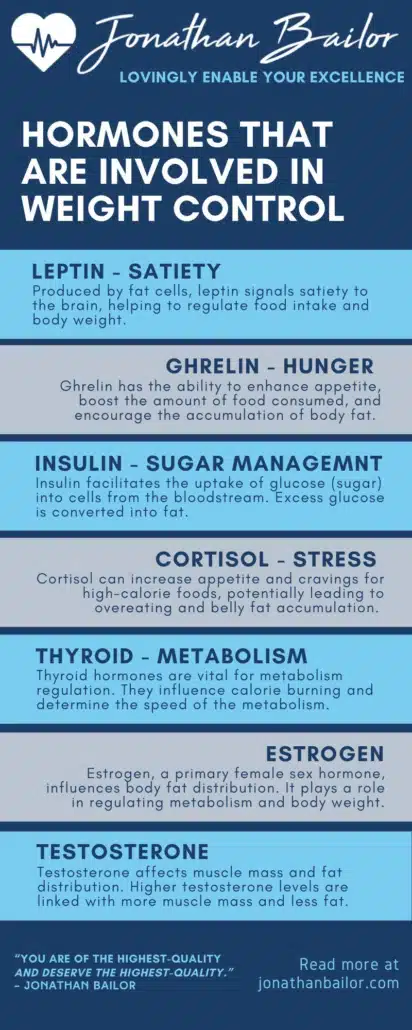
1. Leptin: The Satiety Hormone

Produced by fat cells, leptin communicates with the brain, particularly the hypothalamus. It signals satiety, helping to regulate food intake and body weight. When leptin levels are optimal, it tells the brain that you have enough fat stored, reducing appetite and encouraging calorie burning, which helps you lose weight. However, issues arise with leptin resistance, often seen in obesity, where the brain doesn’t recognize leptin signals, leading to overeating despite adequate fat stores. Addressing leptin resistance is crucial for effective weight management.

2. Ghrelin: The Hunger Hormone

Ghrelin, primarily secreted by the stomach, plays the opposite role of leptin. It has the ability to enhance the desire to eat, boost the amount of food consumed, and encourage the accumulation of body fat. Ghrelin levels typically rise before a meal, signaling hunger, and fall after eating. Weight loss can increase ghrelin levels, which might explain why maintaining weight loss can be challenging. Understanding and managing ghrelin’s effects can be critical to long-term weight control.

3. Insulin: The Sugar Regulator

Insulin, produced by the pancreas, is crucial for regulating blood sugar levels and energy storage. It facilitates the uptake of glucose (sugar) into cells from the bloodstream. Excess glucose is converted into fat. High insulin levels, often caused by insulin resistance or a diet high in sugar and refined carbs, can increase fat storage and weight gain. Managing insulin levels through diet and lifestyle is a cornerstone of weight management.

4. Cortisol: The Stress Hormone

Cortisol, released by the adrenal glands during stress, has a complex relationship with weight. It can increase your appetite and cravings for high-calorie foods. Chronic high cortisol levels can lead to overeating and abdominal fat accumulation. Understanding stress’s role in weight management is essential, as reducing stress can help regulate cortisol levels and support weight-loss efforts.

5. Thyroid Hormones: Metabolic Regulators

Thyroid hormones, including T3 and T4, are produced by the thyroid gland and are vital for metabolism regulation. They influence calorie burning and determine how fast or slow the metabolism works. Hypothyroidism, a condition where the thyroid doesn’t produce enough hormones, can lead to weight gain and a sluggish metabolism. Proper thyroid function is critical for maintaining a healthy weight.

6. Estrogen: The Female Hormone

Estrogen, a primary female sex hormone, influences body fat distribution. It plays a role in regulating metabolism and body weight. Low estrogen levels, often seen in menopause, can lead to weight gain, especially around the abdomen. Balancing estrogen levels through diet, lifestyle, and medical guidance can help manage weight, particularly in women during menopause.

7. Testosterone: The Male Hormone

Testosterone, predominantly a male hormone, affects muscle mass and fat distribution. Higher testosterone levels are associated with increased muscle mass and reduced body fat. Low testosterone can lead to weight gain, muscle loss, and fat accumulation. Ensuring optimal testosterone levels can aid in maintaining healthy body composition.

Understanding these hormones and their roles in weight management empowers us to make informed decisions about our health and lifestyle. For certain individuals, weight loss drugs may be an option to address specific hormonal imbalances or challenges in weight management. These drugs should always be considered carefully and in consultation with a healthcare provider.

By recognizing the intricate hormonal interplay, we can tailor our approach to weight loss and maintenance, leading to more sustainable and effective outcomes.

Hormone that Are Involved in Weight Control - Jonathan Bailor

Feeling Better Is Priceless, That's Why We Don't Put A Price On It!

“It’s Like A Free and Medically Valid Version of Noom and Weight Watchers Online”

~ Dr. Doctor Matthew Oleshiak, MD

Click the 'LEARN MORE' button below for free lifetime access to the fast fix program developed by Jonathan and top Ivy League Medical Doctors

LEARN MORE

P.S. It's not a free trial. It's not part of the program for free. The entire program is free, forever, for real! No credit card needed.
Unveiling the Impact: How Alcohol Influences Key Hormones in Weight Management

Navigating the intricate landscape of weight management, it becomes evident that hormones are important actors in this complex process. However, what’s often less discussed is the profound influence that alcohol has on these hormonal players. Alcohol, a common element in social settings and relaxation routines, can significantly disrupt the delicate hormonal balance that governs our body weight and metabolism.

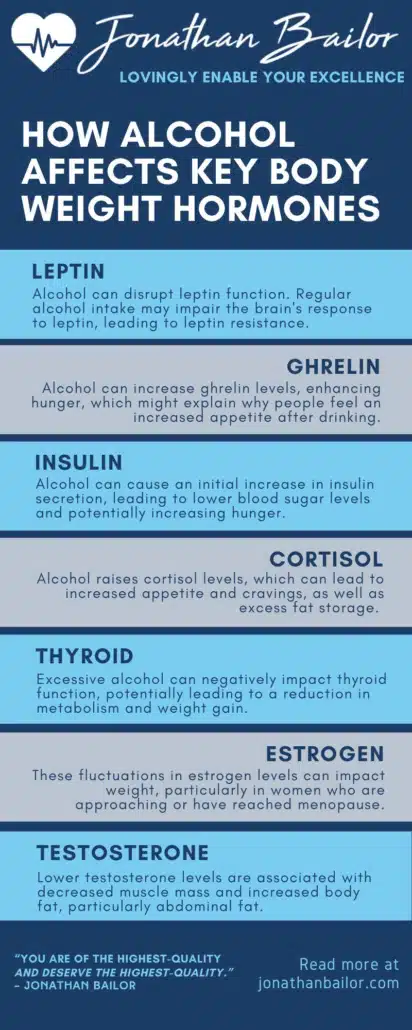
This section explores the detailed ways alcohol interacts with each of the seven key hormones above: leptin, ghrelin, insulin, cortisol, thyroid hormones, estrogen, and testosterone. Understanding these interactions is crucial for anyone seeking a holistic approach to weight management, especially considering the role of lifestyle choices in hormonal health.

1. Leptin

Alcohol can disrupt the proper functioning of leptin. Regular alcohol intake may impair the brain’s response to leptin, leading to leptin resistance. This resistance can result in the brain not receiving the signal that the body has stored enough energy, potentially causing overeating and weight gain.

2. Ghrelin

Alcohol can increase ghrelin levels, thus enhancing the sensation of hunger. This might explain why people often feel an increase in appetite or cravings for food, particularly high-calorie or fatty foods, after consuming alcohol.

3. Insulin

Alcohol can have a complex impact on insulin. It can cause an initial increase in insulin secretion, leading to lower blood sugar levels and potentially increasing hunger. Also, chronic alcohol consumption can contribute to insulin resistance, a significant factor in weight gain and metabolic disorders like type 2 diabetes.

4. Cortisol

Alcohol consumption elevates cortisol levels, known as the stress hormone. Elevated cortisol can lead to increased appetite and cravings, as well as a propensity to store fat, particularly in the abdominal area.

5. Thyroid Hormones (T3 and T4)

Excessive alcohol intake can negatively impact thyroid function, potentially leading to a reduction in thyroid hormone levels. This reduction can slow down metabolic processes, contributing to weight gain and difficulty losing weight.

6. Estrogen

Alcohol can affect estrogen levels, particularly in women. It can either increase or decrease estrogen, depending on various factors, including the amount of alcohol consumed. These fluctuations in estrogen levels can impact weight, particularly in women who are approaching or have reached menopause.

7. Testosterone

In men, excessive alcohol consumption can lead to a decrease in testosterone levels. Lower testosterone levels are associated with decreased muscle mass and increased body fat, particularly abdominal fat.

In summary, while moderate alcohol consumption may have a minimal impact, chronic or excessive alcohol abuse can significantly disrupt the hormonal balance related to weight management. These disruptions can contribute to weight gain and difficulty losing weight.

How Alcohol Affects Key Body Weight Hormones - Jonathan Bailor

Beyond Weight: Understanding the Broader Health Impacts of Alcohol Consumption

Alcohol consumption, especially when excessive, has a wide range of physical and mental health effects beyond its impact on weight. These effects underscore the importance of moderation or abstention to maintain optimal health.

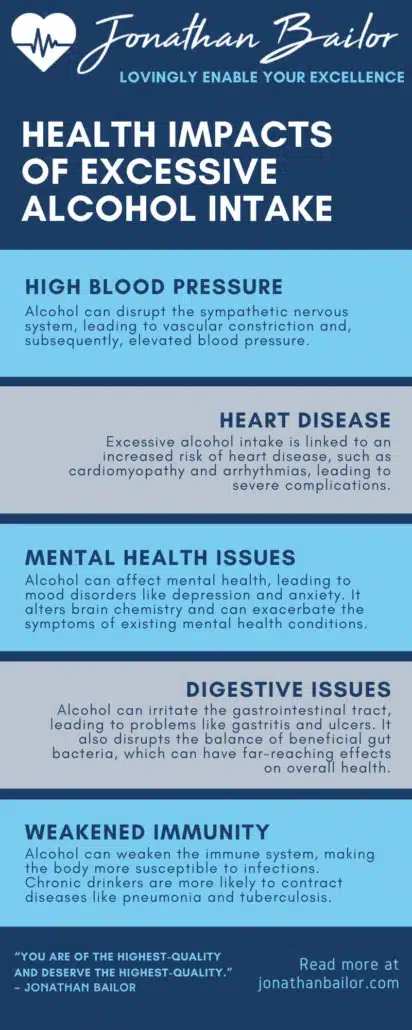
  • High Blood Pressure: Regular alcohol consumption can lead to an increase in blood pressure, a key risk factor for heart disease and stroke. Alcohol can disrupt the sympathetic nervous system, leading to vascular constriction and, subsequently, elevated blood pressure.
  • Liver Disease: Alcohol is a known hepatotoxin, meaning it can damage liver cells. Chronic drinking can lead to conditions like fatty liver, alcoholic hepatitis, fibrosis, and cirrhosis, significantly impairing liver function.
  • Heart Disease or Cardiovascular Disease: Excessive alcohol intake is linked to an increased risk of heart disease. It can cause cardiomyopathy, a condition where the heart muscle weakens, and arrhythmias, which are irregular heartbeats, both of which can lead to severe complications.
  • Metabolic Syndrome: Alcohol can contribute to the development of metabolic syndrome, a cluster of conditions including high blood sugar, increased abdominal fat, and abnormal cholesterol levels, which elevate the risk of heart disease, stroke, and diabetes.
  • Mental Health Issues: Alcohol can affect mental health, leading to mood disorders like depression and anxiety. It alters brain chemistry and can exacerbate the symptoms of existing mental health conditions.
  • Increased Cancer Risk: Chronic alcohol consumption has been linked to an increased risk of several types of cancer, including liver, breast, esophagus, and colorectal cancer. Studies have found that it can significantly increase breast cancer risk in women. Alcohol acts as a carcinogen and can also enhance the carcinogenic effects of other substances.
  • Weakened Immune System: Alcohol can weaken the immune system, making the body more susceptible to infections. Chronic drinkers are more likely to contract diseases like pneumonia and tuberculosis.
  • Digestive Issues: Alcohol can irritate the gastrointestinal tract, leading to problems like gastritis and ulcers. It also disrupts the balance of beneficial gut bacteria, which can have far-reaching effects on overall health.
  • Pancreatitis: Heavy alcohol use is a primary cause of both acute and chronic pancreatitis, a painful condition that occurs when the pancreas becomes inflamed.

Understanding these varied health impacts of alcohol consumption underscores the importance of thoughtful drinking habits or choosing to abstain for overall health and well-being.

Health Impacts of Excessive Alcohol Intake - Jonathan Bailor

Hormonal Harmony: Positive Effects of a Month Without Alcohol on Weight and Health

Embracing a month without alcohol can be a significant experience for your body, especially concerning hormonal balance and its cascading effects on weight and overall health. Alcohol’s intricate impact on hormonal systems often goes unnoticed, yet it plays a significant role in our body’s weight management and metabolic processes.

In this exploration, we’ll uncover how abstaining from alcohol for a month can realign these hormonal pathways, leading to a healthy body weight, reduced body fat, and enhanced overall well-being. The journey of understanding these changes highlights the power of our lifestyle choices on our body’s intricate systems.

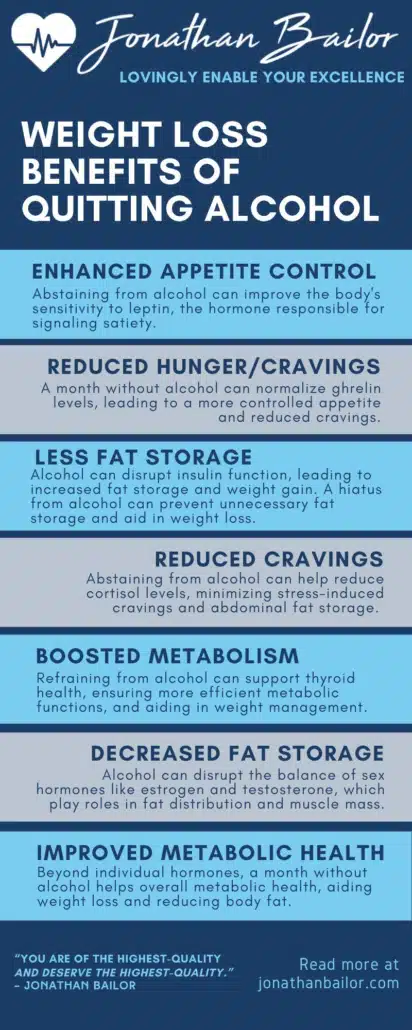
1. Enhanced Appetite Control

Abstaining from alcohol can improve the body’s sensitivity to leptin, the hormone responsible for signaling satiety. Alcohol can interfere with the brain’s ability to receive and process leptin signals, leading to overeating. A break from alcohol helps to reset this pathway, potentially reducing appetite and aiding in better control over food intake, contributing to weight loss and a reduction in body fat.

2. Reduced Hunger and Food Cravings

Ghrelin, known as the hunger hormone, can be elevated by alcohol consumption, increasing the sensation of hunger and the likelihood of overeating. A month without alcohol can normalize ghrelin levels, leading to a more controlled appetite and reduced cravings. This change can significantly contribute to weight management and prevent overconsumption of calories.

3. Less Fat Storage

Alcohol can disrupt insulin function, leading to increased fat storage and weight gain. A hiatus from alcohol aids in stabilizing insulin levels and enhances its efficiency in glucose metabolism. This improved regulation can prevent unnecessary fat storage and aid in weight loss, especially by reducing visceral fat.

4. Reduced Cravings and Belly Fat Storage

Chronic alcohol consumption can elevate cortisol levels, promoting fat accumulation, particularly in the abdominal area. Abstaining from alcohol can help reduce cortisol levels, minimizing stress-induced cravings and the propensity for abdominal fat storage. This hormonal adjustment can be critical in achieving a healthier body composition.

5. Boosted Metabolism

Thyroid hormones are crucial for metabolic processes. Alcohol can impair thyroid hormone production, slowing metabolism and contributing to weight gain. Refraining from alcohol can support thyroid health.

6. Decreased Fat Storage

Alcohol can disrupt the balance of sex hormones like estrogen and testosterone, which play roles in fat distribution and muscle mass. A break from alcohol helps in rebalancing these hormones, which can decrease fat storage and increase lean muscle mass, contributing to a healthier body composition and weight.

7. Enhanced Overall Metabolic Health

Beyond individual hormones, a month without alcohol contributes to overall metabolic health. Improved liver function, better sleep patterns, and enhanced nutrient absorption all play a role in hormonal balance, contributing to weight loss and reduced body fat. This holistic improvement sets the stage for long-term health benefits.

While lifestyle changes like quitting alcohol can significantly impact weight management, certain individuals may also benefit from weight loss drugs under medical supervision. These drugs are not suitable for everyone but may complement hormonal improvements for some.

In summary, a month off from alcohol is not just a brief hiatus but a catalyst for profound hormonal and metabolic changes. These changes can lead to significant improvements in weight management and overall health.

Weight Loss Benefits of Quitting Alcohol - Jonathan Bailor

Recognizing the Signs: When to Seek Medical Help for Alcohol Dependence

Identifying and acknowledging alcohol dependence is a crucial step toward recovery. If alcohol consumption is impacting daily life, relationships, or work, it’s time to consult a doctor. Warning signs include inability to limit drinking, intense cravings for alcohol, severe withdrawal symptoms like shaking or nausea when not drinking, and a growing tolerance to alcohol’s effects. Seeking medical assistance is vital if drinking causes anxiety or depression or if there’s a history of alcohol-related health issues. A healthcare professional can provide guidance, support, and addiction treatment options, paving the way for a healthier, alcohol-independent life. Remember, reaching out for help is a sign of strength, not weakness.

Hormone Health: Addressing Your Frequently Asked Questions

Hormonal health is a topic of growing interest and importance, particularly as we seek to understand the profound impact hormones have on our overall well-being. The following are some frequently asked questions about hormone health, providing insights and clarity on this essential subject.

1. What role do hormones play in weight management?

Hormones are crucial regulators in weight management, acting as messengers that influence appetite, metabolism, and fat storage. Hormones like leptin and ghrelin control hunger and fullness cues, while insulin manages blood sugar levels and fat storage.

Disruptions in these hormonal signals can lead to weight gain or difficulty losing weight. Balancing these hormones through a healthy lifestyle is key to effective weight management.

In some cases, weight loss drugs may be recommended for compatible individuals who face challenges in achieving balance through lifestyle changes alone. These medications work alongside hormonal processes but require medical guidance for safe use.

2. How does sleep affect hormonal balance?

Quality sleep is vital for hormonal balance. Lack of sleep can disrupt the production of critical hormones, including growth hormone, cortisol, leptin, and ghrelin. Poor sleep can lead to elevated cortisol levels (stress hormone), increased appetite, reduced satiety, and even insulin resistance.

Ensuring adequate and restful sleep is an essential step in maintaining hormonal health.

3. Can diet influence hormonal health?

Yes, diet plays a significant role in hormonal health. Foods high in refined sugars and unhealthy fats can disrupt hormonal balance, leading to issues like insulin resistance and inflammation. A diet rich in whole foods, fibers, healthy fats, and proteins can support hormonal balance.

Foods like leafy greens, nuts, seeds, and lean proteins are particularly beneficial for maintaining hormonal equilibrium.

4. Are there specific lifestyle changes that can improve hormonal health?

Several lifestyle changes can positively impact hormonal health. Regular physical activity can enhance insulin sensitivity and balance stress hormones. Managing stress through practices like mindfulness, yoga, or meditation can lower cortisol levels. Avoiding excessive alcohol and staying hydrated is also essential for maintaining hormonal balance.

Adopting these lifestyle habits can lead to significant improvements in hormonal health.

5. How does menopause affect hormonal health?

Menopause marks a significant change in a woman’s hormonal landscape, primarily characterized by a decrease in estrogen and progesterone production. This shift can lead to various symptoms, like hot flashes, mood swings, and weight gain, particularly around the abdomen.

Adopting a healthy lifestyle with a balanced diet, regular exercise, and stress management can help mitigate these effects and maintain hormonal health during menopause.

Understanding hormone health is a journey into the intricate workings of our body. By addressing these common inquiries, we can take proactive steps toward maintaining a harmonious hormonal balance, paving the way for improved health and well-being.

Embracing Hormonal Health: A Journey to Share

Our exploration into the world of hormonal health reveals the profound impact that lifestyle choices, such as abstaining from alcohol, have on our well-being. This journey highlights the intricate relationship between hormones, weight management, and overall health.

However, eating a healthy diet, practicing healthy eating habits, getting enough sleep, managing stress levels, cutting back on processed foods, and getting regular exercise are still important and can enhance the weight-loss effects of quitting alcohol.

As we close this chapter, let’s not keep these insights to ourselves. Share this treasure trove of knowledge with friends and family across all social media platforms and via email. Spark conversations, ignite a collective journey towards better health and watch these ripples of change transform lives. Together, let’s embrace and share the path to hormonal harmony.

Feeling Better Is Priceless, That's Why We Don't Put A Price On It!

“It’s Like A Free and Medically Valid Version of Noom and Weight Watchers Online”

~ Dr. Doctor Matthew Oleshiak, MD

Click the 'LEARN MORE' button below for free lifetime access to the fast fix program developed by Jonathan and top Ivy League Medical Doctors

LEARN MORE

P.S. It's not a free trial. It's not part of the program for free. The entire program is free, forever, for real! No credit card needed.
8 Signs of Slow Metabolism and How to Speed it Up

Are you ready to take charge of your body’s internal engine? In this hormone health guide, Jonathan Bailor explores the vital aspects of the metabolism with expert tips on how to speed it up. If you like this article then make sure to check out our Ozempic guide (you don’t want to miss it!).

Have you ever felt that your body’s ‘engine’ isn’t revving as high as it used to? That’s your body’s metabolism talking, and sometimes it whispers a little softer as the years pass. Understanding this subtle language is key to nurturing your well-being, especially as we step into the wiser phases of our lives.

Metabolism, the unsung hero of our body’s daily functions, is often shrouded in mystery. It’s like a silent partner, working diligently behind the scenes, influencing everything from energy levels to how comfortably your favorite clothes fit. But what happens when this silent partner starts slowing down? Contrary to popular belief, a shifting metabolism isn’t an inevitable part of aging that we have to accept. There’s a lot we can do to rekindle its vitality.

In this enlightening exploration, we will uncover the subtle yet significant signs that might indicate your metabolism is taking a leisurely pace. These aren’t just random pointers but are grounded in a deep understanding of our bodies’ functions. They’re the kind of insights that make you pause and think, “That explains a lot!” And the best part? We’re not just identifying the signs but also offering practical, life-enhancing ways to address them.

Imagine having a guide that doesn’t just list symptoms but also lights the path forward with actionable steps. This isn’t about drastic changes or unattainable goals. It’s about simple, sustainable shifts that resonate with your lifestyle and can be integrated seamlessly into your daily routine. This is about empowering you to take control, to listen to your body’s messages, and to respond with care and wisdom.

Sharing this journey can be a beacon of hope and inspiration for your friends and family. Creating positive change in our communities is just as important as personal transformation on an individual level. By sharing this knowledge, you’re not just helping yourself; you’re potentially unlocking a new chapter of vitality for someone else. It’s about passing on a legacy of health, one thoughtful insight at a time.

So, let’s embark on this journey together. It’s time to tune in to your body’s signals and turn the page towards a more vibrant, energetic you. Let’s embrace this chapter of life with knowledge, grace, and a zest for living life to its fullest.

Unraveling the Mysteries: 6 Causes of a Slow Metabolism

Our body’s metabolic rate is like a flowing river, but its pace can vary based on several underlying factors. Understanding these factors is essential in navigating the journey towards maintaining a balanced and efficient metabolism. This exploration into the causes of a slowing metabolism is about peeling back layers to reveal the core influences that can alter our body’s natural rhythm. Each cause acts like a puzzle piece, fitting into the larger picture of our overall metabolic health.

Here are six key factors that can affect metabolism, causing it to slow:

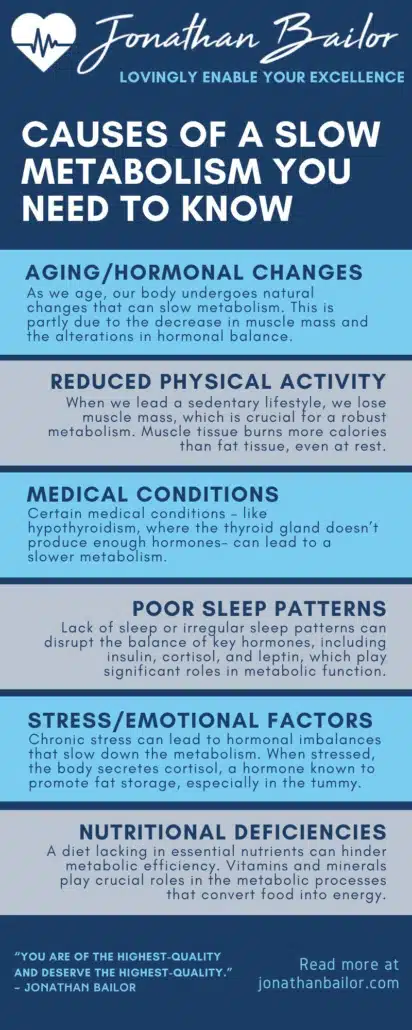
1. Aging and Hormonal Changes

As we age, our body undergoes natural changes that can slow metabolism. This is partly due to the decrease in muscle mass and the alterations in hormonal balance. For instance, levels of hormones like estrogen and testosterone, which play a role in regulating metabolic rate, decline with age. This hormonal shift can lead to a slower metabolism, making it more challenging to maintain the same energy levels and weight as in younger years.

Understanding this natural progression allows us to adapt our lifestyle and dietary habits to support our changing bodies.

2. Reduced Physical Activity

Our bodies are designed to move, and a lack of physical activity can significantly slow down the metabolic rate. When we lead a sedentary lifestyle, we lose muscle mass, which is crucial for a strong metabolism. Muscle tissue burns more calories than fat tissue, even at rest. Therefore, decreased physical activity can lead to a reduced basal metabolic rate, making it easier to gain weight.

Regular exercise, especially strength training, can help maintain muscle mass and keep the metabolism active.

3. Underlying Medical Conditions

Certain medical conditions can directly or indirectly lead to a slower metabolism. Conditions such as hypothyroidism, where the thyroid gland doesn’t produce enough hormones, can significantly reduce metabolic rate. Similarly, conditions like Cushing’s syndrome or polycystic ovary syndrome (PCOS) can also affect the metabolism. For those managing obesity related to conditions like PCOS, healthcare providers may sometimes recommend weight loss medications for compatible individuals, including GLP-1 receptor agonists such as Ozempic, as part of a complete treatment plan.

It’s important to consult healthcare professionals to identify and manage any underlying conditions that might be affecting metabolic health.

4. Poor Sleep Patterns

Quality sleep is crucial for a healthy metabolism. Lack of sleep or irregular sleep patterns can disrupt the balance of key hormones, including insulin, cortisol, and leptin, which play significant roles in metabolic function. Disrupted sleep can lead to increased hunger, cravings for high-calorie foods, and a decrease in energy expenditure.

Ensuring a regular sleep schedule and good sleep hygiene can support a healthy metabolism.

5. Stress and Emotional Factors

Chronic stress can lead to hormonal imbalances that slow down the metabolism. When stressed, the body secretes cortisol, a hormone known to promote fat storage, especially in the abdominal area. Also, stress often leads to emotional eating, further contributing to weight gain and a slower metabolism.

Managing stress through techniques like mindfulness, meditation, and regular physical activity can help mitigate its impact on the metabolism.

6. Nutritional Deficiencies

A diet lacking in essential nutrients can hinder metabolic efficiency. Vitamins and minerals play crucial roles in the metabolic processes that convert food into energy. For example, vitamin D, iron, and magnesium deficiencies can lead to a sluggish metabolism.

A well-rounded diet consisting of whole foods, fruits, vegetables, lean proteins, and healthy fats can provide the necessary nutrients to support a healthy metabolism.

Recognizing these causes offers a roadmap to understanding and managing our metabolic health. It goes beyond about identifying the culprits but about building a lifestyle that harmonizes with our body’s needs, supporting a healthy and active metabolism through every stage of life.

Causes of a Slow Metabolism - Jonathan Bailor

Feeling Better Is Priceless, That's Why We Don't Put A Price On It!

“It’s Like A Free and Medically Valid Version of Noom and Weight Watchers Online”

~ Dr. Doctor Matthew Oleshiak, MD

Click the 'LEARN MORE' button below for free lifetime access to the fast fix program developed by Jonathan and top Ivy League Medical Doctors

LEARN MORE

P.S. It's not a free trial. It's not part of the program for free. The entire program is free, forever, for real! No credit card needed.
Unveiling 8 Signs of a Slowing Metabolism

In the intricate dance of life, our metabolism plays a rhythm that dictates our energy, health, and overall vitality. As time marches on, this rhythm can subtly change, often unnoticed. It’s essential to recognize these changes not as mere footnotes of aging but as signals, inviting us to tune in and adapt.

The following eight signs are like gentle nudges, reminding us to listen to our bodies and respond with care. They’re not just markers; they’re opportunities for transformation and renewal.

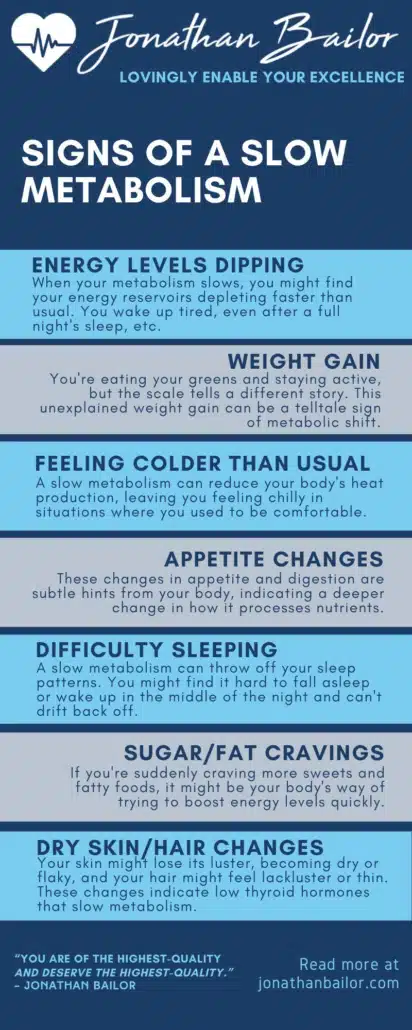
1. Energy Levels Dipping

When your metabolism slows, you might find your energy reservoirs depleting faster than usual. You wake up tired, even after a full night’s sleep, and by the afternoon, you’re reaching for that extra cup of coffee. This isn’t just about feeling sleepy; it’s about deeper fatigue, where even small tasks feel demanding.

2. Weight Gain Despite Healthy Habits

You’re eating your greens and staying active, but the scale tells a different story. This unexplained weight gain, particularly around the waist, can be a telltale sign of a metabolic shift. It goes beyond about calories in and out; it’s about how your body processes what you eat. In some cases, persistent weight gain due to a slowing metabolism might prompt healthcare professionals to explore medical treatments, including weight loss drugs for certain individuals, tailored to the individual’s needs

3. Feeling Colder Than Usual

If you’re constantly reaching for a sweater, even in mild weather, your metabolism might be cooling down. A slow metabolism can reduce your body’s heat production, leaving you feeling chilly in situations where you used to be comfortable.

4. Changes in Appetite and Digestion

Maybe you’re not as hungry as you used to be or feel full quicker. Or perhaps it’s the opposite, and you’re always hungry. Digestive issues like bloating or constipation can also signal a metabolic shift. These changes in appetite and digestion are subtle hints from your body, indicating a deeper change in how it processes nutrients.

5. Difficulty Sleeping or Insomnia

A slow metabolism can throw off your sleep patterns. You might find it hard to fall asleep or wake up in the middle of the night and can’t drift back off. Quality sleep is crucial for metabolic health, so disturbances here can create a cyclical impact.

6. Craving for Sugars and Fats

If you’re suddenly craving more sweets and fatty foods, it might be your body’s way of trying to boost energy levels quickly. This isn’t just about willpower but a metabolic need for quick energy sources.

7. Dry Skin and Hair Changes

Your skin might lose its luster, becoming dry or flaky, and your hair might feel lackluster or thin. These changes in skin and hair health can indicate low thyroid hormones that can slow metabolism, impacting how your body uses nutrients and maintains hydration.

8. Muscle Weakness or Loss

If climbing stairs or carrying groceries feels harder than before, it could be a decline in muscle strength, a common companion of a slowing metabolism. This isn’t just about aging muscles; it’s about changes in how your body maintains and builds muscle tissue.

9. Longer Recovery Time After Exercise

You might notice it takes longer to recover after a workout, with soreness lingering for days. This prolonged recovery period can be a clue that your metabolic rate isn’t what it used to be, affecting how quickly your body repairs and rejuvenates itself.

Recognizing these signs is the first step in a journey toward metabolic rejuvenation and optimal health. It’s about creating harmony between lifestyle choices and the body’s evolving needs. This list is more than just observations; it’s a guide, a path to understanding and responding to the messages our bodies send us as we navigate the ebbs and flows of life.

Signs of a Slow Metabolism - Jonathan Bailor

Igniting Vitality: 7 Effective Strategies to Boost Your Metabolism

The quest to enhance our metabolism is akin to nurturing a garden; it requires patience, care, and the right environment to flourish. Boosting metabolism isn’t about quick fixes but cultivating habits that foster sustained vitality.

The following strategies offer practical, scientifically-backed ways to invigorate your metabolic rate and enjoy sustainable weight loss. These methods aren’t just random tips; they’re thoughtfully crafted to integrate into your lifestyle, supporting a journey toward a more energetic and vibrant self. Each approach is a stepping stone towards harmonizing your body’s natural processes, whether your goal is losing weight or having more energy.

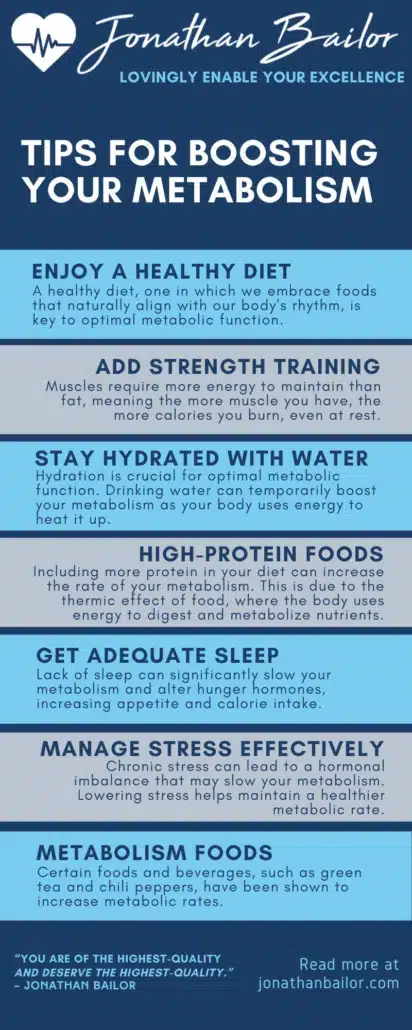
1. Enjoy a Healthy Diet

A healthy diet, one in which we embrace foods that naturally align with our body’s rhythm, is key to optimal metabolic function. This dietary approach emphasizes whole, nutrient-dense foods, a colorful array of nonstarchy vegetables along with low-sugar fruits, healthy whole-food fats found in foods like nuts and seeds, and nutrient-dense proteins. These healthy foods also help regulate blood sugar, making burning fat and losing weight easier.

The key is not just in what we eat but also in how these choices synergize with our body’s inherent processes, supporting a stable, healthy body weight and a vibrant, energetic life. This way of eating is more than a diet; it’s a harmonious lifestyle choice that nurtures our body’s natural balance.

2. Incorporate Strength Training into Your Routine

Muscle mass is a key player in maintaining a healthy metabolism. Strength training, such as lifting weights or bodyweight exercises, helps build muscle mass, which in turn can boost your metabolic rate and help you lose weight. Muscles require more energy to maintain than fat, meaning the more muscle you have, the more calories you burn, even at rest.

This doesn’t mean you need to become a bodybuilder; incorporating strength training exercises two to three times a week can significantly impact your metabolism.

3. Stay Hydrated with Water

Hydration is crucial for optimal metabolic function. Drinking water can temporarily boost your metabolism as your body uses energy to heat it up. Drinking around 17 ounces of water can boost your metabolic rate by as much as 30% for around an hour. Keeping hydrated also supports overall health and can help you feel full, potentially aiding in weight management.

4. Prioritize High-Protein Foods

Including more protein in your diet can increase the rate of your metabolism. This is due to the thermic effect of food, where the body uses energy to digest and metabolize nutrients. Protein causes the largest rise in the thermic effect, increasing your metabolic rate by about 15-30%. Besides, protein consumption can also lead to a feeling of fullness, reducing overall calorie intake.

5. Get Adequate Sleep

Lack of sleep can significantly slow your metabolism and alter hunger hormones, increasing appetite and calorie intake. Ensuring you get sufficient, high-quality sleep each night is essential for maintaining a healthy metabolic rate.

Try to get 7-9 hours of uninterrupted sleep and practice good sleep hygiene, like reducing screen time before bed and maintaining a regular sleep schedule.

6. Manage Stress Effectively

Chronic stress can lead to a hormonal imbalance that may slow your metabolism. Stress management techniques like yoga, meditation, and deep breathing exercises can help regulate the stress hormone cortisol.

By managing stress, you can maintain a healthier metabolic rate and improve your overall well-being.

7. Consume Metabolism-Boosting Foods and Beverages

Certain foods and beverages have been shown to increase metabolic rates. These include green tea, which contains catechins that can boost metabolism, and chili peppers, which contain capsaicin that can increase the number of calories you burn. Incorporating these into your diet in moderation can provide a natural boost to your metabolism.

Embracing these strategies is about creating a synergy between your body’s needs and your daily habits. Each method is a tool to elevate your metabolic rate, leading to a more energized and rejuvenated self. Remember, boosting your metabolism is a journey of small, consistent steps that lead to significant, lasting impacts.

For those who struggle to achieve metabolic improvements through lifestyle changes alone, weight loss drugs like Ozempic might be an option for certain individuals, as recommended by a healthcare provider to complement existing efforts.

Tips for Boosting Your Metabolism - Jonathan Bailor

Harmonizing with Hormones: Your Questions Answered

In the complex web of bodily functions, hormones act as conductors of a symphony. They orchestrate a multitude of biological processes, from growth and metabolism to mood regulation. Understanding hormones is key to achieving a harmonious balance within our bodies.

Here are some frequently asked questions about hormone health, offering insights to help you navigate this complex yet fascinating aspect of your well-being.

Q1: What are the most common signs of a hormonal imbalance?

A1: Signs of hormonal imbalance can manifest in various ways, depending on which hormones are affected. Common symptoms include unexplained weight gain or weight loss, inability to lose weight, persistent fatigue, sleep disturbances, mood swings, and changes in appetite. Women may experience irregular menstrual cycles, while men might notice decreased libido or erectile dysfunction.

other health issues can also cause these symptoms, so consulting a healthcare professional for an accurate diagnosis is essential.

Q2: How can diet affect hormone health?

A2: Diet matters in maintaining hormonal balance. A balanced diet rich in whole foods, fruits, vegetables, lean proteins, and healthy fats provides the necessary nutrients for hormone production and regulation. Avoiding excessive sugar and processed foods is also essential, as they can disrupt insulin levels and lead to hormonal imbalances. Including foods rich in omega-3 fatty acids, like fish and flaxseeds, can also support hormone health.

Q3: Can stress impact hormone levels?

A3: Yes, chronic stress can significantly impact hormone levels. Stress triggers the release of cortisol, the body’s primary stress hormone. Prolonged high levels of cortisol can disrupt the balance of other hormones, such as insulin, estrogen, and testosterone, leading to various health issues.

Managing stress through relaxation techniques, adequate sleep, and physical activity can help maintain hormonal balance.

Q4: Are there natural ways to boost hormone health?

A4: Natural ways to support hormone health include maintaining a healthy weight, engaging in regular physical activity, and getting enough sleep. Certain herbs and supplements, like ashwagandha and vitamin D, may also support hormone health, but it’s essential to consult a healthcare professional before starting any new supplement. Reducing exposure to endocrine disruptors, chemicals that can interfere with hormone functions, is also beneficial.

Q5: How does aging affect hormone levels?

A5: Hormone levels naturally change as we age. For women, menopause brings a significant decrease in estrogen and progesterone levels, while men experience a gradual decline in testosterone levels, known as andropause. These changes can lead to symptoms like hot flashes, decreased bone density, and changes in mood and energy levels. Adopting a healthy lifestyle can help mitigate some of these age-related hormonal changes.

Navigating the world of hormone health is a journey of understanding and adapting to your body’s needs. Each question and answer sheds light on the crucial role hormones play in our overall health and well-being.

Remember, achieving hormonal balance is key to a more vibrant and energetic life.

Embracing Metabolic Harmony: A Journey to Share

In our journey through the nuances of metabolism, we’ve uncovered insights that transcend mere knowledge, weaving into the fabric of our daily lives. This exploration is more than individual enlightenment; it’s a beacon to guide others.

Share these revelations with friends and family via social media platforms and email. Let this knowledge ripple out, touching lives, sparking conversations, and kindling a collective quest for health and vitality. Let’s embark on a path of metabolic harmony, embracing a future of energy, balance, and well-being. Your sharing can light the way for many, igniting a community-wide transformation.

Feeling Better Is Priceless, That's Why We Don't Put A Price On It!

“It’s Like A Free and Medically Valid Version of Noom and Weight Watchers Online”

~ Dr. Doctor Matthew Oleshiak, MD

Click the 'LEARN MORE' button below for free lifetime access to the fast fix program developed by Jonathan and top Ivy League Medical Doctors

LEARN MORE

P.S. It's not a free trial. It's not part of the program for free. The entire program is free, forever, for real! No credit card needed.
13 Best Protein Sources for Vegans to Optimize Satiety Hormones

Embarking on a vegan lifestyle brings about exciting challenges and opportunities, especially nutrition. One crucial aspect often spotlighted is protein intake. Protein is not only vital for muscle repair and growth but also matters in managing our satiety hormones, which help us feel full and satisfied after meals. In the Hormone Health Guide, Jonathan Bailor explores 13 of the best vegan protein sources.

For vegans, sourcing adequate protein requires careful planning. While animal products are renowned for their high protein content, several plant-based alternatives offer impressive amounts as well, along with other health benefits. These proteins help regulate hunger hormones like ghrelin and boost peptide YY (PYY), a hormone that helps keep you feeling full. This is essential not just for overall health but also for managing weight and metabolic processes.

However, the magic of these protein sources isn’t just in their ability to satiate. Many plant proteins come packed with fiber, antioxidants, and other vital nutrients that contribute to a holistic approach to health, aligning with a well-rounded vegan diet. They support a balanced gut microbiome and enhance the body’s ability to manage blood sugar levels, which is crucial in the long-term prevention of metabolic diseases.

As you explore the various plant-based proteins that effectively manage satiety, you’ll discover that these foods are not just about meeting dietary needs but about enriching a lifestyle. Embracing these protein sources can transform how you approach a vegan diet, turning each meal into an opportunity for both nourishment and enjoyment.

This exploration into vegan proteins is about more than nutrition; it’s about adopting a lifestyle that fosters health, awareness, and sustainability. As you venture further into understanding how these proteins influence feelings of fullness, you’ll uncover the synergistic benefits of a diet that’s in harmony with the body and the planet.

Remember, adopting a new dietary habit is an exciting journey of discovery. Whether for health, ethical, or environmental reasons, the shift to incorporating these potent plant-based proteins can significantly impact well-being and satiety, all while supporting a sustainable world.

Feel free to share this journey with others who might be curious about veganism or looking to understand how their food choices can impact their health and the environment. Let’s spread the word and encourage a movement towards mindful eating and wellness.

Top Vegan Protein Sources to Enhance Satiety and Health

Transitioning to a vegan diet can open a panorama of nutritional avenues to explore, especially protein sources. Proteins are fundamental not only for muscle health but also for triggering satiety hormones like ghrelin and peptide YY, which help keep hunger at bay. A well-planned vegan diet can meet all protein needs while also providing diverse and abundant nutrients.

Below is a detailed guide to 13 excellent vegan protein sources that are not only effective in managing satiety but also aligned with a health-conscious lifestyle:

1. Lentils

Lentils are a protein powerhouse, providing about 18 grams of this macronutrient per cooked cup. They are a fantastic base for a variety of dishes, ranging from hearty soups to refreshing salads. Beyond protein, lentils are rich in dietary fiber, which aids in digestion and prolongs the feeling of fullness.

Lentils also contain significant amounts of iron, potassium, and folate, which support overall health and energy levels. They are also known to stabilize blood sugar levels, which helps manage appetite and can prevent spikes and crashes that lead to snacking and overeating.

2. Chickpeas

Chickpeas, or garbanzo beans, offer around 15 grams of protein per cooked cup. They are incredibly versatile – you can enjoy them in salads, soups, or as a crunchy, roasted snack. Chickpeas are also the main ingredient in hummus, pairing perfectly with raw vegetables for a satisfying snack that fills you up without feeling heavy.

Rich in fiber and essential nutrients like manganese and folate, chickpeas support muscle health and energy production, making them an integral part of any vegan diet focused on sustained satiety and vitality.

3. Black Beans

Black beans are a great source of plant-based protein, providing about 15 grams per cooked cup, and they are also packed with fiber, which aids in prolonged satiety. They blend seamlessly into a variety of dishes, from Mexican cuisine to veggie burgers.

Rich in antioxidants, black beans help combat inflammation and oxidative stress, contributing to overall wellness. Their complex carbohydrates provide steady energy, which helps manage hunger levels throughout the day.

4. Tempeh

Tempeh is a fermented soy product that offers about 20 grams of protein per serving. The fermentation process not only enhances its nutty flavor but also increases digestibility and the availability of its nutrients. Tempeh is a source of probiotics, which are beneficial for gut health by aiding in digestion and the absorption of nutrients.

Its texture makes it an excellent meat substitute in stir-fries, sandwiches, and salads. Regular consumption of tempeh can help manage appetite by stabilizing blood sugar levels and increasing feelings of fullness.

5. Hemp Seeds

Hemp seeds provide about 10 grams of protein per three tablespoons, along with a healthy dose of omega-3 fatty acids, which are crucial for brain health. They have a mild, nutty flavor and can be sprinkled on salads, blended into smoothies, or mixed into oatmeal.

Hemp seeds are a complete protein, containing all nine essential amino acids that the body cannot produce on its own. Their high fiber content not only promotes satiety but also aids in digestive health.

6. Almonds

Almonds are a snacking favorite, offering around 6 grams of protein per ounce along with a satisfying crunch. They are also a great source of vitamin E, magnesium, and healthy monounsaturated fats, which contribute to heart health and overall vitality.

Eating almonds can help control blood sugar levels and reduce hunger, making them an excellent snack for weight management and metabolic health.

7. Tofu

Tofu, made from soy milk, is a staple protein source in many vegan diets, offering about 10 grams of protein per half-cup serving. Its mild flavor and versatile texture make it ideal for absorbing flavors in a variety of dishes, from smoothies to stir-fries.

Tofu is also a good source of calcium and iron, which are essential for bone health and energy levels. Regular consumption can help maintain satiety, thanks to its protein and fat content, aiding in weight management and metabolic health.

8. Spirulina

Spirulina, a type of blue-green algae, packs about 8 grams of protein per two tablespoons. It’s also rich in antioxidants and B vitamins, enhancing energy and overall health. Spirulina can be added to smoothies or sprinkled on salads for a nutritional boost.

Its high protein and nutrient density make it a superfood, especially valuable in a vegan diet for maintaining energy levels and reducing hunger.

9. Peas

Green peas are often overlooked as a protein source but contain about 9 grams of protein per cooked cup. They are also high in fiber, vitamins A, C, and K, and phosphorus, which supports bone health.

Peas can be enjoyed as a side dish or pureed into soups and sauces, adding a sweet, rich flavor. Their fiber content helps maintain a feeling of fullness, aiding in appetite control and weight management.

10. Vegan Cheese

If you’re looking for dairy-free cheese, we’ve got you covered. Vegan cheese, particularly those made from nuts like cashews or almonds, contains protein but should be consumed in moderation due to its processed nature. You can also find dairy-free cheese made with coconut milk. The protein content of vegan cheeses varies depending on the type. Still, it generally offers a decent amount along with the creamy texture and savory flavor that many desire in non-dairy-based cheese.

There are many vegan cheese brands and different vegan cheese options, like vegan cream cheese, vegan feta, mozzarella cheese, pepper jack cheese, and shredded cheese. Apple cider vinegar is often used to make vegan cheeses, which gives them their tangy flavor.

while vegan cheese can complement a meal by adding flavor and satiety, due to processing, it often lacks the full nutritional profile of its nut-based ingredients. Therefore, it should be considered a treat rather than a primary protein source.

11. Cashews

Cashews are a delightful addition to the vegan protein list, providing about 5 grams of protein per ounce along with a creamy texture and a rich, buttery flavor. Beyond their protein content, cashews are a good source of magnesium, which is crucial for energy production and bone health. They are also rich in iron and zinc, essential nutrients that can sometimes be harder to obtain in a vegan diet.

Cashews can be enjoyed raw or roasted, added to stir-fries, or blended into sauces and creams for a dairy-free alternative. When soaked and blended, they are particularly popular in vegan recipes because they mimic the creaminess and texture of dairy products.

Cashews also contain beneficial monounsaturated fats, which can help improve heart health and reduce hunger by promoting satiety.

12. Chia Seeds

Chia seeds contain about 5 grams of protein per ounce, along with omega-3 fatty acids, fiber, and calcium. They absorb water and expand in the stomach, increasing fullness and slowing the absorption of food, which helps manage hunger and satiety.

Chia seeds can be added to smoothies, yogurts, and puddings or used as an egg substitute in vegan baking.

Each vegan protein source offers unique nutritional benefits and contributes to a feeling of fullness, which can help manage appetite and support a healthy, balanced diet.

Integrating a variety of these foods into daily meals can ensure adequate protein intake and promote overall health and well-being in a vegan lifestyle.

13. Nutritional Yeast

Nutritional yeast is a stellar addition to the vegan protein repertoire, offering approximately 8 grams of protein per two tablespoons. This deactivated yeast is not only rich in protein but also includes a spectrum of B vitamins, including vitamin B12, which is often challenging to obtain from a plant-based diet alone. Its nutty cheese flavor makes it a popular cheese substitute in vegan cooking, enhancing dishes with its rich taste without the need for dairy.

Nutritional yeast can be sprinkled over popcorn, stirred into soups, or blended into sauces to enrich flavor while boosting nutritional value. It’s also a complete protein, providing all nine essential amino acids that the body cannot synthesize on its own. This makes it an excellent choice for maintaining muscle health and aiding recovery after workouts.

In addition to its protein and vitamin content, nutritional yeast is a source of trace minerals such as zinc and selenium, further supporting immune function and overall well-being. Its high fiber content promotes digestive health and helps maintain prolonged satiety, aiding in weight management. Nutritional yeast is not only a flavorful addition to meals but also a powerhouse of nutrition that supports a healthy, balanced vegan diet.

7 Best Protein Sources for Vegans - Jonathan Bailor

Feeling Better Is Priceless, That's Why We Don't Put A Price On It!

“It’s Like A Free and Medically Valid Version of Noom and Weight Watchers Online”

~ Dr. Doctor Matthew Oleshiak, MD

Click the 'LEARN MORE' button below for free lifetime access to the fast fix program developed by Jonathan and top Ivy League Medical Doctors

LEARN MORE

P.S. It's not a free trial. It's not part of the program for free. The entire program is free, forever, for real! No credit card needed.

Other Vegan Food Options

Beyond vegan protein sources, you can find recipes online for other gluten-free vegan foods or at your local grocery store, including:

  • Tortilla chips
  • Vegan lasagna
  • Vegan pizza
  • Vegan grilled cheese
  • Vegan mayonnaise

FAQ on Hormone Health: Understanding the Basics

Hormones are important in maintaining our body’s internal balance and overall health. They act as messengers, influencing how our organs and cells function. Understanding hormone health is crucial not just for those experiencing symptoms of imbalance but for anyone interested in maintaining optimal well-being.

Here, we explore some frequently asked questions about hormone health to provide clarity and guide those seeking to enhance their hormonal equilibrium.

1. What are the signs of a hormonal imbalance?

The signs of hormonal imbalance can vary widely depending on which hormones are affected. Common symptoms include persistent fatigue, unexplained weight gain or loss, irregular menstrual cycles, mood swings, insomnia, and changes in appetite. Skin conditions such as acne and eczema can also indicate hormonal issues.

If you experience any of these symptoms consistently, it might be wise to consult a healthcare professional who can offer guidance based on specific symptoms and personal health history.

2. Can diet affect hormone health?

Yes, diet plays a significant role in regulating hormone levels. A balanced diet rich in fruits, vegetables, lean proteins, and healthy fats can help maintain stable hormone levels. Foods like fatty fish, avocados, and nuts are particularly beneficial for their anti-inflammatory properties and healthy fats, essential for hormone production.

Conversely, excessive sugar consumption and refined carbohydrates can disrupt insulin levels and lead to hormonal imbalances, including those affecting the reproductive and adrenal glands.

3. What lifestyle changes can help manage hormone health?

Beyond diet, other lifestyle factors significantly impact hormone health. Regular physical activity can help balance hormones by reducing insulin levels and increasing muscle mass, which in turn helps manage blood sugar levels more effectively. Adequate sleep is also crucial; lack of sleep can disrupt cortisol, insulin, and other hormone productions.

Managing stress through mindfulness, yoga, or meditation can help maintain balanced cortisol levels, thereby supporting overall hormonal health.

4. Are there natural supplements that support hormone health?

Several natural supplements are noted for their potential to support hormone health, although they should be used under the guidance of a healthcare provider. For example, adaptogenic herbs like ashwagandha and rhodiola can help modulate cortisol levels, making them beneficial for stress management.

Supplements like magnesium and vitamin B complex are essential for various hormonal functions, including those that regulate mood and energy levels. Omega-3 supplements can also support hormone health by reducing inflammation and supporting cellular health.

5. How does menopause affect hormone health?

Menopause is a significant hormonal transition for women, typically marked by the end of menstrual cycles and a decline in estrogen and progesterone production. This shift can lead to various symptoms, such as hot flashes, night sweats, mood changes, and sleep disturbances. While these changes are natural, managing lifestyle factors such as diet, exercise, and stress can mitigate some of the discomforts associated with menopause.

Also, discussing hormone replacement therapy or other treatments with a healthcare provider can be beneficial.

Understanding hormone health involves recognizing the body’s signals and knowing when to seek professional advice. By maintaining a healthy lifestyle and staying informed, individuals can effectively support their hormonal balance and contribute to their long-term well-being.

Explore and Share: The Power of Vegan Protein

We’ve explored a variety of vegan protein sources that enrich your diet and support your health by enhancing satiety. Each option offers unique benefits and fits seamlessly into diverse meals. Integrating these proteins can transform your dietary habits, whether you’re fully vegan or simply curious about plant-based eating.

If you found this guide helpful, consider sharing it with friends and family on social media or via email. Spread the word and inspire others to explore the nourishing and satisfying possibilities of vegan proteins!

Feeling Better Is Priceless, That's Why We Don't Put A Price On It!

“It’s Like A Free and Medically Valid Version of Noom and Weight Watchers Online”

~ Dr. Doctor Matthew Oleshiak, MD

Click the 'LEARN MORE' button below for free lifetime access to the fast fix program developed by Jonathan and top Ivy League Medical Doctors

LEARN MORE

P.S. It's not a free trial. It's not part of the program for free. The entire program is free, forever, for real! No credit card needed.
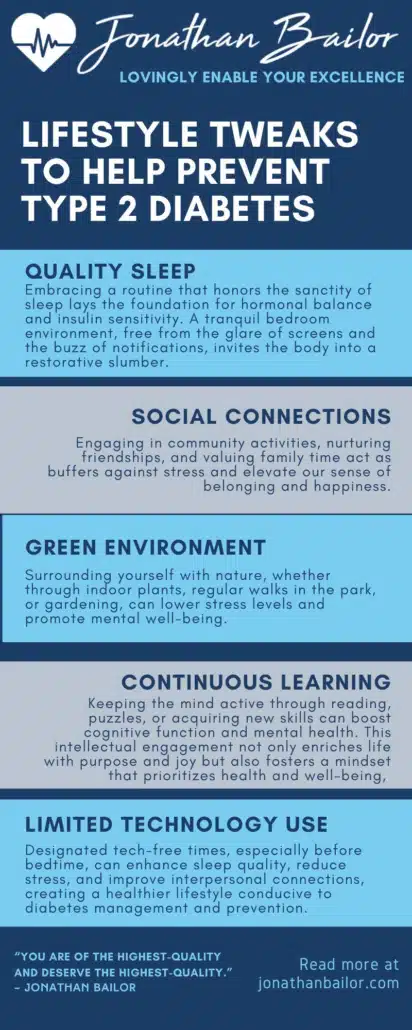
18 Easy Natural Strategies to Help Prevent or Manage Type 2 Diabetes


In this Hormone Health Guide with Jonathan Bailor, we explore effective strategies for addressing the complexities of Type 2 Diabetes. Whether in prevention or management, the emphasis is on integrating natural, sustainable approaches into daily life. It’s about making small, impactful changes that yield significant health benefits over time. Managing or preventing Type 2 Diabetes requires a holistic approach that considers various aspects of well-being rather than relying on a singular solution.

Imagine transforming everyday routines into powerful tools against Type 2 Diabetes. From the foods chosen at the grocery store to how stress is managed after a long day, each decision matters in influencing blood sugar levels and overall well-being. It’s about crafting a lifestyle where healthy choices become second nature, fostering a sense of empowerment and control over your health.

This introductory guide is a call to action to explore these significant strategies. By exploring deeper into the forthcoming sections, you will discover the ease with which these natural methods can be adopted. The goal is not to overhaul life overnight but to introduce gradual changes that collectively forge a path toward optimal health and vitality.

Embrace this journey with an open mind and a willing spirit, and witness the unfolding of a healthier, more vibrant life. The full exploration awaits, ready to equip you with the knowledge and tools necessary to handle Type 2 Diabetes with confidence and grace. Share this journey on how to avoid a diabetes diagnosis, spread the word, and let’s embark on a path to wellness together.

Unveiling Pathways to Wellness: Beyond Diet and Exercise

Embarking on a journey to manage or prevent Type 2 Diabetes transcends the realms of diet and physical activity alone. It invites an exploration into the broader spectrum of lifestyle choices that significantly impact health. The essence of this exploration is to illuminate paths less traveled but equally critical in weaving the mix of well-being.

Here, we venture into five lifestyle adjustments that, while often overlooked, serve as vital components in nurturing a life of vitality and balance, steering clear from the shadows of Type 2 Diabetes.

1. Prioritize Quality Sleep

Embracing a routine that honors the sanctity of sleep lays the foundation for hormonal balance and insulin sensitivity. A tranquil bedroom environment, free from the glare of screens and the buzz of notifications, invites the body into a restorative slumber.

Regular sleep schedules not only rejuvenate the mind but also fortify the body’s defenses against health adversities, creating a sanctuary of wellness.

2. Foster Social Connections

The strength of our social ties profoundly influences our health trajectory. Engaging in community activities, nurturing friendships, and valuing family time act as buffers against stress and elevate our sense of belonging and happiness.

This social fabric enriches our lives, indirectly fortifying our resilience against chronic conditions.

3. Cultivate a Green Environment

Surrounding yourself with nature, whether through indoor plants, regular walks in the park, or gardening, can lower stress levels and promote mental well-being.

This connection to the earth’s rhythms also encourages mindfulness and a slower pace of life, creating a serene backdrop against which the body thrives.

4. Embrace Continuous Learning

Keeping the mind active through reading, puzzles, or acquiring new skills can boost cognitive function and mental health. This intellectual engagement not only enriches life with purpose and joy but also fosters a mindset that prioritizes health and well-being, making it easier to maintain a balanced lifestyle.

5. Moderate Technology Use

In a world where digital devices are an integral part of daily life, it is important to set boundaries around their use to benefit physical and mental health. Designated tech-free times, especially before bedtime, can enhance sleep quality, reduce stress, and improve interpersonal connections, creating a healthier lifestyle conducive to diabetes management and prevention.

In weaving these threads into the fabric of daily life, a picture emerges not just of disease prevention but of holistic well-being. These lifestyle changes, though simple, pave the way for a life where managing or preventing Type 2 Diabetes becomes a natural byproduct of living fully and mindfully. Let’s embark on this journey together, embracing these pillars of health with open arms.

Lifestyle Tweaks to Help Prevent Type 2 Diabetes - Jonathan Bailor

Feeling Better Is Priceless, That's Why We Don't Put A Price On It!

“It’s Like A Free and Medically Valid Version of Noom and Weight Watchers Online”

~ Dr. Doctor Matthew Oleshiak, MD

Click the 'LEARN MORE' button below for free lifetime access to the fast fix program developed by Jonathan and top Ivy League Medical Doctors

LEARN MORE

P.S. It's not a free trial. It's not part of the program for free. The entire program is free, forever, for real! No credit card needed.

Nourishing Foundations: Dietary Shifts for Diabetes Management

In the intricate dance of managing or preventing Type 2 Diabetes, the foods we choose to consume play a important role. It’s not merely about restriction but about embracing healthy eating with a diverse palette of nutrients that work in harmony to support our body’s equilibrium. This journey into dietary transformation is an invitation to discover the profound impact of mindful eating on our well-being.

The following dietary changes, centered on nourishment and balance, offer a blueprint for those seeking to gently guide their health toward a state of renewal and vitality.

1. Embrace Healthy Fats

Incorporating a variety of healthy fats, such as those found in avocados, nuts, seeds, and olive oil, can significantly enhance insulin sensitivity and provide a stable energy source.

These nourishing lipids support cellular health and satiety, gently guiding the body toward a harmonious state where managing blood sugar becomes more intuitive.

2. Choose Low-Glycemic Index Foods

Foods with a low glycemic index release glucose slowly and steadily, helping to maintain stable blood sugar levels. Opting for legumes, leafy greens, and most low-sugar fruits can transform meals into a cascade of sustained energy without the abrupt peaks and troughs that challenge glucose control.

3. Increase Fiber Intake

Fiber acts as a bulwark in the digestive system, slowing the absorption of sugar and improving blood sugar levels. Integrating a rich mix of vegetables, legumes, and seeds into daily meals can enhance digestive well-being while subtly curbing the appetite, fostering a gentle path toward weight management.

The American Diabetes Association recommends a healthy diet that includes plenty of nonstarchy vegetables for diabetes prevention and diabetes care, as they help regulate blood glucose levels. The Centers for Disease Control (CDC) also recommends dietary fiber to help you manage or prevent type 2 diabetes.

4. Stay Hydrated with Healthy Beverages

Replacing sugary drinks with water, herbal teas, or infused water not only aids in maintaining optimal hydration but also reduces the intake of empty calories. This simple swap can profoundly affect blood sugar levels, weight management, and overall metabolic health.

5. Experiment with Plant-Based Proteins

Incorporating plant-based proteins from legumes, tofu, and tempeh into the diet offers a dual advantage in managing blood sugar and enhancing heart health.

This shift not only diversifies the nutrient profile of meals but also introduces a spectrum of health-promoting phytonutrients and fibers, paving the way for a vibrant, healthful eating pattern.

Embarking on this dietary journey invites a rekindling of the relationship with food, transforming it into a source of healing and vitality. These changes, rooted in the wisdom of nourishment, offer a gentle yet powerful approach to managing or preventing Type 2 Diabetes. Let this be a journey of discovery, where each meal brings you closer to balance and wellness.

Vital Movements: Physical Activities for Harmonizing Health

The journey toward managing or preventing Type 2 Diabetes is enriched and enlivened by the rhythm of movement. Physical activity, far from being a mere recommendation, serves as a bridge to a more vibrant state of health, tuning the body’s mechanisms for optimal performance. This exploration of physical activities is not a pursuit of intensity but a celebration of movement in all its forms, inviting the body to engage, energize, and heal within the cadence of daily life.

Below are four physical activity adjustments, each a step towards synchronizing the body’s natural rhythms with the melody of well-being.

1. Take Part in Water Aerobics

Water aerobics offers a low-impact, high-resistance environment ideal for enhancing cardiovascular health while minimizing joint strain. The buoyancy of water supports the body, allowing for a full range of motion that strengthens the heart, muscles, and mind.

This aquatic dance is not just an exercise but a healing ritual, inviting the body to find balance and strength in the embrace of water.

2. Explore Resistance Training

Engaging in resistance training, such as using bands, weights, or body-weight exercises, twice a week can significantly improve insulin sensitivity and muscle mass. This form of physical activity encourages the muscles to absorb blood glucose, reducing high blood sugar levels, which can help you attain a healthy weight.

It’s a dialogue between strength and endurance, crafting a narrative of empowerment and resilience.

3. Incorporate Interval Walking

Interval walking blends the simplicity of walking with the power of intensity variation, creating a dynamic exercise easily integrated into daily routines. Alternating between brisk walking and a more relaxed pace can boost cardiovascular health and burn more calories than walking at a constant speed. Interval walking can help you lower your blood sugar and lose weight.

It’s a journey within a journey, where each step is a stride towards vitality.

4. Practice Tai Chi

This ancient martial art, known for its slow and deliberate movements, harmonizes energy flow within the body. Tai Chi supports joint health, reduces stress, and improves balance and flexibility.

It’s a form of moving meditation, where the flow of movements invites calm and centers the mind in the present moment, enhancing physical and emotional well-being.

Embracing these physical activities invites a rediscovery of the joy of movement, transforming exercise from a task to a cherished part of the day. It’s an invitation to dance to the rhythm of life, where each movement is a step towards a healthier, more balanced existence. Let these activities be a guide, leading the way to a harmonious blend of health and happiness.

Inner Harmony: Mental and Spiritual Practices for Diabetes Management

In the multifaceted journey of managing or preventing Type 2 Diabetes, nurturing the garden of the mind and spirit matters. Beyond the realms of physical nourishment and movement lies the expansive territory of mental and spiritual well-being, a landscape rich with the potential for healing and balance.

This exploration into mental and spiritual practices is an invitation to cultivate inner harmony, fostering resilience and tranquility that radiate through every aspect of health.

Here are four practices designed to strengthen the mental and spiritual foundations, each a step towards integrating peace and mindfulness into the mix of daily life.

1. Engage in Daily Meditation

Carving out time each day for meditation can significantly lower stress levels, enhance emotional well-being, and improve blood sugar control. Meditation invites a deep connection with the present moment, allowing thoughts and sensations to pass without attachment and fostering a state of calm awareness.

This practice is a sanctuary, offering a retreat from the chaos of daily life, where the mind can find balance and clarity. It also helps lower blood pressure and reduce the risk of developing diabetes and heart disease.

2. Practice Gratitude Journaling

Cultivating gratitude through daily journaling shifts focus from challenges to blessings, enhancing emotional resilience and promoting a positive outlook on life. Reflecting on and writing down moments of gratitude each day can transform perspective, opening the heart to joy and reducing stress.

This simple act of acknowledgment is a celebration of life’s gifts, big and small, paving the way for a spirit of contentment and well-being.

3. Explore Mindfulness-Based Stress Reduction (MBSR)

MBSR is a structured program that teaches mindfulness meditation to reduce stress and improve psychological well-being. By fostering an attentive awareness of the present experience, MBSR can help mitigate the stress response, offering tools to navigate life’s challenges with grace and poise.

This practice is an inward journey, illuminating paths to peace that support holistic health.

4. Connect with Nature

Spending time in nature can have a profound impact on mental and spiritual wellbeing, whether it be through walking in a park, gardening, or even just relaxing under a tree. Nature’s tranquility resonates with the soul, promoting relaxation, reducing stress, and enhancing mood.

This connection to the earth is a spiritual experience, reminding us of the beauty of the present moment and the interconnectedness of all life.

These mental and spiritual practices invite a journey of discovery, where the landscapes of the mind and spirit become sources of strength and serenity. By integrating these practices into daily life, managing or preventing Type 2 Diabetes transcends the physical realm, embracing a holistic approach that nourishes body, mind, and soul. Let this journey be one of transformation, where inner harmony paves the way for health and happiness.

Navigating the Harmony of Hormone Health: A FAQ Guide

In the intricate symphony of the human body, hormones conduct the flow of biological processes, orchestrating everything from growth and metabolism to mood and reproduction. Understanding hormone health is crucial for maintaining the body’s equilibrium and ensuring the music of life plays on harmoniously.

Below are five frequently asked questions about hormone health, designed to illuminate the pathways to maintaining balance and vitality.

1. What are the key signs of hormone imbalance?

Signs of hormone imbalance can manifest diversely. Common indicators include unexplained weight fluctuations, persistent fatigue, mood swings, sleep disturbances, and changes in appetite or digestive issues. Skin alterations and shifts in menstrual cycles or libido also frequently signal imbalances.

Recognizing these signs is the first step toward restoring harmony within the body’s hormonal orchestra.

2. How can diet influence hormone health?

Diet matters in hormone health, offering the nutrients needed to synthesize hormones and maintain their balance. (A poor-quality diet is one of the most significant risk factors for numerous health conditions.) A diet rich in whole foods, healthy fats, lean proteins, and fiber supports endocrine function, while excessive sugar and processed foods can disrupt hormonal equilibrium.

Incorporating foods like avocados, fatty fish, nuts, and leafy greens can bolster hormone health while staying hydrated, and moderating caffeine and alcohol intake also contributes to balance.

3. Can stress affect hormone levels?

Yes, stress can significantly impact hormone levels, primarily through the production of cortisol, known as the stress hormone. Chronic stress keeps cortisol levels elevated, disrupting the natural rhythm and balance of other hormones, such as insulin, estrogen, and testosterone. This can lead to a cascade of health issues, from weight gain and sleep problems to decreased immune function.

Managing stress through mindfulness, meditation, and regular physical activity can help mitigate these effects and restore hormonal balance.

4. What role does sleep play in hormone health?

Sleep is fundamental to hormone health, as the body’s circadian rhythm regulates many hormonal release cycles. Lack of sleep or poor-quality sleep can disrupt these cycles, leading to hormone imbalances like cortisol, insulin, and the hunger hormones leptin and ghrelin. Ensuring consistent, restful sleep supports the natural rhythm of hormone production, promoting overall well-being and helping to prevent the myriad issues that arise from hormonal imbalance.

5. How can physical activity benefit hormone health?

Physical activity is a powerful tool for maintaining hormone balance. Regular exercise helps regulate insulin levels, enhance mood by releasing endorphins, and support healthy levels of sex hormones like testosterone and estrogen. Also, activities like strength training can improve muscle mass, positively influencing hormones related to muscle maintenance and growth. Incorporating a mix of aerobic, strength, and flexibility exercises into a weekly routine can optimize hormone health and contribute to the body’s overall harmony.

Understanding and nurturing hormone health is essential for maintaining the body’s intricate balance and ensuring the melody of life plays smoothly. By recognizing the signs of imbalance and embracing lifestyle practices that support hormonal equilibrium, individuals can navigate the path to wellness with confidence and grace.

A Harmonious Conclusion: Embracing Wellness Together

In this journey through the realms of dietary shifts, mindful movement, and spiritual grounding, we’ve navigated the pathways to a balanced life, aiming to harmonize the melody of our daily routines with the rhythm of health. As we embrace these practices, let’s remember that wellness is not a solitary endeavor but a shared voyage.

I encourage you to extend the invitation and share this guide with friends and family across all social media platforms and via email. Let’s build a community rooted in health, vibrancy, and collective well-being, transforming individual steps into a grand march toward holistic health.

Feeling Better Is Priceless, That's Why We Don't Put A Price On It!

“It’s Like A Free and Medically Valid Version of Noom and Weight Watchers Online”

~ Dr. Doctor Matthew Oleshiak, MD

Click the 'LEARN MORE' button below for free lifetime access to the fast fix program developed by Jonathan and top Ivy League Medical Doctors

LEARN MORE

P.S. It's not a free trial. It's not part of the program for free. The entire program is free, forever, for real! No credit card needed.

Exercise and Hormone Health: Exercises that Support Hormonal Balance

In the mix of health and well-being, hormonal balance matters, acting as the thread that interweaves our physical, emotional, and mental states into a cohesive whole. Yet, as the years grace us with wisdom and experience, maintaining this delicate balance becomes increasingly crucial, and challenging. What is the secret to navigating this complex dance? It may just lie in the movement itself. Join Jonathan Bailor as he discusses expert secrets to balancing your hormones with exercise in this Hormone Health Guide.

Often celebrated for its cardiovascular and weight management benefits, exercise holds a lesser-known power: the ability to harmonize our hormones. This isn’t about workouts that leave you gasping for air or grueling gym sessions that demand hours of your day. Instead, it’s about finding joy in movement, in ways that nourish not just the body but the intricate hormonal symphony within.

Understanding the relationship between exercise and hormonal balance is a major shift for anyone on a quest to support their hormonal health. It’s about crafting a routine that fits seamlessly into your life, one that you look forward to, knowing that each step, stretch, and breath is a note in the melody of your well-being. This approach to exercise is a gentle invitation to explore movements that uplift, empower, and harmonize, no matter where you are on your health journey.

Sharing this knowledge is not just about passing on valuable information, it’s about sparking a transformation that ripples through communities, empowering individuals to take control of their health in the most joyful way. So, whether you’re seeking to light up social media with actionable insights or enriching conversations over email, this exploration of exercise and hormonal health is a treasure trove of wisdom, ready to be unveiled and shared. Let’s step into this journey together, embracing each movement as a step toward hormonal harmony and holistic health.

Why Hormonal Balance is so Important

The body’s hormonal system is akin to a finely tuned orchestra, with each hormone playing a crucial role in maintaining health and vitality. Hormonal balance is the conductor.

However, when this balance is disrupted, the music falters, leading to a cascade of health issues that can affect every aspect of life.

Recognizing the signs of hormone imbalances is the first step toward tuning the orchestra once again, bringing back the harmony of health. Here are ten symptoms that may indicate a hormonal imbalance:

  • Persistent weight gain or difficulty losing weight despite healthy eating and exercise habits. (This includes excess body fat and body weight.)
  • Fatigue that’s not alleviated by rest
  • Sleep disturbances, including difficulty falling or staying asleep
  • Mood swings and increased irritability
  • Anxiety and depression, which may fluctuate without apparent cause
  • Digestive issues such as bloating, gas, or indigestion
  • Changes in appetite or food cravings, particularly for sugar or carbohydrates
  • Irregular menstrual cycles or worsening premenstrual symptoms for women.
  • Decreased libido and sexual dysfunction
  • Hair thinning or loss, which can affect both men and women

Identifying these symptoms is a clarion call to examine lifestyle choices and dietary habits and, perhaps most importantly, to consider how incorporating targeted exercise can play a important role in restoring hormonal equilibrium. Embracing this holistic approach opens the door to rejuvenated health, where every step, stretch, and breath brings you closer to the balance and vitality you seek.

5 Potential Signs of a Hormonal Imbalance - Jonathan Bailor

Feeling Better Is Priceless, That's Why We Don't Put A Price On It!

“It’s Like A Free and Medically Valid Version of Noom and Weight Watchers Online”

~ Dr. Doctor Matthew Oleshiak, MD

Click the 'LEARN MORE' button below for free lifetime access to the fast fix program developed by Jonathan and top Ivy League Medical Doctors

LEARN MORE

P.S. It's not a free trial. It's not part of the program for free. The entire program is free, forever, for real! No credit card needed.
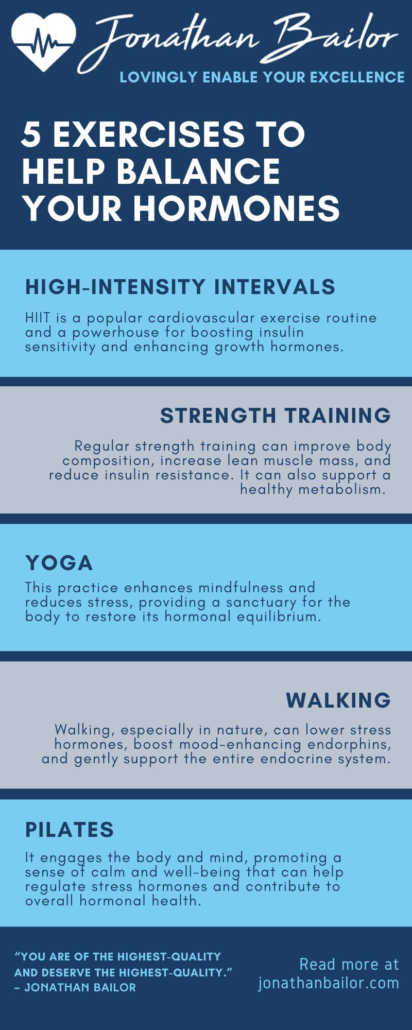
Unlocking Wellness: 6 Hormones Enhanced by Exercise

As we journey through understanding the body’s complex systems, it’s clear that exercise is not merely a tool for physical transformation but also a catalyst for hormonal harmony. Each movement and stretch is a message to the body, invoking a cascade of hormonal responses that bring balance, vitality, and well-being.

This exploration explores

six key hormones influenced by exercise.

1. Insulin

Insulin is a crucial hormone responsible for regulating blood sugar levels by facilitating the uptake of glucose into cells. Exercise significantly enhances insulin sensitivity, meaning the body requires less insulin to manage blood sugar levels effectively. This is particularly beneficial for preventing insulin resistance, a precursor to type 2 diabetes.

Regular physical activity helps the muscles use glucose more efficiently, maintaining balanced blood sugar levels and supporting overall metabolic health.

2. Cortisol

Often dubbed the stress hormone, cortisol levels can significantly impact physical and mental health. While acute exercise temporarily increases cortisol levels, contributing to the body’s ‘fight or flight’ response, regular, moderate exercise can lower baseline cortisol levels over time.

This reduction in chronic cortisol exposure helps protect against stress-related health issues, promoting a calmer and more balanced state of being.

3. Estrogen

Estrogen matters in both female and male health, influencing reproductive health, bone density, and even mood. Exercise, especially strength training, can help maintain optimal estrogen levels, contribute to bone health, reduce osteoporosis risk, and support a healthy reproductive system.

It’s a key player in the delicate hormonal balance that fosters overall health and vitality.

4. Testosterone

Testosterone is associated with both sexes’ muscle mass, strength, and libido. Though testosterone is considered a male sex hormone, females need it too. Exercise, particularly resistance training, stimulates testosterone production, improving muscle strength, bone density, and sexual health.

This hormonal boost is essential for maintaining energy levels, muscle health, and overall well-being as we age.

5. Human Growth Hormone (HGH)

HGH is vital for growth, cell repair, and metabolism. Exercise, especially high-intensity interval training (HIIT), can increase the secretion of HGH, which helps in tissue repair, muscle growth, and fat metabolism.

This increase in HGH not only supports physical recovery and growth but also plays a role in longevity and maintaining youthful vitality.

6. Endorphins

Known as the body’s natural painkillers, endorphins are hormones that provide a sense of well-being and pain relief. Exercise triggers the release of endorphins, leading to the ‘runner’s high’ many experience after physical activity.

This endorphin boost is essential for mood regulation, stress relief, and overall mental health.

Through the lens of these hormones, the narrative of exercise expands from a focus on physical fitness to a holistic approach to health. By embracing physical activity as a harmonizer of hormonal balance, we unlock a pathway to enhanced well-being, inviting a life of vitality, balance, and joy.

Let this understanding inspire a commitment to physical movement, not just for the body’s sake but for the holistic harmony it brings to our lives.

6 Hormones That Are Enhanced by Exercise - Jonathan Bailor

Elevating Hormonal Health Through Exercise: The Top 5 Movements to Help Balance Your Hormones

In the realm of well-being, where the balance of mind, body, and spirit takes center stage, regular exercise emerges not just as a conduit for physical fitness but as a key player in hormonal harmony. This guide to the best exercises for supporting hormonal balance is crafted to illuminate the path toward a more balanced, energized self.

Through physical exercise, we have the power to influence our body’s hormonal responses, creating a ripple effect of positive changes across all facets of health. Let these exercises be a beacon, guiding us towards a lifestyle where exercise is not a chore but a cherished part of our daily routine, bringing us closer to the equilibrium we seek.

The Best Exercises for Hormonal Balance

1. High-Intensity Interval Training (HIIT)

HIIT is a popular cardiovascular exercise routine and a powerhouse for boosting insulin sensitivity and enhancing growth hormone levels. This high-intensity exercise involves short bursts of intense exercise followed by periods of rest that not only optimize fat burning but also trigger a hormonal cascade that supports metabolic health.

This dynamic form of exercise can be tailored to any fitness level, making it an accessible tool for enhancing hormonal balance.

2. Strength Training

Lifting weights or engaging in bodyweight resistance exercises stimulates the production of testosterone and growth hormone, both vital for muscle growth, bone density, and overall vitality. Regular strength training can improve body composition, increase lean muscle mass, reduce insulin resistance, and support a healthy metabolism. It’s proof of the body’s ability to strengthen and renew itself, hormone by hormone.

3. Yoga

Yoga’s gentle stretches and poses profoundly calm the body’s stress response, lowering cortisol levels. This practice enhances mindfulness and reduces stress, providing a sanctuary for the body to restore its hormonal equilibrium.

Yoga’s versatility makes it a suitable and beneficial exercise for all, promoting not only flexibility and strength but also hormonal health.

4. Walking

Never underestimate the power of a brisk walk. Walking, especially in nature, can lower stress hormones, boost mood-enhancing endorphins, and gently support the entire endocrine system. It’s a simple, effective way to keep the body moving and help reverse hormone imbalance.

5. Pilates

Pilates focuses on core strength, flexibility, and mindful breathing, making it an excellent exercise for stress reduction and hormonal balance. It engages the body and mind, promoting a sense of calm and well-being that can help regulate stress hormones and contribute to overall hormonal health.

Embracing these exercises as part of a holistic approach to health can lead to profound changes, not just in how the body looks and feels but in its deepest functional systems.

Share this journey with friends and family, inviting them to explore the significant power of exercise on hormonal health. Together, step into a world where balance, health, and vitality are within reach, guided by the simple yet powerful act of movement.

5 Exercises to Help Balance Your Hormones - Jonathan Bailor

Harmonizing Health: Hormone Health FAQs

In the pursuit of well-being, understanding hormone health is akin to unlocking a secret garden of vitality. Hormones, those tiny yet mighty messengers, orchestrate a symphony of bodily functions, from metabolism to mood regulation. As interest in holistic health grows, so do questions about how to nurture hormonal balance.

Here, we address some of the most common inquiries, shedding light on the intricate dance of hormones within our bodies. This FAQ section aims to empower you with knowledge, making the path to hormonal harmony not just accessible but a journey of discovery and wellness.

1. How does sleep impact hormone health?

Sleep is a cornerstone of hormone health. During rest, the body repairs itself, and key hormones like growth hormone and leptin are regulated. Lack of sleep can lead to imbalances, such as increased cortisol levels, which can disrupt overall hormonal harmony. Ensuring adequate and quality sleep supports the body’s natural rhythm, promoting a balanced hormonal state that enhances both physical and mental well-being.

2. Can diet really influence my hormone levels?

Absolutely. What we eat directly impacts our hormone health. Foods rich in essential nutrients support the production and regulation of hormones. For instance, fatty acids from avocados and salmon are vital for hormone synthesis.

Conversely, excessive sugar and processed foods can lead to insulin resistance and other hormonal imbalances. A balanced diet focused on whole foods is key to maintaining optimal hormone health.

3. What role does stress play in hormone health?

Stress is a significant factor in hormonal balance. Chronic stress triggers the release of cortisol, the stress hormone, which, in excess, can lead to various health issues, including hormonal imbalances.

Techniques to manage stress, such as meditation, yoga, or deep breathing exercises, are essential in maintaining hormone health.

4. Are there specific exercises that benefit hormone health?

Exercise is a powerful tool for supporting hormone health. Activities like strength training boost testosterone and human growth hormone levels, which are essential for muscle growth and overall vitality.

Meanwhile, moderate exercises like walking or yoga can help lower cortisol levels. Regular, varied physical activity is instrumental in creating a hormonal balance that supports a healthy body and mind.

5. How important is hydration for hormone health?

Hydration is crucial for overall health, including hormone balance. Water facilitates the transport of hormones throughout the body and aids in detoxification processes that can affect hormone levels. Dehydration can lead to dysfunction in these processes.

By addressing these common questions, the aim is to pave a clearer path toward understanding and nurturing hormone health. In the intricate dance of bodily functions, hormones play a leading role, and by taking steps to support their balance, we unlock the door to enhanced well-being and vitality.

A Journey to Hormonal Harmony: Sharing the Path

In exploring the realms of hormonal health through exercise, diet, and mental well-being, we’ve uncovered the profound impact of lifestyle choices on our body’s delicate hormonal balance. This journey, rich with the potential for enhanced vitality and well-being, is not one to embark on alone. It beckons to be shared, spreading the knowledge and insights that can transform lives.

Let this exploration serve as an invitation to friends and family to join us on this path to hormonal harmony. Share this wisdom across social media platforms and via email, lighting the way for a collective journey towards health and balance. Let’s embrace the power of informed choices, fostering a community united in the pursuit of well-being.

Feeling Better Is Priceless, That's Why We Don't Put A Price On It!

“It’s Like A Free and Medically Valid Version of Noom and Weight Watchers Online”

~ Dr. Doctor Matthew Oleshiak, MD

Click the 'LEARN MORE' button below for free lifetime access to the fast fix program developed by Jonathan and top Ivy League Medical Doctors

LEARN MORE

P.S. It's not a free trial. It's not part of the program for free. The entire program is free, forever, for real! No credit card needed.
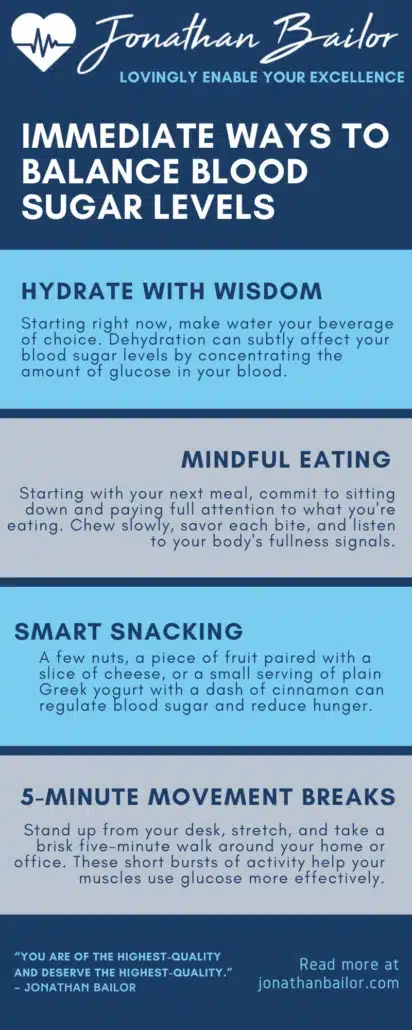
20 Ways to Balance Blood Sugar at Every Life Stage

Are you ready to start balancing your blood sugar for ultimate health? This Hormone Health Guide by Jonathan Bailor takes a deep dive into the critical role of blood sugar regulation in health and shows you how to achieve it.

In a world buzzing with the latest diet trends and workout fads, it’s easy to overlook the fundamental elements that govern our health and well-being. One such cornerstone, often hidden in plain sight, is the balance of our blood sugar levels. This isn’t just a topic for those diabetes; it’s a universal key to unlocking a vibrant, healthier life for everyone, irrespective of age.

Imagine your body as a finely tuned orchestra, with each instrument playing its part to create a harmonious symphony. When one instrument, like our blood sugar levels, plays out of tune, it’s not just a single note that’s affected. The entire concert of our metabolic health can descend into chaos, affecting everything from our energy levels to how we age. But here’s the good news: with the right knowledge and tools, regulating high blood sugar levels and regaining balance and harmony is within reach.

This guide is your invitation to explore the essential strategies for maintaining healthy blood sugar levels, a beacon of hope for thriving health as the years roll by. It’s about embracing simple yet powerful lifestyle changes that resonate with our bodies’ natural rhythms.

Whether you’re seeking to bolster your energy, fine-tune your weight management, or age with grace and vitality, understanding how to master your blood sugar is a step toward a life brimming with health. And the beauty of it? These strategies are grounded in the science of simplicity, making them accessible to everyone, no matter their starting point.

So, let’s take this journey together. It’s time to turn the page and discover the keys to a balanced, vibrant life where every day is an opportunity to feel your best. And remember, this isn’t just about reading; it’s about sharing the wealth of health.

When you find nuggets of wisdom that resonate, please don’t keep them to yourself. Spread the word, share the love, and let’s collectively uplift our health and the well-being of those around us. After all, the journey to optimal health is best traveled with companions by our side.

Immediate Ways to Balance Blood Sugar for Life

In the quest for optimal health, the power lies in the present moment. The choices we make today can immediately impact our well-being, especially balancing our blood sugar levels.

Balancing blood sugar is not just a concern for the distant future; it’s a vital part of daily living that can enhance our energy, mood, and overall vitality.

Here are four immediate changes you can make today that don’t require waiting days or weeks to start benefiting from. These simple yet effective adjustments can be the first steps towards a healthier, more balanced life.

1. Hydrate with Wisdom

Starting right now, make water your beverage of choice. Dehydration can subtly affect your blood sugar levels by concentrating the amount of glucose in your blood. By choosing water over sugary drinks or even diet sodas, you’re not only avoiding unnecessary sugar and artificial sweeteners but also helping your body maintain a steady blood sugar level.

If plain water doesn’t excite you, infuse it with slices of lemon, cucumber, or a handful of berries for a refreshing twist that keeps you coming back for more.

2. Mindful Eating

Take a moment to tune into your meals. Eating in a rush or while distracted can lead to overeating, which can make your blood sugar levels rise. Starting with your next meal, commit to sitting down and paying full attention to what you’re eating. Chew slowly, savor each bite, and listen to your body’s fullness signals.

This mindful practice not only enhances your dining experience but also helps prevent the blood sugar spikes that come from consuming more food than your body needs.

3. Smart Snacking

Swap out high-sugar snacks for whole food options rich in fiber and protein. A few nuts, a piece of fruit paired with a slice of cheese, or a small serving of plain Greek yogurt with a dash of cinnamon can regulate blood sugar and keep hunger at bay.

These smart snack choices provide sustained energy without the roller coaster effect that sugary snacks cause. Plus, they’re delicious and can be prepared in advance, making it easy to grab and go.

4. Take a Five-Minute Movement Break

Physical activity is a powerful tool for managing blood glucose levels, and you don’t have to commit to a long workout session to reap the benefits. Stand up from your desk, stretch, and take a brisk five-minute walk around your home or office. These short bursts of activity help your muscles use glucose more effectively, lowering your blood sugar levels in the process.

Make it a habit to incorporate these mini-movement breaks throughout your day, and you’ll be surprised at the difference it makes.

By embracing these immediate changes, you’re not just adjusting your blood sugar levels; you’re setting the foundation for a lifestyle that supports lasting health and vitality. Remember, the journey to wellness comprises small, consistent steps.

Let these immediate actions be the spark that ignites your path to balanced health today and every day.

Immediate Ways to Balance Blood Sugar Levels - Jonathan Bailor

Feeling Better Is Priceless, That's Why We Don't Put A Price On It!

“It’s Like A Free and Medically Valid Version of Noom and Weight Watchers Online”

~ Dr. Doctor Matthew Oleshiak, MD

Click the 'LEARN MORE' button below for free lifetime access to the fast fix program developed by Jonathan and top Ivy League Medical Doctors

LEARN MORE

P.S. It's not a free trial. It's not part of the program for free. The entire program is free, forever, for real! No credit card needed.
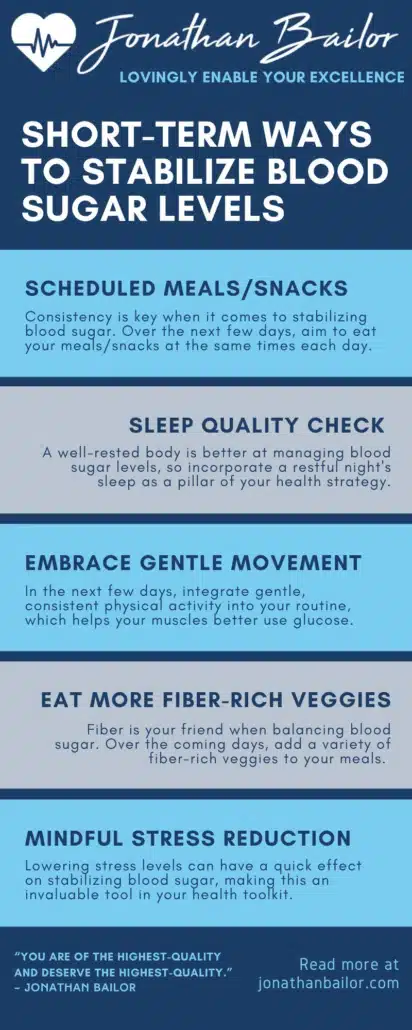
Short-Term Steps to Steady Blood Sugar Levels

In the journey to optimal metabolic health, the steps we take in the short term can have a profound impact on our progress. Over the next few days, introducing specific changes into your routine can start to shift the needle towards balanced blood sugar levels and improved well-being. These adjustments are designed to fit seamlessly into your daily life, offering a bridge between immediate actions and the sustainable habits that forge long-term health.

Let’s explore five short-term changes that can positively affect blood sugar levels and set the stage for lasting metabolic harmony.

1. Schedule Your Meals and Snacks

Consistency is key stabilizing blood sugar. Over the next few days, aim to eat your meals and snacks at the same times each day. This regularity helps your body anticipate and manage food intake, smoothing out potential blood sugar spikes and valleys.

It’s not about eating by the clock with military precision but finding a rhythm that works for you and sticking to it as closely as possible.

2. Sleep Quality Check

Sleep profoundly influences blood sugar levels. Starting tonight, prioritize getting 7-9 hours of quality sleep. Dim the lights an hour before bed, disconnect from electronic devices, and create a comfortable, soothing sleep environment.

A well-rested body is better at managing blood sugar levels, so consider this your invitation to embrace restful nights as a pillar of your health strategy. Fun fact: getting enough sleep can help you manage your weight as well as regulate blood sugar levels.

3. Embrace Gentle Movement

In the next few days, integrate gentle, consistent physical activity into your routine. Whether it’s a leisurely walk after dinner, a morning yoga session, or simply choosing stairs over elevators, these movements encourage your muscles to use glucose more efficiently.

Think of it as nudging your body towards balance with kindness rather than pushing it with intensity.

4. Experiment with Fiber-Rich Vegetables

Fiber is your friend when balancing blood sugar. Over the coming days, experiment by adding a variety of fiber-rich vegetables to your meals. Try adding spinach to your breakfast omelet, snacking on carrot and celery sticks, or including a side salad with lunch and dinner.

These fiber powerhouses help slow down glucose absorption into your bloodstream, offering a steady, gentle approach to blood sugar management.

5. Mindful Stress Reduction

Stress can send your blood sugar levels on a roller coaster. Over the next few days, dedicate a few minutes each day to a stress-reduction practice that resonates with you. This could be deep breathing exercises, meditation, journaling, or a warm bath.

Lowering stress levels can have a surprisingly quick effect on stabilizing blood sugar as well as reducing your risk of heart disease and high blood pressure, making this an invaluable tool in your health toolkit.

By weaving these short-term strategies into the fabric of your daily life, you’re not just taking steps towards balancing blood sugar; you’re crafting a lifestyle that supports vibrant health at every stage. Remember, the beauty of this journey lies in the power of small, consistent changes to create profound, lasting impacts.

Short Term Ways to Stabilize Blood Sugar Levels - Jonathan Bailor

Medium-Term Mastery: Cultivating Balanced Blood Sugar Through Lifelong Habits

As we handle our health journey, embarking on medium-term changes offers a golden opportunity to deepen our commitment to balanced blood sugar and overall well-being. These changes, unfolding over the span of weeks, are like planting seeds in a fertile garden; with a bit of patience and consistent care, they begin to sprout, taking root in the very fabric of our daily lives.

This phase of the journey is about building upon the immediate and short-term shifts we’ve made, layering in practices that enhance their effects and drive us closer to our goals.

Here are several medium-term changes to consider, each designed to harmonize blood sugar levels and enrich your health mix.

1. Cultivate a Protein-Rich Breakfast Routine

Begin your day by anchoring your breakfast with protein. Over the next few weeks, experiment with integrating protein sources like eggs, plain Greek yogurt, or a smoothie with protein powder into your morning routine.

This practice helps you avoid low blood sugar, kickstart your metabolism, and stabilize your blood sugar levels from the get-go, setting a balanced tone for the day. It’s a gentle yet powerful way to signal your body that you’re in for a nourished, stable day ahead.

2. Introduce Resistance Training

If you haven’t already, now is the time to introduce resistance training into your weekly routine. Aim for two to three sessions per week, focusing on major muscle groups, to enhance your body’s glucose absorption efficiency. Resistance training boosts muscle mass, which plays a critical role in managing blood sugar levels. Low muscle mass puts you at increased risk of insulin resistance.

This doesn’t require a gym membership or expensive equipment; regular exercise that uses your own body weight or resistance bands offers a great starting point.

3. Explore Mindful Eating Practices

Dedicate the next few weeks to truly embracing mindful eating. This means paying full attention to the experience of eating, savoring each bite, and listening to your body’s hunger and fullness cues. Mindful eating helps prevent overeating, which can quickly raise blood sugar and cause blood sugar spikes.

It’s about creating a harmonious relationship with food, where eating becomes an act of self-care rather than a mindless routine.

4. Prioritize Quality Sleep

Focus on optimizing your sleep environment and routines to ensure 7-9 hours of quality sleep each night. Consider investing in blackout curtains, limiting caffeine intake in the afternoon, and establishing a relaxing pre-sleep ritual.

Sleep profoundly affects metabolic health, including blood sugar regulation. Sleep deprivation has been shown to promote weight gain and health problems. This medium-term commitment can lead to significant improvements in both your energy levels and metabolic balance.

5. Experiment with Low-Glycemic Index Foods

Spend the next few weeks getting familiar with and incorporating more low-glycemic index (GI) foods into your meals. These foods, such as leafy greens, most fruits, legumes, and nuts, have a minimal impact on blood sugar levels.

Experimenting with low-GI foods can be a delightful culinary adventure that steadies your blood sugar and expands your dietary horizons.

6. Embrace Regular Hydration

Make hydration a conscious part of your daily routine. Aim to drink at least 8 cups of water a day, more if you’re active or it’s hot outside. Proper hydration aids in blood sugar control by diluting the concentration of glucose in the bloodstream and supporting kidney function.

Infuse your water with fruits or herbs if you’re looking for a flavor boost.

By weaving these practices into the weeks ahead, you’re not just adjusting your lifestyle for the better; you’re embedding habits that have the power to transform your health in profound ways.

Each step taken is a step closer to a life of balanced blood sugar levels, vibrant energy, and deep, lasting well-being.

Medium Term Ways to Balance Blood Sugar - Jonathan Bailor

Long-Term Landscapes: Sculpting a Future of Balanced Blood Sugar

As we journey further into the realms of health and wellness, embracing long-term changes becomes akin to charting a course for uncharted territories, where the treasures of balanced blood sugar and metabolic health await. These changes, unfolding over months, are the bricks and mortar of the fortress we build to protect and nurture our well-being.

It’s about setting our sights on the horizon, where the fruits of our dedication bloom in full. These long-term commitments are not just adjustments to our daily lives but are profound transformations that engrain wellness into the fabric of our existence.

Let’s explore the enduring changes that can sculpt a landscape of health that stands the test of time.

1. Cultivate a Garden of Nutritious Foods

Now is the time to launch the rewarding journey of growing your own vegetables and herbs. This long-term project not only connects you with the very essence of nutrition but also ensures that the food on your plate is as fresh and nutrient-dense as possible.

Tending to a garden encourages a deeper understanding and appreciation of whole foods. Plus, the physical activity involved in gardening is a joyful way to exercise regularly, further enhancing your metabolic health.

2. Develop a Deepened Mindfulness Practice

Mindfulness extends beyond the plate; it’s a way of being that can profoundly influence all aspects of health, including blood sugar regulation. Commit to deepening your mindfulness practice over the coming months by exploring meditation, guided breathing, or yoga.

As stress levels decrease and mindfulness increases, you’ll find your body’s response to insulin improves, aiding in long-term blood sugar balance. This journey towards inner peace not only steadies your blood sugar but enriches your life with a serenity that transcends the dining table.

3. Engage in Community Wellness

Join or create a community group focused on wellness and healthy living. Whether it’s a walking club, a healthy recipe exchange group, or a gardening collective, engaging with others on a similar path magnifies your efforts and embeds them into a broader context of communal health.

Over months, this collective endeavor not only fosters a supportive environment for maintaining balanced blood sugar levels but also reinforces the importance of social connections for overall well-being.

4. Embrace Educational Endeavors

Commit to ongoing education in nutrition and wellness. Whether through books, courses, workshops, or seminars, expanding your knowledge over the months can transform your approach to managing blood sugar and overall health.

This continuous learning journey empowers you with the tools and insights needed to handle metabolic health.

5. Prioritize Consistent Medical Check-ups

Make regular check-ups with your healthcare provider a cornerstone of your long-term health strategy. These consistent touchpoints allow for monitoring your blood sugar levels, hormonal health, and metabolic markers, providing valuable insights that can guide your lifestyle choices.

Over time, this proactive approach to health care ensures that your efforts are both effective and aligned with your body’s changing needs.

By weaving these long-term changes into the mix of your life, you’re not just altering habits; you’re starting on a significant journey that promises a future where balanced blood sugar and vibrant health are the cornerstones of your existence. This is the path to a life lived fully, richly, and with wellness at heart.

Long Term Strategies to Balance Blood Sugar Levels - Jonathan Bailor

Harmonizing Hormone Health: Your Questions Answered

1. What are the key hormones that influence our health?

Our bodies are orchestrated by a symphony of hormones, each playing a unique role in maintaining our health. Key players include insulin, which is responsible for regulating blood sugar levels; thyroid hormones, which govern metabolism; cortisol, the stress hormone; sex hormones like estrogen and testosterone, which affect reproductive health and mood; and leptin and ghrelin, which influence appetite and satiety. Balancing these hormones is essential for optimal health, affecting everything from energy levels to weight management.

2. How does diet affect hormone health?

Diet plays a foundational role in hormone health. Consuming a balanced diet rich in whole foods can support hormonal balance. For instance, fiber-rich foods help regulate insulin and blood sugar levels, while healthy fats are crucial for synthesizing and balancing sex hormones. Eating insoluble fiber aids your digestive system, while soluble fiber helps lower cholesterol and provides a wealth of other health benefits. Also, lean proteins support the production and function of hormones like growth hormones. Avoiding excessive sugar and processed foods is also key, as they can disrupt hormonal equilibrium, leading to issues such as insulin resistance.

3. Can lifestyle changes improve hormone health?

Absolutely. Beyond diet, healthy lifestyle factors significantly impact hormone health. Regular physical activity can improve insulin sensitivity, boost mood-enhancing hormones like serotonin, and reduce stress hormones like cortisol. Adequate sleep is crucial for maintaining a healthy balance of hormones, including those related to stress, hunger, and metabolism. Managing stress through practices like meditation, yoga, or deep breathing can also help regulate cortisol levels, promoting hormonal harmony.

4. What are common signs of hormonal imbalance?

Signs of hormonal imbalance can vary widely depending on which hormones are affected but often include fatigue, unexplained weight gain or loss, mood swings, insomnia, low libido, and changes in appetite. Women may experience irregular menstrual cycles, while men might notice decreased muscle mass. Since these symptoms can stem from various causes, consulting with a healthcare provider for a proper diagnosis is essential.

5. How can I get my hormone levels checked?

If you suspect a hormonal imbalance, the first step is to consult with your healthcare provider. They can order specific blood tests to measure the levels of various hormones in your body, such as thyroid hormones, cortisol, estrogen, testosterone, and insulin. These tests are typically conducted at certain times of the day or month to account for natural fluctuations. Based on the results, your healthcare provider can recommend appropriate treatments or lifestyle adjustments to restore balance.

Understanding hormone health is important to nurturing your body and enhancing your well-being. By embracing a holistic approach that encompasses a balanced diet, regular physical activity, adequate rest, and stress management, you can support your hormonal health and unlock a more vibrant, balanced life.

Embracing a Future of Balanced Wellness

As we conclude our journey through the intricacies of blood sugar balance and hormonal health, we hope you feel equipped with the knowledge to navigate the path toward optimal well-being. These insights are not just beacons guiding us to healthier lives; they’re seeds of change meant to be shared far and wide. Imagine the impact of spreading this wisdom within your circle and beyond.

We invite you to share this piece with friends and family across all social media platforms and via email. Let’s cultivate a community rooted in health, knowledge, and collective empowerment, setting the stage for a future where wellness flourishes.

Feeling Better Is Priceless, That's Why We Don't Put A Price On It!

“It’s Like A Free and Medically Valid Version of Noom and Weight Watchers Online”

~ Dr. Doctor Matthew Oleshiak, MD

Click the 'LEARN MORE' button below for free lifetime access to the fast fix program developed by Jonathan and top Ivy League Medical Doctors

LEARN MORE

P.S. It's not a free trial. It's not part of the program for free. The entire program is free, forever, for real! No credit card needed.
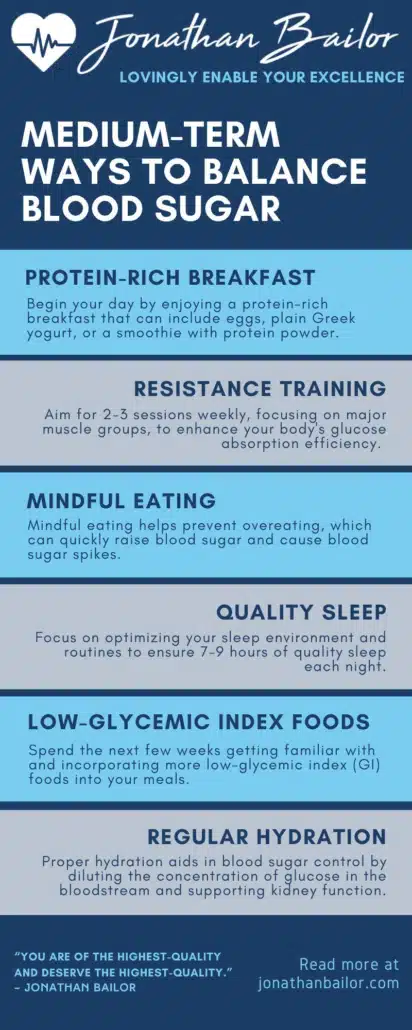
Beware: Double Big Mac’s Weight Gain & Hormone Risks

Imagine this: a beloved fast food giant announces the return of an iconic burger, the Double Big Mac. The news might spark a momentary thrill for fast food enthusiasts, but here’s the crucial bit you need to know: indulging in such a meal isn’t just a casual cheat day choice. It’s a decision that could have far-reaching impacts on your health, weight, and even hormone balance. In this hormone health guide, Jonathan Bailor discusses the hormonal and weight issues you need to know before sinking your teeth into the Double Big Mac.

our health, it’s easy to get swayed by the allure of familiar flavors, especially when they’re brought back in a grand, limited-time-only fashion. But let’s pause and consider what’s really at stake with such food choices. The Double Big Mac, like most fast food items, is a concoction high in calories, saturated fats, and sodium. This trio, while tantalizing to our taste buds, is a recipe for health risks, risks that go beyond just the number on the weighing scale.

What often slips under the radar is how such foods impact our hormones, the body’s chemical messengers. These hormones are key players in managing our weight, mood, and overall well-being. It’s like throwing a wrench into the delicate hormonal machinery when we overload our system with high-calorie, nutrient-poor foods. The result? Our body’s ability to regulate appetite, metabolism, and even stress can go haywire. In simple terms, we’ll likely gain weight and feel terrible!

Think about it: Is the fleeting pleasure of a fast-food burger worth the potential long-term effects on your body’s natural balance? Especially for those of us who have celebrated more than a few birthdays, it’s crucial to be mindful of how our dietary choices can affect our health. We owe it to ourselves to nurture our bodies with food choices that support, not disrupt, our well-being.

Now, this isn’t about demonizing fast food or instilling fear. It’s about making informed choices. When we understand the implications of our diet on our health, we can make decisions that align with our long-term well-being. And isn’t that a more rewarding path to take?

So, let’s talk about the health risks of the Double Big Mac.

Double Big Mac: Nutritional Value

When we unwrap the Double Big Mac, we’re not just opening a fast-food package; we’re unveiling a mosaic of nutritional components that have significant implications for our health. This iconic burger is, in essence, an augmented version of the classic Big Mac, featuring not two but four beef patties layered with cheese, lettuce, pickles, onions, and that signature sauce, all sandwiched between a three-part sesame seed bun.

Now, let’s break down what this translates to in terms of nutritional content. A single Double Big Mac packs a substantial caloric punch; it contains around 720 calories. To put that into perspective, it’s nearly a third of the daily caloric intake recommended for an average adult. But it’s not just the calories that we need to be mindful of. This burger brings with it about 38 grams of fat, of which 17 grams are saturated fat. Saturated fats are known contributors to cholesterol issues and heart health concerns.

the Double Big Mac contains approximately 46 grams of carbohydrates and a staggering 1,340 milligrams of sodium, over half the daily sodium limit for a healthy adult. While it does offer 40 grams of protein, which is a vital nutrient for our muscles and overall body function, the high levels of fat, sodium, and calories overshadow this positive aspect.

It’s essential to understand that nutrients are not just numbers on a nutrition label; they are the building blocks and signals for our body’s functions. Consuming foods high in calories, saturated fats, and sodium sends our bodies a confusing mix of signals.

As we transition to discussing the hormonal and body weight effects of a Double Big Mac, it’s important to remember that the relationship between what we eat and how our body responds is intricate. The nutritional makeup of the Double Big Mac does more than just satiate hunger temporarily; it influences complex bodily processes, particularly our hormones, which in turn play a important role in managing our body weight and overall health.

Hormonal Imbalance: The Hidden Cost of Fast Foods Like Double Big Mac

When we talk about the impact of fast foods, like the Double Big Mac, on our health, it’s not just about calories and nutrients. These foods also profoundly affect the delicate hormonal balance within our bodies. Hormones are like messengers that dictate a multitude of bodily functions, from appetite control to mood regulation. When disrupted, they can lead to various health challenges. Let’s explore 7 key hormones affected by consuming fast foods and the health problems associated with these hormonal changes.

1. Insulin

The high carbohydrate content, primarily from sugars and refined flour in fast foods, leads to rapid spikes in blood sugar levels. This triggers a surge in insulin, the hormone responsible for sugar regulation in our blood. Frequent insulin spikes can lead to insulin resistance, a condition where our cells become less responsive to insulin. This not only increases the risk of type 2 diabetes but also contributes to weight gain, particularly around the abdomen, and heightens the risk of cardiovascular diseases.

2. Leptin

Leptin matters in signaling satiety and regulating energy balance. Fast foods, however, due to their high calorie and fat content, can disrupt leptin signaling. This disruption can lead to leptin resistance, where the body fails to recognize when it’s full, causing overeating and weight gain. Over time, leptin resistance can make weight loss more challenging and contribute to the development of obesity.

3. Ghrelin

Often termed the ‘hunger hormone’, ghrelin signals the brain when it’s time to eat. Fast foods can cause fluctuations in ghrelin levels, leading to increased hunger and appetite soon after eating. This can result in a cycle of continuous eating and snacking, contributing to caloric surplus and weight gain.

4. Cortisol

Known as the stress hormone, cortisol levels can be influenced by the high fat and sugar content of fast foods. Excessive cortisol stimulates glucose production, contributing to increased blood sugar levels and, ultimately, insulin resistance. Chronic high cortisol levels are also linked to increased abdominal fat, a higher risk of heart disease, and can impair cognitive performance over time.

5. Thyroid Hormones

Thyroid hormones are crucial for metabolism regulation. Diets high in processed foods and saturated fats, like fast foods, can impact thyroid function, leading to an imbalance in these hormones. This can result in either an underactive or overactive thyroid, leading to conditions like hypothyroidism or hyperthyroidism, respectively. These conditions can cause a range of symptoms, including fatigue, weight gain or loss, and mood disturbances.

6. Sex Hormones

The balance of the sex hormones estrogen and testosterone can be disrupted by the unhealthy fats and chemicals often found in fast foods. In men, excessive consumption of such foods can decrease testosterone levels, contributing to reduced muscle mass, fatigue, and lower libido. In women, it can lead to an increase in estrogen levels, potentially increasing the risk of conditions like polycystic ovary syndrome (PCOS), menstrual irregularities, and certain types of cancer.

7. Adiponectin

This hormone, released by fat cells, regulates glucose levels and fatty acid breakdown. High-calorie, nutrient-poor diets can lower adiponectin levels, reducing its beneficial effects on blood sugar regulation and fat oxidation. This can contribute to obesity, type 2 diabetes, and cardiovascular diseases.

Understanding the hormonal impact of fast foods like the Double Big Mac is essential for making informed dietary choices. While the immediate gratification of such meals can be tempting, the long-term effects on our hormonal health and overall well-being are substantial and often detrimental. It goes beyond about avoiding weight gain; it’s about nurturing a hormonal environment conducive to optimal health.

Hormonal Effects of the Double Big Mac - Jonathan Bailor

Feeling Better Is Priceless, That's Why We Don't Put A Price On It!

“It’s Like A Free and Medically Valid Version of Noom and Weight Watchers Online”

~ Dr. Doctor Matthew Oleshiak, MD

Click the 'LEARN MORE' button below for free lifetime access to the fast fix program developed by Jonathan and top Ivy League Medical Doctors

LEARN MORE

P.S. It's not a free trial. It's not part of the program for free. The entire program is free, forever, for real! No credit card needed.
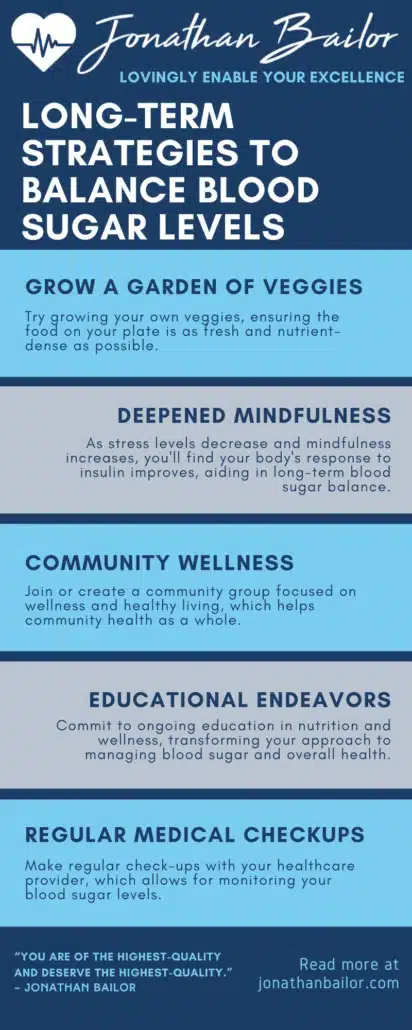
4 Ways the Double Big Mac Promotes Weight Gain

The Double Big Mac, an emblematic fast food item, does more than just satisfy a momentary craving. Its composition and nutritional profile have a multifaceted impact on our body, particularly in promoting weight gain. While its effects on hormone imbalances have been extensively discussed, it’s crucial to understand how this fast food item directly contributes to weight gain. Let’s explore five specific ways the Double Big Mac can lead to an increase in body weight.

1. High Caloric Density

One of the most straightforward ways the Double Big Mac contributes to weight gain is its caloric density. A single serving packs a hefty amount of calories, significantly more than a typical meal should contain. When you consume more calories than your body needs for energy, the excess is stored as fat. This high caloric intake, especially when combined with a sedentary lifestyle, leads to a caloric surplus, which the body stores as adipose tissue, contributing to weight gain.

2. Rich in Saturated Fats

The burger is laden with saturated fats, stemming from its multiple beef patties and cheese. Saturated fats are known to be less satiating compared to unsaturated fats, leading to less satisfaction after eating and a tendency to consume more calories later. Also, diets high in saturated fats are linked to increased fat storage in the body, particularly in the abdominal area, further contributing to weight gain.

3. Refined Carbohydrates and Sugars

The bun of the Double Big Mac, made from refined flour, along with added sugars in the sauce, contributes to its high glycemic index. Eating refined carbs and sugars causes rapid spikes in blood sugar levels followed by a quick drop, which can lead to increased hunger and subsequent overeating. This cycle can increase overall caloric intake, promoting weight gain.

Fast food items like the Double Big Mac often come in larger portions than recommended. These oversized portions can distort our perception of a standard serving size, leading to chronic overeating. Regular consumption of such large portions, even if not always from fast food, can condition the body to expect and crave larger quantities of food, contributing to sustained caloric surplus and weight gain.

4. Low Nutritional Value

Despite its high-calorie content, the Double Big Mac is low in essential nutrients like dietary fiber, vitamins, and minerals. Foods with low nutritional value have a minimal impact on satiety and do not provide the necessary nutrients for optimal body function. This lack of nutrition can lead to a cycle of continuous hunger and further eating as the body seeks to fulfill its nutritional needs, again leading to increased calorie intake and weight gain.

Understanding these factors is key to making informed choices about our diet. While the occasional indulgence may not drastically alter our weight, regular consumption of foods like the Double Big Mac can significantly contribute to weight gain and associated health issues. It goes beyond about resisting temptation; it’s about recognizing the broader impact of our dietary choices on our health and well-being.

4 Ways the Double Big Mac Causes Weight Gain - Jonathan Bailor

Unlocking Hormonal Health and Weight Control: The Path to Nutritional Harmony

In pursuing hormonal balance and weight management, the most effective strategy lies not in restrictive diets or trendy eating patterns but in embracing a whole-food, nutritionally abundant dietary plan. This approach to eating focuses on foods that naturally support and regulate our hormones, contributing to a lower setpoint weight and overall better health.

  • Prioritize High-Quality Proteins: Incorporating high-quality proteins into your diet is essential. Proteins are the building blocks of hormones and play a important role in maintaining muscle mass, which in turn supports a healthy metabolism. Opt for sources like lean meats, fish, and legumes. These not only provide the necessary amino acids for bodily functions but also help in feeling fuller for longer, reducing the likelihood of overeating.
  • Embrace Healthy Fats: Healthy fats, particularly those rich in omega-3 fatty acids, are crucial for hormonal balance. Foods like avocados, nuts, seeds, and fatty fish (such as salmon and mackerel) provide the fats necessary for hormone production without the adverse effects of trans and saturated fats found in processed foods.
  • Load Up on Non-Starchy Vegetables: Non-starchy vegetables are unrefined carbs, aka complex carbohydrates, that are low in calories but high in nutrients and fiber. They should form the bulk of your diet. Vegetables like leafy greens, broccoli, cauliflower, and bell peppers provide essential vitamins and minerals and help regulate blood sugar levels, which is crucial for hormonal balance and weight control.
  • Incorporate Low-Fructose Fruits: While fruits are an important part of a balanced diet, focusing on low-fructose varieties like berries and citrus fruits can more favorably impact your weight and hormonal health. These fruits are lower in sugar and high in antioxidants and fiber, making them ideal for a nutrient-rich diet.
  • Minimize Processed Foods and Sugars: Processed foods and high-sugar items (refined or simple carbs) are the adversaries of hormonal health. They can disrupt insulin levels, increase inflammation, and lead to weight gain. Limiting these foods and focusing on whole, unprocessed items can significantly improve hormonal function and weight control.
  • Stay Hydrated: Proper hydration is often overlooked in dietary plans. Water is crucial in transporting hormones and other nutrients throughout the body, and adequate hydration is essential for overall health and hormonal balance.
  • Mindful Eating Habits: Beyond what you eat, how you eat is equally important. Mindful eating, which involves paying attention to hunger cues and eating without distraction, can help you recognize satiety and prevent overeating.

This healthy, hormonal healing dietary plan is about more than just losing weight; it’s about creating a harmonious environment within your body. By focusing on nutrient-rich, whole foods, you’re not just feeding your body; you’re nurturing it. This approach leads to natural weight regulation, improved hormonal balance, and enhanced overall well-being. Remember, the journey to better health doesn’t involve restrictive dieting but embracing a lifestyle that supports your body’s natural processes.

Dietary Tips for Hormonal Health and Weight Control - Jonathan Bailor

FAQs on Hormone Health

Q1: What role do hormones play in weight management?

A1: Hormones are integral to weight management as they regulate appetite, metabolism, and fat storage. Hormones like insulin, leptin, and ghrelin directly influence how much we eat, how our body uses food for energy, and where it stores excess calories. A hormonal imbalance can lead to weight gain by disrupting these processes, making it harder to lose weight even with diet and exercise.

Q2: How can diet affect hormonal health?

A2: Diet matters in hormonal health. Foods high in refined sugars and unhealthy fats can disrupt hormonal balance, leading to conditions like insulin resistance. Conversely, a diet rich in whole foods, including lean proteins, healthy fats, and plenty of fruits and vegetables, supports hormonal balance by providing the nutrients needed for hormone production and regulation.

Q3: Can stress impact hormone levels and weight?

A3: Absolutely. Stress triggers the release of cortisol, the stress hormone, which can lead to increased appetite and cravings for high-calorie foods. Chronic stress can disrupt other hormonal balances, leading to weight gain, particularly around the abdomen. Managing stress through techniques like mindfulness, exercise, and adequate sleep is vital for maintaining hormonal balance and healthy weight.

Q4: Is there a connection between sleep and hormone health?

A4: Yes, sleep and hormone health are closely connected. Poor sleep can affect the production of hormones such as leptin and ghrelin, which regulate appetite. Lack of sleep can increase hunger and appetite, making weight management more challenging. Ensuring adequate and quality sleep is key to maintaining hormonal balance.

Q5: How does age affect hormonal health and weight?

A5: As we age, hormonal changes are natural, often leading to slower metabolism and changes in body composition. For example, post-menopausal women experience a drop in estrogen levels, which can contribute to weight gain. Being mindful of these changes and adapting your diet and lifestyle accordingly can help you manage your weight and maintain hormonal health as you age.

Embracing Hormonal Harmony: A Conclusion

In summary, our journey through the complexities of hormonal health reveals a clear message: mindful eating and lifestyle choices are important. By understanding the impact of foods like the Double Big Mac and embracing a whole-food, nutrient-rich diet, we not only nurture our hormonal balance but also pave the way for sustainable weight management and overall well-being. If you found this exploration enlightening, please share it with your friends and family on social media platforms and via email. Together, let’s spread the word for healthier choices and a brighter, more balanced future.

Feeling Better Is Priceless, That's Why We Don't Put A Price On It!

“It’s Like A Free and Medically Valid Version of Noom and Weight Watchers Online”

~ Dr. Doctor Matthew Oleshiak, MD

Click the 'LEARN MORE' button below for free lifetime access to the fast fix program developed by Jonathan and top Ivy League Medical Doctors

LEARN MORE

P.S. It's not a free trial. It's not part of the program for free. The entire program is free, forever, for real! No credit card needed.
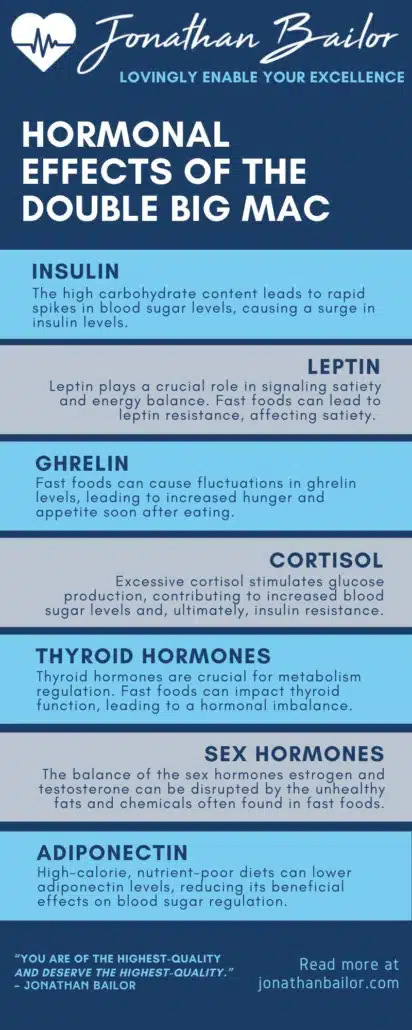
12 Best Foods to Balance Hormones + 6 Foods that Disrupt Hormones

Embarking on the path to a healthy hormone balance can sometimes feel intricate and complex, akin to mastering the art of a well-tended garden. Everything is delicately interconnected, and the choices we make in our diet can significantly influence this delicate balance. This hormone health guide with Jonathan Bailor is a curated collection of nature’s finest offerings, each a powerhouse in its own right, meticulously chosen for its ability to harmonize and support hormone balance.

Picture a plate that bursts with a kaleidoscope of colors and textures, each element thoughtfully selected for its role in fine-tuning our internal systems. These foods go beyond mere dietary components; they are a celebration of vitality and health, echoing the profound impact of our nutritional choices on our well-being.

As we looks at the world of hormone-healing foods, it’s essential to honor each individual’s unique journey. Embracing diversity in your dietary choices allows you to understand and cater to your body’s distinct needs and rhythms. This approach isn’t about conforming to a rigid standard but rather about tuning in to what our bodies require and responding with nurturing care so that it can naturally reverse hormone imbalances.

This guide is designed to be a companion on your journey to discovering the significant power of foods that can bring your hormones into balance. It’s a compilation of knowledge and insights thoughtfully crafted to resonate with anyone seeking to enhance their health through informed dietary choices. Whether you’re sharing these insights with friends or embracing them on a personal level, this guide is here to offer guidance and support.

Remember, this introduction is just the first step. In the following sections, we will explore each hormone-healing food in detail, uncovering its unique characteristics and health benefits to help you make informed dietary choices.

So, let’s begin this enlightening journey together. Embrace the natural wisdom in our foods, and share this treasure trove of information with those around you. Engage in conversations, exchange ideas, and explore these concepts in the comfort of your home. Each step you take is a stride towards a more balanced, energized, and harmonious you.

What Are Hormones?

Hormones are the unsung heroes within our bodies, acting as essential chemical messengers. These small yet mighty molecules are crafted in the endocrine glands, functioning like a network of communication channels. They embark on a journey through our bloodstream, reaching every nook and cranny of our body. Their purpose? To cast a specific influence on our cells, organs, and tissues, orchestrating many vital bodily functions.

Picture your body as a dynamic city, bustling with over 50 different hormones, each performing a critical role in the complex urban landscape of our health. For women, key players in this metropolitan dance are hormones like estrogen and progesterone, gracefully crafted by the ovaries. They move in sync with the city’s rhythm setters, luteinizing hormone (LH) and follicle-stimulating hormone (FSH). This delicate choreography is vital for regulating the menstrual cycle, fostering fertility, and even playing a part in pregnancy. But their influence isn’t confined to reproductive districts; they also shape the avenues of our libido, metabolism, and overall well-being.

When these hormonal city planners lose their sync, the effects can be seen and felt in the streets. Signs like the irregularity of menstrual cycles, the discomfort of hot flashes, or challenges in conception are like traffic jams, signaling disruption in the intricate urban flow of hormones.

Understanding hormones and their intricate interactions within our bodies is crucial for maintaining overall health and well-being. Lifestyle choices such as diet, exercise, sleep, and stress play a significant role in hormonal function. But in this blog post, we will focus on hormone-balancing foods.

Food Groups for Hormonal Balance

Your body is like a complex, well-oiled machine, functioning at its best when it gets the right mix of nutrients. Proteins, carbohydrates, and fats play crucial roles in maintaining your body’s hormonal balance.

Let’s looks at how these vital macronutrients contribute to your overall well-being.

Protein: The Cornerstone of Hormonal Health

Proteins are the cornerstone of your body’s structure and function, much like the foundation of a solid building. They are essential in building and repairing tissues and play a key role in hormonal balance, particularly in regulating hunger hormones like leptin and ghrelin.

These proteins ensure that your body’s metabolic processes run smoothly, akin to a well-coordinated team working behind the scenes to keep everything on track.

Carbohydrates: The Sustainers of Energy

Carbohydrates are the body’s primary energy source, much like the fuel that keeps a machine running. But it’s not just any fuel, it’s the premium, high-quality kind that comes from nutrient-dense sources. Think of complex carbs with plenty of fiber as the steady, reliable energy that keeps your body functioning smoothly.

Fiber, which doesn’t break down into sugar, acts like a stabilizer, helping to keep your stress hormones, like cortisol, in check. It’s the equilibrium needed in a system that’s constantly active.

Fats: The Regulators of Satisfaction

Finally, let’s turn to fats, the essential nutrients that add quality and sustainability to your diet. Including healthy fats is like using high-grade lubricants in a machine, they ensure everything runs without a hitch. These fats are key in managing appetite and are particularly effective in handling insulin, a critical hormone in the body.

Each meal with a balance of good fats is like a perfectly calibrated part of a machine. Just as a well-maintained machine operates seamlessly, a diet rich in healthy fats helps your body’s hormonal system function smoothly, contributing to an overall sense of well-being.

As you can see, proteins, carbohydrates, and fats have unique and crucial roles in maintaining hormonal balance. Like a team of experts managing a sophisticated system, these nutrients work together to ensure your body operates efficiently, stays energized, and maintains a sense of harmony and satisfaction. By understanding and valuing their contributions, you can nourish hormone health.

12 Foods to Balance Hormones

Embarking on a journey towards hormonal balance can be significant. As our bodies age and evolve, so does the need to nourish them with certain foods that naturally balance hormones and support hormonal equilibrium. This goes beyond mere dietary choices; it’s about embracing a lifestyle that harmonizes our internal environment.

The following list highlights 12 foods with unique properties that are important in nurturing hormonal balance. They are not just ingredients on a plate; they represent a synergy with our body’s intricate systems.

1. Broccoli

Cruciferous vegetables like broccoli and cauliflower are great for balancing estrogen levels. Rich in compounds like indole-3-carbinol, it aids in metabolizing estrogen into beneficial forms, reducing the risk of hormonal imbalances. Regular consumption of broccoli can also support liver function, which is essential for hormone regulation.

2. Flaxseeds

Flaxseeds are rich in lignans, which help modulate estrogen activity. Their high fiber content assists in detoxification, aiding the body in eliminating excess hormones. Also, the omega-3 fatty acids in flaxseeds contribute to reducing inflammation, a key factor in maintaining hormonal health.

3. Salmon

Omega-3 fatty acids found in salmon are crucial for hormonal balance. They help reduce inflammation and can aid in regulating hormones like estrogen and progesterone. Regular consumption of salmon has been linked to improved mood and cognitive function, thanks to its rich omega-3 content, which is vital for brain health.

4. Avocado

Avocados are a great source of healthy fats, essential for hormone production. They contain beta-sitosterol, which may help balance cortisol levels, reducing the impact of stress on the body. Avocados are also packed with fiber, potassium, and magnesium, all beneficial for overall hormonal health.

5. Eggs

Eggs are incredibly nutritious and contain a wide array of nutrients essential for hormone balance, including protein, vitamins B2 and B5, and choline. These nutrients support the adrenal glands and aid in the production of sex hormones. Their versatility in meals makes them an easy addition to a hormone-balancing diet.

6. Almonds

Almonds are rich in magnesium, a mineral crucial in hormone regulation, particularly in managing insulin and blood sugar levels. They are also a good source of protein and healthy fats, which are key for hormonal balance.

Foods to Balance Hormones Part 1 - Jonathan Bailor

Feeling Better Is Priceless, That's Why We Don't Put A Price On It!

“It’s Like A Free and Medically Valid Version of Noom and Weight Watchers Online”

~ Dr. Doctor Matthew Oleshiak, MD

Click the 'LEARN MORE' button below for free lifetime access to the fast fix program developed by Jonathan and top Ivy League Medical Doctors

LEARN MORE

P.S. It's not a free trial. It's not part of the program for free. The entire program is free, forever, for real! No credit card needed.
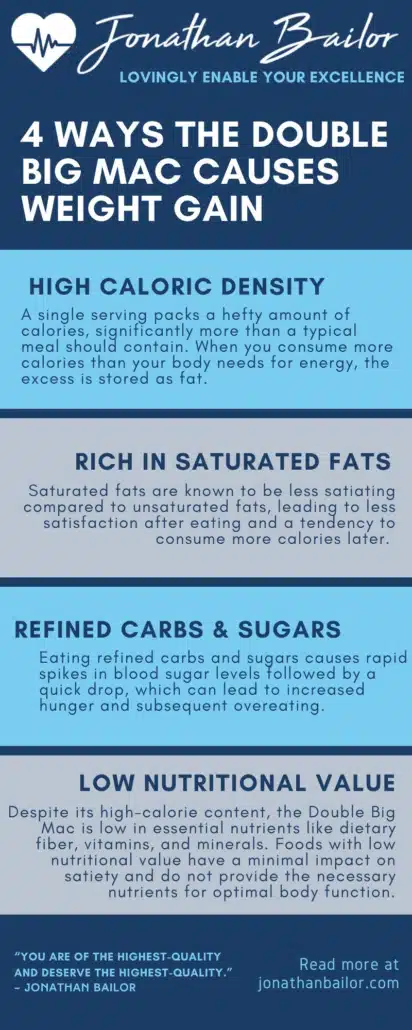
7. Coconut Oil

Medium-chain triglycerides in coconut oil are unique fats that aid in boosting metabolism and providing a quick energy source. Coconut oil can support thyroid health and help balance blood sugar levels, making it a valuable addition to a hormone-balancing diet.

8. Spinach

Spinach is a leafy green high in magnesium and iron, vital for maintaining hormonal balance. It’s also rich in vitamin E, which can help alleviate PMS symptoms and support overall reproductive health.

9. Seaweed

Seaweed is a rich source of iodine, a critical nutrient for thyroid hormone production. Regular consumption can support thyroid health, which is crucial for metabolism, energy levels, and overall hormonal balance.

10. Blueberries

Blueberries are high in antioxidants, which can help reduce inflammation and oxidative stress, factors that can disrupt hormonal balance. They also have a low glycemic index, making them an ideal choice for maintaining healthy blood sugar levels.

11. Pomegranates

Revered as a symbol of health, pomegranates are potent in phytochemicals that mimic estrogen. They can be instrumental in balancing hormones, especially during menopausal transitions. Pomegranates also contribute to heart health and are rich in antioxidants, which protect the body from cellular damage.

12. Chia Seeds

These tiny seeds are a nutritional powerhouse, rich in omega-3 fatty acids essential for hormone synthesis and inflammation reduction. Chia seeds also offer a high fiber content, promoting digestive health, a key component in hormonal regulation. Their ability to absorb water and form a gel-like substance can aid in maintaining a feeling of fullness, supporting weight management, a factor often linked to hormonal balance.

Incorporating these 12 foods into your diet can significantly influence your hormonal health. Each food brings its own unique blend of nutrients, working in concert to create a harmonious hormonal environment. Remember, achieving hormonal balance is not about a single food or quick fix; it’s about consistently choosing foods that nurture and support your body’s needs.

Foods to Balance Hormones Part 2 - Jonathan Bailor

6 Food Categories that Can Lead to Hormonal Imbalances

Navigating the path to a healthy hormonal system requires not just adding beneficial foods to our diet but also being aware of those that can cause a hormone imbalance. Certain food categories, often ingrained in our daily consumption, can subtly or significantly disrupt our hormonal equilibrium. This understanding is crucial, especially for mature women who are more susceptible to hormonal fluctuations.

This list will explore six types of foods known for their potential to cause hormonal imbalances. These foods don’t just impact our diet; they can alter the delicate hormonal dance within our bodies, leading to various health challenges.

1. Refined Sugars

Refined sugars are notorious for causing spikes in insulin, a hormone critical for regulating blood sugar levels. Frequent consumption of foods high in refined sugars can lead to insulin resistance, a precursor to several hormonal disorders, including type 2 diabetes and PCOS (Polycystic Ovary Syndrome).

Insulin imbalances can also disrupt other hormones, such as cortisol and estrogen, leading to a cascade of hormonal issues. Reducing the intake of refined sugars and opting for natural sweeteners can significantly improve hormonal health.

2. Processed Foods

Laden with artificial additives, preservatives, and unhealthy fats, processed foods can wreak havoc on hormonal balance. They often contain trans fats, which have been linked to increased inflammation and insulin resistance. These foods can also contain hidden sugars and salt, contributing further to hormonal imbalances.

Regularly consuming processed foods can also disrupt gut health, essential for proper hormone regulation.

High-Caffeine Beverages

While a moderate caffeine intake can be part of a healthy diet, excessive consumption of high-caffeine beverages like certain coffees and energy drinks can stress the adrenal glands. This can lead to fluctuations in stress hormones, particularly cortisol. Elevated cortisol levels over time can disrupt sleep patterns, increase blood sugar levels, and even lead to weight gain.

For hormonal health, it’s advisable to moderate caffeine intake and consider alternatives like herbal teas or decaffeinated beverages.

Soy Products

Soy contains phytoestrogens, plant-based compounds that mimic estrogen in the body. While they can be beneficial in some contexts, excessive consumption of soy products can lead to estrogen dominance, potentially disrupting the hormonal balance. This is particularly crucial for women in their menopausal years, as their natural estrogen levels are changing.

It’s advisable to consume soy in moderation and opt for fermented soy products, which are typically easier to digest and less likely to affect hormone levels.

Dairy Products

Dairy products, especially those from cows treated with growth hormones, can impact hormonal health. These products may contain high levels of estrogen and other hormones, which can contribute to hormonal imbalances in the body. This is especially pertinent for women in their 40s and 50s who are already experiencing natural hormonal shifts.

Consuming dairy in moderation or choosing organic and hormone-free dairy products can help maintain a healthier hormonal balance.

Alcohol

Regular and excessive consumption of alcohol can have a significant impact on hormonal balance. Alcohol can affect the liver’s ability to metabolize hormones, leading to an accumulation of estrogen and other hormones in the body. This can disrupt the delicate hormonal equilibrium, especially in women already experiencing natural hormonal shifts.

Also, alcohol can interfere with the functioning of the adrenal glands and thyroid, further contributing to hormonal imbalances. Limiting alcohol intake or choosing lower-alcohol options can aid in maintaining hormonal harmony.

By being mindful of these six food categories and their impact on hormonal health, you can take proactive steps to nurture your hormonal balance. This involves not only reducing the intake of these potentially disruptive foods but also focusing on a diet rich in whole, unprocessed foods that support hormonal health, such as fruits, vegetables, lean proteins, and healthy fats.

Food Categories that Promote Hormonal Issues - Jonathan Bailor

Understanding Hormone Health: Essential FAQs

1. How do dietary choices impact hormone health?

Diet significantly influences hormone balance. Foods high in refined sugars and processed ingredients can disrupt insulin levels, leading to potential hormonal imbalances. Conversely, a diet rich in whole foods like vegetables, fruits, lean proteins, and healthy fats supports balanced hormone levels. Including foods with omega-3 fatty acids, like fatty fish, can be particularly beneficial in maintaining hormonal equilibrium.

2. Can stress affect hormone balance?

Yes, stress plays a critical role in hormonal health. Chronic stress can lead to elevated cortisol levels, the body’s primary stress hormone. This can disrupt other hormonal functions, including reproductive hormones, thyroid hormones, and sleep-regulating hormones like melatonin. Managing stress through techniques like mindfulness, adequate sleep, and regular physical activity is essential for maintaining hormonal balance.

3. What role does sleep play in hormone health?

Quality sleep is vital for hormonal balance. During sleep, the body regulates many hormones, including growth hormone, cortisol, and insulin. Poor sleep can disrupt these processes, leading to imbalances that affect appetite, metabolism, stress response, and even reproductive health. Prioritizing sleep and maintaining a regular sleep schedule is crucial for optimal hormone regulation.

4. How does physical activity influence hormones?

Regular physical activity positively affects hormone health. Exercise helps regulate insulin sensitivity, reduce cortisol levels, and boost endorphins, which are hormones that promote feelings of well-being. Also, activities like strength training can enhance the production of growth hormone and testosterone, which are important for muscle health and overall vitality.

5. Are there specific nutrients that support hormone health?

Certain nutrients are particularly beneficial for hormone health. These include omega-3 fatty acids, found in fatty fish, which can help regulate hormone production and reduce inflammation. Vitamins D and B complex, essential for hormone synthesis, are also crucial. Minerals like magnesium and zinc play roles in supporting thyroid function and reproductive health. Incorporating a diverse diet rich in these nutrients can significantly aid in maintaining hormonal balance.

Embracing Hormonal Harmony: A Closing Thought

hormone health can seem daunting, but understanding its key aspects empowers us to make informed decisions. We can support our body’s natural hormonal balance by embracing nutritious diets, managing stress, prioritizing sleep, and engaging in regular physical activity.

Share this enlightening journey with your friends and family. Spread the word on social media platforms and through email. Together, let’s build an informed, healthy, and thriving community, one step at a time, toward optimal hormonal health.

Feeling Better Is Priceless, That's Why We Don't Put A Price On It!

“It’s Like A Free and Medically Valid Version of Noom and Weight Watchers Online”

~ Dr. Doctor Matthew Oleshiak, MD

Click the 'LEARN MORE' button below for free lifetime access to the fast fix program developed by Jonathan and top Ivy League Medical Doctors

LEARN MORE

P.S. It's not a free trial. It's not part of the program for free. The entire program is free, forever, for real! No credit card needed.
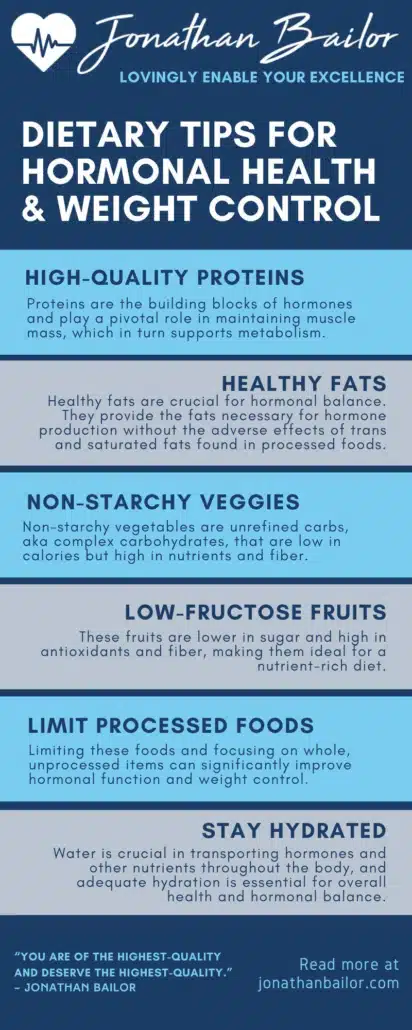
12 Morning Routines to Kickstart Your Metabolism in 2024

A New Year, a New YOU! Are you ready to boost your metabolism for more energy, less body fat, and a higher resting metabolic rate? Here are expert metabolic boosting and hormone health secrets from Jonathan Bailor to give you a jumpstart on 2024!

Waking up to a new day offers more than just a fresh start; it’s a golden opportunity to revitalize your metabolism. The first hours of your morning set the tone for the entire day, and embracing the right routines can transform how you feel and function. Understanding your body’s needs, especially as we embrace the wisdom that comes with age, is key to unlocking a day filled with energy and vitality.

These morning routines are not just about losing weight or getting a quick energy boost; they’re about nurturing your body and respecting its natural rhythm. They’re simple, effective, and, most importantly, they align with your body’s innate intelligence. Think of them as gentle yet powerful nudges that steer your metabolism toward efficiency and balance.

Why should these routines matter to you? Well, they’re not only easy to incorporate into your daily life but also have a ripple effect on your overall well-being. Imagine feeling more energized, less stressed, and ready to take on the day with a clear mind. This isn’t about rigorous exercises or strict diets; it’s about making small, sustainable changes that make a significant difference.

These morning habits are designed to be inclusive and adaptable. Whether you’re in the hustle of career building, managing a household, or enjoying the freedom of retirement, these practices fit seamlessly into your lifestyle. They don’t require special equipment or extensive knowledge of health and fitness. They’re straightforward, grounded in science, and, most importantly, effective.

As you explore these productive morning routines, remember that the journey to a healthier you is a personal one. What works wonders for one person might need a little tweaking for another. It’s all about listening to your body and finding what resonates with you. So, take these routines as starting points, and feel free to adjust them to suit your unique needs and preferences.

Sharing this journey can be incredibly rewarding. Imagine the conversations you could spark by sharing these tips with friends and family. Picture the sense of community and support you could build by exchanging experiences and ideas. This isn’t just about your journey; it’s about creating a wave of wellness that can inspire and uplift those around you.

So, as you sip your morning cup of tea or coffee, take a moment to explore these morning routines. They’re more than just steps; they’re the keys to unlocking a day filled with energy, balance, and a revitalized metabolism.

Energizing Mornings: 12 Routines to Jumpstart Your Metabolism

The way we start our mornings can significantly influence our metabolism throughout the day. A morning routine focusing on kickstarting our metabolic processes can lead to sustained energy levels, improved digestion, increased muscle mass, and a more balanced mood. From dietary habits to physical activities, the routines we adopt in the early hours play a important role in how our body processes and utilizes energy and can help with weight management.

Let’s explore 12 morning routines that are not only easy to implement but also highly effective in boosting metabolism.

1. Hydrate with Lemon Water

Beginning your day with a glass of warm lemon water is a simple yet powerful way to ignite your metabolism. The warmth of the water and the lemon’s natural acidity work together to kickstart your digestive system, encouraging an efficient metabolism. It aids in flushing out toxins and prepares your body for the day ahead.

To make it a habit, keep a pitcher of water and a few lemons ready in your kitchen every night so that it’s the first thing you see in the morning.

2. Sunlight Exposure

Exposing yourself to natural sunlight for 10-15 minutes every morning can have a profound effect on your metabolic rate. Sunlight helps regulate your circadian rhythm, which in turn influences your metabolism. It also boosts your vitamin D levels, which are essential for healthy metabolic function.

Try enjoying your morning coffee or tea near a sunny window, or take a brief walk outside to soak in the natural light.

3. Protein-Rich Breakfast

A breakfast rich in protein not only keeps you satiated but also boosts your metabolism. Protein has a high thermic effect, meaning your body uses significantly more energy (calories) digesting protein than other macronutrients. Eating breakfast with eggs, Greek yogurt, or a protein smoothie is an excellent way to start.

Prep ingredients the night before to streamline your morning routine.

4. Morning Stretching or Yoga

Gentle stretching or a yoga session in the morning can stimulate blood flow and awaken your muscles. This increased circulation can boost metabolism by delivering oxygen more efficiently throughout your body.

Lay your yoga mat out the night before as a reminder to practice in the morning.

5. Green Tea

Swap your morning coffee with a cup of green tea. Green tea contains catechins, which can enhance your metabolic rate, eventually leading to weight loss. It also provides a gentle caffeine boost without the jitters often associated with coffee. This is an excellent benefit if you are not a morning person.

Keep a selection of green tea bags easily accessible in your kitchen to establish this healthy habit.

6. Mindful Breathing Exercises

Practicing mindful breathing for a few minutes each morning can reduce stress, which in turn supports metabolic health. Stress can lead to hormonal imbalances that slow down metabolism. By starting your day with deep, mindful breathing, you set a calm, balanced tone for the day.

Incorporate this into your morning by setting aside a few minutes after waking up, perhaps while your tea is steeping.

Morning Routines to Kickstart Your Metabolism - Jonathan Bailor

Feeling Better Is Priceless, That's Why We Don't Put A Price On It!

“It’s Like A Free and Medically Valid Version of Noom and Weight Watchers Online”

~ Dr. Doctor Matthew Oleshiak, MD

Click the 'LEARN MORE' button below for free lifetime access to the fast fix program developed by Jonathan and top Ivy League Medical Doctors

LEARN MORE

P.S. It's not a free trial. It's not part of the program for free. The entire program is free, forever, for real! No credit card needed.
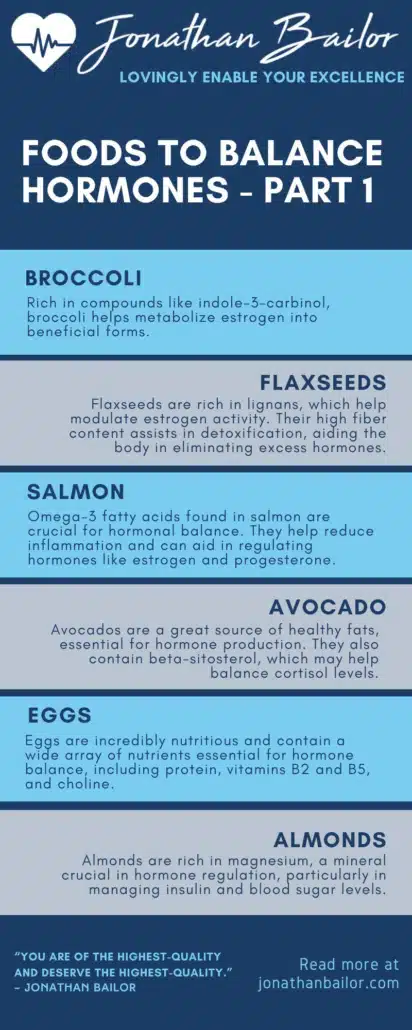
7. Cold Shower

Though it may sound daunting, ending your morning shower with a burst of cold water can jumpstart your metabolism and burn fat. The cold temperature forces your body to work harder to maintain its core temperature, thus burning more calories.

Start with just a few seconds and gradually increase the duration to make this more manageable.

8. Nutrient-Dense Smoothie

A morning smoothie packed with fruits, vegetables, and a source of protein can be a metabolic major shift. It’s an easy way to consume essential nutrients that support metabolic health.

Prepare and portion out your smoothie ingredients in advance to save time in the morning.

9. Morning Walk or Jog

A brisk morning walk or jog can help boost your metabolism by accelerating your heart rate and increasing circulation. This activity sets a higher metabolic pace for the day, helping you lose weight in the long run.

Lay out your walking or jogging attire the night before as a motivational cue.

10. Strength Training

A morning workout routine that incorporates a brief strength or resistance training session can have long-lasting effects on your metabolism. Muscle tissue burns more calories than fat, even at rest.

Keep your weights or resistance bands in a visible spot to remind you to include strength training in your morning routine.

11. Mindful Eating

Taking the time to eat your breakfast mindfully can help you digest food and aid metabolic function. Slow, attentive eating allows for better digestion and nutrient absorption.

Try to create a calm eating environment free from distractions like television or smartphones.

12. Journaling or Goal Setting

Starting your day with a few minutes of journaling or goal-setting can positively impact your mental health, which is closely linked to metabolic health. A positive mindset can reduce stress and its adverse effects on metabolism.

Keep a journal by your bedside to make this a regular part of your morning.

Each of these routines, when practiced consistently, can lead to a more efficient and effective metabolism. Remember, it’s about finding what works best for you and making small, incremental changes that lead to a healthier, more vibrant lifestyle.

Hormone Health FAQ: Understanding the Essentials

Navigating the complex world of hormone health can often feel overwhelming. Hormones play a crucial role in regulating various bodily functions, and maintaining their balance is key to overall well-being. This FAQ addresses some common queries about hormone health, providing clear and helpful insights.

Q1: What are the most important hormones for overall health?

Hormones like insulin, cortisol, thyroid hormones, estrogen, progesterone, and testosterone are vital for overall health. Insulin regulates blood sugar levels, cortisol manages stress responses, thyroid hormones control metabolism, and sex hormones like estrogen, progesterone, and testosterone are crucial for reproductive health and also impact mood, energy levels, and bone health. An imbalance in any of these hormones can lead to a variety of health issues.

Q2: How can diet affect hormone health?

Diet plays a significant role in hormone health. Foods high in refined sugars and processed ingredients can disrupt insulin levels, leading to issues like insulin resistance. A diet rich in fruits, vegetables, lean proteins, and healthy fats can support balanced hormone levels.

For instance, omega-3 fatty acids found in fish can help regulate hormone production, and fiber-rich foods can assist in maintaining a healthy estrogen balance.

Q3: Can lifestyle changes improve hormone health?

Absolutely. Regular physical activity, getting a good night’s sleep, stress reduction, and maintaining a healthy weight are key lifestyle factors that can positively influence hormone health. Exercise can help regulate hormones like insulin and cortisol, while sufficient sleep is crucial for the proper functioning of hormones such as growth hormone.

Managing stress through relaxation techniques can keep cortisol levels in check.

LIfestyle Tweaks that Can Improve Hormone Health - Jonathan Bailor

Q4: Are there symptoms that indicate a hormone imbalance?

Yes, symptoms of hormone imbalance can vary depending on which hormones are affected. Common indicators include unexplained weight gain or loss, fatigue, mood swings, changes in appetite, trouble sleeping, skin issues, and irregular menstrual cycles in women.

If you’re experiencing these symptoms, it’s advisable to consult a healthcare provider for a proper assessment.

Q5: How can one get their hormone levels checked?

Hormone levels can be checked through blood, saliva, or urine tests, as a healthcare professional recommends. These tests can help identify imbalances in hormones like thyroid hormones, cortisol, estrogen, progesterone, and testosterone.

It’s important to discuss symptoms and concerns with a healthcare provider to determine the most appropriate testing method.

Understanding hormone health is a step towards better managing overall well-being. By being attentive to the body’s signals and making informed choices regarding diet, lifestyle, and healthcare, one can effectively support and maintain hormonal balance.

Embrace and Share the Journey to Wellness

In this exploration of morning routines, lifestyle changes, and dietary adjustments, we’ve uncovered practical and impactful ways to enhance our metabolic health.

These simple yet effective practices are more than just individual steps; they represent a journey toward a more balanced and vibrant life.

If you found value in these insights, consider sharing them with friends and family. Spread wellness by sharing on social media platforms or through email. Let’s create a community of health enthusiasts, supporting and inspiring each other on this path to better health and well-being.

Feeling Better Is Priceless, That's Why We Don't Put A Price On It!

“It’s Like A Free and Medically Valid Version of Noom and Weight Watchers Online”

~ Dr. Doctor Matthew Oleshiak, MD

Click the 'LEARN MORE' button below for free lifetime access to the fast fix program developed by Jonathan and top Ivy League Medical Doctors

LEARN MORE

P.S. It's not a free trial. It's not part of the program for free. The entire program is free, forever, for real! No credit card needed.