Gut Health

21 Natural Remedies for Soothing an Upset Stomach

Short answer: the right remedy for an upset stomach depends entirely on what is causing it. Indigestion needs something very different from food poisoning, and a stress stomach needs something different from a stomach flu. Match the cause to the fix and you will usually feel better in hours instead of days. Match the wrong remedy to the wrong cause and you can make it worse.

I’ve spent the better part of two decades reading digestive science for a living, and the thing that bothers me about most “21 remedies for an upset stomach” articles is that they treat the stomach like it has one problem. It doesn’t. The phrase “upset stomach” covers at least seven different conditions, and the remedies that calm one of them can aggravate another. Ginger is wonderful for nausea from anxiety or mild indigestion. It is useless against food poisoning. The BRAT diet has a place after a stomach bug. It is the wrong move for a reflux flare.

So instead of a list of 21 things, here is the honest, cause-first version. Figure out which category you are in, then use the remedies that actually fit.

Step One: Identify the Cause

Before you reach for anything in the kitchen, run a 30 second triage on yourself.

  • Came on fast, within 1 to 6 hours of a specific meal, with vomiting or diarrhea: likely food poisoning.
  • Came on with a household member sick, body aches, fever, watery diarrhea: likely viral gastroenteritis (stomach flu).
  • Burning or gnawing in your upper belly after eating, with belching or early fullness: likely indigestion or functional dyspepsia.
  • Cramping, bloating, gas, alternating constipation and loose stool, worse with stress: likely an IBS flare.
  • Tightness in the upper stomach that shows up before a big event, with no food trigger: likely anxiety driven.
  • Burning that climbs up your chest, worse lying down, sour taste: likely acid reflux.
  • Started within days of a new medication (NSAIDs, antibiotics, iron, metformin): likely a medication side effect.

Got a category? Good. Now let’s match the fix.

Cause 1: Indigestion (Functional Dyspepsia)

Indigestion is the upper abdominal discomfort you feel after eating too much, too fast, or too rich. The Mayo Clinic describes functional dyspepsia as a burning or gnawing sensation in the upper belly, bloating, early fullness, and belching. It is the most common version of what people call an upset stomach, and it is almost always fixable at home.

What actually helps

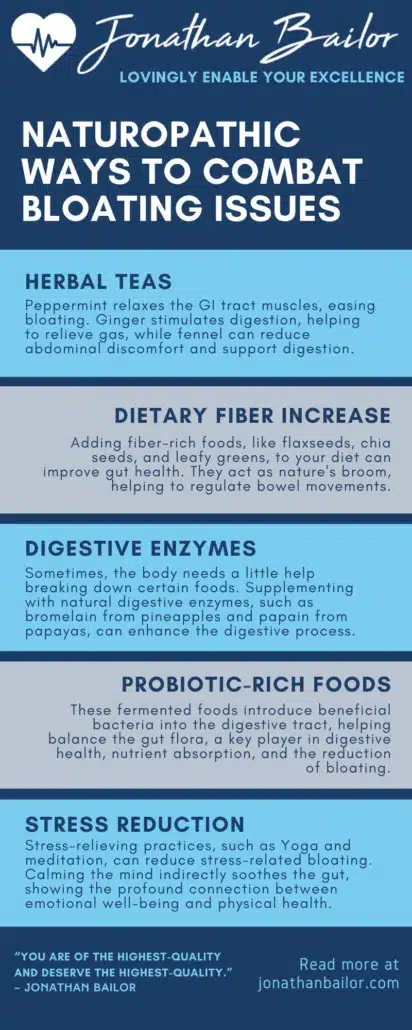
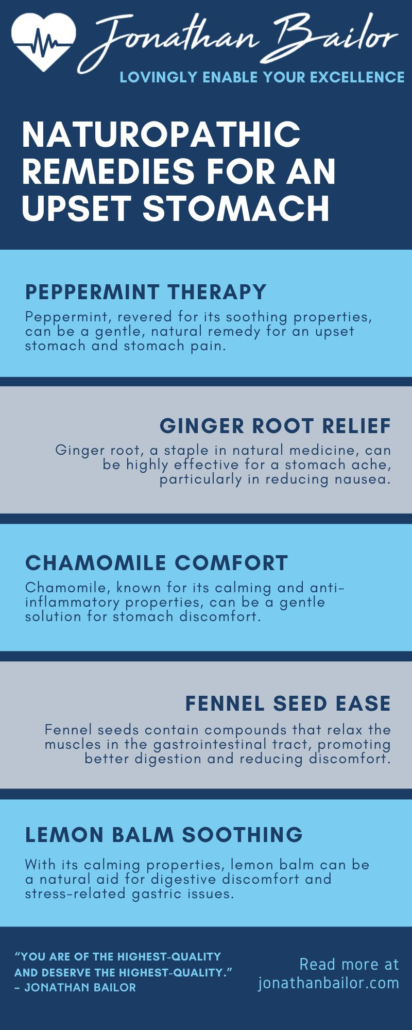
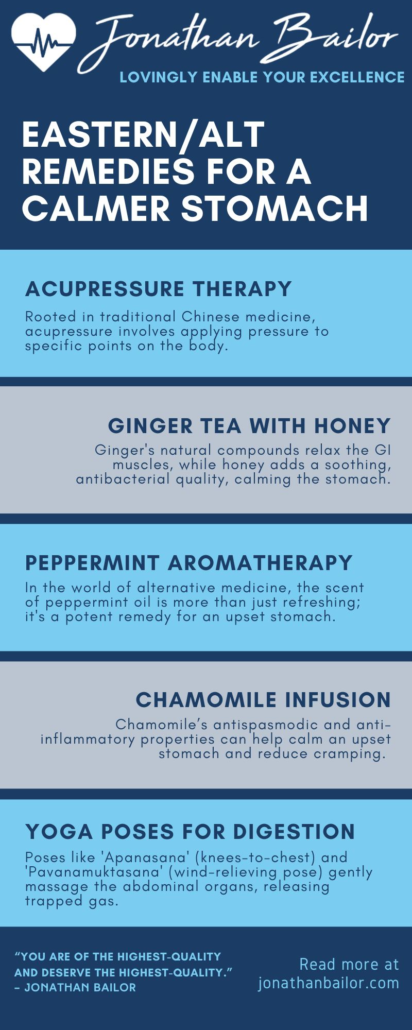
  • Ginger. Real ginger, not candy. Grate half an inch of fresh root into hot water, steep for ten minutes, drink it slowly. A systematic review of randomized ginger trials found ginger outperformed placebo for nausea across multiple conditions, including post-meal queasiness and motion sickness.
  • Peppermint tea. Relaxes smooth muscle in the upper GI and speeds gastric emptying. Skip it if you also have reflux, because it relaxes the lower esophageal sphincter.
  • Walk for 15 minutes. Light walking after a heavy meal is one of the most reliably effective, least sexy remedies in the digestive literature. It speeds gastric emptying and reduces bloating.
  • Stop eating for two hours. Most indigestion resolves faster if you give the stomach nothing new to process.
  • Warm water with a teaspoon of apple cider vinegar. Counterintuitive, but many people with low stomach acid (common over age 40) feel better, not worse, with a mild acid bump at the start of a meal.

What to avoid

Skip the antacid reflex. If your indigestion comes from low acid rather than high acid, which is more common than most people realize, an antacid can make the problem last longer. Try the food and movement fixes first.

Cause 2: Viral Gastroenteritis (Stomach Flu)

This is the one that knocks you flat. Vomiting, watery diarrhea, body aches, sometimes low-grade fever. It is viral, it runs its course in 1 to 3 days, and there is no medicine that kills it. The entire treatment is protecting you from dehydration while your immune system does the work. NIDDK’s treatment guidance for viral gastroenteritis is clear on this: replace fluids and electrolytes, avoid antibiotics, and watch for signs of serious dehydration.

What actually helps

  • Oral rehydration solution. Pedialyte, Liquid IV, or a homemade version (1 liter water, 6 teaspoons sugar, half teaspoon salt). Plain water is not enough because you are losing sodium and potassium, not just fluid.
  • Sip, don’t gulp. Two tablespoons every 10 minutes for the first hour. Gulping triggers more vomiting.
  • Bland foods once vomiting stops. Bananas, rice, applesauce, toast, plain crackers, boiled potatoes. The BRAT diet gets dismissed in modern pediatrics because it is too restrictive for days-long recovery, but for the first 24 hours it is still a sensible reintroduction plan. Cleveland Clinic’s write-up on the BRAT diet makes that distinction explicit.
  • Rest. Your body is running a fever and losing fluid. Horizontal time is not optional.

When to call a doctor

Go in if you see blood in vomit or stool, a fever over 102, vomiting that lasts more than 48 hours, signs of dehydration (dark urine, dizziness on standing, dry mouth, no tears in children), or symptoms in a very young child, elderly adult, or immunocompromised person.

Cause 3: Food Poisoning

Food poisoning feels like gastroenteritis with worse timing. It hits 1 to 6 hours after a specific meal (often earlier with staph, later with salmonella or E. coli) and the symptoms are more violent. The treatment is similar to stomach flu, but the cause is bacterial toxin rather than viral replication, so the body’s goal is to clear what is in the gut, not hold onto it.

What actually helps

  • Let it run. This is the single most important rule with food poisoning. Do not take Imodium in the first 24 hours. You want the toxin out, not trapped.
  • Rehydrate aggressively. Same oral rehydration strategy as above.
  • Activated charcoal, within the first 1 to 2 hours only. Binds some toxins. Useless after that window.
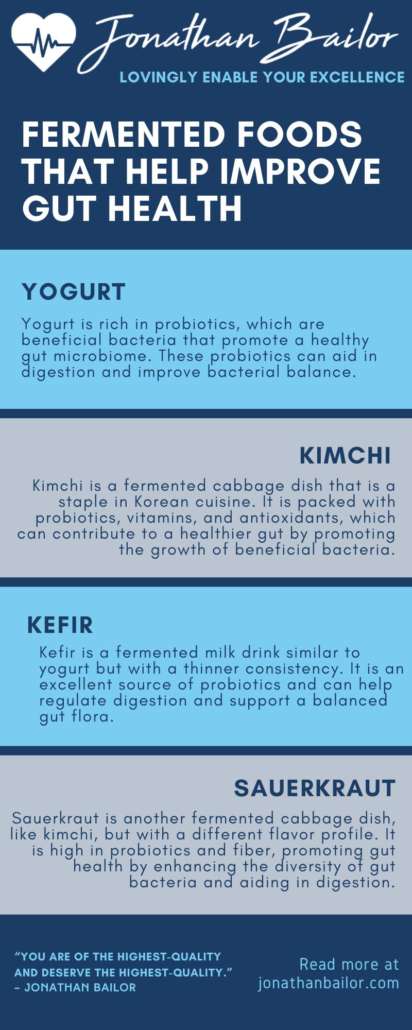
  • Probiotic-rich foods after you can tolerate eating. Plain kefir, sauerkraut juice, plain yogurt with live cultures. Helps the gut flora bounce back faster.

If symptoms last beyond 48 hours, get tested. Some bacterial food poisoning (Shigella, Campylobacter, severe Salmonella) needs targeted antibiotics, and home remedies will not resolve it.

Cause 4: IBS Flare

If your upset stomach is recurring, shows a pattern with stress, and alternates between constipation and loose stool with cramping and gas, you are probably dealing with irritable bowel syndrome rather than an acute event. IBS responds to completely different tools than a stomach flu.

What actually helps

  • Peppermint oil capsules (enteric-coated). One of the few herbal remedies with strong clinical evidence for IBS cramping. The enteric coating matters because it delivers the oil to the small intestine rather than the stomach, where it would worsen reflux.
  • Low-FODMAP eating for 2 to 6 weeks. Reduces fermentable carbohydrates that feed gas-producing bacteria. Not forever, just long enough to calm a flare.
  • Soluble fiber (psyllium, oats, chia). Helps with both diarrhea and constipation types of IBS.
  • Heat on the belly. A warm pack or hot water bottle quiets visceral pain signals measurably.
  • Addressing the gut-brain axis. IBS is downstream of a dysregulated nervous system as much as a dysregulated gut. Diaphragmatic breathing, sleep, and stress reduction are not soft advice here. They are the treatment. If you want the deeper picture of how the gut drives these patterns, I’ve written about it at length on the gut health section of this site.

When readers ask me where to find independent, evidence-based reviews of the supplements that target gut motility and microbiome repair, I point them to the Consumer Health Guide gut health reviews, which my editorial team publishes independently of any manufacturer.

Cause 5: Anxiety Stomach

The stomach has more nerve endings per square inch than almost any organ outside the brain. When your sympathetic nervous system lights up, digestion stops, acid production shifts, and the gut wall tightens. That is not “in your head.” It is a physiological cascade that produces real pain, real nausea, and real bathroom urgency.

What actually helps

  • Box breathing. Four seconds in, four hold, four out, four hold. Run it for five minutes. This is the fastest way to shift from sympathetic to parasympathetic, and parasympathetic is the state where digestion works.
  • Cold water on the face. Triggers the mammalian dive reflex, which drops heart rate and calms the vagus nerve within 30 seconds.
  • Walking outside, not scrolling inside. Light movement plus natural light resets the stress response in a way that sitting with your phone does not.
  • Chamomile tea. Mild sedative, mild anti-inflammatory, warmth on the vagus nerve. Works surprisingly well for the upper belly knot of anxiety.
  • Stop caffeine for the day. Caffeine is a direct sympathetic stimulant. You cannot out-breathe it.

Cause 6: Acid Reflux

Reflux stomach feels different. It burns upward rather than sitting heavy. It is worse after eating, worse lying down, and often comes with a sour taste or throat clearing. The cause is stomach contents traveling where they do not belong, and the remedies that help indigestion can make reflux worse.

What actually helps

  • Stop eating three hours before bed. Single highest-ROI intervention in the reflux literature.
  • Raise the head of your bed 6 to 8 inches. Wedge pillow or bed risers. Gravity is free.
  • Smaller meals, more often. Reduces gastric pressure against the lower esophageal sphincter.
  • Chewing gum after meals. Increases saliva, which is alkaline, and helps clear acid from the esophagus.
  • Cut the obvious triggers. Chocolate, mint, alcohol, coffee on empty stomach, tomato sauce, citrus, and high-fat fried food. Not forever. Just until the tissue heals.

What to avoid

Peppermint tea and lying down after meals. Both make reflux worse even though they help indigestion.

Cause 7: Medication Side Effect

If your stomach trouble started within days or weeks of a new prescription, look there first. NSAIDs (ibuprofen, naproxen) irritate the stomach lining directly. Antibiotics wipe out beneficial gut flora and cause diarrhea or yeast overgrowth. Iron supplements cause nausea and constipation. Metformin causes bloating and loose stool, especially in the first month. SSRIs cause nausea in the first two weeks.

What actually helps

  • Take NSAIDs with food, never on an empty stomach. Or switch to acetaminophen if the indication allows.
  • Pair antibiotics with a probiotic. Take the probiotic at a different time of day (3 to 4 hours apart) so the antibiotic does not kill it.
  • Take iron with vitamin C and food. Ferrous bisglycinate is gentler than ferrous sulfate for most people.
  • Talk to your prescriber. Many GI side effects can be managed by dose splitting, switching formulations, or changing timing. Do not stop a prescribed medication without asking.

When to Stop Home Remedies and See a Doctor

Home remedies handle most upset stomachs, but some patterns need medical eyes. Go in if you have:

  • Severe or worsening abdominal pain, especially concentrated in the lower right (appendicitis) or upper right (gallbladder)
  • Blood in vomit or stool, or black tarry stool
  • Vomiting that lasts more than 48 hours
  • Fever over 102 degrees
  • Signs of dehydration (dark urine, dizziness on standing, dry mouth, reduced urination)
  • Unintentional weight loss alongside GI symptoms
  • Symptoms in infants, elderly adults, pregnant women, or immunocompromised people
  • Any upset stomach that has lasted more than two weeks

Frequently Asked Questions

What is the fastest remedy for an upset stomach?

There is no single fastest remedy because the answer depends on the cause. For simple indigestion, a 15 minute walk plus hot ginger tea works within an hour. For stomach flu, oral rehydration sipped slowly is the only fast-acting tool. For anxiety stomach, box breathing works in minutes. Match the remedy to the cause.

Is the BRAT diet still recommended?

It is still useful for the first 24 hours after a stomach bug to ease food back in, but it is no longer recommended as a multi-day eating plan because it lacks protein, fiber, and the nutrients your gut lining needs to repair. Use it as a bridge, not a diet.

Does ginger actually work?

Yes, for the right conditions. Ginger has good clinical evidence for nausea from pregnancy, motion sickness, post-operative recovery, and mild indigestion. It has no meaningful effect on diarrhea from food poisoning or on IBS cramping. Real ginger root beats ginger candy and ginger ale, which contain little active ingredient.

Can I take Imodium for food poisoning?

Not in the first 24 hours. Your body is clearing a toxin, and slowing that process can prolong the illness or push infection deeper. If diarrhea continues past 24 hours and you have no blood in stool and no high fever, then Imodium becomes reasonable for comfort.

Why does my stomach hurt when I am stressed?

The gut has its own nervous system (the enteric nervous system) that communicates directly with the brain via the vagus nerve. When you experience stress, that communication pathway shifts digestive motility, acid production, and pain perception. The physical sensation is real, not imagined, and it responds to breathing and vagal tone practices more reliably than to medication.

What foods calm an upset stomach the most?

Bland, low-fat, low-fiber foods during the acute phase: bananas, rice, applesauce, toast, plain boiled potatoes, crackers, broth, oatmeal. Add back probiotic foods (kefir, yogurt, sauerkraut) once the acute phase passes to rebuild the flora. Avoid dairy (except cultured), fat, spice, and caffeine until you feel normal.

How long should an upset stomach last?

Simple indigestion: a few hours. Anxiety stomach: under a day. Food poisoning: 12 to 48 hours. Viral gastroenteritis: 1 to 3 days. An IBS flare can last days to weeks depending on triggers. Anything past two weeks needs a doctor, regardless of cause.

The Bottom Line

An upset stomach is not one condition, so it does not have one cure. The work is 30 seconds of honest self-assessment, figuring out which of the seven categories you fall into, then using the two or three remedies that actually match. Ginger and a walk for indigestion. Oral rehydration and rest for a stomach bug. Peppermint oil and low-FODMAP eating for IBS. Breathing and cold water for anxiety. Different problems, different tools.

The reason most articles give you a list of 21 random remedies is that it is easier to write. It is not more useful to you. If your stomach troubles are recurring rather than one-off, the real conversation is about long-term gut function, not individual flare remedies. My editorial team’s independent reviews of gut-supporting supplements live at Consumer Health Guide’s gut health section, and they are a better starting place than guessing at the supplement aisle.

Jonathan Bailor, New York Times bestselling author of The Calorie Myth and The Setpoint Diet.
How Long for Gut to Heal After Quitting Alcohol?

Understanding “how long for gut to heal after quitting alcohol” is a important question, especially in the post-holiday season. In this gut health guide, Jonathan Bailor explores this question as well as explains alcohol’s effect on the gut and how to stop or at least curb alcohol intake.

Picture this: after a month of merry-making, indulging in the holiday spirit often goes hand-in-hand with a little extra indulgence in spirits of a different kind. Enter “Dry January” – a growing trend that sees many opting for an alcohol-free start to the new year. This pause in libations isn’t just a fad; it’s a step towards rejuvenating one’s overall health, starting with the gut.

Alcohol, while a staple in many holiday celebrations, doesn’t always sit well with our digestive system. Over time, it can throw off the delicate balance of our gut microbiome. But here’s the good news: giving it up, even temporarily, can initiate a remarkable healing process. The journey of the gut’s recovery from the effects of alcohol is both fascinating and crucial to understand. It goes beyond about abstaining; it’s about nurturing our body back to its optimum state.

Think of the gut as a garden that needs tending. Just like a garden overrun by weeds after a storm, our gut microbiome can become imbalanced after prolonged alcohol consumption. “Dry January” is like the springtime for this inner garden, offering a chance to bloom anew. But how long does this process take? And what exactly happens inside our body when we say no to the next glass of wine?

This article dives into these intriguing questions. It goes beyond a guide; it’s a journey through understanding our body’s remarkable ability to heal and thrive. Sharing this knowledge could be the key to unlocking a healthier lifestyle for someone close-a chance to show care and support for their well-being. So, as we explore the path to recovery post-alcohol, let’s remember that the journey to health is always worth sharing, especially with those we cherish.

Alcohol and Gut Health

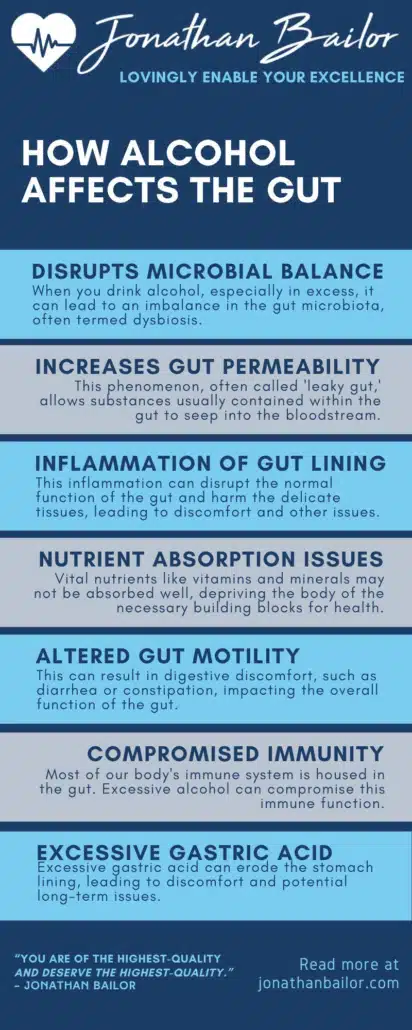
Before we discuss how long it takes the gut to heal after quitting alcohol, we must first examine how alcohol affects the gut. It’s like understanding the extent of repairs needed in a house before commencing the renovation work. Alcohol, while often a social lubricant, can act as a disruptor in the delicate ecosystem of our gut. Let’s walk through the varied ways excessive alcohol consumption can impact gut health and the gut microbiome.

1. Disruption of Microbial Balance

Think of the human gut microbiome as a bustling city, teeming with beneficial inhabitants that keep the system running smoothly. Excessive alcohol consumption is akin to an unruly disruptor in this metropolis. When you drink alcohol, especially in excess, it can lead to an imbalance in the gut microbiota, often termed dysbiosis. This disturbance means that harmful bacteria may flourish while beneficial ones dwindle, leading to a range of digestive issues. This means that your healthy gut bacteria may not produce enough short-chain fatty acids, among other compounds, necessary for health. Imagine a city where helpful citizens are outnumbered, leading to chaos; similarly, dysbiosis can cause havoc in the gut.

2. Increased Gut Permeability

The gut lining is a vigilant gatekeeper, deciding what enters our bloodstream. Alcohol can weaken this barrier, making it more permeable. This phenomenon, often called ‘leaky gut,’ allows substances usually contained within the gut to seep into the bloodstream. This infiltration can trigger an immune response, leading to inflammation, which is akin to a security breach in a protected system. Over time, this heightened state of alert can wear down the body’s defenses.

For those dealing with alcohol-induced gut permeability and obesity-related gut issues, healthcare providers may sometimes recommend weight loss drugs for compatible individuals as part of a broader strategy to improve metabolic health. Addressing excess weight can complement efforts to restore gut integrity.

3. Inflammation and Irritation

The lining of our gut is sensitive and reacts to what we consume. Excessive alcohol can irritate this lining, leading to inflammation, much like how constant exposure to loud noise can irritate our ears. This inflammation can disrupt the normal function of the gut and harm the delicate tissues, leading to discomfort and potentially more serious conditions. It’s as if our gut walls are under constant assault, leading to wear and tear.

4. Impaired Nutrient Absorption

Our gut is a critical player in nutrient absorption. Alcohol can impair this function, leading to nutrient deficiencies. It’s akin to a malfunctioning delivery system where essential supplies don’t reach their destination. Vital nutrients like vitamins and minerals may not be adequately absorbed, depriving the body of necessary building blocks for health and well-being. Imagine a city where food supplies are disrupted, leading to a scarcity of essentials; a similar scenario can unfold in our gut.

5. Altered Gut Motility

The movement of food through our digestive system, known as gut motility, can be impacted by excessive alcohol. This effect can lead to either accelerated or slowed-down gut movement, akin to traffic being unpredictably fast or slow in a city. This irregularity can result in digestive discomfort, such as diarrhea or constipation, impacting the overall health and functionality of the gut.

6. Compromised Immune Function

Most of our body’s immune system is housed in the gut. Excessive alcohol can compromise this immune function. It’s like weakening the defenses of a fortress. The body’s ability to fight off infections and maintain health is thus impaired, making it more susceptible to illnesses. It’s as if the guardians of our health are hindered, leaving the body’s defenses lowered.

7. Contribution to Gastric Acid Production

Finally, alcohol can stimulate the production of gastric acid in the stomach. While this acid is vital for digestion, in excess, it can lead to conditions like gastritis or peptic ulcers. Imagine a cleaning substance, useful in the right amount but corrosive if overused. Excessive gastric acid can erode the stomach lining, leading to discomfort and potential long-term issues.

Understanding these impacts is the first step in recognizing the importance of giving our gut a break from alcohol. It sets the stage for exploring the healing journey that lies ahead once we decide to reduce or eliminate alcohol from our routine.

How Alcohol Affects the Gut - Jonathan Bailor

Feeling Better Is Priceless, That's Why We Don't Put A Price On It!

“It’s Like A Free and Medically Valid Version of Noom and Weight Watchers Online”

~ Dr. Doctor Matthew Oleshiak, MD

Click the 'LEARN MORE' button below for free lifetime access to the fast fix program developed by Jonathan and top Ivy League Medical Doctors

LEARN MORE

P.S. It's not a free trial. It's not part of the program for free. The entire program is free, forever, for real! No credit card needed.

Health Consequences of Long-Term Alcohol Misuse: Beyond the Gut

When considering the long-term effects of alcohol dependence, also called alcohol use disorder, it’s crucial to understand the extensive range of health conditions and chronic diseases it can induce. These conditions extend beyond the gut, affecting various systems in the body. While alcohol’s impact on liver disease and cardiovascular health is widely recognized, it’s also important to highlight the specific bowel disorders and other diseases that can emerge from prolonged alcohol abuse. Let’s looks at these conditions, each revealing a facet of alcohol’s multifaceted impact on our health.

1. Irritable Bowel Syndrome (IBS)

Long-term alcohol consumption can exacerbate or even trigger Irritable Bowel Syndrome, a disorder characterized by a combination of symptoms like abdominal pain, bloating, constipation, and diarrhea. Alcohol can disrupt the normal function of the gastrointestinal tract, leading to altered gut motility and sensitivity. For individuals with IBS, alcohol can intensify symptoms, making management of the condition more challenging. It’s as if alcohol adds fuel to an already smoldering fire in the digestive system.

2. Inflammatory Bowel Diseases (IBD)

Conditions like Crohn’s disease and ulcerative colitis, which fall under the umbrella of inflammatory bowel disease, can be aggravated by chronic alcohol consumption. Alcohol can increase intestinal inflammation, exacerbate flare-ups, and even interfere with the effectiveness of medications used to treat these conditions. It’s akin to disrupting a delicate balance, where alcohol’s pro-inflammatory effects can trigger more severe and frequent bouts of IBD symptoms.

3. Gastritis and Peptic Ulcers

Chronic alcohol abuse is a well-known risk factor for gastritis and the development of peptic ulcers. Alcohol can irritate and erode the stomach’s protective lining, leading to inflammation (gastritis) or open sores (ulcers). This irritation can cause symptoms like abdominal pain, nausea, and vomiting. In severe cases, it can lead to complications like bleeding or perforation of the stomach or intestinal wall. It’s as if alcohol is slowly wearing down the protective barriers within the digestive tract.

4. Increased Cancer Risk

Prolonged alcohol use heightens the risk of various cancers, particularly those along the digestive tract, including the mouth, throat, esophagus, and colon. Alcohol acts as a carcinogen in these areas, potentially damaging cells and leading to cancerous changes. This risk is compounded by alcohol’s ability to impair the body’s natural defense mechanisms against cancer. It’s like a double-edged sword, where alcohol not only induces damage but also weakens the body’s ability to repair it.

Given this, addressing other modifiable risk factors, such as obesity, becomes even more crucial in reducing cancer risk. Managing obesity, a common risk factor for some cancers, may also involve the use of weight loss drugs for certain individuals. In such cases, reducing alcohol consumption, alongside weight management strategies, can lower the risk of digestive tract cancers and improve overall health outcomes.

5. Mental Health Disorders

The link between chronic alcohol abuse and mental health disorders like depression, anxiety, and increased stress is well-established. Alcohol can alter brain chemistry, affecting mood and cognitive function. For individuals with existing mental health issues, alcohol can exacerbate symptoms, creating a vicious cycle of worsening mental health and increased alcohol use.

6. Immune System Impairment

Regular excessive drinking episodes can weaken the immune system, increasing susceptibility to infections and slowing recovery from illnesses. Alcohol can impair the function of immune cells, making the body less capable of fighting off pathogens. This weakened state leaves the individual more prone to infections, including those that can affect the gut, like gastroenteritis.

7. Liver Disease

Chronic alcohol abuse is a leading cause of alcoholic liver disease, including fatty liver, alcoholic hepatitis, and cirrhosis. The liver, vital for detoxification and metabolism, becomes overwhelmed by excessive alcohol, leading to inflammation, scarring, and, eventually, liver failure. This progression is a stark reminder of alcohol’s toxic effects on one of the body’s crucial organs.

8. Cardiovascular Disease

While moderate alcohol consumption has been noted for potential heart benefits, heavy drinking can lead to cardiovascular problems. These include high blood pressure, cardiomyopathy, heart rhythm disorders, and increased risk of stroke. Alcohol can affect heart muscle, blood vessels, and blood pressure regulation, leading to a spectrum of heart-related issues. It’s as if the regulatory system for one of the body’s most vital organs, the heart, is thrown off balance, leading to a range of potentially serious conditions.

Understanding these health consequences highlights the importance of moderation in alcohol consumption or, in some cases, complete abstinence to preserve overall health and prevent the development or worsening of these conditions. It’s a call to action to mind our intake and listen to our body’s signals, prioritizing long-term well-being over short-term indulgence.

Health Risks of Long Term Misuse of Alcohol - Jonathan Bailor

So, How Long for Gut to Heal After Quitting Alcohol?

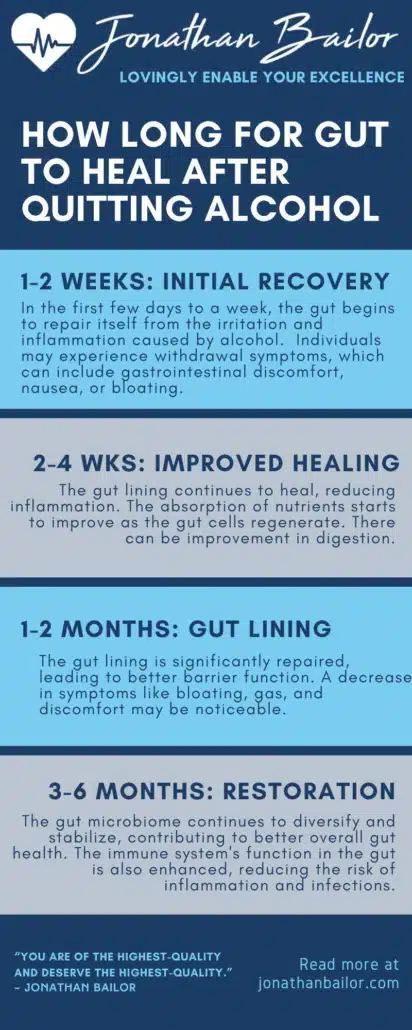
The time it takes for the gut to heal after quitting alcohol varies depending on the extent of damage and individual health factors. Generally, some improvement in gut health can be noticed as early as 2-4 weeks after abstaining from alcohol. This is when the gut begins to repair its lining and restore normal gut flora.

However, complete healing and restoration of optimal gut function can take several months to a year. Factors like overall health, diet, alcohol consumption history, and supportive therapies can influence the healing process. A balanced diet rich in fiber, probiotics, and hydration, along with medical guidance, can aid in this recovery.

How Long For Gut to Heal After Quitting Alcohol - Jonathan Bailor

Lifestyle Changes to Repair and Maintain Gut Health

In the journey of healing and maintaining gut health, especially after quitting alcohol, certain lifestyle changes can play a important role. Just as a garden flourishes with the right care and conditions, our gut health can significantly improve with specific, targeted lifestyle adjustments. These changes encompass not just our diet but also our overall approach to daily living. Let’s explore some of these key lifestyle modifications that can help repair the gut and foster long-term gut health.

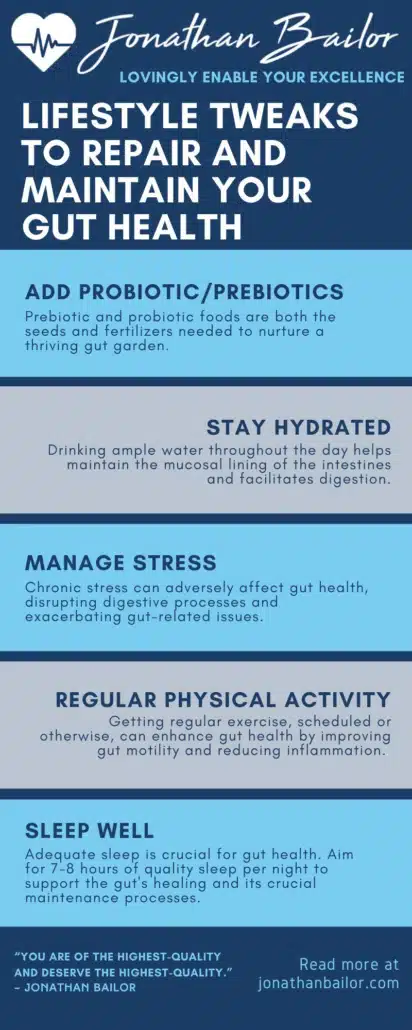
1. Incorporate Probiotic and Prebiotic Foods

Integrating probiotic-rich foods like yogurt, kefir, and fermented vegetables can introduce beneficial bacteria to the gut. These foods aid in restoring the balance of the gut microbiome. Also, consuming prebiotic foods such as garlic, onions, and leafy greens can provide the necessary nutrients to support the growth of these healthy bacteria. Think of these foods as both the seeds and fertilizer needed to nurture a thriving gut garden.

2. Stay Hydrated

Hydration plays a critical role in gut health. Drinking ample water throughout the day helps maintain the mucosal lining of the intestines and facilitates digestion. It’s like ensuring a steady flow of a nurturing river that keeps the gut ecosystem balanced and functional. Aim for at least eight glasses of water daily to support gut health and overall bodily functions.

3. Manage Stress

Chronic stress can adversely affect gut health, disrupting digestive processes and exacerbating gut-related issues. Incorporating stress-reduction techniques such as meditation, yoga, or even regular walks can help. These practices are akin to creating a peaceful environment that allows the gut to function without the disruptive interference of stress.

4. Regular Physical Activity

Regular exercise can enhance gut health by improving gut motility and reducing inflammation. Activities like brisk walking, cycling, or swimming for at least 30 minutes daily can significantly contribute to a healthier gut. It’s like setting a rhythm that keeps the gut machinery running smoothly and efficiently.

5. Sleep Well

Adequate sleep is crucial for gut health. Aim for 7-8 hours of quality sleep per night to support the gut’s healing and maintenance processes. During sleep, the body undergoes repair and rejuvenation, which includes the gut. It’s as if each night is an opportunity for the gut to undergo maintenance work.

Adopting these lifestyle changes can create a nurturing environment for the gut to heal and maintain health. It’s about building a routine that supports the gut’s natural processes, paving the way for improved overall well-being. Remember, the path to a healthier gut is a journey that encompasses more than just dietary changes; it’s a holistic approach to living.

Lifestyle Tweaks to Repair and Maintain Your Gut Health - Jonathan Bailor

Safe Approaches to Quitting Alcohol

Deciding to quit drinking alcohol is a commendable step towards better health. However, it’s important to approach this change safely, especially if alcohol has been a significant part of one’s lifestyle. Quitting alcohol can be challenging, and doing it safely is crucial to avoid potential health risks associated with sudden withdrawal. Here are some effective and safe strategies to consider when deciding to quit alcohol, focusing on a gradual and supported approach to this significant lifestyle change.

1. Gradual Reduction

Instead of an abrupt halt, gradually reducing alcohol intake can help minimize withdrawal symptoms. Start by cutting back on the number of alcoholic drinks per day or week, then progressively reduce the frequency and quantity further. This method allows the body to adjust slowly to the decrease in alcohol consumption, reducing the shock to the system.

2. Seek Professional Help

Consulting with a healthcare professional or an addiction specialist can provide guidance tailored to your specific needs. They can assess your drinking patterns and offer a structured plan for quitting, which may include therapy or medication to manage withdrawal symptoms. Professional support can offer a roadmap to handle alcohol cessation.

3. Join Support Groups

Participating in support groups like Alcoholics Anonymous (AA) or other community support groups can provide encouragement and advice from those who have gone through similar experiences. These groups offer a sense of community and accountability, crucial in maintaining sobriety.

4. Develop Healthy Habits

Replacing drinking with healthy activities can aid in the transition. Engaging in hobbies, exercise, or other interests can provide a positive outlet and help fill the time that was previously occupied by drinking. Regular physical activity, in particular, can improve mood and reduce the urge to drink.

5. Mindfulness and Stress Management

Learning stress management techniques such as mindfulness, meditation, or yoga can help in managing cravings and emotional triggers that lead to drinking. These practices can enhance mental clarity and emotional stability, aiding in the journey towards sobriety.

6. Create a Supportive Environment

Surrounding yourself with supportive friends and family members can make a significant difference. Informing them about your decision to quit drinking can help them understand how to support you better. Also, avoiding environments or social settings where alcohol is a central focus can reduce temptation and help maintain your commitment to not drinking.

Quitting alcohol is a personal journey, and it’s important to find the approach that works best for you. Each step taken towards sobriety, no matter how small, is a step towards a healthier and more fulfilling life. Remember, it’s not just about eliminating a habit; it’s about creating a new, healthier lifestyle.

Safe Ways to Quit Drinking Alcohol - Jonathan Bailor

Frequently Asked Questions About Gut Health

Gut health is vital to overall well-being, often sparking curiosity and questions about its maintenance and impact. Here are some frequently asked questions about gut health, answered with clarity and accuracy to enhance understanding and promote a healthier lifestyle.

What is the gut microbiome, and why is it important?

The gut microbiome refers to the vast community of microorganisms residing in our digestive system, including bacteria, fungi, and viruses. This microbiome is crucial in digestion, nutrient absorption, and immune function. A balanced gut microbiome supports efficient digestion, helps produce specific vitamins, and guards against harmful pathogens. An imbalance, however, can lead to digestive issues and has been linked to various health conditions, including obesity, diabetes, and even mental health disorders.

How can diet affect gut health?

Diet is a key factor in maintaining a healthy gut. Foods rich in fiber, such as fruits, vegetables, and legumes, support the growth of beneficial gut bacteria. Probiotic foods like yogurt and kefir introduce good bacteria, while prebiotic foods like garlic and onions provide the necessary nutrients to feed these bacteria. On the other hand, a diet high in processed foods, sugar, and saturated fats can disrupt the balance of the gut microbiome, leading to digestive issues and negatively impacting overall gut health.

Can stress affect gut health?

Yes, stress can have a significant impact on gut health. Stress can alter the balance of the gut microbiome, affect gut motility, and increase gut permeability, commonly referred to as a ‘leaky gut.’ This can lead to various digestive issues, including stomach upset, bloating, and changes in bowel habits. Managing stress through relaxation techniques, adequate sleep, and regular exercise can help maintain a healthy gut.

What are the common symptoms of an unhealthy gut?

Symptoms of an unhealthy gut can vary widely but often include bloating, gas, diarrhea, constipation, and abdominal pain. Other signs might include unintentional weight changes, sleep disturbances, fatigue, skin irritations, and food intolerances. If these symptoms are persistent, it is advisable to consult a healthcare professional for proper diagnosis and treatment.

How can I improve my gut health?

Improving gut health involves a combination of dietary changes, lifestyle modifications, and stress management. A fiber-rich diet, probiotics, and prebiotics can significantly enhance gut health. Staying hydrated, engaging in regular physical activity, and ensuring adequate sleep are also important. Also, managing stress through mindfulness practices, meditation, or yoga can positively affect gut health.

For those whose gut health is impacted by obesity, weight loss drugs might be considered for compatible individuals in conjunction with lifestyle changes. These medications, when appropriate, can support efforts to rebalance the gut microbiome and reduce strain on the digestive system.

Understanding gut health is crucial for maintaining overall well-being. By paying attention to diet, managing stress, and adopting a healthy lifestyle, one can significantly contribute to a healthier gut and a better quality of life.

Embracing a Healthier Future: Share the Knowledge

navigating the path to better gut health, understanding the impact of alcohol, and adopting healthier lifestyle choices are steps towards a more vibrant life. The journey to wellness is enriched when shared. If this piece has enlightened or inspired you, consider passing this knowledge to friends and family. Sharing on social media platforms or via email can spark a positive change in someone’s life. Together, let’s spread the word about the power of making informed health decisions and their significant effects on our well-being and that of our loved ones. Let’s embrace and share the journey to a healthier future.

Feeling Better Is Priceless, That's Why We Don't Put A Price On It!

“It’s Like A Free and Medically Valid Version of Noom and Weight Watchers Online”

~ Dr. Doctor Matthew Oleshiak, MD

Click the 'LEARN MORE' button below for free lifetime access to the fast fix program developed by Jonathan and top Ivy League Medical Doctors

LEARN MORE

P.S. It's not a free trial. It's not part of the program for free. The entire program is free, forever, for real! No credit card needed.

Revolutionizing Gut Health: The Postbiotic Breakthrough

The spotlight has often shone brightly on the combination of probiotics and prebiotics in the pursuit of optimal health. These two have been heralded as the heroes of gut health, promising to balance our digestive systems and enhance our overall well-being. But as the curtain rises on the latest act in the saga of gut health, a new star emerges on the horizon: postbiotics. Jonathan Bailor discusses the amazing benefits of postbiotics in this Gut Health Guide.

Postbiotics might sound like the newest members of a scientific health trend. Still, they represent a natural progression in understanding how the gut ecosystem works harmoniously with our bodies. This breakthrough isn’t just another stride in nutritional science; it’s a revolution in how we approach wellness from the inside out.

We’ve navigated the complex world of supplements and dietary advice for too long, often feeling overwhelmed by the dos and don’ts that seem to change with the seasons. But what if the key to unlocking a treasure trove of health benefits was already within us, waiting to be recognized for its full potential? Enter postbiotics: the significant compounds produced when the probiotics in our gut feast on the prebiotic fibers we consume.

What makes postbiotics so exciting isn’t just their role in gut health; it’s their ability to support our immune system, reduce inflammation, and even contribute to our mental well-being. This is not just about taking care of one part of our bodies; it’s about fostering a holistic environment where every aspect of our health can flourish.

As we explore the promise of postbiotics, let’s remember that this journey is about discovery and empowerment. It’s about uncovering the layers of complexity within our bodies and learning to nurture ourselves in the most natural and effective ways possible. This isn’t just science; it’s a personal journey towards a healthier, happier life.

So, as we stand on the brink of this postbiotic breakthrough, let’s embrace the opportunity to transform our health, armed with the knowledge that the future of wellness lies not in the latest fad or quick fix but in understanding and supporting the intricate systems that make us who we are. Share this journey with friends and family because health, the most profound changes come from the discoveries we make together.

What is a Postbiotic?

Amidst the bustling ecosystem of our gut, where probiotics and prebiotics have long held the stage, postbiotics emerge as proof of the body’s remarkable ability to generate its own health-enhancing compounds. These substances, produced when probiotics in our digestive system process prebiotic fibers, are the unsung heroes in the narrative of gut health. They embody the essence of transformation, turning dietary fibers into a plethora of benefits that extend far beyond the confines of our digestive tract.

Postbiotics encompass a diverse array of molecules, including short-chain fatty acids, which are important in nourishing the cells lining our gut, to antimicrobial peptides that fortify our defenses against harmful bacteria. Their role is multifaceted, offering not just support for our digestive health but also acting as a bridge to bolster our immune system, modulate inflammation, and even influence our mood. This synergy of benefits highlights the interconnectedness of our body’s systems.

Unraveling the Trio: Probiotics, Prebiotics, and Postbiotics

In the vibrant landscape of gut health, three key players work in concert to maintain the delicate balance of our digestive ecosystem. Each with its own unique role, probiotics, prebiotics, and postbiotics form a trifecta of gut health champions. Here’s a brief look at how each one contributes to our well-being:

Probiotics

These are live, beneficial bacteria that reside in our digestive tract, forming a crucial part of our microbiome. By enhancing the good bacteria in our gut, probiotics help in digestion, boost our immune system, and protect against harmful bacteria.

Prebiotics

As the fuel for probiotics, prebiotics are non-digestible fibers found in foods like garlic, onions, and bananas. They encourage the growth and activity of beneficial gut bacteria, facilitating a healthy digestive environment.

Postbiotics

The beneficial compounds are produced when probiotics break down prebiotic fibers. These include vital substances such as short-chain fatty acids, which profoundly impact gut health, immune function, and overall wellness.

Together, this trio underscores the complexity and interconnectedness of our gut health, each playing a important role in nurturing and sustaining our body’s internal ecosystem.

The Core of Wellness: Gut Health Benefits of Postbiotics

In the realm of gut health, postbiotics have emerged as important agents of harmony and health within our digestive ecosystem. They are not just by-products of the interaction between prebiotics and probiotics but are key contributors to the maintenance and enhancement of our gut health. Here, we explore the multifaceted benefits of postbiotics, focusing solely on their impact on the digestive system. Each benefit sheds light on how these potent compounds contribute to a strong and resilient gut, further affirming their role as essential elements in our journey toward optimal health.

Enhancing Barrier Integrity

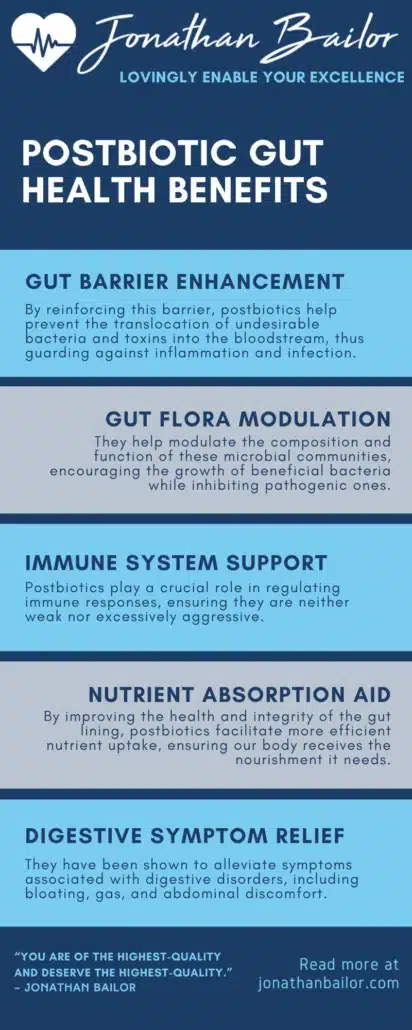
One of the most critical roles postbiotics play in gut health is strengthening the intestinal barrier. This barrier is our frontline defense against harmful substances and pathogens. By reinforcing this barrier, postbiotics help prevent the translocation of undesirable bacteria and toxins into the bloodstream, thus guarding against inflammation and infection. The integrity of this barrier is crucial for overall health, and postbiotics are instrumental in ensuring its robustness.

A strong intestinal barrier supports overall health and can be a cornerstone for managing weight and metabolism. For compatible individuals, weight loss drugs might be incorporated into a broader health strategy, addressing issues that could indirectly affect gut health.

Modulating Gut Flora

Postbiotics contribute significantly to the balance of our gut microbiome, the complex community of microorganisms in our digestive tract. They help modulate the composition and function of these microbial communities, encouraging the growth of beneficial bacteria while inhibiting pathogenic ones. This delicate balancing act is crucial for digestive health and function.

Supporting Immune Function

Within the gut lies a substantial portion of the body’s immune system, and postbiotics play a crucial role in its regulation. They help modulate immune responses. This regulation is vital for preventing autoimmune disorders and inflammatory conditions, such as Crohn’s disease and ulcerative colitis, within the gastrointestinal tract.

Promoting Nutrient Absorption

Postbiotics can enhance the gut’s ability to absorb essential nutrients, such as minerals and vitamins, from our diet. By improving the health and integrity of the gut lining, postbiotics facilitate more efficient nutrient uptake. This benefit is crucial for overall health, as nutrient absorption is fundamental to energy levels, immune function, and cellular repair processes.

Alleviating Symptoms of Digestive Disorders

For individuals experiencing digestive disorders such as irritable bowel syndrome (IBS) or inflammatory bowel disease (IBD), postbiotics offer a beacon of hope. They have been shown to alleviate symptoms associated with these conditions, including bloating, gas, and abdominal discomfort. By modulating the gut environment and immune response, postbiotics can help reduce inflammation and normalize bowel movements, offering relief to those suffering from chronic digestive issues.

Through these benefits, postbiotics underscore their indispensable role in the ecosystem of gut health. They not only contribute to the physical well-being of the digestive tract but also the balance and harmony of the microbiome and immune system residing within it. As we continue to uncover the depths of their impact, it becomes clear that postbiotics are foundational to the narrative of gut health, acting as custodians of our digestive wellness.

For certain individuals addressing weight management alongside gut health, weight loss drugs may occasionally be recommended. These should be considered under medical supervision to complement lifestyle and dietary adjustments aimed at improving gut health.”

Postbiotic Gut Health Benefits - Jonathan Bailor

Feeling Better Is Priceless, That's Why We Don't Put A Price On It!

“It’s Like A Free and Medically Valid Version of Noom and Weight Watchers Online”

~ Dr. Doctor Matthew Oleshiak, MD

Click the 'LEARN MORE' button below for free lifetime access to the fast fix program developed by Jonathan and top Ivy League Medical Doctors

LEARN MORE

P.S. It's not a free trial. It's not part of the program for free. The entire program is free, forever, for real! No credit card needed.

Beyond the Gut: The Broad Spectrum of Postbiotic Benefits

While the narrative around postbiotics often centers on their important role in gut health, their influence extends far beyond the confines of our digestive system. These potent compounds, born from the symbiotic relationship between prebiotics and probiotics, are key players in a range of bodily functions, contributing to our overall health and well-being. Here’s a glimpse into the wide-reaching effects of postbiotics on our health:

Postbiotics exert a profound impact on our immune system. Modulating immune responses, they help fortify our defenses against pathogens, reducing the likelihood of infections and bolstering our body’s ability to fight illness. Their role in immune health is proof of how our gut health is inextricably linked to our body’s overall resilience.

postbiotics have been shown to have anti-inflammatory properties, offering promise in mitigating chronic inflammation, a root cause of numerous health conditions, from heart disease to diabetes. This anti-inflammatory action underscores the potential of postbiotics to contribute to the prevention of chronic diseases.

Also, the influence of postbiotics extends to mental health, with emerging research suggesting their role in mood regulation and cognitive function. This connection between postbiotics and brain health highlights the profound impact our gut health can have on our mental well-being.

In summary, the benefits of postbiotics reach far and wide, offering promising implications for immune health, chronic disease prevention, and mental well-being, thus underscoring their significance in the broader context of holistic health maintenance.

Overall Health Benefits of Postbiotics - Jonathan Bailor

Nourishing the Gut: 6 Ways to Increase Postbiotics for Gut Health

In our quest for optimal gut health, understanding how to increase the presence of postbiotics in our digestive system naturally becomes a cornerstone of our wellness journey. Unlike grabbing a supplement off the shelf, fostering a gut environment rich in postbiotics involves nurturing a holistic dietary and lifestyle pattern that supports the symbiotic relationship between prebiotics, probiotics, and the resulting postbiotics. Here, we explore five natural strategies to enrich our gut with these beneficial compounds.

1. Diverse Plant-Based Diet

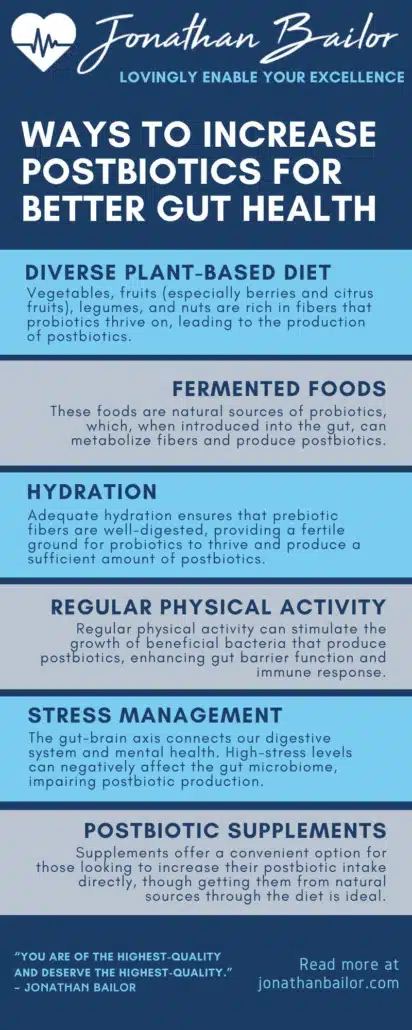
Incorporating a wide variety of plant-based foods into our diet is a foundational step toward increasing postbiotics in the gut. Vegetables, fruits (especially berries and citrus fruits), legumes, and nuts are rich in fibers that probiotics thrive on, leading to the production of postbiotics. Each plant brings its own unique type of fiber, supporting a diverse microbiome capable of producing a wide array of postbiotics. This diversity not only enriches our gut environment but also enhances the overall resilience and health of our digestive system. In fact, a plant-based diet has been shown to help prevent colon cancer.

2. Fermented Foods

Embracing fermented foods such as kimchi, sauerkraut, and fermented dairy alternatives can be a direct route to boosting postbiotic levels. These foods are natural sources of probiotics, which, when introduced into the gut, can metabolize fibers and produce postbiotics. Including fermented foods in our daily diet ensures a continuous supply of these beneficial bacteria, promoting a gut environment ripe for postbiotic production and maintaining a healthy digestive tract.

3. Hydration

Staying adequately hydrated is often overlooked in discussions about gut health. Water matters in the digestive process, facilitating the smooth transit of food through the gut and supporting the activities of both prebiotics and probiotics. Adequate hydration ensures that prebiotic fibers are well-digested, providing a fertile ground for probiotics to thrive and produce postbiotics. This simple yet effective habit is essential for optimizing the production of postbiotics and maintaining a healthy gut ecosystem.

4. Regular Physical Activity

Exercise profoundly impacts gut health, influencing the composition and activity of the gut microbiome. Regular physical activity can stimulate the growth of beneficial bacteria that produce postbiotics, enhancing gut barrier function and immune response. This relationship between exercise and gut health highlights the importance of incorporating regular movement into our routines, not just for our overall fitness but also for the vitality of our digestive system.

5. Stress Management

The gut-brain axis illustrates the interconnectedness between our digestive system and mental health. High-stress levels can negatively affect the gut microbiome, impairing the production of postbiotics. Implementing stress-reduction techniques such as meditation, yoga, or deep-breathing exercises can help maintain a balanced gut environment conducive to postbiotic production. By managing stress, we support not only our mental well-being but also create a nurturing environment for our gut health.

6. Postbiotic Supplements

Supplements offer a convenient option for those looking to increase their postbiotic intake directly. While incorporating natural sources through diet is ideal, high-quality postbiotic supplements can provide a targeted boost, especially for individuals seeking to address specific gut health concerns. However, because postbiotics are a relatively new concept in gut health, they are not as common as any probiotic supplement.

Look for supplements containing Tributryn, as this is the most absorbable form of butyrate, a postbiotic metabolite that offers the most gut health benefits. It’s important to choose supplements from reputable sources and consult with a healthcare provider to ensure they align with your health needs and goals.

By adopting these practices, we can naturally increase the presence of postbiotics in our gut, fostering a strong and healthy digestive system. These strategies, rooted in dietary choices, hydration, physical activity, and stress management, offer a holistic approach to gut health.

Ways to Increase Postbiotics for Better Gut Health - Jonathan Bailor

Gut Health Essentials: Your Questions Answered

In the journey towards understanding and nurturing our gut health, questions are as natural as the very process of digestion itself. With the complex interplay of diet, lifestyle, and the microbiome, it’s understandable to seek clarity on how best to support this foundational aspect of our well-being. Here are answers to five frequently asked questions about gut health, aiming to shed light on how you can foster a thriving digestive ecosystem.

1. Can changing my diet really improve my gut health?

Your diet matters in shaping the health of your gut. Incorporating a variety of plant-based foods rich in fiber can significantly boost the diversity and number of beneficial bacteria in your gut. These beneficial bacteria, in turn, produce postbiotics that support gut health and overall well-being. They can even help reduce IBD symptoms. Focusing on fresh, whole foods and minimizing processed foods can create a gut-friendly dietary pattern, promoting a balanced microbiome.

2. How important are probiotics for gut health?

Probiotics are essential for maintaining a healthy gut. They are live beneficial bacteria that, when ingested in adequate amounts, can offer health benefits, particularly for our digestive system. Probiotics help balance the gut microbiota, preventing the overgrowth of harmful bacteria. They can be found in fermented foods or supplements and are crucial in enhancing immune function, reducing inflammation, and supporting nutrient absorption.

3. Do I need to take supplements to have a healthy gut?

While supplements can be beneficial, especially for probiotics and specific vitamins, they are not always necessary for everyone. A well-balanced diet rich in fiber, plant-based foods, and fermented products can provide most of the nutrients and probiotics your gut needs. Before turning to supplements, consider adjusting your diet and lifestyle. However, in some cases, a healthcare professional may recommend supplements based on individual health needs and nutritional deficiencies.

For certain individuals, weight loss drugs may be explored to address underlying health concerns that impact gut health. These medications are not a standalone solution but can work alongside dietary changes and other interventions when medically appropriate.

4. Is there a connection between gut health and mood?

Yes, there’s a profound connection between the gut and the brain, often called the gut-brain axis. This bi-directional communication pathway means that the state of our gut can influence our mood and vice versa. Beneficial gut bacteria produce neurotransmitters, like serotonin, which play a role in mood regulation. Hence, a healthy gut can contribute to improved mood and mental health.

5. How quickly can I see improvements in my gut health after changing my diet?

Improvements in gut health can begin in as little as a few days to a couple of weeks after making dietary changes. The gut microbiome is highly responsive to the food we consume. By increasing your intake of fiber, fermented foods, and a wide array of plant-based foods, you can start to notice changes in digestion, reduced bloating, and a general feeling of well-being. Consistency is key, as sustained dietary habits contribute to long-term gut health.

Understanding gut health is a step towards empowering ourselves with the knowledge to make informed decisions about our diet and lifestyle. By nurturing our gut, we support our overall health, paving the way for a happier, healthier life.

Embracing Gut Health: A Journey to Share

As we conclude our exploration of gut health, it’s clear that the journey to wellness is not one we walk alone. The insights into postbiotics, along with the natural ways to support our digestive ecosystem, illuminate a path toward not just better health for ourselves but also for those we care about. Let’s take this knowledge beyond our own experience, sharing these revelations with friends and family through social media and email. By spreading the word, we foster a wellness community, encouraging others to embrace their gut health and discover its profound impact on overall well-being. Together, let’s cultivate a brighter, healthier future.

Feeling Better Is Priceless, That's Why We Don't Put A Price On It!

“It’s Like A Free and Medically Valid Version of Noom and Weight Watchers Online”

~ Dr. Doctor Matthew Oleshiak, MD

Click the 'LEARN MORE' button below for free lifetime access to the fast fix program developed by Jonathan and top Ivy League Medical Doctors

LEARN MORE

P.S. It's not a free trial. It's not part of the program for free. The entire program is free, forever, for real! No credit card needed.

Dry January: What are the Gut Health Benefits of Quitting Alcohol for a Month?

As the festive echoes of the holiday season fade, many of us find ourselves reflecting on our health and wellness, particularly after indulging in the merry, yet often excessive, holiday spirits. In this gut health guide, Jonathan Bailor discusses “Dry January” and why your participation can offer a host of gut health benefits.

The tradition of “Dry January” offers a timely opportunity to reset and focus on our well-being, especially in the realm of gut health, a cornerstone of overall wellness.

Imagine the month of January as a serene, rejuvenating retreat for your digestive system. The hustle and bustle of the holidays often brings a surge in alcohol consumption, which, while part of the festive spirit, can leave our guts feeling a bit overwhelmed. Alcohol, known for its impact on liver health, also plays a significant role in the balance and health of our gut flora. This connection, often overshadowed by the more immediate effects of alcohol, is crucial in understanding the profound impact of a month-long pause on drinking and alcohol abuse.

The concept of “Dry January” is not just about avoiding alcohol; it’s about embracing a period of healing and nurturing for your gut and other bodily organs. The gut, often referred to as the body’s “second brain,” matters in our overall health, influencing everything from mood to immunity. After the holiday season, which often includes a generous share of toasting and celebrations, giving your gut a chance to recuperate can have far-reaching benefits for your physical and emotional well-being.

Participating in “Dry January” is more than a trend; it’s a commitment to your body’s intricate systems that tirelessly work to keep you healthy. By taking this step to stop drinking, you are not only supporting your gut health but also setting a positive tone for the year ahead. It’s a gesture of gratitude to your body for its resilience and strength, especially after a season of indulgence.

As you embark on this journey of wellness, remember that the benefits of “Dry January” extend far beyond the month itself. It’s a chance to cultivate mindful habits, explore new non-alcoholic beverages, and, most importantly, listen to your body’s needs. This period of alcohol abstinence is not about restrictions; it’s about discovery, renewal, and embracing a healthier you.

The significant power of “Dry January” on gut health is a story worth sharing. It’s an experience that can inspire friends and family to consider their own health choices and perhaps join you in this journey. Sharing your experience can spark conversations, create a sense of community, and motivate others to explore the benefits of a break from alcohol.

As you navigate through “Dry January,” let’s raise a glass (of sparkling water, perhaps) to a healthier gut, a refreshed spirit, and a vibrant start to the new year!

Understanding Dry January: A Fresh Start for Health

“Dry January” is a health-focused movement that originated in the United Kingdom in 2013, pioneered by the charity Alcohol Change UK. It encourages individuals to quit drinking alcohol for the first month of the year, promoting a period of detoxification and reflection after the indulgences of the festive season. This month-long hiatus from alcoholic beverages offers a unique opportunity to reset both physically and mentally, providing a platform for individuals to evaluate their relationship with alcohol and its impact on their health. For those who are physically dependent on alcohol, it offers them a step toward sobriety.

The significance of Dry January lies in its timing; it follows a season typically marked by higher alcohol consumption due to holiday festivities. This makes January an ideal moment for individuals to pause and prioritize their health, setting the stage for healthier habits in the year ahead. The initiative has gained global momentum, resonating with people seeking a fresh start and a proactive approach to their well-being.

Embracing Dry January can lead to numerous health benefits, such as improved sleep, better hydration, weight management, and a strengthened immune system. More importantly, it offers a chance to experience life with clarity and renewed energy, free from the influence of alcohol.

By participating in Dry January, individuals embark on a journey of self-discovery and wellness, fostering a deeper understanding of the role alcohol plays in their lives and its long-term effects on their health.

Revitalizing Gut Health: The Transformative Power of a Month Without Alcohol

Embarking on a journey of abstinence from alcohol, even for just a month, can have a significant impact on our gut health.

The gut, a complex and vital system, plays a significant role in our overall well-being. It goes beyond about digestion; the gut influences everything from immunity to mood regulation. Alcohol, while socially ingrained in our culture, can be quite taxing on this intricate system. By taking a month-long hiatus from alcoholic beverages, we offer our gut a much-needed respite, allowing it to repair, rejuvenate, and regain its balance.

This period of healing and detoxification can lead to remarkable changes, not just in our gut health but in our overall physical and mental well-being. In some cases, certain individuals working towards better gut health and overall wellness may consider weight loss drugs as part of a broader health strategy. These should always be discussed with a healthcare provider to ensure they align with specific health goals and needs.

Here are ten specific gut health benefits of pausing alcohol consumption for a month:

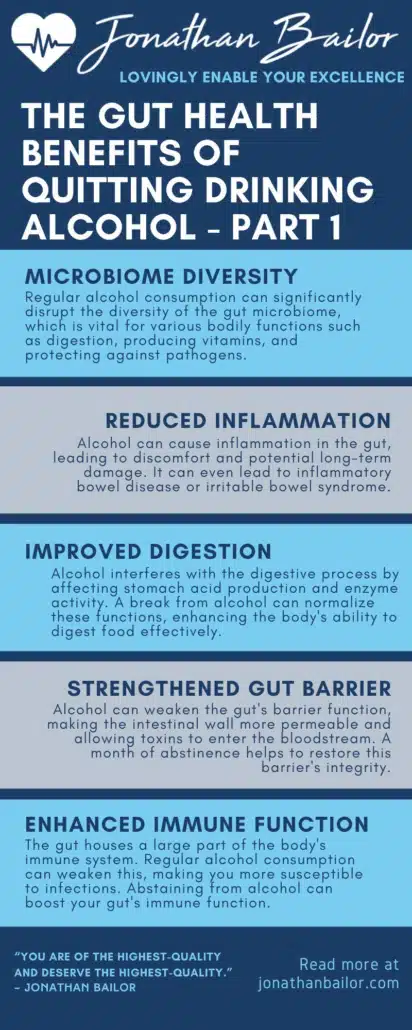
1. Enhanced Microbiome Diversity

Regular alcohol consumption can significantly disrupt the diversity of the gut microbiome, which is vital for various bodily functions such as digestion, producing vitamins, and protecting against pathogens. A month without alcohol gives the gut a chance to rebalance its microbial community.

This diversity is crucial for maintaining gut wall integrity, aiding digestion, and regulating the immune system. A richer microbiome also helps in breaking down food more efficiently and absorbing nutrients better, leading to improved overall health.

Achieving and maintaining a diverse microbiome is essential for overall health. For compatible individuals, weight loss drugs may complement efforts to improve gut health when lifestyle changes alone aren’t sufficient. These drugs, when medically appropriate, can support weight management and gut health together.

2. Reduced Inflammation

Alcohol can cause inflammation in the gut, leading to discomfort and potential long-term damage. It can even lead to inflammatory bowel disease or irritable bowel syndrome. By abstaining, you reduce the production of inflammatory markers and allow the gut lining to heal. This reduction in inflammation can alleviate common symptoms like bloating, gas, and abdominal pain.

a less inflamed gut is better at absorbing nutrients and preventing harmful bacteria from entering the bloodstream, thus promoting a healthier digestive system.

3. Improved Digestion

Alcohol interferes with the digestive process by affecting stomach acid production and enzyme activity. A break from alcohol can normalize these functions, enhancing the body’s ability to digest food effectively. Improved digestion means better breakdown of food into nutrients, leading to optimal absorption and fewer digestive issues like constipation or diarrhea.

A well-functioning digestive system also ensures that the body gets all the necessary nutrients from the food you consume.

4. Strengthened Gut Barrier

Alcohol can weaken the gut’s barrier function, making the intestinal wall more permeable and allowing toxins to enter the bloodstream. A month of abstinence helps to restore this barrier’s integrity, reducing the risk of leaky gut syndrome and associated health issues.

A strong gut barrier is essential for keeping out harmful substances and maintaining a healthy immune response, which can prevent various diseases and infections.

5. Enhanced Immune Function

The gut houses a large part of the body’s immune system. Regular alcohol consumption can weaken this, making you more susceptible to infections. Abstaining from alcohol can boost your gut’s immune function, enhancing your body’s ability to fight off illnesses.

A healthy gut immune system is crucial for identifying and combating harmful pathogens while maintaining tolerance to beneficial microbes and food components.

The Gut Health Benefits of Quitting Drinking Alcohol - Jonathan Bailor

Feeling Better Is Priceless, That's Why We Don't Put A Price On It!

“It’s Like A Free and Medically Valid Version of Noom and Weight Watchers Online”

~ Dr. Doctor Matthew Oleshiak, MD

Click the 'LEARN MORE' button below for free lifetime access to the fast fix program developed by Jonathan and top Ivy League Medical Doctors

LEARN MORE

P.S. It's not a free trial. It's not part of the program for free. The entire program is free, forever, for real! No credit card needed.

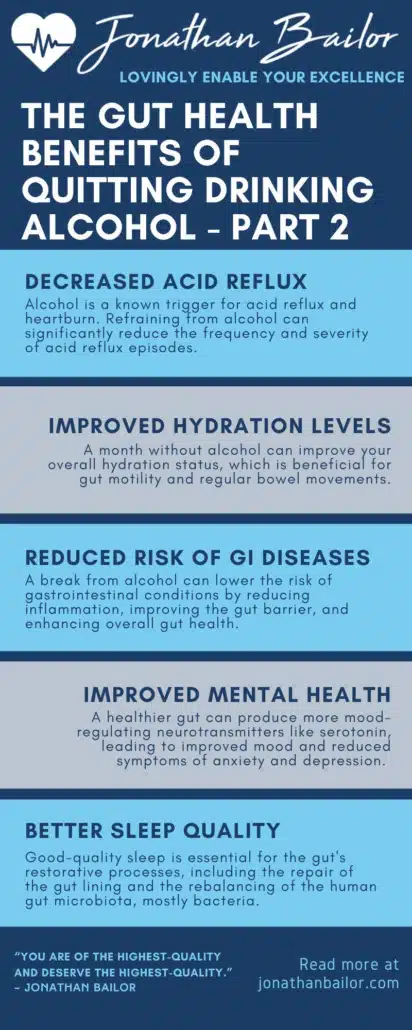
6. Decreased Acid Reflux

Alcohol is a known trigger for acid reflux and heartburn. It relaxes the esophageal sphincter, allowing stomach acid to flow back into the esophagus, causing discomfort and long-term damage. Refraining from alcohol can significantly reduce the frequency and severity of acid reflux episodes.

This not only provides relief from heartburn but also protects the esophagus from the harmful effects of acid, reducing the risk of esophageal disorders.

7. Improved Hydration Levels

Alcohol’s diuretic effect can lead to dehydration, negatively impacting gut health. Proper hydration is crucial for maintaining the mucosal lining of the gut and facilitating digestion. A month without alcohol can improve your overall hydration status, which is beneficial for gut motility and regular bowel movements.

Adequate hydration also aids in the elimination of waste and toxins from the body, contributing to a healthier gut environment.

8. Reduced Risk of Gastrointestinal Diseases

Chronic alcohol use is associated with a higher risk of developing various gastrointestinal diseases, including gastritis, ulcers, and certain types of cancer. A break from alcohol can lower the risk of these conditions by reducing inflammation, improving the gut barrier, and enhancing overall gut health.

This preventive measure is crucial for long-term digestive health and can significantly reduce the likelihood of developing severe gastrointestinal issues.

9. Improved Mental Health

The gut and brain are closely connected through the gut-brain axis, meaning the health of one directly affects the other. Improving gut health through alcohol abstinence can have a positive impact on mental health.

A healthier gut can produce more mood-regulating neurotransmitters like serotonin, leading to improved mood and reduced symptoms of anxiety and depression. This connection highlights the importance of gut health not just for physical well-being but also for mental and emotional health.

10. Better Sleep Quality

Alcohol consumption, especially in the evening, can disrupt sleep patterns, which in turn affects gut health. Good-quality sleep is essential for the gut’s restorative processes, including the repair of the gut lining and the rebalancing of the human gut microbiota, mostly bacteria.

Abstaining from alcohol can lead to deeper, more restful sleep, allowing the gut to heal and function optimally. Improved sleep also supports the regulation of appetite hormones, which are produced in the gut, leading to healthier eating habits and weight management.

taking a break from alcohol for a month can bring about significant and positive changes to your gut health. This period of abstinence is not just a temporary detox but a step towards long-lasting gut health and overall wellness.

The Gut Health Benefits of Quitting Alcohol Part 2 - Jonathan Bailor

Beyond Abstinence: Nurturing Your Gut with Holistic Actions

Embarking on a path to gut health involves much more than just refraining from alcohol. While quitting alcohol is a significant step towards healing the gut, it’s only the beginning of a complete journey to wellness.

The gut, a complex and vital ecosystem within our bodies, requires a multifaceted approach to truly thrive. It goes beyond about what we remove from our diets and lifestyles but also about what we introduce and embrace. To fully support and rejuvenate our gut health, we need to engage in a variety of nurturing practices that extend beyond abstaining from alcohol. These practices encompass not only dietary changes but also lifestyle adjustments that honor the intricate relationship between our gut and our daily habits.

Here are five essential actions that can significantly aid in healing and maintaining a healthy gut in the human body.

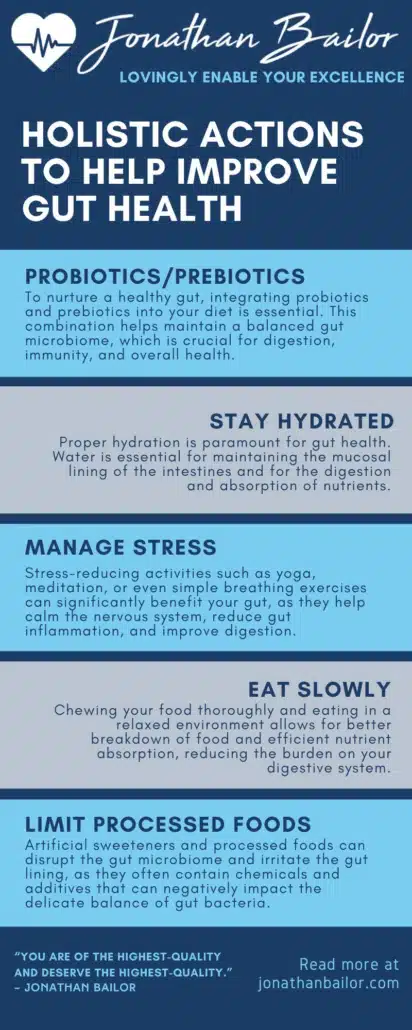
1. Incorporate Probiotics and Prebiotics

To nurture a healthy gut, integrating probiotics and prebiotics into your diet is essential. Probiotics, found in fermented foods like yogurt, kefir, and sauerkraut, introduce beneficial bacteria to your gut. Prebiotics, on the other hand, serve as food for these bacteria, fostering their growth and activity. Prebiotic foods include garlic, onions, bananas, and asparagus.

This combination helps maintain a balanced gut microbiome, crucial for digestion, immunity, and overall health. Remember, a diverse gut microbiome is akin to a flourishing garden; it needs the right nutrients and care to thrive.

2. Stay Hydrated

Proper hydration is paramount for gut health. Water is essential for maintaining the mucosal lining of the intestines and for the digestion and absorption of nutrients. Aim to drink at least eight glasses of water daily to ensure your digestive system functions optimally.

This simple yet effective habit aids in transporting nutrients, eliminating waste, and keeping the intestinal lining healthy. Think of water as the river of life flowing through your digestive system, carrying essential elements and flushing out the unwanted.

3. Manage Stress Effectively

Chronic stress can severely impact your gut health, leading to issues like indigestion and irritable bowel syndrome.

Engaging in stress-reducing activities such as yoga, meditation, or even simple breathing exercises can significantly benefit your gut. These practices help calm the nervous system, reduce gut inflammation, and improve overall digestive functioning.

Just as a calm sea allows for smoother sailing, a relaxed mind promotes a healthier gut.

4. Eat Slowly and Mindfully

The way you eat is just as important as what you eat. Chewing your food thoroughly and eating in a relaxed environment can greatly improve digestion. It allows for better breakdown of food and efficient nutrient absorption, reducing the burden on your digestive system.

Mindful eating also ensures you are aware of your body’s hunger and fullness cues, preventing overeating and digestive discomfort. Consider each meal an opportunity to nourish and respect your body, savoring every bite for optimal gut health.

5. Limit Artificial Sweeteners and Processed Foods

Artificial sweeteners and processed foods can disrupt the gut microbiome and irritate the gut lining. These substances often contain chemicals and additives that can negatively impact the delicate balance of gut bacteria.

Opt for whole, natural foods as much as possible to support gut healing. Fresh fruits, vegetables, lean proteins, and healthy fats are the building blocks of a gut-friendly diet. Just like a machine functions best with the right fuel, your gut thrives on wholesome, natural foods.

Holistic Actions to Help Improve Gut Health - Jonathan Bailor

FAQs on Nurturing Gut Health: Understanding the Core of Our Well-being

What is the Gut Microbiome and Why is it Important?

The human gut microbiome is a complex community of microorganisms living in our digestive tract. Think of it as a bustling city within our gut, where each microbe or bacteria present plays a specific role in our body’s functioning. Most of gut bacteria are located in the large intestine, though some also live in the small intestine.

These microbes help in digesting food, producing vitamins, regulating our immune system, and even impacting our mood and mental health. Maintaining a balanced and diverse gut microbiome is crucial for digestion, preventing chronic disease, and overall health.

When the gut microbiota is unbalanced, called gut dysbiosis, anaerobic bacteria can become opportunistic pathogens, leading to severe infections. Disruptions in this microbiome can lead to a range of health issues, making its care a key aspect of our well-being.

How Can Diet Affect Human Gut Health?

Our diet has a direct impact on our gut health. Foods rich in fiber, like vegetables, fruits, and legumes, feed the beneficial bacteria in our gut. On the other hand, excessive consumption of processed foods, sugar, and unhealthy fats can promote harmful bacteria, leading to an imbalance known as dysbiosis.

This imbalance can cause digestive issues, inflammation, and even contribute to chronic diseases. Incorporating a diverse range of nutrient-rich foods can foster a healthy gut microbiome and enhance our overall health.

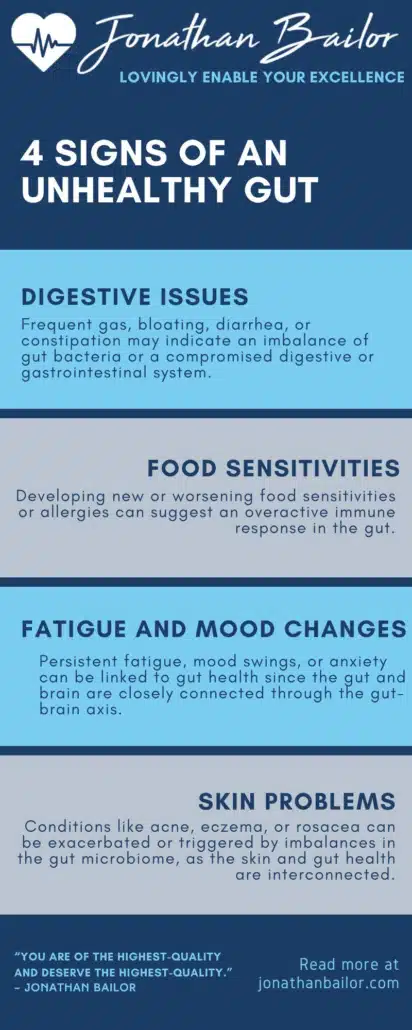
What Are the Signs of an Unhealthy Gut?

An unhealthy gut can manifest in various ways, some of which might not seem directly related to digestive health.

Common signs include persistent digestive discomfort, such as bloating, gas, constipation, or diarrhea. Beyond digestion, an unhealthy gut can lead to fatigue, unexplained weight changes, skin irritations like eczema, and even mood disorders like depression and anxiety. If not reversed, an unhealthy gut can lead to cardiovascular disease, insulin resistance, diabetes, high blood pressure, bowel disorders, such as ulcerative colitis, and other conditions.

These symptoms indicate a need to reassess our diet and lifestyle choices to support gut health. For certain individuals, weight loss drugs may be explored as part of a personalized plan to address weight-related concerns that could impact gut health. A healthcare provider can guide you on whether these medications are suitable for your situation.

4 Signs of an Unhealthy Gut - Jonathan Bailor

Can Probiotics and Prebiotics Improve Gut Health?

Yes, probiotics and prebiotics play a crucial role in maintaining gut health. Probiotics are beneficial bacteria that can be found in fermented foods like yogurt, kefir, and kimchi. They help restore and maintain a healthy balance of gut flora. Prebiotics, found in foods like garlic, onions, and bananas, act as food for these beneficial bacteria.

Together, they work synergistically to enhance gut health, improve digestion, and boost the immune system.

Is Stress Linked to Gut Health?

Absolutely, stress is intricately linked to gut health due to the gut-brain axis, a two-way communication system between the gut and the brain. Chronic stress can disrupt this communication, leading to changes in gut motility, an increase in gut inflammation, and susceptibility to infection.

Managing stress through techniques like meditation, exercise, and adequate sleep can help maintain a healthy gut-brain connection and improve overall gut health. Remember, a calm mind often leads to a healthier gut.

Understanding and nurturing our gut health is a journey that goes beyond diet and encompasses our entire lifestyle. By paying attention to these aspects, we can ensure that our gut, and thereby our overall health, is in optimal condition.

4 Stress Relieving Activities for Better Gut Health - Jonathan Bailor

Cultivating Continuous Wellness: Beyond Dry January

As we reflect on the insights gained about nurturing our gut, it becomes evident that caring for this vital organ extends well beyond the commitment of Dry January. Embracing gut health is a continuous journey, offering profound benefits for a healthy body and our overall well-being.

I encourage you to share the wisdom of gut wellness with your friends and family. Spread this valuable knowledge through social media or a personal email, inspiring those around you to join in this journey of health.

Together, let’s celebrate the steps towards a healthier gut, not just for a month but as a lifelong commitment to human health and wellness.

Feeling Better Is Priceless, That's Why We Don't Put A Price On It!

“It’s Like A Free and Medically Valid Version of Noom and Weight Watchers Online”

~ Dr. Doctor Matthew Oleshiak, MD

Click the 'LEARN MORE' button below for free lifetime access to the fast fix program developed by Jonathan and top Ivy League Medical Doctors

LEARN MORE

P.S. It's not a free trial. It's not part of the program for free. The entire program is free, forever, for real! No credit card needed.

21 Natural Strategies for Improving Gut Health to Reduce Food Cravings

In the quest for a vibrant, balanced life, gut health emerges as a important player, especially for those navigating the rich mix of experiences beyond their golden years. Imagine a hidden garden within, where trillions of microscopic inhabitants, your gut microbiota, reside. This unseen ecosystem, teeming with life, not only assists in digestion but also holds the reins for cravings, mood, and overall well-being. Join us on a journey through this intricate landscape as we looks at the world of gut health with Jonathan Bailor, your trusted guide to optimal well-being.

The modern lifestyle, brimming with processed foods and stress, often disrupts this delicate balance, leading to a cascade of cravings that can derail even the most dedicated health enthusiasts. However, the power to cultivate a flourishing internal garden lies within reach through natural strategies that nurture gut health.

This journey into the heart of our gut health isn’t about quick fixes or restrictive diets that lead some to develop an eating disorder. Instead, it’s an invitation to foster a harmonious relationship with the foods we eat, the lifestyle we lead, and the natural rhythms of our bodies. It’s about understanding that every bite, every choice, contributes to the symphony of our gut microbiome, influencing not just our cravings but our ability to enjoy life to its fullest.

In the sections, we’ll explore natural strategies that promise not just a reduction in food cravings but a resurgence of vitality and joy. These are not merely tips but stepping stones to a deeper connection with yourself, promising a path to a more vibrant, health-aligned life.

Engage in this journey. Discover how nurturing the garden within can transform not just your health but the way you experience the world. And remember, this is just the beginning. The full exploration awaits promising insights and strategies that resonate with our bodies’ wisdom and nature’s healing power.

Share this exploration with friends and family, sparking conversations illuminating the path to well-being. Let’s embrace these strategies, weaving them into the fabric of our daily lives, and watch as the garden within blossoms, guiding us towards a future brimming with health and happiness.

Harnessing Lifestyle Synergies: Nurturing Gut Health to Diminish Food Cravings

Embarking on a journey to enhance gut health transcends the realms of diet and physical activity alone. It invites us to weave a mix of holistic lifestyle changes that resonate deeply with our internal ecosystem. In the intricate dance of life, seemingly unrelated lifestyle habits play important roles in harmonizing our gut microbiota, thereby influencing our food cravings and overall well-being.

Here, we explore lifestyle alterations that offer profound benefits to our gut health and help mitigate unwarranted cravings.

1. Prioritize Sleep Sanctity

In the stillness of night, our body orchestrates healing symphonies crucial for gut health restoration. Embracing a sanctified sleep routine can significantly influence the diversity and vitality of our gut microbiome.

Ensuring regular, uninterrupted sleep cycles helps regulate the hormones that control appetite, subtly diminishing cravings born from fatigue or imbalance. View each night’s rest as a rejuvenation ritual for your internal garden, allowing it to thrive.

2. Cultivate a Clutter-Free Environment

The spaces we inhabit mirror the state of our internal landscapes. A clutter-free, serene environment fosters a sense of calm and order, reducing stress levels that often exacerbate gut imbalances and trigger cravings.

Creating harmonious spaces invites tranquility into our lives, offering our gut microbiota the peace it requires to nurture and nourish.

3. Embrace Mild, Regular Detoxification Practices

We’re exposed to myriad chemicals and pollutants daily that can subtly disrupt gut health. Gentle detoxification practices, such as staying hydrated, engaging in sauna sessions, or using natural cleaning products, can reduce the burden of toxins on our bodies.

This indirect support helps maintain an environment where beneficial gut flora can thrive, keeping cravings at bay.

4. Connect with Nature Regularly

Immersing ourselves in the natural world has a grounding effect, diminishing stress and fostering a sense of belonging. This connection extends to our gut microbiome, as exposure to diverse natural environments can enhance microbial diversity, bolstering gut health.

The tranquility of nature acts as a balm, soothing the internal chaos that often leads to cravings.

5. Practice Conscious Breathing

The breath is a bridge between the mind and body, a tool to navigate stress, which often disrupts gut health and awakens cravings. Incorporating moments of conscious breathing throughout the day can reduce stress hormone levels, supporting our gut microbiota.

This practice cultivates an inner sanctuary of calm, where our gut garden can thrive untouched by the storms of daily life.

6. Foster Community and Connection

Humans are inherently social beings, and our sense of connection impacts our physiological well-being. Engaging in meaningful relationships and community activities can improve our mood and reduce stress, creating a positive ripple effect on our gut health.

This sense of belonging and joy helps regulate our body’s craving responses, aligning us closer to our natural state of health.

Through these lifestyle changes, we honor our bodies’ innate wisdom and the intricate web of life that resides within us. Each step taken is a gesture of respect toward our gut microbiome, acknowledging its critical role in our journey toward holistic health. Let these practices be pillars that uphold a vibrant, balanced life, where cravings are but whispers of a past unaligned with the symphony of our internal ecosystem.

Lifestyle Tweaks for Improving Gut Health and Reducing Food Cravings - Jonathan Bailor

Feeling Better Is Priceless, That's Why We Don't Put A Price On It!

“It’s Like A Free and Medically Valid Version of Noom and Weight Watchers Online”

~ Dr. Doctor Matthew Oleshiak, MD

Click the 'LEARN MORE' button below for free lifetime access to the fast fix program developed by Jonathan and top Ivy League Medical Doctors

LEARN MORE

P.S. It's not a free trial. It's not part of the program for free. The entire program is free, forever, for real! No credit card needed.

Nourishing Foundations: Dietary Keys to Enhancing Gut Health and Curbing Cravings

As we navigate the path toward harmonious gut health, our dietary choices emerge as luminous guides, illuminating the way to diminishing food cravings and fostering an inner ecosystem vibrant with life. This journey invites us to embrace dietary alterations beyond mere sustenance, encouraging a profound communion with our meals. By cultivating a diet rich in diversity and attuned to our body’s natural rhythms, we support the flourishing of a balanced microbiome, which, in turn, guides our cravings into the gentle embrace of equilibrium.

Here, we explore dietary shifts that, while centered around nutrition, promise to weave a wellness mix that enriches our gut health and lives.

1. Elevate Your Hydration with Herbal Infusions

Water, the essence of life, is important in maintaining gut health and quenching unfounded cravings. Elevating this practice, consider herbal infusions, gentle, nourishing brews made from herbs like peppermint, ginger, or chamomile.

These natural allies support digestion, soothe the gut lining, and infuse the body with subtle flavors that satisfy the palate, reducing the urge for unnecessary snacking.

2. Cultivate a Rainbow on Your Plate

Embrace the full spectrum of fruits and vegetables, each color heralding unique phytonutrients and fibers that nourish diverse gut flora. This rainbow nourishment encourages the proliferation of beneficial bacteria, which is crucial in regulating hunger signals and reducing cravings.

Let each meal be a celebration of color, a feast for the eyes as much as for the gut.

3. Welcome Fermented Foods into Your Daily Ritual

Fermented foods, ancient staples with modern significance, are potent cultivators of gut health. Foods like kimchi, sauerkraut, and unsweetened yogurt are alive with probiotics, fostering a microbiome rich in beneficial bacteria.

This harmonious balance within can help mitigate cravings, as the gut communicates its nourished state to the brain with clarity and ease.

4. Embrace Healthy Fats for Satiety and Harmony

It’s important to include healthy fats in your diet. These can be found in foods like avocados, nuts, seeds, and olive oil. So, make sure to incorporate these healthy fats into your meals as a part of a balanced diet for optimal health. These nutritional powerhouses provide sustained energy, promote satiety, and support the integrity of the gut lining.

By satisfying our body’s needs for essential fatty acids, we naturally diminish the impulse for less nourishing cravings.

5. Savor Slowly: The Art of Mindful Eating

Transform each meal into a meditative experience, savoring flavors, textures, and aromas. Mindful eating enhances digestive efficiency, allowing optimal nutrient absorption and signaling satiety to the brain.

This practice encourages a deepened connection with food, where eating becomes an act of self-care, and cravings are gently quelled by satisfaction.

6. Integrate Prebiotic-Rich Foods to Foster Floral Growth

Prebiotics, the nourishment for our gut’s beneficial bacteria, are found abundantly in foods such as garlic, onions, asparagus, and bananas. By integrating these into our diet, we ensure our gut flora thrives, enhancing our overall health and stabilizing cravings.

Think of prebiotics as the soil that nurtures the garden of our gut, essential for its vitality and bloom.

Through these dietary principles, we forge a bond with the food we eat, recognizing its role as both nourisher and healer. As we align our diet with the needs of our gut, we discover a profound sense of well-being, where cravings become gentle reminders of balance rather than urgent calls for attention. Let these dietary shifts guide you towards a life where gut health and satisfaction walk hand in hand, illuminated by the wisdom of our bodies and the earth’s bounty.

Dietary Keys to Enhancing Gut Health - Jonathan Bailor

Embodied Harmony: Physical Activities to Cultivate Gut Health and Ease Cravings

In the symphony of wellness, physical activity plays a melodic line, harmonizing body and mind and resonating deeply within our gut. This movement isn’t just exercise; it’s an act of tuning, adjusting the strings of our bodily instruments to play the notes of health and vitality. Engaging in mindful physical activities not only tones our muscles and enriches our spirit but also nurtures the microbial life within us, influencing our cravings and enhancing our relationship with food.

Let’s explore the dynamic ways through which movement can support our gut health, guiding us toward a rhythm of life where cravings find their natural balance.

1. Gentle Yoga for Digestive Harmony

Embrace yoga’s fluid movements as a dance with the self, where each posture invites the gut into a gentle conversation. Yoga poses like twists and forward folds massage the abdominal organs, stimulating digestion and promoting the balance of gut flora.

This ancient practice not only soothes the mind but also supports the gut-brain axis, reducing stress-induced cravings and fostering a sense of inner calm.

2. Brisk Walking to Stir the Inner Ecosystem

Let your feet kiss the earth in a rhythmic walk that awakens the body and stirs the gut. Brisk walking, especially after meals, can enhance digestive efficiency, encouraging a quicker transition of food through the gut.

This gentle yet effective activity supports metabolic health, helping to regulate blood sugar levels and reduce the impulse for sugary cravings.

3. Swimming: Immersion in Fluid Balance

Immerse yourself in the embrace of water through swimming, an activity that harmonizes breath and movement. This aquatic exercise gently supports the body, minimizing strain while offering a complete workout that stimulates digestion and encourages a diverse gut microbiota.

The rhythmic breathing associated with swimming also reduces stress levels, further aligning the gut and diminishing the drive for comfort eating.

4. Cycling: Pedaling Towards Gut Well-being

Mount your bicycle and pedal into a horizon of health, where each turn of the wheels propels you closer to gut harmony. Cycling, a joyous blend of adventure and exercise, enhances cardiovascular health, aids in weight management, and stimulates intestinal mobility.

This dynamic activity carves paths through the landscape and the terrain of our cravings, guiding them toward stability and balance.

5. Strength Training: Building Resilience Within and Without

Engage in strength training to build a fortress of muscle that guards against the tides of cravings. This form of exercise boosts metabolism, which in turn supports a healthy gut microbiome by influencing the body’s energy balance.

Strength training, particularly when focused on the core, enhances digestive function and resilience, empowering the body to manage cravings with strength and grace.

Incorporating these physical activities into our daily lives invites a celebration of movement and a recognition of the profound interplay between our actions and our internal health. As we move, we cultivate a garden within, where the flora of our gut thrives in the rhythms we create, and cravings become gentle whispers, easily soothed by the harmony of our embodied practices.

Let each step, each breath, each stretch, be an ode to the wellness that dances in the spaces between our cells, guiding us to a place where health is not just achieved but lived.

Inner Gardens: Cultivating Mental and Spiritual Well-being for Gut Health

In the sanctuary of our being, where the mind whispers to the body and the spirit listens, lies a profound connection to our gut health. This sacred space, where mental and spiritual realms intertwine, offers fertile ground for nurturing the delicate balance within our gut. Engaging in practices that enrich this inner landscape not only fortifies our mental and spiritual resilience but also harmonizes our microbiome, influencing cravings and nurturing our overall well-being.

Let us embark on a journey to cultivate this inner garden, exploring mental and spiritual practices that weave the threads of tranquility, awareness, and connection into the fabric of our daily lives.

1. Meditation: The Harmony of Presence

Embrace the stillness of meditation, where each breath anchors the present moment. This practice of centered awareness calms the mind’s turbulent waters, reducing stress and its cascading effects on gut health. As we cultivate a state of mindfulness, we align the gut-brain axis, soothing cravings that arise from emotional tumult.

Let meditation be your sanctuary, a place of refuge where inner peace blossoms, nurturing the gut with each mindful breath.

2. Gratitude Journaling: Cultivating Abundance Within

Dedicate moments of your day to gratitude journaling, a practice of acknowledging life’s abundance. This act of appreciation shifts our focus from lack to abundance, reducing stress and its shadow on our gut health.

As we reflect on the blessings in our lives, we nurture a positive mindset that supports the flourishing of a balanced microbiome, gently quieting the whispers of cravings born from emotional hunger.

3. Spiritual Connection: The Web of Belonging

Foster a deep spiritual connection, whether through prayer, nature walks, or engagement with a community that shares your values. This bond, transcending the physical, offers a sense of belonging and purpose, alleviating feelings of isolation that can disrupt our gut health.

By nourishing our spiritual selves, we cultivate an inner strength that supports our microbiome, guiding our cravings into harmony with our body’s true needs.

4. Mindful Eating: The Sacrament of Nourishment

Transform each meal into a mindful eating practice, an act of reverence for the nourishment provided. This ritual of eating with intention and attention enhances our relationship with food, improving digestion and absorption.

As we honor the act of nourishment, we listen deeply to our body’s signals, recognizing true hunger and satiety and allowing cravings to dissolve in the light of mindful presence.

Through these mental and spiritual practices, we tend to the inner garden of our being, where each thought and prayer nourishes the roots of our wellness. As we cultivate this sacred space, we discover a profound alignment between mind, spirit, and gut, where cravings are no longer cries of distress but whispers of harmony.

Let these practices guide you to a place of inner balance, where the gut microbiome flourishes under the tender care of your spiritual and mental well-being, and health emanates from the core of your being.

FAQ: Nurturing Your Inner Garden-Insights into Gut Health

1. What is the gut microbiome, and why is it important?

The gut microbiome refers to the vast community of microorganisms, including bacteria, viruses, and fungi, that reside in the human gastrointestinal tract, aka our digestive system. This complex ecosystem is crucial in digesting food, synthesizing vitamins, and protecting against pathogens. They also help produce short-chain fatty acids and essential amino acids. Beyond digestion, the gut microbiome influences our immune system, mental health, and even our mood, acting as an unseen mediator in the intricate dance of our overall well-being. A balanced and healthy gut microbiota diversity supports not only efficient digestion but also forms a cornerstone of our health’s foundation.

2. How can I tell if my gut health needs attention?

Signs that your gut health may need nurturing include digestive disturbances such as bloating, gas, constipation, or diarrhea. However, gut health influences non-digestive aspects of the body. This is because the enteric nervous system in the gut communicates to the rest of the body via the vagus nerve. So, other less direct indicators of poor gut health can include persistent fatigue, skin irritations, unexplained weight changes, and food cravings, particularly for sugars and processed foods. These symptoms can signal an imbalance in your gut flora, suggesting that your inner garden might benefit from some tender care to restore its harmony.

3. Can stress affect my gut health?

Yes, stress has a profound impact on gut health. The gut and brain constantly communicate through the gut-brain axis, making our digestive system incredibly sensitive to emotions and stress. Prolonged stress can lead to imbalances in gut bacteria, affecting digestion and nutrient absorption, and may even exacerbate cravings for unhealthy foods. It can also help trigger eating disorders. Managing stress through mindfulness, meditation, or physical activities can help maintain the equilibrium of your gut microbiome.

4. Are probiotics beneficial for gut health? How do I include them in my diet?

Probiotics, which are beneficial bacteria, play a vital role in maintaining a healthy gut microbiome. They support digestion, enhance nutrient absorption, and contribute to the immune system’s function. Incorporating probiotic-rich foods like yogurt, kefir, sauerkraut, and kimchi into your diet can help boost your gut flora. For those looking to increase their probiotic intake, considering a high-quality probiotic supplement might also be beneficial, especially after consulting with a healthcare professional.

5. How does hydration affect gut health?

Hydration is essential for gut health and the efficient functioning of the digestive system. Adequate water intake helps maintain the lining of the intestines, supports the digestion of food, and facilitates the movement of waste through the digestive tract, preventing constipation. Water is crucial for the survival of gut bacteria and can aid in the absorption of nutrients. Ensuring you drink sufficient water throughout the day is a simple yet effective way to support your gut health.

Embracing these insights into gut health illuminates the path to nurturing your body’s inner ecosystem. By cultivating practices that support gut balance, you embark on a journey toward optimal well-being, where the harmony of your internal garden reflects the vitality of your entire being.

Journey’s End: Sharing the Path to Gut Health

As we conclude our exploration of nurturing the vibrant ecosystem within, we invite you to carry these insights forward, sharing them with friends and family across the mix of social media and the intimacy of email. This journey into the realms of dietary harmony, mindful movement, and inner tranquility offers more than guidance; it presents a communal invitation to wellness.

Let these words be seeds scattered in the winds of conversation, germinating discussions that root deeply in the fertile soil of collective health. Together, let’s cultivate a world where gut health is understood, cherished, and celebrated.

Feeling Better Is Priceless, That's Why We Don't Put A Price On It!

“It’s Like A Free and Medically Valid Version of Noom and Weight Watchers Online”

~ Dr. Doctor Matthew Oleshiak, MD

Click the 'LEARN MORE' button below for free lifetime access to the fast fix program developed by Jonathan and top Ivy League Medical Doctors

LEARN MORE

P.S. It's not a free trial. It's not part of the program for free. The entire program is free, forever, for real! No credit card needed.

19 Evidence-Based Treatments to Reduce Bloating and Boost Gut Health

Feeling bloated is more than an inconvenience; it’s a cry from your gut, seeking attention and care. In this Gut Health Guide with Jonathan Bailor, you’ll discover a variety of easy, proven ways to reduce bloating and boost gut health.

In a world brimming with quick fixes and instant gratification, the journey to gut health appears daunting, yet it’s profoundly rooted in nature’s wisdom. It’s not about the latest diet craze or a fleeting trend but about embracing timeless, evidence-based treatments that honor your body’s innate intelligence.

This exploration into gut health isn’t just another list of do’s and don’ts. It’s a heartfelt invitation to reconnect with your body, listen, and respond to its needs with kindness and understanding. Imagine transforming your digestive wellness not with harsh interventions but through gentle, natural remedies that have stood the test of time.

In the realms of bloating and gut health, knowledge is more than power, it’s relief, freedom, and a step towards a more vibrant you. The secrets uncovered here are your allies, guiding you through the maze of misinformation to clear, scientifically-backed paths that lead to digestive harmony.

Why should this matter to you? Because your gut is the cornerstone of your health, influencing everything from your mood to your immunity. By nurturing it with the right practices, you’re not just easing discomfort but also building a foundation for lifelong wellness and vitality.

And why share this journey? Because wellness thrives in the community. Sharing these insights isn’t just about passing along information; it’s about spreading hope, fostering healing, and creating ripples of wellness that extend far beyond our immediate circles. It’s about coming together, learning from each other, and supporting one another on our paths to better health.

So, whether you’re looking to alleviate bloating, enhance your gut health, or adopt a more natural approach to your well-being, you’re in the right place. Let’s embark on this journey together, embracing nature’s wisdom, science’s rigor, and the strength of our shared experiences.

After all, the best health transformations are not just personal victories; they’re treasures to be shared, lighting the way for others in their quest for a healthier, happier life.

Allopathic Solutions to Reduce Bloating and Improve Gut Health

In the pursuit of well-being, our journey often leads us to the crossroads of tradition and innovation. Allopathic, or Western medicine, provides a suite of solutions grounded in rigorous scientific research and clinical evidence aimed at alleviating the discomforts that besiege our digestive system. It’s about harnessing the best of modern medical advancements to offer relief and restore balance.

Here, we explore six allopathic interventions designed to address bloating and improve gut health.

1. Probiotic Supplements

These are not just supplements but a beacon of hope for those struggling with bloating. Probiotics work towards establishing a healthy equilibrium in the gut microbiome by introducing beneficial bacteria. This balance is crucial for digestion, nutrient absorption, and warding off harmful bacteria.

Clinical studies support their use in reducing bloating and improving overall gut health.

2. Prescription Medications

For those whose bloating stems from conditions like Irritable Bowel Syndrome (IBS), certain prescription medications can be a lifeline.

These medications work by either relaxing the gut muscles to prevent spasms or adjusting digestion speed, thus reducing symptoms. They are tailored to individual needs, making them a targeted approach to gut health.

3. Dietary Modifications

Allopathic care also includes nutritional guidance to manage bloating. This involves identifying and eliminating specific foods that trigger symptoms.

Common culprits include lactose, certain artificial sweeteners, and foods high in fermentable oligosaccharides, disaccharides, monosaccharides, and polyols (FODMAPs). A low-FODMAP diet has been scientifically shown to reduce bloating and improve comfort.

4. Antispasmodic Drugs

These drugs offer relief by directly addressing the muscle spasms in the gut that contribute to bloating. They work by relaxing the gut muscles, thereby reducing pain and discomfort.

This category of medication is especially beneficial for those whose bloating is accompanied by cramping, offering a reprieve from the cyclical pain-bloating episodes.

5. Psychological Therapies

Recognizing the gut-brain connection, allopathic medicine also employs psychological therapies like Cognitive Behavioral Therapy (CBT) for bloating, particularly when linked to stress or psychological distress. These therapies aim to improve coping mechanisms, indirectly mitigating gut health issues.

Each of these solutions embodies the principles of allopathic medicine: a commitment to evidence-based care, a detailed understanding of human physiology, and a dedication to improving the quality of life.

By considering these interventions, individuals can take informed steps towards alleviating bloating and enhancing their gut health, all while guided by the expertise of medical professionals.

Allopathic Solutions to Reduce Bloating - Jonathan Bailor

Feeling Better Is Priceless, That's Why We Don't Put A Price On It!

“It’s Like A Free and Medically Valid Version of Noom and Weight Watchers Online”

~ Dr. Doctor Matthew Oleshiak, MD

Click the 'LEARN MORE' button below for free lifetime access to the fast fix program developed by Jonathan and top Ivy League Medical Doctors

LEARN MORE

P.S. It's not a free trial. It's not part of the program for free. The entire program is free, forever, for real! No credit card needed.

Naturopathic Pathways to Combat Bloating and Elevate Gut Health

Embracing naturopathy is like turning to nature’s medicine cabinet, filled with remedies that heal and harmonize without synthetic interventions. It’s a holistic approach that views the body as an interconnected system, seeking to treat the underlying causes of discomfort rather than just the symptoms.

In the realm of bloating and gut health, naturopathic solutions offer gentle yet effective ways to nurture your digestive system, drawing on the bounty of the natural world.

Here, we explore five naturopathic strategies designed to soothe, balance, and rejuvenate your gut, offering a natural route to digestive well-being.

1. Herbal Teas

Sipping a warm cup of herbal tea is as comforting to the soul as it is to the stomach. Peppermint, ginger, and fennel teas are more than just beverages; they’re steeped in digestive benefits.

Peppermint relaxes the gastrointestinal tract muscles, easing bloating. Ginger stimulates digestion, helping to relieve gas, while fennel has been used traditionally to reduce abdominal discomfort and support healthy digestion.

2. Dietary Fiber Increase

Integrating a variety of fiber-rich foods, such as flaxseeds, chia seeds, and leafy greens, into your diet can dramatically improve gut health. These natural wonders act as nature’s broom, helping to regulate bowel movements and prevent the constipation that often contributes to bloating.

It’s vital to increase fiber intake gradually and ensure adequate water consumption to maximize benefits and minimize discomfort.

3. Digestive Enzymes

Sometimes, the body needs a little help breaking down certain foods. Supplementing with natural digestive enzymes, such as bromelain from pineapples and papain from papayas, can enhance the digestive process.

These enzymes assist in the efficient breakdown of proteins, fats, and carbohydrates, reducing bloating and improving nutrient absorption.

4. Probiotic-Rich Foods

Incorporating foods naturally rich in probiotics, like kefir, sauerkraut, and kimchi, into your daily diet can fortify your gut’s microbiome.

These fermented foods introduce beneficial bacteria into the digestive tract, helping balance the gut flora, a key player in digestive health, nutrient absorption, and the reduction of bloating.

5. Stress Reduction Techniques

Recognizing the intricate link between stress and digestive health, naturopathy emphasizes the importance of stress management. Techniques such as yoga, meditation, and deep-breathing exercises can reduce stress-related bloating.

By calming the mind, you can indirectly soothe the gut.

These naturopathic solutions serve as proof of the power of natural remedies in fostering gut health and overall well-being.

By aligning with nature’s rhythms and wisdom, we can address bloating from its roots, paving the way for a balanced and vibrant digestive system.

Naturopathic Ways to Combat Bloating Issues - Jonathan Bailor

Osteopathic Approaches to Alleviate Bloating and Enhance Digestive Wellness

Osteopathy offers a unique lens through which we view and treat health issues, focusing on the body’s inherent ability to heal and regulate itself. It’s an approach that values the balance and integration of all body systems, aiming to restore this equilibrium through hands-on, manipulative therapy.

In addressing bloating and digestive discomfort, osteopathic medicine proposes methods that go beyond surface symptoms, seeking to rectify the underlying imbalances that contribute to such conditions.

Here, we looks at four osteopathic techniques, each designed to harmonize the body’s natural functions and promote a thriving digestive system.

1. Osteopathic Manipulative Treatment (OMT)

This cornerstone of osteopathic care involves using hands-on techniques to improve circulation, enhance mobility, and encourage optimal function of the body’s tissues and organs.

Specific manipulations can be applied to the abdominal area for digestive issues to relieve bloating, improve lymphatic drainage, and stimulate digestive processes.

This gentle yet effective approach helps to ease discomfort and promote the body’s natural healing capabilities.

2. Visceral Manipulation

Visceral manipulation is a specialized form of OMT that focuses on the body’s internal organs, gently encouraging them to move more freely within their connective tissue attachments.

This technique can be particularly beneficial for those experiencing bloating, as it addresses tensions and restrictions in the visceral system that may impede digestive function. By restoring the natural mobility of the organs, visceral manipulation can alleviate pressure, enhance blood flow, and improve overall gut health.

3. Craniosacral Therapy

While not exclusively osteopathic, craniosacral therapy is embraced by many osteopathic practitioners for its gentle approach to healing.

This therapy targets the membranes and fluid surrounding the brain and spinal cord, aiming to release restrictions in the craniosacral system. Subtle manipulations of the skull and sacrum can indirectly impact the nervous system’s regulation of digestive functions, offering a path to relief for those suffering from bloating and related symptoms.

4. Lymphatic Drainage Techniques

Proper lymphatic flow is essential for removing waste and toxins from the body, and disruptions in this system can contribute to bloating and water retention.

Osteopathic practitioners utilize specific techniques to enhance lymphatic drainage, particularly in the abdominal region. This supports detoxification, improves immune function, and reduces inflammation, creating a conducive environment for digestive health and comfort.

These osteopathic solutions reflect a deep respect for the body’s innate wisdom and capacity for self-regulation.

By addressing bloating and digestive issues through these holistic, hands-on techniques, osteopathy offers a path to lasting relief and wellness grounded in the body’s natural rhythms and healing potential.

Osteopathic Approaches to Relieve Bloating - Jonathan Bailor

Eastern and Alternative Medicine Strategies for Bloating and Digestive Health

In the realm of healing and wellness, Eastern and alternative medicine practices offer a rich mix of treatments that draw on centuries of wisdom and a profound understanding of the body’s energy and balance. These approaches go beyond the physical symptoms, reaching into the essence of well-being to restore harmony and vitality from within.

For those navigating the discomforts of bloating and seeking to enhance digestive health, these ancient practices provide a beacon of hope, illuminating a path to healing that is both nurturing and holistic.

Here, we explore five such strategies, each proof of the power of alternative and Eastern medicine in fostering digestive harmony and overall health.

1. Acupuncture

This cornerstone of traditional Chinese medicine involves the insertion of thin needles into specific points on the body to rebalance the flow of Qi (energy).

For digestive issues like bloating, acupuncture can be particularly effective, targeting points that regulate the digestive system, relieve stress, and enhance gastrointestinal motility. This gentle yet profound intervention can help soothe the discomfort of bloating while promoting a deep sense of relaxation and well-being.

2. Ayurvedic Dietary Adjustments

Ayurveda, a holistic system of medicine from India, emphasizes the importance of diet in maintaining health and treating disease.

For bloating and digestive health, Ayurveda recommends eating warm, cooked foods that are easy to digest and tailored to an individual’s specific dosha (body type). Incorporating spices such as ginger, turmeric, and cumin can further aid digestion and reduce bloating, aligning the body with its natural digestive rhythms.

3. Tai Chi and Qi Gong

These gentle martial arts combine slow, deliberate movements with deep breathing and meditation to enhance the flow of Qi throughout the body.

Practicing Tai Chi or Qi Gong can improve digestive function by reducing stress, promoting relaxation, and improving the body’s overall energy flow. These practices offer a holistic approach to managing bloating.

4. Herbal Remedies

Both Eastern and alternative medicine traditions utilize a variety of herbs to treat bloating and support digestive health.

Dandelion tea, for example, is praised for its diuretic properties and ability to reduce water retention. Similarly, peppermint and chamomile teas are known for their soothing effects on the digestive tract, helping to relieve gas and bloating while calming the mind.

5. Abdominal Massage

A technique often used in both Eastern medicine and alternative therapies, abdominal massage can stimulate digestion, relieve congestion in the gastrointestinal tract, and reduce bloating.

This hands-on approach encourages the natural movement of the intestines, facilitating the release of trapped gas and improving bowel regularity. Performed gently, it can be a profoundly relaxing and therapeutic addition to a holistic digestive wellness regimen.

By embracing these Eastern and alternative medicine strategies, individuals can embark on a journey toward digestive balance and well-being that honors the body’s natural wisdom and healing capabilities.

These practices not only address the physical discomfort of bloating but also nurture the mind and spirit, offering a complete path to health that resonates with the rhythms of the natural world.

Eastern and Alt Strategies to Reduce Bloating - Jonathan Bailor

Gut Health FAQs: Nurturing Your Digestive Wellness

1. What role does gut health play in overall well-being?

Gut health is foundational to our overall well-being, serving as both a guardian and a gateway to optimal health.

The digestive system (GI tract) not only processes the food we eat, transforming it into nutrients and energy, but also houses most of our immune system. A balanced gut microbiome, teeming with beneficial bacteria, supports not just digestion but also immune function, mental health through the gut-brain axis, and even the regulation of inflammation throughout the body.

Thus, maintaining gut health is crucial for sustaining energy, preventing illness, and promoting mental clarity and emotional balance.

2. How can I tell if my gut health needs attention?

Signs of poor gut health can vary widely but often include persistent digestive issues such as bloating, gas, diarrhea, constipation, or discomfort. Beyond the digestive tract, unexplained fatigue, skin irritations like eczema, frequent infections, and mood fluctuations can also signal imbalances in gut health.

These symptoms are your body’s way of signaling that the delicate balance of your gut microbiome might be disturbed, warranting changes in diet or lifestyle or possibly seeking advice from a healthcare professional.

3. Can changing my diet really improve my gut health?

Diet matters in shaping our gut health. Foods rich in fiber, such as vegetables, fruits, and legumes, nourish the beneficial bacteria in our gut and promote diversity within the microbiome. Incorporating fermented foods like yogurt, kefir, and sauerkraut can introduce probiotics, supporting the growth of healthy bacteria.

Conversely, highly processed foods, excessive sugars, and certain fats can disrupt this balance, fostering an environment conducive to harmful bacteria and yeast. By making mindful dietary choices, we can significantly influence the well-being of our digestive system.

4. Are probiotic supplements beneficial for gut health?

Probiotic supplements can be beneficial, especially for replenishing and maintaining beneficial bacteria in the gut, particularly after disruptions such as antibiotic use. They contain strains of bacteria known to confer health benefits and can help restore the natural balance of your gut microbiome.

However, the effectiveness of probiotics can vary depending on the strains used and the individual’s existing gut flora. Obtaining probiotics from a varied diet of fermented foods is often recommended, with supplements serving as additional support rather than a primary source.

5. Does stress affect gut health, and if so, how can I mitigate its effects?

Stress profoundly impacts gut health due to the direct communication pathway between the brain and the digestive system, known as the gut-brain axis. Chronic stress can lead to imbalances in gut bacteria, increased gut permeability (sometimes called “leaky gut”), and a heightened inflammatory response.

Mitigating stress through mindfulness practices like meditation, yoga, regular physical activity, and adequate sleep can help promote a healthy gut. Addressing stress supports a healthier, more balanced gut environment conducive to overall well-being.

Embrace and Share the Journey to Gut Health

In navigating the pathways to improved gut health, we’ve explored a spectrum of healing traditions, from the precision of allopathic medicine to the wisdom of naturopathy, the holistic approach of osteopathy, and the ancient practices of Eastern and alternative therapies. Each offers a unique lens through which to view and address the intricacies of digestive wellness.

As we embark on these nurturing journeys, let’s extend the invitation to those we hold dear. Share this guide with friends and family through social media and email, sparking conversations and inspiring a collective movement towards balanced gut health and overall well-being.

Let’s cultivate a community rooted in health, harmony, and shared healing together.

Feeling Better Is Priceless, That's Why We Don't Put A Price On It!

“It’s Like A Free and Medically Valid Version of Noom and Weight Watchers Online”

~ Dr. Doctor Matthew Oleshiak, MD

Click the 'LEARN MORE' button below for free lifetime access to the fast fix program developed by Jonathan and top Ivy League Medical Doctors

LEARN MORE

P.S. It's not a free trial. It's not part of the program for free. The entire program is free, forever, for real! No credit card needed.

10 Natural Treatments Proven to Soothe an Upset Stomach

Discover these 10 natural treatments proven to soothe an upset stomach right now in this Gut Health Guide by Jonathan Bailor.

Have you ever had one of those days where your stomach just isn’t on the same page as the rest of you? You know, those moments when it feels like your belly is tying itself in knots, leaving you uncomfortable and longing for relief. Well, you’re not alone. Stomach discomfort is a common companion many of us wish we could do without. But here’s some comforting news: Plenty of natural remedies are available to soothe an upset stomach, thanks to the bounties of Mother Nature.

These natural treatments are more than just old wives’ tales. They are time-tested, gentle on your system, and often right at your fingertips in your own kitchen or garden. The beauty of these remedies lies in their simplicity and accessibility. They’re straightforward, devoid of complex procedures or hard-to-find ingredients, making them perfect for anyone seeking a natural path to stomach relief.

Imagine having a toolkit of remedies that not only soothe your stomach but also nourish your body. These aren’t just quick fixes; they’re about embracing a lifestyle that harmonizes with nature, using what the earth provides to bring balance and wellness back to your body. Whether it’s a soothing cup of herbal tea or a simple dietary tweak, these remedies empower you to take charge of your digestive health in the most natural way possible.

We’re not just talking about easing discomfort here, but about a journey towards overall wellness. These remedies aim to work in harmony with your body’s natural rhythms, promoting long-term health benefits that go beyond just calming an upset stomach. It’s about striking a balance between comfort and health.

So, whether you’re at home, at work, or on the go, these natural treatments are your allies, ready to offer relief when your stomach decides to throw a curveball your way. They’re about transforming those uneasy moments into opportunities for healing and self-care.

Remember, our bodies are incredible in their ability to heal and find balance; sometimes, they only need a little nudge from nature. So, let’s explore these natural treatments that are not just soothing but also proof of the power of simplicity in healing. Your journey to a happier, calmer stomach begins here.

Share this with your friends and family, and let’s spread the word about these gentle, effective ways to soothe an upset stomach naturally. Because, after all, sharing is caring, especially health and wellness!

Soothing Stomach Solutions: A Naturopathic Approach

On our journey to naturally soothe an upset stomach, we explore naturopathic remedies. These solutions, steeped in nature’s wisdom, offer gentle yet effective ways to ease stomach discomfort.

Let’s unveil a collection of naturopathic secrets to soothe an unsettled tummy.

1. Peppermint Therapy

Peppermint, revered for its soothing properties, can be a gentle, natural remedy for an upset stomach and stomach pain. Its natural oils relax the muscles of the digestive tract, easing discomfort and promoting relief.

Brew a cup of peppermint tea by steeping fresh or dried leaves in hot water for a few minutes. Enjoy this herbal infusion, preferably without sweeteners, to experience its calming effects.

Remember, while peppermint is generally safe, it might not be suitable for individuals with reflux issues, as it can relax the sphincter at the top of the stomach.

2. Ginger Root Relief

Ginger root, a staple in natural medicine, can be highly effective for a stomach ache, particularly in reducing nausea and aiding digestion. Its compounds, such as gingerol, have anti-inflammatory and anti-nausea properties, which help relax stomach muscles.

For a soothing remedy, slice fresh ginger root and steep it in boiling water for homemade ginger tea. If the raw ginger’s intensity is too much, consider adding a touch of honey for flavor. If you have the stomach flu, drinking a glass of ginger ale can help relieve nausea and vomiting.

It’s advisable to consume ginger in moderation, especially for those with gallbladder issues or who are on blood thinners.

3. Chamomile Comfort

Chamomile, known for its calming and anti-inflammatory properties, can be a gentle solution for stomach discomfort and abdominal pain. It aids in relaxation, not just of the mind but also of the muscles in the digestive tract, helping to alleviate cramping and spasms.

Brew chamomile tea by steeping the dried flowers in hot water for several minutes. This soothing beverage can be taken several times a day to help ease an upset stomach.

However, those with a history of severe allergies, especially to plants in the daisy family, should approach chamomile with caution.

4. Fennel Seed Ease

Fennel seeds are traditionally used in naturopathy to alleviate bloating and gas. They contain compounds that relax the muscles in the gastrointestinal tract, promoting better digestion and reducing discomfort.

To utilize fennel’s benefits, chew on a half teaspoon of the seeds after meals or brew them into a warm tea. Fennel has a mild, licorice-like flavor, which can be pleasant for many.

Note that while fennel is generally safe, it should be used judiciously by those with hormone-sensitive conditions due to its phytoestrogen content.

5. Lemon Balm Soothing

With its calming properties, lemon balm can be a natural aid for digestive discomfort and stress-related gastric issues. It acts as a mild sedative and digestive relaxant, helping to ease symptoms like cramping and nausea.

Prepare a lemon balm tea by steeping the leaves in hot water. This herb’s mild, lemony flavor makes it a delightful and soothing drink.

As always, moderation is key, and those on thyroid medication should consult with a healthcare professional before using lemon balm, as it can influence thyroid activity.

Each of these naturopathic solutions offers a unique pathway to digestive ease, grounded in the principles of natural healing and harmony with the body’s innate rhythms. However, if you experience severe abdominal pain, you should consult a healthcare provider.

Remember, the journey to stomach comfort is as much about the remedy as it is about the approach: gentle, patient, and in tune with nature’s wisdom.

Naturopathic Remedies for an Upset Stomach - Jonathan Bailor

Feeling Better Is Priceless, That's Why We Don't Put A Price On It!

“It’s Like A Free and Medically Valid Version of Noom and Weight Watchers Online”

~ Dr. Doctor Matthew Oleshiak, MD

Click the 'LEARN MORE' button below for free lifetime access to the fast fix program developed by Jonathan and top Ivy League Medical Doctors

LEARN MORE

P.S. It's not a free trial. It's not part of the program for free. The entire program is free, forever, for real! No credit card needed.

Eastern and Alternative Remedies for a Calmer Stomach

In the realm of Eastern and alternative medicine, a variety of unique and time-honored remedies are celebrated for their effectiveness in soothing an upset stomach. Deeply rooted in ancient wisdom, these remedies offer a blend of natural ingredients and practices. They reflect a holistic approach, focusing on balancing the body’s energies and enhancing overall well-being.

Here are several such remedies, each offering a gentle, natural way to alleviate stomach discomfort.

1. Acupressure Therapy

Rooted in traditional Chinese medicine, acupressure involves applying pressure to specific points on the body to relieve symptoms.

For an upset stomach, the ‘P6’ or ‘Neiguan’ point, located three finger breadths below the wrist on the inner forearm, is particularly effective. Gently applying pressure to this point for a few minutes can help alleviate nausea and digestive discomfort, making it a helpful technique for those seeking a non-invasive remedy.

2. Ginger Tea with Honey

A staple in Eastern medicine, ginger is renowned for its stomach-settling properties. Sipping a warm cup of ginger tea, enhanced with a teaspoon of honey, can provide relief from nausea, digestive upset, and abdominal discomfort.

Ginger’s natural compounds, such as gingerol, work to relax the gastrointestinal muscles, while honey adds a soothing, antibacterial quality, creating a comforting blend for the stomach.

3. Peppermint Aromatherapy

In the world of alternative medicine, the scent of peppermint oil is more than just refreshing; it’s a potent remedy for an upset stomach.

The aroma of peppermint oil, when inhaled, can help reduce feelings of nausea and stomach discomfort. Using a diffuser or simply inhaling the scent from a bottle can activate the soothing effects, making it a simple yet effective tool for stomach relief.

4. Chamomile Infusion

Chamomile, an herb cherished in many Eastern cultures, is a gentle remedy for digestive issues.

Preparing a chamomile infusion by steeping dried chamomile flowers in hot water creates a soothing drink. Its antispasmodic and anti-inflammatory properties can help calm an upset stomach, reduce cramping, and promote relaxation, offering a peaceful remedy for digestive distress.

5. Yoga Poses for Digestion

Certain yoga poses, deeply rooted in Eastern practices, are specifically designed to enhance digestion.

Poses like ‘Apanasana’ (knees-to-chest) and ‘Pavanamuktasana’ (wind-relieving pose) gently massage the abdominal organs, promoting the release of trapped gas and easing digestive discomfort. This pose can also help ease stomach cramps.

Incorporating these poses into a daily routine can offer long-term benefits for digestive health.

These remedies, ingrained in Eastern and alternative medicine philosophy, offer a balanced and natural path to restoring and maintaining stomach health.

Eastern Alt Remedies for a Calmer Stomach - Jonathan Bailor

Gut Health Essentials: Understanding Your Digestive Well-being

Navigating the world of gut health can be a complex journey, but it’s a vital part of overall wellness. Your gut is not just about digestion; it’s a cornerstone of health, impacting everything from mood to immunity.

We’ve compiled a list of frequently asked questions to help you better understand this crucial aspect of your health. These answers, grounded in medical accuracy, offer insights into the often misunderstood world of gut health.

1. What role does the gut play in overall health?

The gut is a important player in overall health, far beyond just processing food. It’s home to trillions of bacteria, collectively known as the gut microbiome. This microbiome affects not only digestion but also significantly impacts the immune system, mental health (through the gut-brain axis), and even chronic disease risk.

A balanced gut microbiome is crucial for nutrient absorption, synthesizing certain vitamins, and protecting against pathogens.

2. How can I tell if my gut is healthy?

Signs of a healthy gut include regular bowel movements, minimal bloating, and the absence of discomfort after eating. Also, a strong immune system and good overall health can be indicators of a well-functioning gut.

However, symptoms like constant fatigue, unexplained weight changes, and frequent digestive upsets (like heartburn, diarrhea, or constipation) might suggest gut health issues.

3. What are probiotics, and how do they benefit gut health?

Probiotics are live microorganisms, primarily bacteria, similar to beneficial microorganisms in the human gut. They aid in maintaining or restoring the gut flora, which is essential for gut health.

Probiotics can be found in fermented foods like yogurt, kefir, and sauerkraut. They help manage conditions like irritable bowel syndrome, boost the immune system, and even improve mental health.

4. Does stress affect gut health?

Absolutely, stress has a profound impact on gut health. The gut and brain are connected through the enteric nervous system, so psychological stress can manifest as physical discomfort in the gut.

Chronic stress can lead to issues like increased gut permeability (often called “leaky gut”) and imbalances in gut bacteria. It can exacerbate gastrointestinal conditions like irritable bowel syndrome (IBS).

5. Can diet changes improve gut health?

Diet is a key factor in maintaining gut health.

Consuming a diverse range of foods, mainly those rich in fiber from vegetables, fruits (like berries), nuts, and seeds, can promote a healthy gut microbiome. Avoiding fatty or spicy foods can also help improve gut health.

Also, reducing the intake of processed, high-sugar, and high-fat foods can prevent the overgrowth of harmful bacteria. Hydration also matters in maintaining digestive health.

Fermented Foods that Help Improve Gut Health - Jonathan Bailor

Share the Relief: Proven Upset Stomach Treatments

Tackling an upset stomach effectively requires understanding its causes and applying proven treatments.

Remember, simple lifestyle adjustments and dietary choices can make a significant difference. If symptoms persist, consulting a healthcare professional is crucial.

Now, spread wellness by sharing this valuable information with friends and family across your favorite social media platforms and via email. Your shared knowledge could be the key to someone’s comfort and relief.

Let’s keep our communities informed and healthy together!

Feeling Better Is Priceless, That's Why We Don't Put A Price On It!

“It’s Like A Free and Medically Valid Version of Noom and Weight Watchers Online”

~ Dr. Doctor Matthew Oleshiak, MD

Click the 'LEARN MORE' button below for free lifetime access to the fast fix program developed by Jonathan and top Ivy League Medical Doctors

LEARN MORE

P.S. It's not a free trial. It's not part of the program for free. The entire program is free, forever, for real! No credit card needed.

Microbiome Weight Loss Magic: A Natural Ozempic for Weight Control

Throw your Ozempic, Wegovy, and Monjouro in the trash:  Find out how your microbiome can do the same thing without the dangerous side effects in this gut health guide with Jonathan Bailor.

In the field of health and wellness, especially in the battle against weight issues and diabetes, a new set of heroes in weight loss interventions seems to have emerged. Drugs like Wegovy, Ozempic, and Mounjaro have been making waves, promising breakthroughs in your ability to lose weight and control blood sugar. They work by targeting specific regulatory pathways linked to obesity and diabetes. However, it’s essential to step back and ponder: Are these drugs addressing the root cause of metabolic diseases, or are they merely masking the symptoms?

What if I told you that your body is already equipped with its own natural versions of these drugs? Yes, located in the intricate ecosystem of your gut, you have a powerhouse of natural incretin hormones working tirelessly to regulate your metabolism. And guess what matters in harmonizing this process? The answer lies in the trillions of microbes in your gut, also known as your gut microbiome.

I’m here to share an enlightening perspective backed by my extensive, scientifically-backed research in nutritional science and metabolic health. Before you consider external aids like Wegovy, Ozempic, or Mounjaro for weight loss, it’s time to turn your attention inward. Understanding the incredible capabilities of our gut microbiome opens up a world of possibilities for managing weight and enhancing overall health, both naturally and safely.

Let’s take a closer look at your body’s microbiome magic and how these natural gut hormones and your diet can significantly influence your body’s metabolism and aid in weight management.

Reviving Your Inner Ecosystem: How a Diverse Gut Microbiome Naturally Regulates Appetite and Metabolism

In the intricate dance of digestion and metabolism, the gut microbiome composition emerges as a important player, especially in the lower gut, where specialized bacteria reside. These microscopic inhabitants have a fascinating role: they take food components that our bodies cannot directly digest, such as fiber and polyphenols, and transform them into molecules that have a significant impact on our appetite, metabolic regulation, and body weight. It’s interesting to note that these elements are predominantly found in plants and are often stripped away in processed foods.

One such molecule is GLP-1, a natural counterpart to drugs like Wegovy and Ozempic. This hormone and others like PYY play a crucial role in balancing blood sugar through the pancreas. It sends signals to the brain, indicating satiety, and regulates the pace at which food travels through the digestive system, allowing proper digestion. This phenomenon is known as the ‘colonic brake,’ a natural mechanism fine-tuned to maintain metabolic harmony.

Rewind to a time before modern processed foods became ubiquitous, and you’ll find that a diverse gut microbiota composition, aka a healthy gut microbiome, largely governed these metabolic regulatory pathways. Utilizing these hormones, the microbiome naturally manages metabolism and appetite. However, the advent of food processing changed the game. Aimed at prolonging shelf life and boosting taste, these processes often strip away crucial bioactive molecules like fiber and polyphenols, which are essential for regulating this intricate system.

The removal of these key food components, coupled with a subsequent decrease in gut microbiota diversity, might be a significant contributing factor to the alarming rise in obesity and diabetes we witness today. Understanding this connection highlights the need for a dietary shift back to whole, unprocessed foods to nurture our gut microbiome, empowering it to perform its critical role in maintaining our health and well-being.

The Next Step in Metabolic Balance: Understanding Incretin-Based Medications

metabolic health, recent advancements have brought medications like Wegovy and Ozempic to light. These aren’t just ordinary drugs; they act as catalysts, rejuvenating the colonic brake, a crucial aspect of our digestive process. By introducing molecules similar to GLP-1, a naturally occurring hormone, these medications have shown promising results in aiding weight loss and managing blood sugar levels.

Taking a leap forward, Mounjaro combines the benefits of GLP-1 with another hormone, GIP, sourced from the upper gut. This innovative approach shows the potential to surpass the effectiveness of GLP-1-only therapies like Wegovy and Ozempic in weight management.

Interestingly, these pharmaceutical advancements share a common thread with procedures like gastric bypass surgery, often seen as a last resort for severe metabolic conditions. These surgeries, much like Wegovy and Ozempic, alter the digestive process, leading to the activation of gut microbes. This, in turn, stimulates the production of hormones like GLP-1 and PYY, bringing about a more balanced appetite and metabolic function.

Patients under these treatments have not only reported improvements in weight and blood glucose levels but also significant strides in cardiovascular health, reducing risks for strokes and heart attacks. Current medical guidelines are increasingly incorporating the use of these incretin-based medications to manage the intertwined challenges of diabetes, obesity, and cardiovascular diseases.

But the impact of these medications doesn’t stop there. Considering their influence on brain functionality and cravings, the medical community is now exploring their potential for treating conditions that extend beyond metabolic health, such as alcohol dependency, drug addiction, and even depression. This broadens the horizon of our understanding of metabolic health.

The Double-Edged Sword of Modern Weight Loss Drugs

We often encounter paths that promise quick results in our journey toward better health. The emergence of weight-loss drugs like Wegovy, Ozempic, and Mounjaro has sparked a wave of hope, especially for those struggling with significant weight issues. Yet, as we navigate these new waters, important questions arise about their suitability for individuals with only moderate weight concerns and, crucially, their impact on younger people embarking on a lifetime of weight management.

While these drugs appear as almost magical solutions for lowering body mass index and fighting obesity, they come with a hidden cost. Gastrointestinal discomforts such as nausea, vomiting, diarrhea, and constipation are common side effects stemming directly from the drugs’ mechanism of slowing down digestion. But beyond these discomforts lie deeper, more severe risks like pancreatitis and irreversible gastroparesis, conditions that can dramatically alter one’s quality of life.

A particularly concerning issue is the potential loss of vital lean muscle mass, often overshadowed by the focus on fat loss. This loss, especially in the absence of exercise, can undermine the very foundation of metabolic health. Also, the tendency to regain weight rapidly after stopping these drugs raises critical questions about their long-term effectiveness and the possibility of maintaining weight through lifestyle and dietary habits alone.

Thus, while incretin-based medications offer a promising solution to weight management, they are not without significant risks. This underscores the importance of understanding the full spectrum of implications these drugs carry and the necessity of integrating sustainable lifestyle changes for long-term health and wellness.

Potential Side Effects of Modern Weight Loss Drugs - Jonathan Bailor

Feeling Better Is Priceless, That's Why We Don't Put A Price On It!

“It’s Like A Free and Medically Valid Version of Noom and Weight Watchers Online”

~ Dr. Doctor Matthew Oleshiak, MD

Click the 'LEARN MORE' button below for free lifetime access to the fast fix program developed by Jonathan and top Ivy League Medical Doctors

LEARN MORE

P.S. It's not a free trial. It's not part of the program for free. The entire program is free, forever, for real! No credit card needed.

Triggering Your Microbiome’s Natural Metabolism and Weight Loss Benefits

Maintaining a healthy gut microbiome is like tending a vibrant garden in your body. It’s about providing the right nourishment and care to cultivate a flourishing internal ecosystem. This thriving environment not only supports digestion but can also be a key player in maintaining a healthy weight.

That’s right. A healthy gut microbiota is the only weight-loss intervention you need. Here’s how you can naturally boost your microbiome’s metabolism and unlock its weight-loss potential.

1. Embrace a High-Fiber Diet

Your gut is a haven for beneficial bacteria, and just like a lush garden needs good soil and nutrients, these bacteria thrive on dietary fiber. Fiber-rich foods act as fuel, helping these microbes produce health-boosting substances. So include a rainbow of fiber-rich foods in your diet, such as:

  • Leafy greens like spinach and broccoli
  • Crunchy veggies like celery, radishes, and carrots
  • Nutritious roots like sweet potatoes and beets
  • Wholesome legumes like lentils and beans
  • Juicy fruits like strawberries, bananas, and oranges

2. Savor Fermented Delights

Fermented foods are like probiotic parties for your gut. They’re packed with beneficial bacteria that support a balanced microbiome. Enjoy a variety of fermented treats like yogurt, sauerkraut, kefir, and kimchi. Regularly including these in your diet can enhance your gut flora’s diversity and functionality.

3. Diversify Your Plate

Imagine your gut as a diverse ecosystem. The more variety in your diet, the richer and more resilient this ecosystem becomes. Break free from the monotony of the typical Western diet, which is often limited in variety and high in unhealthy saturated fats and sugars. Instead, nourish your body with a wide array of whole foods, think colorful fruits, vegetables, and lean proteins.

4. Cut Down on Sugars and Sweeteners

Be mindful of your sugar intake. Excessive sugar can disrupt your gut balance, favoring harmful bacteria. Even artificial sweeteners, while calorie-free, might not be the best choice for your microbiome. They can influence blood glucose levels by affecting the gut flora. Consider the natural sweetness of fruits instead to satisfy your sweet tooth.

5. Manage Your Stress

Stress isn’t just a mind thing; it’s a body thing too. Chronic stress can throw your gut microbiome off balance. So, find ways to unwind and relax. Whether it’s through meditation, a leisurely walk, or a good laugh, reducing stress can positively impact your gut health.

Microbiome Weight Loss Dietary Methods - Jonathan Bailor

6. Prioritize Quality Sleep

Think of sleep as a nightly reset for your gut. Inadequate sleep can lead to an imbalanced microbiome. Establish a regular sleep schedule, create a restful bedroom environment, and consider unplugging from electronic devices before bedtime to encourage better sleep quality.

7. Hydrate Healthily

Drinking plenty of water is not just about quenching thirst but nurturing your gut. Hydration supports a diverse microbiome. Remember, the source of your water matters, too, so choose clean and safe drinking water.

8. Be Mindful of Antibiotics

While antibiotics can be life-saving, their unnecessary use can harm your gut microbiome. If you need antibiotics, discuss them with your healthcare provider and explore if there are effective alternatives.

9. Say “No” to Smoking

Smoking can alter your gut microbiome adversely, not to mention its other well-known health risks. If you’re a smoker, consider seeking help to quit. Your microbiome and your overall health will thank you.

10. Consider High-Quality Postbiotic Supplements

Butyrate is one of the most extensively studied postbiotic metabolites and is essential for a healthy gut. While it’s naturally produced when you digest resistant fibers, supplementing with butyrate can provide an extra boost, especially for gut health and metabolism.

Remember, caring for your gut is a step toward overall well-being. By adopting these simple habits, you’re not just nurturing your microbiome but also setting the stage for a healthier, more vibrant you.

Microbiome Weight Loss Lifetstyle Changes - Jonathan Bailor

Gut Health: Your Questions Answered

Q1: What exactly is the gut microbiome, and why is it important?

Your gut microbiome is a bustling community of trillions of microorganisms living in your digestive system. It’s like a bustling city within you, where each microbe plays a role in your health. This microbiome helps digest food, regulates your immune system, protects against harmful bacteria, and produces essential vitamins. Keeping this community balanced is crucial for good digestion, strong immunity, and overall health.

Q2: Can changing my diet really improve my gut health?

Just like a garden responds to good soil and care, your gut microbiome thrives on the right nourishment from your food intake. A diet rich in diverse, fiber-filled foods feeds the beneficial bacteria in your gut, many of whom produce health-promoting short-chain fatty acids. Incorporating a variety of fruits, vegetables, legumes, and fermented foods can lead to a healthier, more diverse microbiome, promoting better digestion and overall health.

Q3: How do probiotics and prebiotics work in maintaining gut health?

Think of probiotics as reinforcements for your gut’s army of beneficial bacteria. They are live microorganisms found in fermented foods and supplements that can help balance your gut flora. Prebiotics, on the other hand, are like the fuel that feeds this army. Found in fiber-rich foods, they nourish the good bacteria, helping them grow and flourish. Together, probiotics and prebiotics work in synergy to maintain a healthy gut ecosystem.

Q4: Is there a link between gut health and mood?

Yes, there’s a fascinating connection between your gut and brain, often called the gut-brain axis. Your gut produces a vast array of neurotransmitters, including serotonin, which matters in mood regulation. An imbalance in your gut microbiome can affect serotonin production, potentially impacting your mood. This is why maintaining gut health could be a key factor in promoting emotional well-being.

Q5: Can poor gut health contribute to weight gain?

your gut health and weight are closely linked. An imbalanced microbiome can affect how you process and store food, potentially leading to weight gain. For instance, certain gut bacteria can influence how efficiently calories are extracted from food and whether they’re stored as fat. By nurturing your gut health with a balanced diet and lifestyle, you can support a more efficient metabolism and weight management.

Embracing Your Natural Weight Loss Ally

In the journey to wellness, it’s important to realize that nurturing your gut microbiome is easier and more effective than you might think, and it’s certainly a safer option compared to modern weight loss drugs. Your body harbors this remarkable, natural weight-loss ally. By mindfully choosing what you eat and how you live, you can unlock its potential to support your health goals.

Share this empowering knowledge with friends and family through social media, email, or heartfelt conversations. Let’s inspire our communities by highlighting how our gut microbiome can be a gentle yet powerful partner in our journey to a healthier, happier life.

Feeling Better Is Priceless, That's Why We Don't Put A Price On It!

“It’s Like A Free and Medically Valid Version of Noom and Weight Watchers Online”

~ Dr. Doctor Matthew Oleshiak, MD

Click the 'LEARN MORE' button below for free lifetime access to the fast fix program developed by Jonathan and top Ivy League Medical Doctors

LEARN MORE

P.S. It's not a free trial. It's not part of the program for free. The entire program is free, forever, for real! No credit card needed.

10 Best Foods That Naturally Improve Gut Flora

Short answer: the foods that actually improve your gut flora are the ones that feed the bacteria you already have, not the ones that claim to add new bacteria on the label. High-fiber plants, legumes, polyphenol-rich produce, and a small daily dose of real fermented foods do more for microbiome diversity than any probiotic pill in the research I’ve read. I’ll show you the specific foods, the fiber types that matter, and why the most interesting science right now is happening one level past probiotics, in the metabolites bacteria produce when you feed them well.

I’ve spent two decades reading nutrition science for a living, and gut health is the area where popular advice and actual research have drifted the farthest apart. Store shelves are stacked with probiotic capsules promising to repopulate your intestines. Most strains do not survive the trip. The ones that do mostly pass through without setting up residence. The single most replicated finding in the microbiome literature is embarrassingly simple: eat a wide variety of plants, and the bacteria already living inside you will thrive and produce the compounds that do the real work. That last part is the piece most articles skip.

The Three-Tier Model: Prebiotics, Probiotics, Postbiotics

If you only remember one framework from this article, make it this one. Gut health works on three tiers, and most people only talk about the middle one.

Prebiotics are the fibers and plant compounds that feed the bacteria already living in your gut. Inulin from onions and chicory root, resistant starch from cooked-and-cooled potatoes, beta-glucan from oats, pectin from apples. You don’t digest them. Your bacteria do.

Probiotics are live bacteria you swallow, hoping they survive stomach acid, establish in the colon, and do something useful. A few strains are well-studied for specific clinical situations. For general gut health in a healthy adult, the research is softer than the marketing suggests.

Postbiotics are the compounds bacteria produce when they eat prebiotics. Short-chain fatty acids like butyrate. Inactivated microbial cells and cell wall fragments. Peptides and metabolites that interact with your immune system and gut lining. In 2021, the International Scientific Association for Probiotics and Prebiotics issued a formal consensus definition of postbiotics as “a preparation of inanimate microorganisms and/or their components that confers a health benefit on the host.” Read that twice. The beneficial agent is not the living bacteria. It is the stuff the bacteria make and leave behind.

This matters because every food on the list below is really a prebiotic, a probiotic, or both, and the entire point of eating them is to increase postbiotic production. The food feeds the bugs. The bugs make the metabolites. The metabolites do the work. Keep that chain in mind as you read the rest.

Why Plant Diversity Matters More Than Any Single Food

The largest citizen science microbiome study ever run is the American Gut Project, and its first major results were published in mSystems in 2018. The headline finding was blunt: participants who ate more than 30 different plant types per week had measurably more diverse gut microbiomes than people who ate 10 or fewer. The difference held up across demographics, geographies, and dietary patterns. Thirty plants, not thirty servings. One apple counts the same as a basket of apples. The currency is variety.

The same paper identified specific short-chain fatty acid producers, including Faecalibacterium prausnitzii and species in the genus Oscillospira, that were significantly enriched in the high-diversity plant eaters. Those are butyrate producers. More plant types fed more bacteria, and those bacteria made more of the metabolite that keeps the colon lining healthy.

Forget picking the one perfect gut food. The question is whether you can reach 30 different plants a week. Herbs count. Spices count. A tablespoon of flax on oatmeal counts.

The High-Fiber Vegetables That Do the Heavy Lifting

When researchers talk about fiber for the microbiome, they are not talking about the gram total on a cereal box. They are talking about specific fermentable fibers that bacteria can actually metabolize. These are the vegetables that load you up on the right ones.

  • Jerusalem artichokes and chicory root. Among the densest natural sources of inulin, a fructan that selectively feeds Bifidobacteria.
  • Alliums: garlic, onion, leek, shallot. High in inulin and fructooligosaccharides. A small daily dose of garlic does more for your flora than most probiotic capsules.
  • Asparagus. Another inulin heavyweight, plus glutathione precursors.
  • Artichoke hearts. High in cynarin and inulin.
  • Cruciferous vegetables: broccoli, cauliflower, Brussels sprouts, cabbage. Feed specific bacterial communities that metabolize glucosinolates into anti-inflammatory compounds.
  • Leafy greens. A recently identified sulfoquinovose sugar in leafy greens selectively feeds beneficial gut bacteria.

If you eat onion, garlic, and one green cruciferous vegetable most days, you already have a stronger prebiotic base than most of the adults I’ve met.

Legumes: The Most Underrated Gut Food in America

Americans eat roughly half the legume intake of people in any of the blue zone populations where low chronic disease rates have been mapped. I think this is one of the biggest self-inflicted gut health problems in the Western diet. Lentils, black beans, chickpeas, and split peas deliver a combination of soluble fiber, resistant starch, and polyphenols that is hard to match with any other food category.

Resistant starch is the part I want to highlight. It resists digestion in the small intestine, reaches the colon intact, and gets fermented into butyrate by specific bacterial communities. Cooked-and-cooled beans have more resistant starch than freshly cooked beans because cooling retrogrades some of the starch molecules into a form bacteria love. A lentil salad left in the fridge overnight is, by design, a better prebiotic than the same lentils served hot.

If legumes give you bloating, that usually means your flora is not yet used to them. Start with a quarter cup daily and let your bacteria adapt over two or three weeks. The bloating drops sharply as the communities that metabolize these fibers expand.

Fermented Foods: Small Daily Doses Beat Weekly Binges

Here the research recently got very interesting. In 2021, a team at Stanford led by Justin and Erica Sonnenburg ran a 17-week randomized trial comparing a high-fiber diet against a high-fermented-food diet in healthy adults. The results, published in Cell, were striking. The fermented foods group, eating things like yogurt, kefir, kimchi, sauerkraut, kombucha, and vegetable brines, saw a steady increase in gut microbial diversity and a decrease in 19 inflammatory proteins, with stronger effects at higher servings. The high-fiber group did not see the same diversity increase over the 17-week window, though they did shift bacterial enzyme production.

I want to be careful here because this finding has been oversold. It does not say fiber is bad. It says fermented foods can add something fiber alone does not, at least over 17 weeks. My read is that the two work together. Fiber grows the bacteria you already have. Fermented foods deliver live microbes plus the metabolites those microbes already produced during fermentation, which is essentially a postbiotic delivery system wearing a probiotic costume.

The practical takeaway is to eat a small serving of a real fermented food most days. Two tablespoons of sauerkraut on lunch. A half cup of kefir in the morning. A spoon of kimchi with dinner. Daily small doses beat infrequent large ones.

One label trap: most supermarket sauerkraut and kimchi is pasteurized, which kills the living cultures. Look for refrigerated, raw products with live cultures on the label. Shelf-stable jars in the vinegar aisle are not the food the Stanford study tested.

Polyphenol-Rich Foods: The Other Prebiotic Nobody Talks About

When people hear prebiotic, they think fiber. That is only half the story. Plant polyphenols, the compounds that give berries, dark chocolate, green tea, red grapes, olives, and coffee their color and bitterness, are also selectively metabolized by gut bacteria. Most polyphenols are poorly absorbed in the small intestine, which means they arrive in the colon mostly intact, where specific bacterial communities convert them into smaller bioactive metabolites that then enter the bloodstream. The parent polyphenol is not what does the work. The bacterial metabolite is.

The foods with the highest polyphenol density per calorie include:

  • Wild blueberries, blackberries, raspberries, and pomegranate
  • Extra virgin olive oil (a real one, not the blended stuff)
  • Dark chocolate at 85 percent cocoa or higher
  • Green tea and matcha
  • Red onions and red cabbage
  • Herbs: cloves, peppermint, star anise, oregano

A cup of wild blueberries on oatmeal is, from the microbiome’s perspective, doing two jobs at once. The oats deliver beta-glucan for the bacteria to ferment. The blueberries deliver anthocyanins that bacteria convert into anti-inflammatory metabolites. Two tiers, one bowl.

Butyrate and Short-Chain Fatty Acids: Why This All Matters

I keep mentioning butyrate, so let me explain why it is the metabolite the whole conversation revolves around. When gut bacteria ferment the fibers in the foods above, the main products are three short-chain fatty acids: acetate, propionate, and butyrate, typically in a 60:25:15 ratio. A 2024 review in Nutrients on short-chain fatty acids and human health lays out what butyrate actually does once it is produced. It is the primary fuel source for the cells that line your colon, providing up to 70 percent of their energy. It signals through G-protein-coupled receptors to lower inflammation. It inhibits histone deacetylases, which means it influences gene expression in ways that protect the gut barrier. It strengthens tight junctions between epithelial cells. And it trains regulatory T cells, which are part of why a healthy gut flora quiets down autoimmune activity.

Every single one of those benefits depends on your bacteria having the right fibers to ferment. No fiber, no butyrate. No butyrate, no colonocyte fuel. That is why a fiber-starved Western diet, even one with probiotic yogurt in the mix, tends to produce a thin, inflamed colon lining over time. The bacteria never get what they need, so they never make what you need.

What Colonizes You, and What Just Passes Through

Here is a reality check that took me a long time to internalize. Most probiotic strains in capsules, and most live microbes in fermented foods, do not colonize your gut in any permanent sense. They transit through, interact with your immune system, release some metabolites, and exit. The benefits are real but transient. Stop eating the yogurt, and within a week or two, the signal fades.

Your resident flora, the bacteria that actually live there year after year, was shaped mostly in childhood and is fed by what you eat every day. You cannot replace your flora with a bottle. You can only feed what is there and nudge it with steady inputs. That is why the framing of this article is “feed the bugs you have” instead of “swap in new bugs.” Which leads to the question I get asked most: if probiotics are mostly transient, is there a better way to get the benefits without depending entirely on your own flora doing all the fermentation work?

The Postbiotic Shortcut

For readers who want the metabolites directly, this is where the science is moving. If butyrate and other postbiotics are what actually improve the gut lining, and if your own bacteria can only produce them when well fed, then the logical next step is to deliver the metabolites themselves. Tributyrin, for example, is a butyrate precursor that survives the upper GI tract and releases butyrate directly in the colon, bypassing the need for fermentation. Inactivated Akkermansia muciniphila fragments have shown metabolic benefits in clinical trials even without the bacteria being alive.

My editorial team at Consumer Health Guide maintains an independent review of the postbiotic category. If you want to see which products have published clinical data and which are marketing-only, start with the Consumer Health Guide postbiotic reviews. None of this replaces eating 30 plants a week. Food first, always. But for people who have been doing the food work and still want more, postbiotic support is one of the more interesting tools to read up on.

For a deeper look at how gut health interacts with weight, inflammation, and metabolic setpoint, I keep my full picture on my gut health hub. The foods in this article are one layer of a bigger story.

Frequently Asked Questions

How fast does the gut microbiome actually change?

Faster than people think. Controlled feeding studies show meaningful shifts in bacterial ratios within three to four days of a dietary change. The harder question is whether those changes stick. Short-term shifts are easy. The composition that matters is the one you maintain for months, not the one you produce in a week.

Are probiotic pills worth taking?

Sometimes, for specific situations. Certain strains have real clinical data for antibiotic-associated diarrhea, irritable bowel, and a handful of other conditions. For general “boost my gut health,” the evidence is thin, and you will get more out of a daily spoon of real sauerkraut than most capsules.

Do I need 30 different plants a week, exactly?

Thirty is the threshold where the American Gut Project saw the clearest difference in microbial diversity. It is a useful target, not a magic number. Twenty is better than ten. Forty is probably better than thirty. The principle is variety, and the research curve is smooth.

Is kombucha as good as kefir?

They are different. Kefir is one of the most microbially diverse fermented foods in the common diet, often containing 30 or more strains. Kombucha has a much narrower microbial profile plus acetic acid and polyphenols from the tea. Both earn a place in a rotation. Kefir probably has the edge if you want maximum diversity from one food.

What about inulin and prebiotic supplements?

They work mechanically. Inulin does feed Bifidobacteria, and the research is consistent on that point. The catch is that a lot of people get bloating, gas, and discomfort from isolated inulin powders at doses that are easy to hit from a single scoop. Food sources deliver the same fibers with a slower, gentler profile.

Can I fix my gut flora while eating a Western diet?

No, not meaningfully. The standard American diet is too low in fermentable fiber and plant diversity to produce the bacterial metabolites that keep a gut lining healthy. You can add probiotics and postbiotics on top, and they will help at the margins, but the substrate problem has to be fixed first.

What is the single best first change to make?

Add a half cup of lentils or black beans to one meal a day. It is the highest-ROI intervention I know. It delivers soluble fiber, resistant starch, polyphenols, and a bacterial fermentation profile that produces butyrate. If the only thing you did this month was that, your flora would be better off at the end of it.

The Bottom Line

The honest science of improving your gut flora is less exciting than the supplement aisle makes it look, and more exciting than the standard “eat fiber” advice implies. Feed the bacteria you already have with a wide variety of plants, including legumes, alliums, cruciferous vegetables, polyphenol-rich fruits, and a daily spoon of a real fermented food. Those bacteria will produce the metabolites, short-chain fatty acids like butyrate, that do the actual work of keeping your gut lining healthy and your immune system calm. That is tier one and tier two of the model.

Tier three, the postbiotic level, is where the newer research is moving, and for people who have been eating well and still want more, the postbiotic reviews my team publishes at Consumer Health Guide are the cleanest starting point I can offer. Food first. Metabolites next. That is the whole play.

Jonathan Bailor, New York Times bestselling author of The Calorie Myth and The Setpoint Diet.

6 Ways to Beat Holiday Belly Bloat

As the holiday season unfolds, with its delightful array of foods and festive gatherings, a common guest tends to sneak in, the uncomfortable, often unwelcome holiday belly bloat. But what if this year could be different? What if you could revel in the holiday joy, feast on your favorite dishes, and still keep the bloat at bay? It’s not only possible; it’s easier than you might think. Let’s jump into how with Jonathan Bailor in this holiday exclusive gut health guide to beat holiday belly bloat!

Imagine sitting down to your holiday meal, filled with all the flavors and aromas you’ve been looking forward to all year, and rising from the table feeling just as comfortable and vibrant as when you sat down. No tight waistband, no feeling like you need to unbutton your pants, just pure holiday enjoyment.

Give your gut a rest with these guides: 20 Ways to Feel Less Bloated After Big Holiday Meals and Avoiding Holiday Bloat: 6 Ways to be Less Gassy During the Holidays.

This isn’t about denying yourself the festive treats or subscribing to a stringent diet that saps the joy out of your holiday meals. Rather, it’s about embracing a few simple, practical strategies that align with a joyous and healthy lifestyle. These are tips anyone can follow, whether you’re hosting a grand holiday feast or simply enjoying a quiet, cozy meal at home.

In this post, we’re diving into six straightforward, effective ways to avoid holiday belly bloat. These aren’t just quick fixes; they’re about cultivating habits that enhance your overall well-being while allowing you to indulge in the holiday spirit wholeheartedly.

So, as you prepare for the holiday season, keep these tips in mind. Please share them with friends and family, and watch as they, too, discover the joy of a bloat-free holiday. Let’s make this holiday season one where we feel as good as the festive spirit we share. Stay tuned, as these six tips are about to change your holiday dining experience for the better.

Bloating Defined: More Than Just Feeling Full

Bloating is more than just a feeling of fullness. It’s a physical sensation where your belly feels swollen or enlarged after eating. Unlike the temporary fullness you feel after a hearty meal, bloating can cause discomfort and sometimes even stomach pain. It can also spur more gas buildup in the intestinal tract.

Abdominal bloating is a sign that your digestive system is having a tough time managing what you’ve eaten, leading to a feeling of tightness or pressure in your abdomen.

Common Culprits of Bloating

Several factors contribute to bloating, with diet being a primary one. Foods high in salt, sugar, and certain carbohydrates can cause your body to retain water and excess gas, leading to that bloated feeling. Swallowing air while eating or chewing gum can also cause bloating. Overeating is another common cause, as it can overwhelm your digestive system. Also, some people find that dairy products, carbonated drinks, and artificial sweeteners can trigger bloating.

What Causes Stomach Bloating During the Holidays?

The holiday season often brings a shift in eating habits, more rich foods, larger portions, and an increase in alcohol and sweet treats. This change can disrupt your digestive system, leading to the retention and buildup of intestinal gas, temporary bloating, weight gain, and other symptoms.

Holiday meals are typically rich in fats and sugars and often paired with alcoholic or carbonated beverages, all of which can contribute to a bloated belly. Also, the stress of the holidays and changes in routine can impact your digestive health, increasing the likelihood of bloating.

Common Causes of Holiday Belly Bloat - Jonathan Bailor

Feeling Better Is Priceless, That's Why We Don't Put A Price On It!

“It’s Like A Free and Medically Valid Version of Noom and Weight Watchers Online”

~ Dr. Doctor Matthew Oleshiak, MD

Click the 'LEARN MORE' button below for free lifetime access to the fast fix program developed by Jonathan and top Ivy League Medical Doctors

LEARN MORE

P.S. It's not a free trial. It's not part of the program for free. The entire program is free, forever, for real! No credit card needed.

6 Empowering Tips to Sidestep Holiday Belly Bloat

As we embrace the festive spirit, let’s explore six thoughtful and effective tips to gracefully sidestep holiday belly bloat.

1. Stay Sufficiently Hydrated

Water isn’t just a thirst quencher; it’s a vital partner in your holiday health strategy. Drinking enough water aids in breaking down food, facilitating smoother digestion, and minimizing the likelihood of bloating.

In the whirlwind of holiday activities, keeping a water bottle close by is a simple yet effective way to remind yourself to hydrate. If plain water doesn’t excite your taste buds, infusing it with a twist of lemon or a few slices of cucumber can transform it into a festive, hydrating treat.

2. Practice Mindful Eating

Amidst the holiday hustle, take a pause at the dining table. Eating mindfully, paying attention to each bite, chewing thoroughly, and savoring the flavors, can transform your meal into a more enjoyable and digestive-friendly experience.

This practice allows your body to better process food and signals when you’re full, helping prevent the overindulgence that often leads to bloating.

3. Balance Your Plate with Fiber and Protein

Craft your holiday plate with a balance of fiber and protein. Fiber, found in vegetables, fruit, and legumes, keeps the digestive tract running smoothly, while protein contributes to feeling full and satisfied.

This balance supports digestive health and helps manage portion sizes, a key aspect in preventing bloating during the festive season.

Ways to Balance Your Plate with Fiber and Protein - Jonathan Bailor

4. Limit High-Sodium Foods

High-sodium foods can be covert culprits for abdominal bloating, causing water retention in your body that worsens bloating. During the holidays, be mindful of the salt content of festive foods.

Opting for fresh, whole ingredients and using herbs and spices for flavor can significantly reduce sodium intake, helping you feel more comfortable and less bloated.

5. Moderate Sugar and Alcohol Intake

Sugar and alcohol are staples of holiday festivities, but they can disrupt your digestive system. Moderation is key. Enjoy the holiday treats and spirits, but be mindful of the quantities.

Balancing these indulgences with water and healthier food choices can help maintain a happy, bloat-free belly.

6. Incorporate Gentle Movement into Your Routine

A little movement goes a long way in aiding digestion. A brisk walk, some stretching, or gentle yoga can stimulate your digestive system and help reduce gas, bloating, and other symptoms of digestive distress. (See the infographic below for additional exercises that can help relieve bloating.)

Find moments to incorporate movement into your routine this holiday season, especially after meals. It’s a simple yet effective way to keep your digestion on track.

Exercises that Beat Belly Bloat - Jonathan Bailor

Bonus: Long-Term Strategies for Managing Bloating Throughout the Year

While the holiday season often brings the spotlight to belly bloat, the truth is that this pesky issue can be a year-round concern. But fear not! There are long-term strategies that can help manage and even prevent bloating. These tips are simple, effective, and can easily fit into daily routines.

  • Regular Physical Activity: Consistent exercise is a cornerstone of digestive health and one of the best home remedies for belly bloat. Whether it’s a brisk walk, a yoga session, or a dance class, regular movement helps stimulate the digestive system and reduce bloating. It doesn’t have to be intense; even gentle activities can have a significant positive impact.
  • Mindful Eating Habits: Eating slowly and chewing thoroughly gives your digestive system the time it needs to properly process food, reducing the chances of bloating. It’s not just about what you eat; it’s also about how you eat. Pay attention to your body’s signals of fullness to avoid overeating.
  • Balanced Diet Rich in Fiber: A fiber-rich diet from fruits, vegetables, and legumes supports a healthy digestive system. Fiber helps regulate bowel movements and prevent constipation, a common cause of bloating. Remember to increase your fiber intake gradually and drink plenty of water to avoid discomfort.
  • Stay Hydrated: Drinking enough water is crucial for digestion. It helps break down food, allowing for better nutrient absorption and smoother bowel movements. Sufficient hydration also helps relieve water retention. Aim for at least 8 glasses a day and consider incorporating hydrating foods like cucumbers and watermelon into your diet.
  • Limiting Foods that Trigger Bloating: Common culprits include salty food, carbonated drinks (fizzy drinks), and artificial sweeteners. Keeping a food diary can help you identify personal triggers. Remember, everyone’s body is different, so what causes bloating for one person may not be for another.
  • Probiotics and Gut Health: Maintaining a healthy gut flora is key to preventing bloating. Foods rich in probiotics, like yogurt, kefir, fermented vegetables, or a high-quality probiotic supplement, can help maintain this balance. A healthy gut is a happy gut.
  • Managing Stress: Stress can have a profound effect on your digestive system. Practices like meditation, deep breathing exercises, and regular relaxation can help manage stress levels, improving your gut health and reducing the risk of bloating.
Techniques to Reduce Stress For Better Digestion - Jonathan Bailor

Incorporating these simple techniques into your everyday routine can help you manage the uncomfortable feeling of bloating effectively. They’re not just quick fixes; they’re about creating a lifestyle that supports your digestive health year-round.

So, here’s to a happier, healthier you every day of the year! Feel free to share these tips with friends and family; they’re simple, effective, and might be the key to unlocking a more comfortable, bloating-free life.

When to Seek Medical Attention for Stomach Bloating

While occasional bloating in the belly area can be a normal response to certain foods or overindulgence, it’s important to recognize when it might signal something more serious.

If you experience bloating regularly or if it’s accompanied by symptoms like severe abdominal pain, significant weight loss, blood in your stool, or persistent changes in your bowel habits, it’s time to consult a healthcare professional. These symptoms could indicate an underlying health issue, such as food intolerance or hormonal imbalance. It can even signal digestive disorders like irritable bowel syndrome (IBS) or inflammatory bowel disease (IBD).

Remember, your body communicates through symptoms, and persistent discomfort warrants attention. Trusting your intuition and seeking medical advice when bloating is frequent or severe ensures that you take the best care of your health.

When to Seek Medical Advice for Belly Bloat - Jonathan Bailor

Frequently Asked Questions About Gut Health

Q1: What is gut health, and why is it important?

Our gut plays an essential role in breaking down the food we eat and absorbing the nutrients our body needs to function correctly. Recent studies have shown that our gut health is closely linked to our overall well-being. Interestingly, our gut bacteria can affect the health of every organ in our body.

Think of your gut as your body’s multitasking maestro. It’s not just about avoiding a tummy ache. A happy gut means you’re nailing it regarding nutrient absorption, keeping your immune system ninja-strong, and even rocking a better mood. Yes, your belly health can even make your brain happier. It’s like the unsung hero for everything from heart health to catching those Zzzs!

Q2: How can I tell if my gut is healthy?

How do you know if your gut is healthy? It’s simple. It’s simple. If you are able to eat your food without any problems, go to the bathroom regularly, and don’t feel bloated, then your stomach is healthy and happy!

A bustling city of diverse gut buddies (hello, microbiota!) is also a big win. They’re your shield against nasty germs and even keep your mood as sunny as a summer day. And, if you’re feeling energized and mentally sharp, that’s your gut saying, “Thanks for the good vibes!”

Q3: What foods are beneficial for maintaining good gut health?

Foods that promote good gut health are those rich in fiber, probiotics, and prebiotics. Fiber-rich foods like fruits, vegetables, and legumes promote the growth of beneficial gut bacteria. Probiotic foods, which contain live bacteria, include yogurt, kefir, sauerkraut, kimchi, and kombucha.

Prebiotics in foods like bananas, onions, garlic, and leeks act as food for your healthy gut bacteria. Eating these foods is like hosting a gourmet feast for your gut!

Q4: Can lifestyle changes improve my gut health?

Absolutely. In addition to a balanced diet, other lifestyle factors can positively influence gut health. Regular physical activity, adequate hydration, reducing stress, and getting enough sleep contribute to maintaining a healthy gut.

Stress, in particular, can significantly impact gut health, so incorporating stress-reduction techniques like meditation, yoga, or even regular walking can have beneficial effects.

Q5: How do antibiotics affect gut health?

Antibiotics can disrupt the gut microbiome by killing not only the harmful bacteria causing an infection but also the beneficial bacteria in the gut. This disruption can lead to short-term digestive issues like diarrhea and potentially long-term changes to the gut flora.

After an antibiotic rendezvous, reboot your gut with probiotic-rich foods or a supplement. And remember, antibiotics are not candies; only pop them when your doctor gives the green light!

Tackling Holiday Belly Bloat Together

As the holiday season unfolds with its array of delights, let’s keep in mind these practical tips for managing holiday belly bloat. Sharing strategies for a more comfortable and joyful holiday experience with friends and family is a wonderful way to show care. Feel free to pass along these tips via social media or email. It’s amazing how small changes can make such a big difference in our festive celebrations. Here’s to a holiday season filled with joy, health, and comfort for you and your loved ones!

Feeling Better Is Priceless, That's Why We Don't Put A Price On It!

“It’s Like A Free and Medically Valid Version of Noom and Weight Watchers Online”

~ Dr. Doctor Matthew Oleshiak, MD

Click the 'LEARN MORE' button below for free lifetime access to the fast fix program developed by Jonathan and top Ivy League Medical Doctors

LEARN MORE

P.S. It's not a free trial. It's not part of the program for free. The entire program is free, forever, for real! No credit card needed.