Gut Health

28 Proven Ways to Boost the Effects of Probiotics for Gut Health

Here are 28 proven ways to boost the effects of probiotics for gut health in this Gut Health article with Jonathan Bailor! Welcome to a journey of discovery tailored just for you. In the wellness world, there’s a powerful secret to the vitality that’s been hiding in plain sight-probiotics. This significant exploration is about to unveil 28 science-backed treatments that may significantly increase the beneficial effects of probiotics to elevate your gut health.

Here are our most popular gut health guides to read next: 26 Habits to Improve Gut Health with Probiotics at Every Stage of Life and 20 Ways to Feel Less Bloated After Big Holiday Meals.

Gut health is your silent partner in well-being, influencing everything from digestion to your immune system and even your mood. Although it appears complex, it’s actually an exciting journey.

This blog post isn’t just about information; it’s a collection of evidence-based treatments designed to empower you. These treatments are personalized and highly effective when combined with probiotics. They’re designed to be shared because, when you’re armed with knowledge, you can also help others embark on their path to better health.

So, get ready to tap into of probiotics and discover the evidence-based treatments that can transform your gut health. Share this wisdom with your friends and family because, together, we can create a healthier world, one gut at a time.

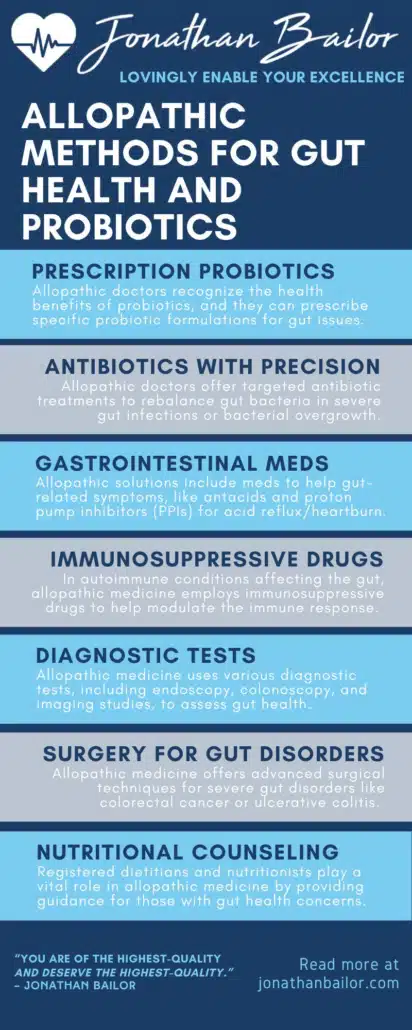
Allopathic Solutions for Gut Health and Probiotics: Evidence-Based Approaches

1. Prescription Probiotics

Allopathic medicine recognizes the health benefits of probiotics, and healthcare providers can prescribe specific probiotic formulations to address various gut health issues. These prescription probiotics often contain higher concentrations of beneficial strains and are used to manage conditions like irritable bowel syndrome (IBS), inflammatory bowel disease (IBD), and antibiotic-associated diarrhea. Over-the-counter probiotic supplements can help improve your gut health, but they are not nearly as effective as the prescription variety addressing specific gastrointestinal disorders.

2. Antibiotics with Precision

Allopathic medicine offers targeted antibiotic treatments in cases of severe gut infections or bacterial overgrowth. These medications can help eliminate harmful bacteria in your digestive system and restore a healthy balance in the gut, especially when used in conjunction with specific probiotic strains. It’s essential to use antibiotics under the guidance of a healthcare professional to minimize potential side effects.

3. Gastrointestinal Medications

Allopathic solutions include a range of medications to manage gut-related symptoms. For example, antacids and proton pump inhibitors (PPIs) can help alleviate acid reflux and heartburn. Also, medications like anti-diarrheals and laxatives are available to manage specific gastrointestinal issues.

4. Immunosuppressive Drugs

In the case of autoimmune conditions affecting the gut, such as Crohn’s disease or ulcerative colitis, allopathic medicine employs immunosuppressive drugs. These medications help modulate the immune response, reducing inflammation and relieving symptoms of these chronic conditions.

5. Diagnostic Tests

Allopathic medicine uses various diagnostic tests, including endoscopy, colonoscopy, and imaging studies, to assess gut health accurately. These procedures can identify structural issues, inflammatory conditions, or malignancies, enabling precise diagnoses and treatment plans.

6. Surgery for Gut Disorders

In severe cases of gut disorders like colorectal cancer, diverticulitis, or ulcerative colitis, surgery may be necessary. Allopathic medicine offers advanced surgical techniques to remove affected portions of the intestine, repair damage, and improve overall gut health.

7. Nutritional Counseling

Registered dietitians and nutritionists play a vital role in allopathic medicine by providing evidence-based dietary guidance for individuals with gut health concerns. They can help patients make informed food choices to manage conditions like celiac disease, food allergies, or sensitivities.

These allopathic solutions are grounded in Western medicine’s evidence-based approach to healthcare. When used under the guidance of healthcare professionals, these treatments can address a wide range of gut health issues and improve overall well-being.
Allopathic Methods For Gut Health and Probiotics - Jonathan Bailor

Feeling Better Is Priceless, That's Why We Don't Put A Price On It!

“It’s Like A Free and Medically Valid Version of Noom and Weight Watchers Online”

~ Dr. Doctor Matthew Oleshiak, MD

Click the 'LEARN MORE' button below for free lifetime access to the fast fix program developed by Jonathan and top Ivy League Medical Doctors

LEARN MORE

P.S. It's not a free trial. It's not part of the program for free. The entire program is free, forever, for real! No credit card needed.

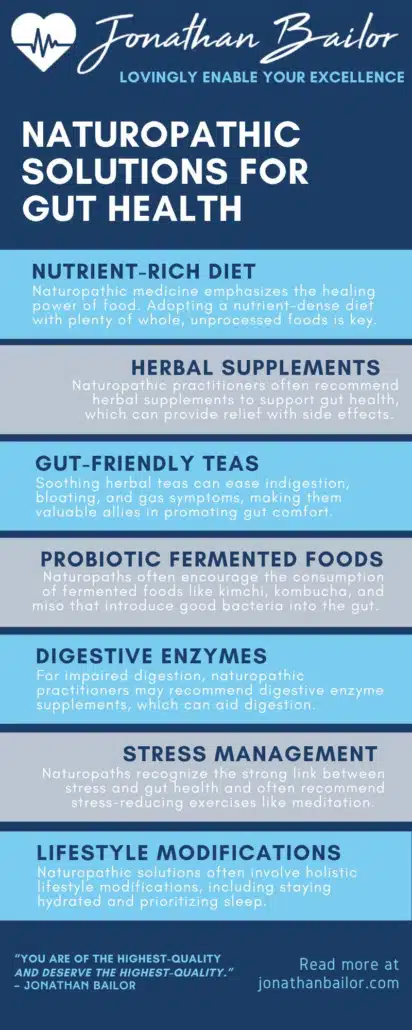
Naturopathic Solutions for Gut Health: Holistic Approaches

1. Nutrient-Rich Diet

Naturopathic medicine emphasizes the healing power of food. Adopting a nutrient-dense diet with plenty of whole, unprocessed foods is a fundamental step. Incorporate probiotic-rich foods like yogurt, sauerkraut, and kefir, as well as fiber from fruits and vegetables, to nourish your gut microbiome.

2. Herbal Supplements

Naturopathic practitioners often recommend herbal supplements to support gut health. For example, peppermint oil can alleviate symptoms of irritable bowel syndrome (IBS), while slippery elm bark can soothe digestive discomfort. These natural remedies can provide relief without the side effects associated with some medications.

3. Gut-Friendly Teas

Herbal teas like ginger, chamomile, and dandelion root are staples in naturopathic care for their digestive benefits. These soothing teas can ease indigestion, bloating, and gas symptoms, making them valuable allies in promoting gut comfort.

4. Probiotic-Rich Fermented Foods

Naturopathic approaches often encourage the consumption of fermented foods like kimchi, kombucha, and miso. These naturally probiotic-rich foods introduce beneficial bacteria into the gut, supporting a balanced microbiome.

5. Digestive Enzyme Supplements

In cases of impaired digestion, naturopathic practitioners may recommend digestive enzyme supplements. These enzymes can help break down food more efficiently, aiding digestion and nutrient absorption.

6. Stress Management Techniques

Naturopathic medicine recognizes the strong connection between stress and gut health. Practices like mindfulness meditation, deep breathing exercises, and yoga are commonly recommended to reduce stress levels, creating a more favorable environment for gut healing.

7. Lifestyle Modifications

Naturopathic solutions often involve holistic lifestyle adjustments. This includes staying hydrated, getting regular exercise, and prioritizing sleep. These lifestyle changes contribute to overall well-being and can positively impact gut health.

Naturopathic solutions offer a holistic approach to gut health, focusing on natural remedies and lifestyle modifications. These approaches aim to address the root causes of gut issues, promoting long-term well-being and a balanced gut microbiome.
Naturopathic Solutions for Gut Health - Jonathan Bailor

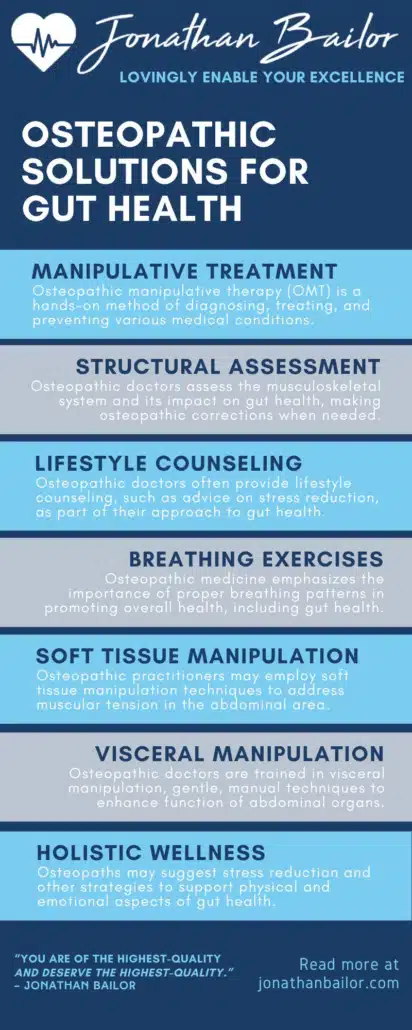
Osteopathic Solutions for Gut Health: A Holistic Approach

1. Osteopathic Manipulative Treatment (OMT)

Osteopathic physicians are trained in OMT, a hands-on approach to diagnosing, treating, and preventing various medical conditions, including gut issues. OMT techniques can help improve the mobility of abdominal muscles and organs, enhance digestive function, and alleviate discomfort.

2. Structural Assessment

Osteopathic practitioners assess the musculoskeletal system and its impact on gut health. They consider factors like posture and spinal alignment, as misalignments or imbalances can affect nerve function and contribute to digestive problems. Osteopathic adjustments can restore proper alignment and function.

3. Lifestyle Counseling

Osteopathic physicians often provide lifestyle counseling as part of their approach to gut health. They may offer guidance on stress management techniques, dietary modifications, and exercise regimens tailored to each individual’s needs. These recommendations aim to foster a balanced gut environment.

4. Breathing Exercises

Osteopathic medicine emphasizes the importance of proper breathing patterns in promoting overall health, including gut health. Diaphragmatic breathing techniques can reduce stress, improve oxygenation, and enhance digestion by calming the nervous system.

5. Soft Tissue Manipulation

Osteopathic practitioners may employ soft tissue manipulation techniques to address muscular tension in the abdominal area. These techniques can aid digestion and alleviate discomfort by releasing tension and improving blood flow to the gut.

6. Visceral Manipulation

Osteopathic physicians are trained in visceral manipulation, which involves gentle, manual techniques to enhance the movement and function of abdominal organs. This approach can be particularly beneficial for individuals with chronic digestive issues.

7. Holistic Wellness

Osteopathic solutions prioritize the holistic well-being of individuals. Osteopathic physicians consider the interconnectedness of the body and mind when addressing gut health. They may recommend stress reduction techniques, mindfulness practices, and other strategies to support both physical and emotional aspects of gut health.

Osteopathic solutions offer a holistic and hands-on approach to improving gut health. By addressing structural and lifestyle factors, osteopathic physicians aim to restore balance and harmony within the body, promoting optimal digestion and overall well-being.
Osteopathic Solutions for Gut Health - Jonathan Bailor

Alternative Medicine and Eastern Medicine Solutions for Gut Health

1. Traditional Chinese Medicine (TCM) Acupuncture

TCM recognizes the vital connection between the gut and overall health. Acupuncture, a cornerstone of TCM, can help balance the body’s energy, or qi, and address digestive imbalances. Acupuncture is a technique that involves inserting thin needles into specific acupuncture points in the body. This technique is used by practitioners to stimulate gut function, alleviate discomfort, and support overall well-being.

2. Ayurvedic Herbal Remedies

Ayurveda, the ancient system of medicine from India, offers a wealth of herbal remedies for digestive health. Herbs like Triphala, ginger, and fennel are used to ease indigestion bloating and promote healthy digestion. Ayurvedic practitioners tailor remedies to an individual’s unique constitution and needs.

3. Meditation and Mindful Eating

Mind-body practices, such as meditation and mindful eating, are integral to Ayurveda and traditional Eastern medicine. These practices cultivate awareness, reduce stress, and promote a balanced approach to food. By eating mindfully and in a relaxed state, you can enhance digestion and gut comfort.

4. Japanese Kampo Medicine

Kampo, a traditional Japanese herbal medicine system, offers unique gut health remedies. Herbal formulations like Daikenchuto (DKT) are used to relieve symptoms of functional gastrointestinal disorders and improve bowel function. Kampo medicine takes a holistic approach to addressing gut issues.

5. Yoga for Digestive Health

Yoga, originating from ancient India, offers a range of poses and practices specifically designed to support gut health. Poses like the “Wind-Relieving Pose” and “Cat-Cow Stretch” can stimulate digestion, relieve bloating, and ease constipation. Regular yoga practice can promote overall gut wellness.

6. Tai Chi for Gut Harmony

Tai Chi, a gentle and flowing martial art from China, can improve gut health through its stress-reducing and meditative qualities. The slow, deliberate movements of Tai Chi can enhance digestion, reduce inflammation, and promote relaxation, supporting gut health over time.

7. Homeopathic Remedies

Homeopathy, an alternative medicine system, offers individualized remedies for various gut-related issues. Homeopathic practitioners prescribe remedies based on an individual’s specific symptoms and constitution. These highly diluted remedies aim to stimulate the body’s innate healing ability and restore gut balance.

Alternative and Eastern medicine solutions encompass a rich mix of practices and remedies that prioritize balance, harmony, and holistic well-being. These approaches offer a complementary perspective on gut health and can be a valuable addition to your wellness journey.
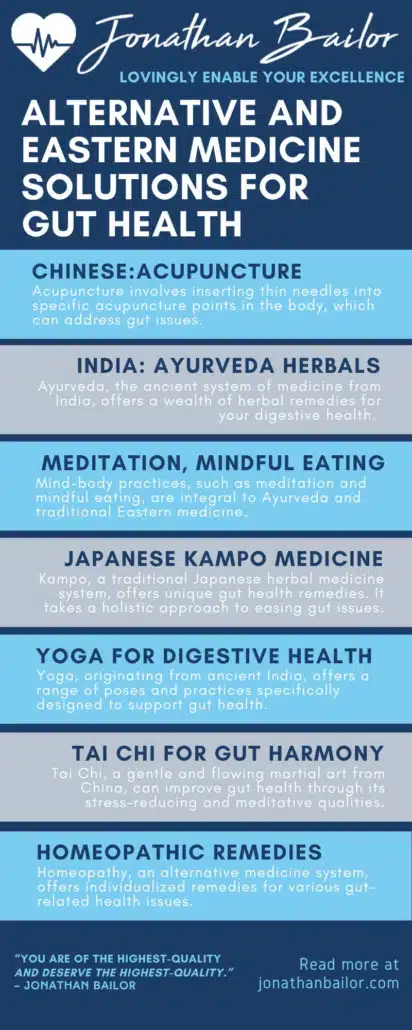
Alternative and Eastern Medicine Solutions for Gut Health - Jonathan Bailor

FAQ: Navigating the Path to Gut Health

Q1: What Is the Gut Microbiome, and Why Is It Important for Health?

A1: The gut microbiome refers to the vast community of microorganisms in your digestive tract, including bacteria, viruses, and fungi. It matters in digestion, nutrient absorption, and immune system regulation. A balanced gut microbiome is essential for overall health, as it helps protect against harmful pathogens, synthesizes vitamins, and influences various bodily functions.

Q2: How Can I Improve My Gut Health Naturally?

A2: Improving gut health naturally involves adopting a well-rounded approach. Start by eating a diverse, fiber-rich diet that includes plenty of fruits and vegetables. Incorporate fermented foods like yogurt, kimchi, and sauerkraut to introduce beneficial probiotics. Manage stress through techniques like meditation or deep breathing, as chronic stress can disrupt gut health. Stay hydrated, exercise regularly, and prioritize quality sleep to support a healthy gut.

Q3: Are Probiotics a Safe and Effective Way to Boost Gut Health?

A3: When used appropriately, probiotics can be safe and effective for improving gut health. These live beneficial bacteria can help restore balance in the gut microbiome. However, choosing the right probiotic strains for your specific needs is essential. It is important to consult with a healthcare professional, particularly if you have underlying health conditions or are taking medications. The effects of probiotics may differ from person to person, so it is important to monitor how they affect your gut health.

Q4: Can Gut Health Affect My Mental Well-Being?

A4: Yes, gut health and mental well-being are interconnected. The gut-brain axis is a bidirectional communication system between the gut and the brain. A balanced gut microbiome plays a role in regulating mood and mental health. Imbalances in the gut microbiome have been associated with conditions like anxiety and depression. Therefore, nurturing your gut health through diet, probiotics, and stress management can positively influence your mental well-being.

Q5: When Should I Seek Professional Help for Gut Health Concerns?

A5: It’s essential to seek professional help for gut health concerns if you experience persistent symptoms like severe abdominal pain, blood in stools, unexplained weight loss, or chronic diarrhea. Also, if you have underlying conditions like inflammatory bowel disease (IBD) or irritable bowel syndrome (IBS), consult with a healthcare provider for proper diagnosis and management. If you’re considering significant dietary or lifestyle changes to address gut issues, it’s advisable to consult a registered dietitian or healthcare professional for guidance tailored to your unique needs.

Share the Wisdom: Cultivate Gut Health, Transform Wellness

In your quest for gut health, you’ve uncovered a world of possibilities and knowledge. Remember, your gut is a dynamic ecosystem that influences your entire well-being. As you embark on this journey, consider sharing the wisdom you’ve gained with friends and family. The path to gut health is one we all navigate, and your insights can spark positive changes in others’ lives. Whether through social media, email, or a simple conversation, invite them to join in on the discussion. Together, we can cultivate gut health, transform wellness, and create a healthier world, one gut at a time.

Feeling Better Is Priceless, That's Why We Don't Put A Price On It!

“It’s Like A Free and Medically Valid Version of Noom and Weight Watchers Online”

~ Dr. Doctor Matthew Oleshiak, MD

Click the 'LEARN MORE' button below for free lifetime access to the fast fix program developed by Jonathan and top Ivy League Medical Doctors

LEARN MORE

P.S. It's not a free trial. It's not part of the program for free. The entire program is free, forever, for real! No credit card needed.

24 Ways to Boost Gut Health with Probiotics

Here are 24 best ways to boost gut health with probiotics in this Gut Health article with Jonathan Bailor!

Prepare to embark on a journey to improve your gut health with a friendly guide who cares about your well-being. This is not a generic health lecture but a personalized conversation catering to your needs and goals. You are a unique individual, and you deserve to feel your best.

Gut health is crucial for overall well-being, regardless of age or background. And probiotics can help you achieve it. Probiotics are friendly microorganisms that act as superheroes in the gut. They work behind the scenes to ensure your digestive system functions smoothly, support your immune system, and even affect your mood. The best part is that they are easy to incorporate into your daily routine.

Take care of your gut better with our Avoiding Holiday Bloat: 6 Ways to be Less Gassy During the Holidays and 26 Habits to Improve Gut Health with Probiotics at Every Stage of Life guides next!

Our mission is simple: to provide you with actionable, science-backed tips to boost gut health with probiotics. By reading through these 24 ways to improve your gut health with probiotics, you’ll gain valuable knowledge and feel empowered to take control of your health journey. And that’s something worth sharing with your friends and family.

So get ready to absorb the wisdom, share the knowledge, and take the first step toward a healthier you. Together, we can all embrace better gut health and live our best lives.

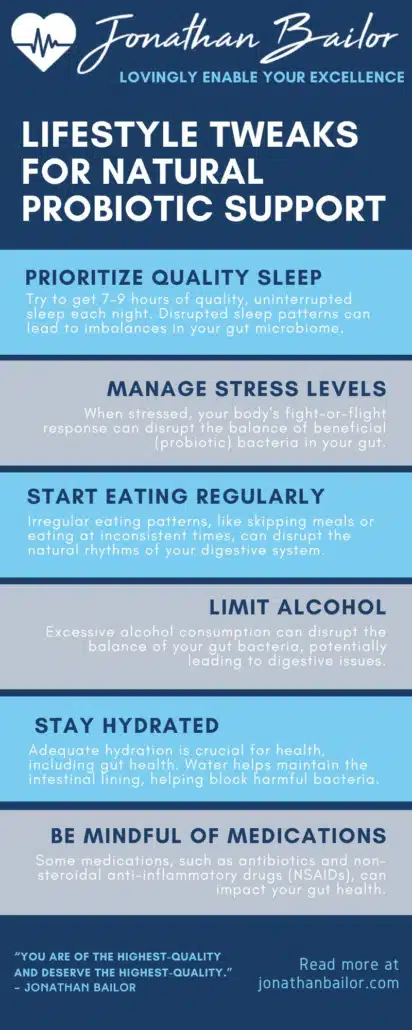
Improving Your Gut Health: Lifestyle Changes Beyond Diet and Activity to Support Natural Probiotics

1. Prioritize Quality Sleep

In the quest for better gut health, don’t underestimate the power of a good night’s sleep. Quality sleep is like a reset button for your body, which is crucial to maintaining a healthy gut. During deep sleep, your body performs essential maintenance tasks, including repairing and renewing gut tissues. Disrupted sleep patterns can lead to imbalances in your gut microbiome and reduced probiotics, potentially causing digestive issues and inflammation. Try to get 7-9 hours of quality, uninterrupted sleep each night to give your gut the restorative break it deserves.

2. Manage Stress Levels

Chronic stress can severely harm your gut health. When stressed, your body’s fight-or-flight response can disrupt the balance of beneficial (probiotic) bacteria in your gut. This imbalance may lead to digestive problems and weakened immunity. Incorporate stress management techniques, such as meditation, deep breathing exercises, or yoga, into your daily schedule. These practices can help soothe your mind and create a more harmonious environment for your gut microbiome.

3. Establish Regular Eating Habits

Consistency in your eating schedule can benefit your gut health. Irregular eating patterns, like skipping meals or eating at inconsistent times, can disrupt the natural rhythms of your digestive system. This inconsistency may lead to digestive discomfort and imbalances in your gut flora. Try to establish a regular eating routine by consuming meals and snacks at consistent intervals throughout the day. Your gut will appreciate the predictability, and it can contribute to better digestion.

4. Limit Alcohol Consumption

While we’re not looking at dietary changes, it’s worth mentioning that excessive alcohol consumption can harm your gut health. Alcohol can disrupt the delicate balance of your gut microbiome and increase the permeability of your intestinal lining, potentially leading to inflammation and digestive issues. If you drink alcohol, do so in moderation to reduce its impact on your gut. Opt for lower-alcohol options or consider alcohol-free days to give your gut a break.

5. Stay Hydrated

Adequate hydration is a fundamental aspect of overall health, including gut health. Water helps maintain the mucus lining of your intestines, which acts as a protective barrier against harmful bacteria. Dehydration can lead to constipation and hinder the proper functioning of your digestive system. Aim to drink enough water throughout the day to stay well-hydrated. Herbal teas and infused water can also contribute to your hydration needs while providing additional benefits to your gut.

6. Be Mindful of Medications

Some medications, such as antibiotics and non-steroidal anti-inflammatory drugs (NSAIDs), can impact your gut health. Antibiotics can disrupt the balance of gut bacteria, while NSAIDs may irritate the lining of your stomach and intestines. If you require these medications, discuss potential gut health concerns with your healthcare provider. They can provide guidance on minimizing the impact on your gut or recommend probiotics to help restore balance.

Improving your gut health goes beyond just diet and physical activity. Incorporating these lifestyle changes into your daily routine can create a more nurturing environment for your gut microbiome, ultimately contributing to your overall well-being. Remember, small, consistent adjustments can make a significant difference in the long run.

LIfestyle Tweaks for Natural Probiotic Support - Jonathan Bailor

Feeling Better Is Priceless, That's Why We Don't Put A Price On It!

“It’s Like A Free and Medically Valid Version of Noom and Weight Watchers Online”

~ Dr. Doctor Matthew Oleshiak, MD

Click the 'LEARN MORE' button below for free lifetime access to the fast fix program developed by Jonathan and top Ivy League Medical Doctors

LEARN MORE

P.S. It's not a free trial. It's not part of the program for free. The entire program is free, forever, for real! No credit card needed.
Enhancing Gut Health: Dietary Tweaks for Optimal Well-Being

1. Embrace Fiber-Rich Foods

One of the cornerstones of a gut-healthy diet is fiber. Soluble fiber, found in foods like Brussels sprouts, flaxseeds, and low-fructose fruits like berries, acts as fuel for beneficial probiotic gut bacteria, promoting their growth and diversity. Insoluble fiber, found in most vegetables, especially celery and legumes, adds bulk to your stool and supports regular bowel movements. By incorporating a variety of fiber-rich foods into your diet, you can nourish your gut microbiome and maintain a healthy digestive system.

2. Include Fermented Foods for Probiotics

Fermented foods are a treasure trove of probiotics, those friendly bacteria that work wonders for your gut. Yogurt, kefir, sauerkraut, kimchi, and kombucha are all excellent sources of probiotics. These live cultures can help replenish and maintain a balanced gut microbiome. Just a small serving of fermented foods each day can make a significant difference in your digestive health.

3. Reduce Added Sugar Intake

Excessive sugar consumption can negatively impact your gut health by promoting the growth of harmful bacteria and yeast. It can also lead to inflammation and increased gut permeability. To support a healthy gut, aim to cut back on foods and drinks loaded with added sugars. Opt for whole, low-sugar fruits like berries instead of satisfying your sweet tooth with processed desserts. Whole fruits provide natural sweetness, essential nutrients, and fiber.

4. Opt for Prebiotic Foods

Prebiotics are like nourishing fertilizers for your gut bacteria. They’re non-digestible fibers found in foods like garlic, onions, leeks, and asparagus. By including prebiotic-rich foods in your diet, you provide essential nutrients that support the growth and activity of beneficial (probiotic) gut bacteria. Think of it as tending to your gut garden, prebiotics help the good bacteria flourish.

5. Moderate Your Alcohol Consumption

While we focus on diet here, it’s crucial to mention that excessive alcohol intake can harm your gut. Alcohol can disrupt the balance of gut bacteria and lead to gut inflammation. To support gut health, limit alcohol consumption and be mindful of its impact on your digestive system. Opt for alcohol-free days and choose lower-alcohol options when you do indulge.

6. Stay Hydrated with Water

Adequate hydration is a critical component of a gut-healthy diet. Water helps maintain the mucus lining in your intestines, acting as a protective barrier against harmful bacteria. Dehydration can lead to constipation and hinder proper digestion. Make a conscious effort to drink enough water throughout the day, and consider herbal teas or infused water for added hydration benefits.

By making these dietary adjustments, you can provide your gut with the essential nutrients and support it needs to thrive. Remember, small changes over time can significantly improve your gut health and overall well-being.

Dietary Tweaks for Optimal Well-Being - Jonathan Bailor

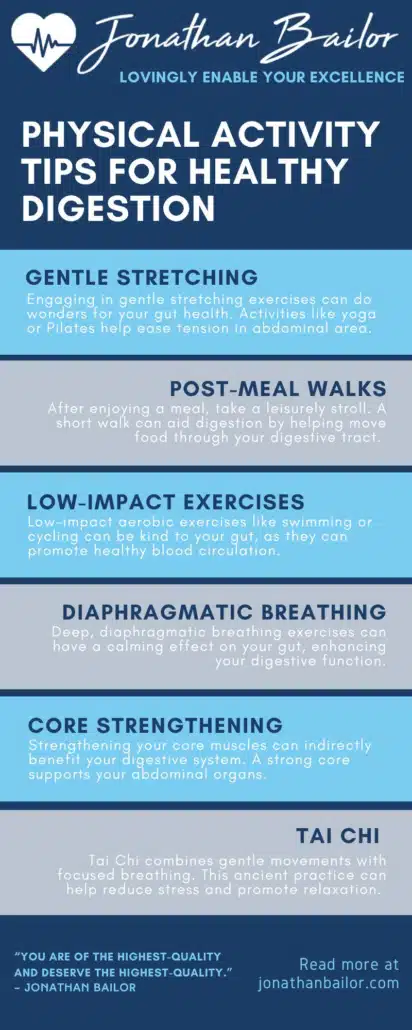
Elevate Gut Health: Physical Activity Tips for a Thriving Digestive System

1. Incorporate Gentle Stretching

Engaging in gentle stretching exercises can do wonders for your gut health. Activities like yoga or Pilates promote flexibility and help ease tension in your abdominal area. These movements stimulate blood flow to your digestive organs, potentially reducing bloating and discomfort. Adding a few minutes of gentle stretching into your daily routine can be a soothing way to support your digestive system.

2. Prioritize Post-Meal Walks

After enjoying a meal, consider taking a leisurely stroll. A short walk can aid in digestion by encouraging the movement of food through your digestive tract. It may help prevent that uncomfortable feeling of fullness and promote more efficient nutrient absorption. This simple habit can be especially beneficial after larger meals.

3. Engage in Low-Impact Exercises

Low-impact aerobic exercises like swimming or cycling can be kind to your gut. Unlike high-impact activities that may jostle your digestive system, these gentle movements can promote healthy blood circulation without causing discomfort. Regular, low-impact exercise can contribute to a more harmonious gut environment.

4. Practice Diaphragmatic Breathing

Deep, diaphragmatic breathing exercises can have a calming effect on your gut. By expanding and contracting your diaphragm, you stimulate the vagus nerve, which connects your brain to your digestive system. This stimulation can enhance digestive function and reduce stress-related gut symptoms. Incorporate diaphragmatic breathing into your daily routine to support both your gut and your overall well-being.

5. Engage in Core-Strengthening Exercises

Strengthening your core muscles can indirectly benefit your digestive system. A strong core supports your abdominal organs, helping them function optimally. Exercises like planks, leg raises, and bridges can help build core strength. A stable core can aid in maintaining healthy digestion and reducing the risk of gastrointestinal discomfort.

6. Try Tai Chi for Mind-Body Harmony

Tai Chi, often referred to as “meditation in motion,” combines gentle movements with focused breathing. This ancient practice can help reduce stress and promote relaxation, which can positively impact your gut health. Stress reduction is linked to better digestion, making Tai Chi a valuable addition to your routine for overall well-being.

By incorporating these physical activity adjustments into your daily life, you can nurture a healthier gut and promote smoother digestion. Remember, it’s not about intense workouts but rather incorporating mindful movements that support your digestive system and overall well-being.

Physical Activity Tips for Healthy Digestion - Jonathan Bailor

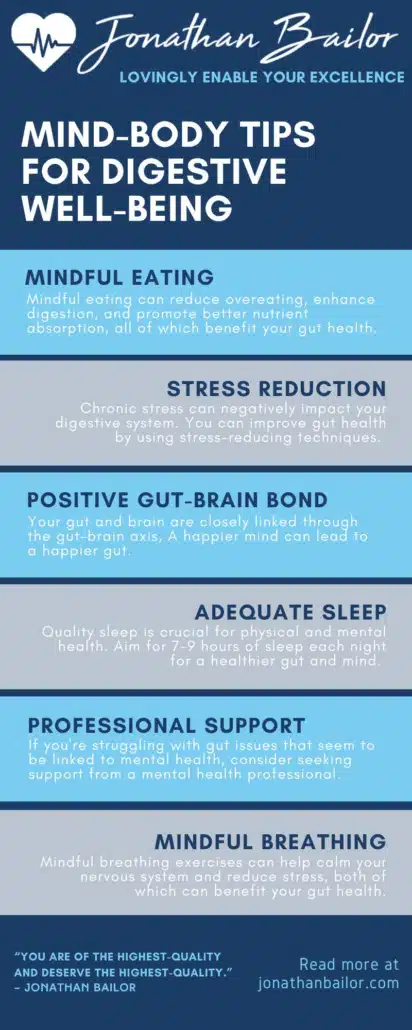
Nurturing Gut Health: Mind-Body Strategies for Digestive Well-Being

1. Practice Mindful Eating

Cultivating mindfulness during meals can transform your relationship with food and support a healthier gut. Pay close attention to the textures, flavors, and aromas of your food. Chew slowly and savor each bite, allowing your body to signal when it’s satisfied. Mindful eating can reduce overeating, enhance digestion, and promote better nutrient absorption, all of which benefit your gut health.

2. Embrace Stress-Reducing Techniques

Chronic stress can negatively impact your digestive system. You can improve your gut health by incorporating stress-reducing techniques like meditation, progressive muscle relaxation, or mindfulness meditation into your daily routine. These practices help lower stress hormones and encourage a more balanced gut microbiome with plenty of natural probiotics. A calm mind goes hand in hand with a calm gut.

3. Cultivate a Positive Gut-Brain Connection

Your gut and brain are closely interconnected through the gut-brain axis. Nurturing a positive connection between the two can profoundly affect your gut health. Engage in activities that boost your mood and emotional well-being, such as spending time with loved ones, pursuing hobbies, or practicing gratitude. A happier mind can lead to a happier gut.

4. Prioritize Adequate Sleep

Quality sleep is not only crucial for physical health but also for mental well-being. Insufficient sleep can lead to increased stress and anxiety, which can negatively impact your gut. Aim for 7-9 hours of restorative sleep each night to support a balanced gut microbiome and a calmer mind.

5. Seek Professional Support

If you’re struggling with persistent gut issues that seem to be linked to mental health, consider seeking support from a mental health professional. Both physical and psychological factors often influence conditions like irritable bowel syndrome (IBS). Therapy or counseling can help you develop coping strategies to manage symptoms and improve your overall well-being.

6. Practice Mindful Breathing Techniques

Mindful breathing exercises can help calm your nervous system and reduce stress, both of which can benefit your gut health. Techniques like box breathing or 4-7-8 breathing can be performed anywhere, providing you with quick stress relief and promoting a healthier gut environment.

Nurturing your gut health involves not only dietary and physical adjustments but also mental and emotional well-being. By incorporating these mind-body strategies into your daily life, you can create a harmonious environment that supports your digestive system and promotes overall health and happiness.

Mind-Body Tips For Digestive Well-Being - Jonathan Bailor

FAQ: Gut Health with Probiotics-Your Burning Questions Answered

Q1: What Are Probiotics, and How Do They Benefit Gut Health?

A1: Probiotics are live microorganisms, often called “friendly bacteria,” that can provide numerous health benefits when consumed in adequate amounts. These microorganisms are naturally present in your gut and play a crucial role in maintaining a balanced gut microbiome. Probiotics can help improve gut health by supporting digestion, enhancing nutrient absorption, and promoting a strong immune system. They also help maintain a healthy balance of gut bacteria, which is essential for overall well-being.

Q2: Can Probiotics Help with Digestive Issues Like Bloating and Irritable Bowel Syndrome (IBS)?

A2: Yes, probiotics have shown promise in alleviating digestive issues like bloating and IBS. Research suggests that certain strains of probiotics may help regulate bowel movements, reduce abdominal discomfort, and ease symptoms associated with IBS. However, the effectiveness of probiotics can vary from person to person, and not all strains may provide the same benefits. It’s essential to consult a healthcare provider before starting any probiotic regimen to determine which strains may be most suitable for your specific digestive concerns.

Q3: Are Probiotics Safe for Everyone, Including Children and Older Adults?

A3: Probiotics are generally considered safe for most people, including children and older adults. However, choosing probiotics appropriate for your age group and specific health needs is crucial. Always consult with a healthcare professional before giving probiotics to infants or young children, as their digestive systems are still developing. Similarly, older adults may benefit from probiotics, but it’s essential to consider any underlying medical conditions or medications that may interact with probiotics. As with any supplement, it’s wise to seek professional guidance to ensure safe and effective use.

Q4: Can I Get Probiotics from My Diet Alone, or Do I Need Supplements?

A4: While certain foods naturally contain probiotics, such as yogurt, kefir, sauerkraut, and kimchi, it can be challenging to obtain a consistent and adequate supply solely from your diet. Probiotic supplements can provide a more concentrated and standardized dose of beneficial bacteria. These supplements are available in various forms, including capsules, powders, and chewable tablets. Whether or not you need supplements depends on your dietary habits and health goals. If you’re looking to target specific gut health issues or ensure a consistent probiotic intake, supplements may be a valuable addition to your routine.

Q5: How Long Does It Take to See Results from Probiotic Use?

A5: The time it takes to see results from probiotic use can vary widely depending on factors such as the specific probiotic strain, the condition being addressed, and individual differences. Some people may experience improvements in digestive comfort relatively quickly, within a few days to a few weeks. However, for more chronic or complex digestive issues, it may take several weeks or even months to notice significant changes. Consistency is key when using probiotics, so taking them regularly as directed is essential. If you don’t see the desired results after a reasonable period, it’s advisable to consult with a healthcare provider to explore other options and potential underlying issues.

Taking Charge of Your Gut Health: Your Path to Wellness

In your journey to better gut health, you’ve uncovered a wealth of knowledge and practical tips. From dietary tweaks to mindful practices, you now have a toolkit for nurturing your digestive well-being. Remember, small, consistent changes can lead to significant improvements in your gut health and overall vitality.

Share this valuable information with your friends and family, so they, too, can embark on a path to wellness. Together, we can make the world a healthier place, one person at a time. Spread the word on social media, via email, or however you prefer, and let’s inspire a community of healthier, happier individuals.

Feeling Better Is Priceless, That's Why We Don't Put A Price On It!

“It’s Like A Free and Medically Valid Version of Noom and Weight Watchers Online”

~ Dr. Doctor Matthew Oleshiak, MD

Click the 'LEARN MORE' button below for free lifetime access to the fast fix program developed by Jonathan and top Ivy League Medical Doctors

LEARN MORE

P.S. It's not a free trial. It's not part of the program for free. The entire program is free, forever, for real! No credit card needed.