Coughing & Phlegm

25 Home Remedies to Ease a Persistent Cough

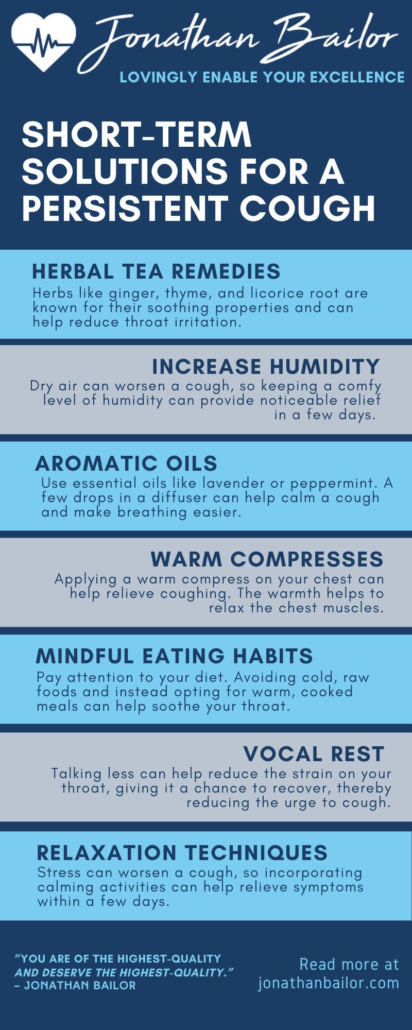
Short answer: a persistent cough almost never has a generic fix. It has a cause, and the cause decides the remedy. Five conditions drive roughly 90 percent of chronic cough cases, and the home remedies that actually work are the ones matched to the right one. I’ll walk you through each cause, then name the evidence-backed remedies for each.

I’ve spent the better part of two decades reading clinical literature on respiratory and gut health, and the single biggest mistake I see with cough articles is the listicle format. Twenty-five random remedies, no framework, no idea which one to try. That approach fails because a cough from post-nasal drip and a cough from silent reflux respond to completely different treatments. Honey helps one of them. A wedge pillow helps the other. If you guess wrong, you stay sick.

Let me give you the honest version.

The Five Causes That Explain Almost Every Persistent Cough

A chronic cough is usually defined as one that lasts longer than eight weeks in adults. According to a 2017 review in American Family Physician, upper airway cough syndrome, asthma, and gastroesophageal reflux together account for roughly 90 percent of chronic cough cases in nonsmokers who are not on an ACE inhibitor. Add post-viral cough and medication-induced cough and you have explained almost every case walking into a primary care office.

Here is the short version before we go deep:

  • Post-viral cough: lingers 3 to 8 weeks after a cold or flu. Airway is hypersensitive, not infected.
  • Upper airway cough syndrome (post-nasal drip): mucus dripping from the sinuses triggers the cough reflex. The cough is a symptom of the sinuses, not the lungs.
  • GERD and LPR (silent reflux): stomach contents reach the throat and airway. Often no heartburn at all.
  • Asthma and cough-variant asthma: sometimes the only symptom is a dry cough that gets worse with cold air or exercise.
  • Medication-induced, especially ACE inhibitors: blood pressure drugs like lisinopril cause dry cough in roughly 1 in 10 patients.

Smoking is the sixth obvious driver and has its own answer: stop. No home remedy fixes a smoker’s cough while the smoking continues.

Post-Viral Cough: The Most Common One Nobody Warns You About

You had a cold three weeks ago. The fever is gone, the congestion is gone, and you still cannot stop coughing. This is the most common persistent cough in family medicine, and it is not an infection that needs antibiotics. It is airway hypersensitivity left over from the viral inflammation. The cilia that line your airways are still regenerating, and the cough reflex threshold is temporarily set too low.

Post-viral cough typically lasts 3 to 8 weeks. A small percentage of people cough for up to twelve weeks. This is normal. Frustrating, but normal.

What Actually Works for Post-Viral Cough

Honey. This is the one remedy with real randomized controlled trial data behind it. The Cochrane review on honey for acute cough pooled six trials and 899 children and concluded that honey probably relieves cough symptoms more than no treatment, more than diphenhydramine (the antihistamine in most OTC cough syrups), and more than placebo. It works about as well as dextromethorphan, the active ingredient in Robitussin DM. For a home remedy, that is a remarkable body of evidence. Two teaspoons of plain honey before bed. Medical-grade manuka is not required. Supermarket honey works in the trials.

Important safety note: never give honey to infants under 12 months. The risk of infant botulism is real.

Warm fluids and humidified air. These reduce the sensation of airway irritation and thin secretions. A hot shower before bed is basically a free humidifier session.

Avoid OTC cough suppressants as first-line. A separate Cochrane review of over-the-counter cough medications found no good evidence that they reliably outperform placebo in community settings. Dextromethorphan has weak signals. Most of what you see on the pharmacy shelf is there because it has been there for decades, not because it beat saline in a trial.

Upper Airway Cough Syndrome: When the Problem Is Above the Lungs

This used to be called post-nasal drip. The American College of Chest Physicians renamed it upper airway cough syndrome because the mechanism is broader than literal dripping. Inflamed or infected sinuses, allergic rhinitis, and non-allergic rhinitis all send mucus down the back of the throat, where it mechanically triggers the cough reflex. By some estimates, UACS is the single most common cause of chronic cough, responsible for 34 to 70 percent of cases in referred patients.

The giveaway symptoms: you feel stuff in the back of your throat, you clear your throat constantly, the cough is worse when you lie down (because drainage pools differently), and you often have nasal congestion or a history of allergies.

What Actually Works for Post-Nasal Drip Cough

  • Saline nasal irrigation. A neti pot or squeeze bottle with isotonic saline, twice a day. This is the single highest-ROI home intervention for UACS. Use distilled or previously boiled water. Never tap water.
  • A first-generation antihistamine plus decongestant for allergic patterns. The old sedating ones like chlorpheniramine actually outperform non-sedating antihistamines for UACS-related cough, per the CHEST guidelines. The sedation is a real side effect, so take it at night.
  • Intranasal steroid spray for allergic or chronic rhinitis. Fluticasone and similar sprays need two to four weeks to reach full effect. Do not quit after three days.
  • Sleep with the head elevated. Gravity helps sinus drainage instead of sending mucus straight down your throat all night.

If saline rinses plus a two-week trial of an antihistamine and intranasal steroid does not help, the problem is probably not UACS and it is time to look at the next cause.

GERD and Silent Reflux: The Cause Nobody Sees Coming

Here is the one that gets missed in primary care offices constantly. Laryngopharyngeal reflux, or LPR, is silent reflux. Stomach contents travel up past the esophagus and reach the throat and larynx, and the classic heartburn signal never shows up. You just cough. Sometimes for years.

The pattern to watch for: morning hoarseness, a throat clearing habit, a sour taste on waking, a cough that shows up after meals or when you lie down, and no heartburn. If you have been to a doctor for a chronic cough and they ruled out asthma and post-nasal drip, reflux is the next stop. I’ve written about the downstream gut piece of this in detail in my article on phlegm after eating, which is worth reading if the cough is worst after meals.

What Actually Works for Reflux Cough

  • Stop eating within three hours of lying down. This is the highest-ROI single change in the LPR literature. Food in the stomach plus horizontal plus a relaxed lower esophageal sphincter is the recipe for reflux. Remove the timing, remove most of the event.
  • Raise the head of your bed 6 to 8 inches. Bed risers or a wedge pillow, not a stack of regular pillows (which bends your neck without elevating the torso). Gravity is the cheapest drug in the world.
  • Cut the worst dietary triggers. Fried foods, full-fat dairy, chocolate, alcohol, carbonated drinks, coffee on an empty stomach, mint, citrus, tomato, and vinegar. You do not have to eliminate all of them forever. You have to identify which ones are yours.
  • Lose weight if applicable. Even modest weight loss reduces abdominal pressure on the stomach and cuts reflux frequency.
  • Alginate rafts after meals. Products like Gaviscon Advance form a foam layer on top of stomach contents and physically block reflux. Take after meals and at bedtime.

Proton pump inhibitors are sometimes prescribed for reflux cough, but response is mixed when heartburn is absent. A 2024 peer-reviewed review in the Journal of Clinical Medicine on nutrition and LPR found that dietary adherence alone produced symptom reductions comparable to medication. The food and the position matter at least as much as the pill.

Cough-Variant Asthma: The Cough That Is Actually Asthma

In cough-variant asthma, the only symptom is a dry cough. No wheezing. No shortness of breath. Just a cough that gets worse with cold air, exercise, laughter, or at night. This one needs a doctor and a methacholine challenge test to diagnose properly, but there are clues you can spot at home.

Watch for these patterns: cough worse after running or walking up stairs, worse in cold weather, worse at 3 am, triggered by laughing or talking for a long time, and improves when you take an inhaled bronchodilator. If any of that fits, ask your doctor about a short trial of an inhaled corticosteroid. Home remedies are mostly adjunctive here. Warm fluids, avoiding cold dry air, and managing allergens help, but the underlying airway inflammation usually needs a real inhaler.

ACE Inhibitors and Other Medication-Induced Cough

If you started a new blood pressure medication in the last few months and now you have a dry, tickling cough that will not quit, there is a good chance the drug is the problem. ACE inhibitors (lisinopril, enalapril, ramipril, and the rest of the “-pril” family) cause a dry cough in roughly 5 to 20 percent of patients according to AAFP, with most estimates landing near one in ten. The mechanism is bradykinin accumulation in the airways. It can start within days of the first dose or months later.

The fix is not a home remedy. The fix is to talk to your prescribing doctor about switching to an ARB (a “-sartan” like losartan or valsartan), which treats the same conditions without the cough in almost everyone. Do not stop blood pressure medication on your own. Call first.

Smoker’s Cough and the Honest Part

If you smoke and you have a chronic cough, the cough is your airways asking you to stop. No tea, no honey, no herb solves this while the smoking continues. The good news is that smoker’s cough often improves within weeks of quitting. The airways start clearing accumulated tar and inflammation, and paradoxically the cough can get slightly worse for a week or two before it gets much better. That is normal and means the cilia are doing their job again.

Key Takeaways

  • Five causes explain almost every persistent cough: post-viral, post-nasal drip, GERD/LPR, asthma, and ACE inhibitors. Smoking is the sixth.
  • Honey has genuine Cochrane-level evidence for cough relief. Most over-the-counter suppressants do not.
  • Post-nasal drip responds to saline irrigation, antihistamines, and intranasal steroids, not cough syrup.
  • Silent reflux (LPR) often has no heartburn. Timing and position matter more than any single food.
  • ACE inhibitor cough needs a medication switch, not a remedy. Call your doctor.
  • A cough lasting more than 8 weeks, or any cough with blood, weight loss, fever, or night sweats, needs a doctor immediately.

How to Tell Which Cause Is Yours

Run this short decision tree:

  1. Did a cold or flu come first? Less than 8 weeks since the illness and the cough is your only leftover symptom? Post-viral. Honey, warm fluids, patience.
  2. Constant throat clearing, mucus in the back of the throat, nasal congestion? Upper airway cough syndrome. Start with saline irrigation and a two-week antihistamine trial.
  3. Morning hoarseness, sour taste, cough worse after meals or lying down, no heartburn? Silent reflux. Stop eating 3 hours before bed, elevate the bed, cut the top triggers.
  4. Cough worse with cold air, exercise, or at night, and you have allergies or a family history of asthma? See a doctor about cough-variant asthma.
  5. Started a “-pril” medication recently? ACE inhibitor cough. Call the prescriber about switching to an ARB.

If none of the above fit, or if you have been coughing longer than 8 weeks with no clear pattern, you need a real workup. That means a chest x-ray, pulmonary function testing, and often an ENT evaluation. Rare but serious causes (like eosinophilic bronchitis, bronchiectasis, or early-stage lung problems) can masquerade as ordinary cough, and the only way to rule them out is with a clinician.

Where This Connects to the Rest of Your Health

A lot of the stubborn cough cases I hear about have the same underlying theme: a gut that is not emptying well, a sinus system that is chronically inflamed from food sensitivities, and an airway that is hypersensitive from years of low-grade reflux. These are not separate problems. They share upstream drivers like diet quality, timing of meals, stress, and the state of the microbiome.

When readers ask me where to find independent, evidence-based reviews of the supplements that target chronic cough at the airway and reflux level, I point them to the Consumer Health Guide cough supplement reviews, which my editorial team publishes independently of any manufacturer. Start there before you start guessing at the pharmacy.

Frequently Asked Questions

How long is too long for a persistent cough?

Eight weeks is the clinical cutoff for chronic cough in adults. Anything past that, or any cough at all with red flag symptoms (blood, unintentional weight loss, night sweats, fever, shortness of breath), needs a doctor. A post-viral cough can last up to 8 weeks and still be benign, but 12 weeks without improvement is not.

Does honey really work for cough?

Yes, and the evidence is better than most people realize. The Cochrane review comparing honey to diphenhydramine, placebo, and dextromethorphan found honey outperforms placebo and antihistamines and works about as well as dextromethorphan for cough relief and sleep quality. Two teaspoons of plain honey before bed is a reasonable trial. Do not give honey to children under 12 months.

Why do OTC cough syrups barely work?

Because most of them were grandfathered into the pharmacy shelves before modern clinical trial standards. The Cochrane review of OTC cough medications in community settings found weak and inconsistent evidence for the active ingredients. The exceptions are specific formulations for specific situations, and even those have small effect sizes compared to honey or steam.

Can GERD really cause a cough without any heartburn?

Yes. It is called laryngopharyngeal reflux or silent reflux, and the majority of patients have no classic heartburn. Throat clearing, morning hoarseness, and a cough that comes and goes with meals are the usual tells. Up to half of LPR patients never experience heartburn at any point.

Should I stop my blood pressure medication if I think it is causing my cough?

Never stop a blood pressure medication on your own. Call your prescriber. If you are on an ACE inhibitor (lisinopril, enalapril, ramipril, and similar), ask about switching to an ARB (losartan, valsartan, and similar), which treats the same conditions without causing cough in almost all patients.

What is the single best home remedy to try tonight?

If you had a cold in the last few weeks and that is when the cough started, two teaspoons of honey before bed. If you have nasal congestion or a throat clearing habit, saline nasal irrigation twice a day. If the cough is worst after meals or when you lie down, stop eating 3 hours before bed and elevate the head of your bed 6 inches. Pick the one that matches your pattern.

When do I absolutely need to see a doctor?

Any blood in what you cough up, unintentional weight loss, night sweats, fever, shortness of breath, chest pain, or a cough that has lasted more than 8 weeks without a clear cause. Also if you have a history of smoking, a family history of lung problems, or any new severe cough in someone over 50.

The Bottom Line

A persistent cough is not a mystery. It is a symptom with about five plausible causes, and once you name the cause, the remedy list is short and mostly evidence-backed. Honey is real. Saline irrigation is real. Elevating the bed is real. A listicle of 25 random remedies is not a plan. A cause-first framework is.

Start with the decision tree. Run the matching remedy for two weeks. If it does not help, move to the next candidate cause. If you hit 8 weeks without relief, or you see any of the red flag symptoms, get a proper workup. Chronic cough is treatable in the vast majority of cases once the right cause is named.

Jonathan Bailor, New York Times bestselling author of The Calorie Myth and The Setpoint Diet.
Harnessing Breath: 27 Techniques to Calm Coughing Fits

In the symphony of life, coughing fits can strike a discordant chord, disrupting the harmonious rhythm of our daily existence. Yet imagine if you had the power to orchestrate these sudden outbursts, not just with breath but with a holistic approach encompassing lifestyle adjustments, gentle exercises, and soothing techniques. This Jonathan Bailor best cough and phlegm guide offers more than just a way to manage coughing fits; it’s a complete approach to retaining your body’s natural rhythm.

Cough help and hacks doesn’t stop here, check out these articles next: 25 Home Remedies to Ease a Persistent Cough and 28 Habits for Minimizing Phlegm Build-Up During Cold Season Now and Later guides.

Here, you’ll find a blend of strategies, with breathing techniques playing the lead role. Each method, a harmonious note in the melody of wellness, is designed to bring relief and stability amidst the turbulence of coughing. These techniques, combined with supportive lifestyle changes and physical activities, form a symphony of remedies that are both simple and profound, easy to adopt, yet remarkably effective. They are not mere exercises but keys to unlocking a world where each breath flows with ease and grace.

Imagine sharing this holistic approach with those you cherish, offering them a suite of tools for well-being. By embracing and teaching these strategies, you’re not just passing on knowledge but sharing a complete guide to serenity and control.

So, let us embark on this journey together, blending breath techniques with lifestyle harmonies, each step a move towards transforming those sudden coughing crescendos into soothing, rhythmic melodies in the beautiful composition of your life.

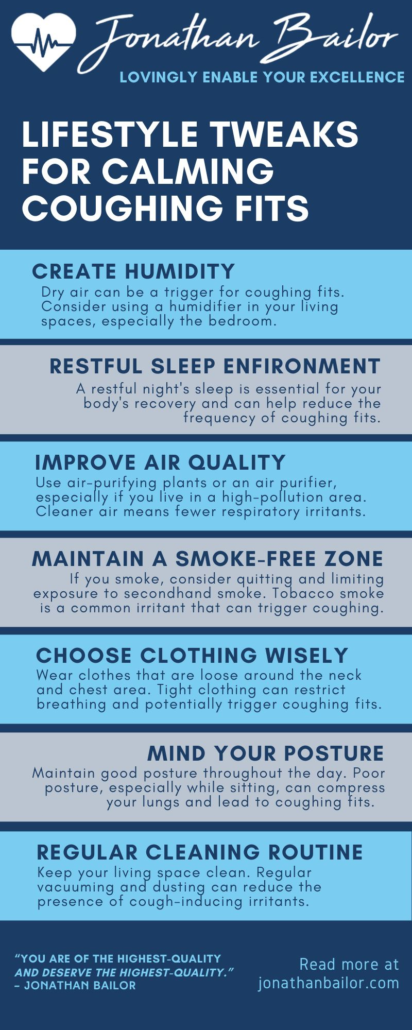
Gentle Shifts: Lifestyle Adaptations for Calming Coughing Fits

managing coughing fits, subtle shifts in your daily lifestyle can create a serene backdrop for relief. Here are some changes to consider for a more cough-friendly way of living:

1. Create a Humidity Haven

Dry air can be a trigger for coughing fits. Consider using a humidifier in your living spaces, especially the bedroom, to maintain a soothing level of humidity that can help keep your airways moist and less prone to irritation.

2. Craft a Restful Sleep Environment

Prioritize creating a sleep sanctuary, cool, dark, and quiet. A restful night’s sleep is essential for your body’s recovery and can help reduce the frequency of coughing fits.

3. Optimize Your Home’s Air Quality

Bring home some air-purifying plants or an air purifier, especially if you live in a high-pollution area. Cleaner air means fewer irritants to trigger coughing, allowing for more comfortable and clear breathing.

4. Embrace a Smoke-Free Zone

If you smoke, consider quitting and limiting exposure to secondhand smoke. Tobacco smoke is a common irritant that can exacerbate coughing fits and harm respiratory health.

5. Choose Clothing Wisely

Wear clothes that are loose around the neck and chest area. Tight clothing can restrict breathing and potentially trigger coughing fits.

6. Mind Your Posture

Be conscious of maintaining good posture throughout the day. Poor posture, especially while sitting, can compress your lungs and make breathing more difficult, leading to coughing. Maintaining good posture supports better lung capacity and ease of breathing, but it’s also important to consider how other factors, like weight management, can impact respiratory health.

Excess weight can place additional pressure on the lungs, potentially contributing to persistent coughing. For compatible individuals, healthcare providers may recommend weight loss drugs as part of a complete plan to support respiratory function and overall well-being.”

7. Regular Cleaning Routine

Keep your living space clean and free from dust and allergens. Regular vacuuming, dusting, and washing of fabrics can reduce the presence of irritants that may cause coughing.

Integrating these lifestyle changes can help create an environment that supports your respiratory health, providing a soothing foundation for managing coughing fits.

Lifestyle Tweaks for Calming Coughing Fits - Jonathan Bailor

Feeling Better Is Priceless, That's Why We Don't Put A Price On It!

“It’s Like A Free and Medically Valid Version of Noom and Weight Watchers Online”

~ Dr. Doctor Matthew Oleshiak, MD

Click the 'LEARN MORE' button below for free lifetime access to the fast fix program developed by Jonathan and top Ivy League Medical Doctors

LEARN MORE

P.S. It's not a free trial. It's not part of the program for free. The entire program is free, forever, for real! No credit card needed.

Nourishing Whispers: Dietary Adjustments for Coughing Comfort

Adjusting your diet can be a gentle yet effective way to soothe and manage coughing fits. Here are some dietary modifications that can help bring a sense of relief and ease:

1. Hydrate with Warm Beverages

Embrace the comfort of warm beverages, such as herbal teas. The warmth can soothe your throat and reduce the tickling sensation that often leads to coughing. Herbal teas like ginger or licorice root can also offer additional soothing properties.

2. Honey: Nature’s Soother

Incorporating a spoonful of honey into your diet, especially in your tea or as a standalone remedy, can coat and calm an irritated throat. Its natural antibacterial properties may also aid in healing if the cough is due to a minor infection.

3. Steamed and Soft Foods

Opt for steamed vegetables and soft foods that are gentle on the throat. Hard or crunchy foods can sometimes irritate a sensitive throat and trigger coughing.

4. Avoid Irritating Foods and Drinks

Foods and beverages that are too spicy, acidic, or cold can sometimes aggravate your throat and lead to coughing. Monitor how different foods affect your cough and adjust accordingly.

5. Limit Dairy If Sensitive

If you cough frequently, you may want to try reducing your dairy intake. Some people produce more mucus when consuming dairy products, which can worsen coughing. By cutting back on dairy, you may be able to reduce your coughing and feel better.

6. Sip on Throat Soothing Blends

Look for or create your own throat-soothing drink blends. Ingredients like chamomile, marshmallow root, and slippery elm have properties known to soothe the throat and ease coughing.

These dietary changes are like a melody of relief, each note tailored to reduce the discomfort of coughing fits, allowing you to find a harmonious balance in your diet and overall well-being.

In addition to dietary modifications for reducing phlegm, some individuals may benefit from exploring weight loss drugs as part of a broader health strategy. These drugs are not suitable for everyone, but they may support compatible individuals in achieving better respiratory and overall health.

Dietary Tweaks to Soothe Coughing Fits - Jonathan Bailor

Gentle Rhythms: Physical Activities to Ease Coughing

Introducing gentle physical activities into your routine can be a soothing melody for managing coughing fits. These exercises can help strengthen your lungs and improve your breathing technique. Here’s how you can modify your physical activity to help ease coughing episodes:

1. Relaxed Walking

Incorporate leisurely walks into your daily schedule. This low-impact activity allows you to breathe deeply and steadily, which can help regulate coughing fits, offering a natural rhythm for your respiratory system.

2. Breathing Exercises

Practice controlled breathing exercises, such as diaphragmatic breathing. This technique encourages full oxygen exchange and can be calming for the airways, reducing the urge to cough.

3. Gentle Stretching and Yoga

Engage in light stretching or yoga, focusing on opening the chest and improving posture. These movements can enhance lung capacity and reduce the tightness around the chest area often associated with coughing.

4. Swimming in Warm Water

If possible, swim in a warm indoor pool. The warm, moist air can help soothe the respiratory tract, while the gentle exercise supports lung health and may ease coughing.

5. Tai Chi or Qigong

These gentle, flowing exercises are not only calming but also beneficial for lung health. They promote deep, controlled breathing, which can help manage coughing episodes.

6. Singing or Humming

Light singing or humming can be a fun and effective way to exercise your lungs and vocal cords. This activity can help strengthen the muscles involved in breathing and may reduce the frequency of coughing fits.

7. Laughter Yoga

Laughter is a natural exercise for your respiratory system. Participating in laughter yoga sessions can help clear the airways and provide temporary relief from coughing.

By integrating these physical activities into your routine, you can find a harmonious balance that not only brings joy but also provides comfort in managing coughing fits.

Physical Activity Tips to Ease Coughing Fits - Jonathan Bailor

Inner Harmony: Mental and Spiritual Practices to Alleviate Coughing

Turning inward to mental and spiritual practices can be incredibly effective in the journey to ease coughing fits. Here are some thoughtful changes you can make to help soothe your cough from within:

1. Mindful Meditation for Respiratory Health

Dedicate time each day to mindful meditation, focusing on your breathing. This practice can help reduce stress, a common trigger for coughing, and promote a sense of calm that supports respiratory well-being.

2. Positive Visualization of Healthy Breathing

Practice visualization exercises where you picture your respiratory system in optimum health and functioning properly. This positive imagery can influence your body’s physical response, which may help ease coughing episodes.

3. Laughter as a Natural Remedy

Integrate laughter into your daily routine. Laughter can be a light-hearted yet effective exercise for your lungs, helping to break up and expel phlegm and providing temporary relief from coughing.

4. Gratitude Journaling for Respiratory Health

Maintain a gratitude journal to focus on the positive aspects of your life, which can foster a positive mindset and potentially improve your overall health. It may also help reduce coughing fits.

5. Spiritual Practices for Comfort

Participate in spiritual practices that align with your beliefs, such as prayer, meditation, or attending services. These activities can promote a sense of tranquility and enhance your overall well-being, which may help ease cough symptoms.

6. Deep Breathing Exercises

Practice deep breathing exercises, focusing on slow, controlled breaths. Taking a slow, deep breath can help relax the muscles involved in coughing and improve overall lung function, helping you stop coughing. Breath techniques to calm coughing fits are highly effective.

7. Connect with Nature for Healing

Spend time in nature as a form of therapy. The peaceful environment and fresh air can be healing and spiritually uplifting, which in turn can have a positive effect on managing coughing fits.

These mental and spiritual practices offer a holistic approach to alleviating coughing.

Mental Spiritual Practices to Relieve Coughing - Jonathan Bailor

Unraveling the Mystery: Coughing and Phlegm FAQ

Coughing and phlegm can often be perplexing, sparking many questions. Let’s looks at some common queries to provide clarity and understanding:

Q1: What causes persistent coughing and phlegm production?

Persistent coughing and phlegm can result from various factors, such as allergies, infections, acid reflux, or chronic respiratory conditions like asthma. Coughing is the body’s response to clear the airways, while phlegm production is a natural defense mechanism against irritants or pathogens.

Q2: Why does phlegm color vary, and what does it indicate?

Phlegm color can range from clear to yellow, green, or even brown, indicating different conditions. Clear phlegm is usually normal; yellow or green suggests infection; brown could indicate dried blood or residue from smoking. If you notice a significant change in phlegm color, especially accompanied by other symptoms, it’s wise to consult a healthcare professional.

Q3: Can certain foods or drinks exacerbate coughing and phlegm?

Yes, some foods and drinks can worsen coughing and phlegm. Dairy products may thicken phlegm for some people, while spicy foods and caffeinated beverages can aggravate coughing, particularly if acid reflux is the underlying cause.

Q4: Can weight management impact symptoms like coughing and phlegm?

Maintaining a healthy weight can reduce pressure on the lungs and airways, potentially decreasing coughing episodes. For certain individuals, weight loss drugs may be an option recommended by healthcare providers to achieve this goal, but they are not suitable for everyone.

Q5: Is it beneficial to suppress a cough?

Suppressing a cough isn’t always beneficial, as coughing is a natural process to clear the airways. However, if a cough is chronic, disruptive, or painful, it’s important to seek medical advice to address the underlying cause and find appropriate relief.

Q6: What are some effective ways to reduce phlegm and ease coughing?

Staying hydrated helps thin the phlegm, making it easier to expel. Warm beverages and steam inhalation can soothe the throat and loosen phlegm. Gentle breathing exercises and ensuring a clean, allergen-free environment can also aid in reducing coughing and phlegm.

Understanding these aspects of coughing and phlegm is crucial for effective management and relief, helping you navigate these common respiratory concerns with greater ease and confidence.

A Breath of Relief: Sharing Insights on Cough and Phlegm

As we reach the end of our exploration into the nuances of coughing and phlegm, let’s not forget the power of sharing knowledge. If these insights have brought you a sense of relief and understanding, imagine the comfort they can offer to those around you. Share this guide with friends and family through social media or a thoughtful email.

By spreading this information, you’re not just offering advice; you’re extending a hand of support, fostering a community where respiratory wellness is a shared goal. Together, let’s embrace and disseminate the wisdom that brings us all a breath of relief.

Feeling Better Is Priceless, That's Why We Don't Put A Price On It!

“It’s Like A Free and Medically Valid Version of Noom and Weight Watchers Online”

~ Dr. Doctor Matthew Oleshiak, MD

Click the 'LEARN MORE' button below for free lifetime access to the fast fix program developed by Jonathan and top Ivy League Medical Doctors

LEARN MORE

P.S. It's not a free trial. It's not part of the program for free. The entire program is free, forever, for real! No credit card needed.

28 Ways to Combat Phlegm Build-up During Cold Season

Here are 28 ways you combat phlegm build-up during cold season in this Cough and Phlegm blog post guide with Jonathan Bailor!

When the cold season rolls in, it brings along the unwelcome guest of phlegm build-up, turning what could be cozy winter days into a chorus of coughs, stuffy noses, and sniffles. But fret not, because navigating through this phlegmy maze doesn’t have to be a daunting journey. Think of it as tuning your body’s natural defenses to the season’s rhythm, transforming your approach to cold weather from reactive to proactive. Individuals of a certain weight loss drug type (quiz here) may find these tips especially helpful, as some medications can influence hydration and mucus production, making proactive management even more essential

If phlegm or cough is troubling you, then dive into our Embracing 23 Natural Remedies to Clear Phlegm and Ease Cough and 25 Home Remedies to Ease a Persistent Cough guides!

This guide is about empowering you with practical, easy-to-adopt strategies that can help keep phlegm at bay during these chilly months. It’s not about complex medical advice; it’s about simple, effective ways to enhance your body’s resilience against cold-induced phlegm build-up. Whether you’re at home, at work, or enjoying the winter outdoors, these tips are designed to fit seamlessly into your life, bringing both relief and empowerment.

As you read through these strategies, imagine the comfort and clarity they can bring to your respiratory health. Picture sharing these tips with friends over a warm cup of tea or discussing them at a family gathering. This isn’t just knowledge for you; it’s wisdom worth spreading. In sharing, you’re not only offering solutions but also fostering a community of health, care, and mutual support. Let’s embark on this journey together, transforming our approach to the cold season, one breath at a time.

Lifestyle Tweaks: Easing Phlegm Build-up in Cold Season

Adapting your lifestyle to the cold season can have a significant impact on managing phlegm build-up. Here are some changes that can be seamlessly integrated into your daily routine:

1. Optimize Your Living Environment

Keep your home comfortably warm but not too hot, as overly dry air can exacerbate phlegm. Consider using a warm or cool mist humidifier to maintain optimal humidity levels, creating a more lung-friendly environment during the colder months.

2. Embrace a Consistent Sleep Schedule

Prioritize a regular sleep routine. Getting more sleep consistently strengthens your immune system, which in turn helps your body manage phlegm more effectively during cold seasons.

3. Stay Hydrated

Even though it’s cold, don’t skimp on hydration. Drinking enough fluids helps to thin mucus. This makes it easier to expel mucus. Warm herbal teas can be particularly soothing and hydrating during the winter.

4. Modify Your Clothing Choices

Dress in layers, avoiding overly tight clothing around your neck and chest. This will help you stay warm and comfortable, adjusting to different indoor and outdoor temperatures without straining your breathing.

5. Keep Your Surroundings Clean

Regularly clean your living space to reduce dust and allergens that can irritate the respiratory system and exacerbate phlegm production.

6. Mindful Breathing Indoors

Practice gentle breathing exercises when indoors. Conscious, slow, and deep breaths can help clear the airways and manage the buildup of phlegm.

7. Air Quality Awareness

Be mindful of air quality, especially on days when pollution levels are high. Minimizing exposure to outdoor irritants can help reduce the risk of phlegm buildup and respiratory discomfort.

Incorporating these lifestyle changes can make a noticeable difference in managing phlegm during the cold season, leading to more comfortable and clearer days.

Lifestyle Tweaks to Ease Phlegm Buildup in Cold Season - Jonathan Bailor

Feeling Better Is Priceless, That's Why We Don't Put A Price On It!

“It’s Like A Free and Medically Valid Version of Noom and Weight Watchers Online”

~ Dr. Doctor Matthew Oleshiak, MD

Click the 'LEARN MORE' button below for free lifetime access to the fast fix program developed by Jonathan and top Ivy League Medical Doctors

LEARN MORE

P.S. It's not a free trial. It's not part of the program for free. The entire program is free, forever, for real! No credit card needed.

Nourishing Choices: Dietary Shifts for Phlegm Relief

Altering your diet during the cold season can be a key strategy for managing phlegm build-up. Here are some dietary changes that can help soothe and reduce phlegm:

1. Hydration-Focused Foods

Integrate foods with high water content, like cucumbers, celery, and watermelon, even in winter. These foods not only provide essential hydration but also help keep mucus thin, making it easier to clear.

2. Warm, Soothing Beverages

Sip on warm herbal teas such as ginger, peppermint, or chamomile. These beverages can help soothe the throat and reduce the stickiness of phlegm.

3. Increase Vitamin C Intake

Incorporate vitamin C-rich foods like oranges, kiwis, and bell peppers. Vitamin C is known for its immune-boosting properties, which can be beneficial in managing cold-related phlegm, such as a runny nose and sore throat.

4. Honey in Moderation

Add a teaspoon of honey to your tea or warm water. Honey’s natural soothing properties can help relieve throat irritation caused by phlegm.

5. Spice It Up

Include spices like turmeric and cayenne pepper in your cooking. These spices have natural anti-inflammatory properties that can help reduce mucus buildup.

6. Avoid Dairy If Sensitive

For some, dairy products can exacerbate mucus production. If you notice this effect, try reducing your milk, cheese, and yogurt intake to see if it helps manage phlegm.

7. Balanced, Nutrient-Rich Meals

Focus on balanced meals with plenty of vegetables, lean proteins, and healthy fats. A well-nourished body is better equipped to handle seasonal challenges, including excess mucus production. For certain individuals taking weight loss drugs, maintaining a nutrient-rich diet is critical to support overall health and address potential side effects, including those that may affect mucus production or respiratory health

These dietary adjustments, tailored for the cold season, can effectively help manage phlegm, bringing comfort and clarity to your winter days.

Dietary Shifts of Phlegm Relief - Jonathan Bailor

Active Remedies: Exercise Strategies for Phlegm Management

Physical activity, especially during the cold season, can play a important role in managing phlegm build-up. Here’s how you can adapt your exercise routine to help:

1. Brisk Walking

Incorporate brisk walks into your daily routine. This gentle yet effective exercise enhances blood circulation and respiratory function, helping to mobilize and expel phlegm.

3. Indoor Swimming

If accessible, try indoor swimming. The warm, humid environment of an indoor pool can help loosen phlegm, while the activity itself boosts overall lung capacity and health.

3. Steam Room Post-Workout

If you have access to a steam room, use it after your workout. The moist, warm air can help break down and loosen phlegm, making it easier to clear from your respiratory passages. It also helps relieve a stuffy nose.

4. Gentle Yoga

Engage in gentle yoga practices, focusing on poses that open up the chest and stimulate the thoracic region. This can aid in loosening mucus in the respiratory tract.

5. Light Aerobic Exercises

Integrate light aerobic exercises, like cycling or low-impact aerobics, into your routine. These activities can increase your heart rate and improve lung function, aiding in phlegm management.

6. Breathing Exercises

Practice deep breathing exercises, like diaphragmatic breathing. Such exercises can help strengthen your respiratory muscles and improve the clearance of phlegm.

7. Dance Therapy

Consider dance therapy or just dancing to your favorite tunes at home. Dancing is not only a joyful way to exercise but also enhances lung function and mucus clearance.

By incorporating these physical activities into your daily life, you can effectively manage phlegm build-up, enhancing your comfort and health during the cold season.

Exercise Tips to Help Phlegm Management - Jonathan Bailor

Inner Peace, Outer Health: Mental and Spiritual Strategies for Managing Phlegm

Tending to your mental and spiritual well-being can be surprisingly effective in managing phlegm, especially during the cold season. Here are some changes to consider for holistic health:

1. Mindful Meditation

Practice daily mindful meditation. This calming practice can reduce stress, which is often a contributing factor to respiratory issues. A relaxed mind can lead to a more relaxed respiratory system, aiding in phlegm management.

2. Positive Visualization

Engage in positive visualization techniques, imagining your respiratory system functioning smoothly and efficiently. This mental exercise can positively influence your body’s physical response to colds and reduce phlegm production.

3. Laughter Therapy

Incorporate laughter into your daily routine. Laughter is a natural stress reliever and also acts as a gentle exercise for your respiratory system, helping to break up and expel phlegm.

4. Gratitude Journaling

Maintain a gratitude journal. Focusing on the positive aspects of your life can lower stress levels, which in turn may help reduce the body’s production of phlegm.

5. Yoga and Deep Breathing

Incorporate gentle yoga and deep breathing practices. These activities can improve lung capacity and airway clearance, providing relief from phlegm build-up.

6. Spiritual Practices

Participate in spiritual practices that align with your beliefs and values. This can include activities like prayer, chanting, or attending religious services. Such practices can offer peace and reduce the stress that can exacerbate respiratory issues.

7. Nature Connection

Spend time in nature or with indoor plants. This connection can be grounding and healing, promoting a sense of calm that positively impacts your respiratory health.

These mental and spiritual practices provide a holistic approach to managing phlegm.

Managing Phlegm Mental and Spiritual Tips - Jonathan Bailor

Soothing Secrets: Cough and Phlegm FAQ

handling coughs and phlegm, questions abound. Let’s looks at some common inquiries for clarity and comfort:

Q1: What causes phlegm during a cough?

Phlegm, a form of mucus, is produced by your respiratory tract as a defense against infection or irritants. It will also make your mucus thicker. When you cough, especially during a cold, flu, or sinus infection, it’s your body’s way of trying to expel this excess mucus and clear your airways.

Q2: Why does my cough get worse at night?

Coughs often worsen at night due to lying down. This position can cause mucus to pool in your throat, leading to increased coughing. Dry air in your bedroom and allergens in your bedding can also exacerbate nighttime coughing.

Q3: Can certain foods worsen cough and phlegm?

Yes, certain foods can exacerbate cough and phlegm. Dairy products, for some, may lead to more mucus and excess phlegm. Spicy and acidic foods can trigger acid reflux, which often leads to coughing. Observing how your body responds to different foods can guide your dietary choices.

Q4: Is it helpful to suppress a cough?

While it might seem logical to suppress a cough, it’s actually your body’s natural way of clearing phlegm and irritants from the lungs and throat. However, seeking medical advice is important if a cough is persistent and disruptive.

Q5: How can I naturally reduce phlegm?

Staying hydrated helps prevent thick mucus. It thins mucus, making it easier to expel. Warm liquids, like herbal teas, can be soothing. Humidifiers add moisture to the air, reducing throat irritation. Gentle exercises and breathing techniques can also aid in mucus clearance.

Q6: What conditions cause excess mucus?

Several conditions can cause excess mucus and phlegm production, including sinus infections, the common cold, seasonal allergies, cystic fibrosis, respiratory infections, some prescription medications, viral infections, and asthma. For certain individuals using a weight loss drug, it’s important to consult with a healthcare provider if you notice an increase in mucus production, as some drugs may indirectly influence hydration levels or respiratory health.

coughs and phlegm with these insights can lead to more effective management and relief, enhancing your comfort and respiratory health.

Breathe Easy: Sharing the Path to Cough and Phlegm Relief

As we conclude our exploration into the world of coughs and phlegm, remember that these insights are more than just personal remedies; they’re lifelines to clearer breathing. If you’ve found relief and understanding in these pages, don’t keep it to yourself. Share this beacon of clarity with friends and family through social media or a thoughtful email.

Spreading this knowledge isn’t just about offering solutions; it’s about nurturing a community of care, support, and shared health. Together, let’s help everyone breathe a little easier, embracing and sharing the journey towards respiratory wellness.

Feeling Better Is Priceless, That's Why We Don't Put A Price On It!

“It’s Like A Free and Medically Valid Version of Noom and Weight Watchers Online”

~ Dr. Doctor Matthew Oleshiak, MD

Click the 'LEARN MORE' button below for free lifetime access to the fast fix program developed by Jonathan and top Ivy League Medical Doctors

LEARN MORE

P.S. It's not a free trial. It's not part of the program for free. The entire program is free, forever, for real! No credit card needed.

26 Tips for Managing Chronic Coughs Without Medication

Here are 26 amazing tips for managing chronic coughs without medication with Jonathan Bailor! Imagine sitting in a cozy chair, sipping a warm cup of tea, and taking a deep breath, savoring a moment of calm. Life is full of beautiful moments like these, but what if an incessant cough threatens to steal your tranquility? It’s a challenge many people face, and everyone deserves a life free from the constant irritation of a nagging cough. That’s why you’ve stumbled upon this treasure trove of wisdom, a guide to managing chronic coughs without relying on medications.

If you need help with cough or phlegm then make sure to check out our 25 Tips for Managing Chronic Coughs Without Medication: Timetable & Guide and 28 Habits for Minimizing Phlegm Build-Up During Cold Season Now and Later guides!

This post has been crafted with your needs in mind, a heart-to-heart conversation offering practical, compassionate advice. If you’re someone who seeks a cough-free life, you’ll find this blog post a refreshing source of inspiration.

As you take a deep dive into the 26 tips for managing chronic coughs, you’ll not only discover remedies to help tame your cough reflex but also uncover a valuable resource to share with friends and family. Because everyone deserves the gift of good health and well-being, and sharing is caring, right?

So, get ready to breathe easier. This cough and phlegm post is more than just a collection of tips, it’s a roadmap to a cough-free life that you can trust and share with confidence. Let’s embark on this journey together and take the first step towards reclaiming your peace and well-being.

Transforming Your Lifestyle for Chronic Cough Relief

1. Stay Hydrated for Soothing Relief

One of the simplest yet most effective lifestyle changes you can make to alleviate chronic coughing is to stay well-hydrated. Ensuring you drink enough water throughout the day helps keep the mucous membranes in your airways moist, reducing irritation and the urge to cough. This method works well if coughing is your only symptom. Aim for at least eight glasses of water daily, and consider adding soothing herbal teas like chamomile or ginger to your routine. Proper hydration can make a world of difference in calming that persistent cough.

2. Create a Smoke-Free Environment

Creating a smoke-free environment is another lifestyle change that can significantly impact your coughing. Exposure to secondhand smoke can exacerbate coughing, especially if you’re sensitive to it. If you or someone you live with smokes, consider establishing designated smoking areas outside the home to minimize exposure. Reducing indoor pollutants and irritants will go a long way in helping you breathe easier.

3. Optimize Sleep Hygiene for Restful Nights

Chronic coughs often disrupt your sleep, leaving you feeling tired and irritable. Improving your sleep hygiene can be a major shift. Create a comfy sleep environment, keep a regular sleep schedule, and avoid stimulating activities before bedtime. Elevate your head slightly with pillows to ease postnasal drip, also called upper airway cough syndrome, a common cough trigger at night.

A good night’s sleep can help your body recover and repair, ultimately reducing the frequency and intensity of your cough.

4. Practice Proper Respiratory Etiquette

In today’s world, good respiratory etiquette is essential, not only for your own health but also for those around you. Cover your mouth and nose with a tissue or your elbow when you cough or sneeze to prevent the spread of germs. Dispose of tissues properly and wash your hands thoroughly. Practicing these simple yet crucial habits can help reduce the risk of respiratory infections that might exacerbate your cough.

5. Keep Your Living Space Clean and Dust-Free

Maintaining a clean, dust-free living space can do wonders for your chronic cough. Regularly dust and vacuum your home, paying special attention to bedroom areas where you spend a significant portion of your time. Consider using allergen-proof covers on pillows and mattresses to reduce exposure to dust mites. A cleaner living environment can help minimize allergens and irritants that may trigger your coughing episodes.

These lifestyle changes may seem small, but they can have a significant impact on managing chronic coughs without medication. For individuals facing challenges related to weight and chronic health conditions, weight-loss drugs may complement these lifestyle adjustments. While not suitable for everyone, they can be considered under the guidance of a healthcare provider.

You’re taking meaningful steps towards a cough-free and more comfortable life by staying hydrated, creating a smoke-free environment, improving your sleep hygiene, practicing proper respiratory etiquette, and keeping your living space clean.

Lifestyle Tweaks for Chronic Cough Relief - Jonathan Bailor

Feeling Better Is Priceless, That's Why We Don't Put A Price On It!

“It’s Like A Free and Medically Valid Version of Noom and Weight Watchers Online”

~ Dr. Doctor Matthew Oleshiak, MD

Click the 'LEARN MORE' button below for free lifetime access to the fast fix program developed by Jonathan and top Ivy League Medical Doctors

LEARN MORE

P.S. It's not a free trial. It's not part of the program for free. The entire program is free, forever, for real! No credit card needed.

Revamping Your Diet for Chronic Cough Relief

1. Cut Back on Sugary and Carbonated Drinks

Sugary and carbonated beverages can be harsh on the throat and worsen coughing, especially if they irritate the sensitive lining of your airways. Consider reducing your consumption of sodas, sugary juices, and energy drinks. Opt for soothing herbal teas or water with a splash of lemon to help calm your cough.

2. Limit Dairy Products for Mucus and Phlegm Control

If you find that mucus exacerbates your cough, it might be helpful to limit dairy products. Some people experience increased mucus production after consuming dairy, which can lead to throat irritation and more coughing. Experiment with dairy alternatives like almond milk or coconut yogurt to see if they make a difference.

3. Incorporate Honey for Its Natural Healing Properties

Honey has been used for centuries to soothe coughs and sore throats due to its natural healing properties. Add a teaspoon of honey to your herbal tea or warm water to help alleviate irritation and reduce coughing. Just be cautious not to give honey to children under one-year-old due to the risk of infant botulism.

4. Choose Foods Rich in Vitamin C

Vitamin C is known for its immune-boosting properties, which can help your body fight off infections that may be contributing to your cough. Incorporate foods like oranges, strawberries, kiwi, and bell peppers into your diet to increase your vitamin C intake. These fruits and vegetables can provide the support your immune system needs to tackle cough-inducing illnesses.

5. Opt for Anti-Inflammatory Foods

Chronic inflammation can worsen cough symptoms. Incorporate anti-inflammatory foods like turmeric, ginger, and fatty fish (rich in omega-3 fatty acids) into your diet. These ingredients have been shown to help reduce inflammation and alleviate coughing.

6. Steam Your Veggies for Easier Digestion

If you have trouble with digestion and acid reflux triggers your cough, consider steaming your vegetables instead of consuming them raw. Steamed vegetables are gentler on the stomach and can reduce the likelihood of acid reflux-related coughing episodes.

7. Stay Hydrated with Water-Rich Foods

Proper hydration is essential for managing chronic coughs. In addition to drinking water, you can boost your hydration by consuming water-rich foods like cucumbers, watermelon, and lettuce. These foods not only provide essential nutrients but also help keep your throat and airways moist, reducing cough irritation.

By making these diet changes, you can take a proactive approach to managing your chronic cough. Dietary changes, combined with other health interventions, may also support weight loss goals. In certain cases, weight loss drugs may be recommended to aid in addressing weight-related health concerns that could indirectly impact respiratory health.

Reducing sugary drinks, limiting dairy, incorporating honey, increasing vitamin C and anti-inflammatory foods, steaming vegetables, and staying hydrated with water-rich foods can help you find relief and improve your overall well-being.

Revamping your diet for chronic cough relief - Jonathan Bailor

Transforming Your Physical Activity for Chronic Cough Relief

1. Practice Breathing Exercises for Lung Health

Engaging in breathing exercises can be a valuable addition to your routine for managing chronic coughs. Try deep breathing exercises to strengthen your lung capacity and control your breath. These exercises can help reduce the intensity of coughing fits and improve overall respiratory health.

2. Incorporate Gentle Stretching for Posture Improvement

Chronic coughs can negatively affect your posture, causing strain on your chest and neck. Add gentle stretching exercises into your everyday routine to improve your posture. Focus on stretches that open up the chest and relieve tension in the neck and shoulders. Better posture can reduce the frequency and severity of your coughing episodes.

3. Explore Tai Chi or Yoga for Mind-Body Balance

Tai Chi and yoga are excellent options for improving mind-body balance and managing chronic coughs. These practices focus on gentle movements, deep breathing, and relaxation techniques. They can help reduce stress, which is often linked to exacerbating coughing episodes, and improve overall respiratory function.

4. Engage in Water Aerobics for Low-Impact Exercise

If you’re looking for a low-impact form of exercise, consider water aerobics. Water’s buoyancy can help reduce stress on your joints while providing a full-body workout. Water aerobics can help improve cardiovascular health, enhance lung function, and boost your overall fitness, all of which contribute to better cough management.

5. Participate in Vocal Cord Exercises

Vocal cord exercises can be particularly beneficial if you have a chronic cough related to vocal cord dysfunction. These exercises aim to strengthen and coordinate the muscles around your vocal cords, which can help reduce coughing episodes triggered by vocal cord issues.

6. Embrace Pursed-Lip Breathing for Improved Lung Function

Pursed-lip breathing is a technique that can help improve lung function and reduce the intensity of coughing. To practice, inhale slowly through your nose for two counts and exhale through pursed lips for four counts. This controlled breathing can reduce the urge to cough and promote relaxation.

7. Consult with a Respiratory Therapist for Personalized Guidance

If you’re struggling to manage your chronic cough through physical activity changes, consider consulting with a respiratory therapist. They can provide personalized guidance and exercises tailored to your specific condition and needs. A therapist’s expertise can be invaluable in helping you find relief and improve your overall lung health.

These physical activity changes offer a holistic approach to managing chronic coughs. By incorporating breathing exercises, gentle stretching, mind-body practices, water aerobics, vocal cord exercises, pursed-lip breathing, or seeking guidance from a respiratory therapist, you can take proactive steps toward better cough management and improved well-being.

Boosting physical activity for chronic cough relief - Jonathan Bailor

Nurturing Your Mental and Spiritual Well-being for Cough Relief

1. Practice Mindful Breathing for Stress Reduction

Mindfulness breathing exercises can be a powerful tool in managing chronic coughs. Stress and anxiety often exacerbate coughing episodes, and mindful breathing can help you stay calm and centered. Take a few moments each day to focus on your breath, inhaling deeply and exhaling slowly. This practice can reduce stress levels and, in turn, minimize the frequency and intensity of coughing fits.

2. Explore Relaxation Techniques for Emotional Balance

Chronic coughs can be emotionally taxing, leading to frustration and anxiety. To address this, explore relaxation techniques such as progressive muscle relaxation or guided imagery. These methods can help you relax your body and mind, providing emotional relief and reducing the urge to cough.

3. Seek Support Through Online Communities

Connecting with others who experience chronic coughs can be comforting and informative. Consider joining online support groups or forums for emotional support and insights. Sharing your journey with others who understand can alleviate feelings of isolation and empower you to manage your cough better.

4. Practice Patience and Self-Compassion

Living with a chronic cough can be frustrating, but practicing patience and self-compassion is essential. Be kind to yourself and understand that managing your condition is a journey. Avoid self-blame or negative self-talk, as these can increase stress and exacerbate your cough. Instead, focus on self-care and self-acceptance as you work toward relief.

5. Explore Relaxing Activities for Stress Reduction

Engaging in relaxing activities like meditation, gentle yoga, or even spending time in nature can help reduce stress and promote mental well-being. Stress reduction can have a positive impact on cough management by decreasing the frequency of coughing episodes triggered by emotional factors.

6. Consider Cognitive Behavioral Therapy (CBT)

Cognitive Behavioral Therapy (CBT) is a therapeutic approach that can be particularly helpful if your chronic cough is linked to anxiety or emotional stress. CBT can provide practical tools to identify and manage the thoughts and emotions contributing to your cough. It’s a structured and evidence-based method for addressing the psychological aspects of chronic cough symptoms.

7. Set Realistic Goals and Expectations

Managing chronic coughs is an ongoing process, and setting realistic goals and expectations for your journey is essential. Break down your goals into achievable steps, and celebrate your progress along the way. Maintaining a positive outlook and focusing on your mental and spiritual well-being can ultimately contribute to better cough management.

These mental and spiritual changes offer a holistic approach to dealing with chronic coughs. By practicing mindful breathing, exploring relaxation techniques, seeking support, practicing self-compassion, engaging in relaxing activities, considering CBT, and setting realistic goals, you can nurture your mental and spiritual well-being, leading to improved cough management and overall quality of life.

Mental and Spiritual Care for Cough Relief - Jonathan Bailor

Coughing and Phlegm FAQ: Understanding the Basics

Q1: What causes chronic coughing and excess phlegm?

Chronic coughing and excess phlegm can result from a variety of underlying factors. Common causes include a respiratory tract infection (such as bronchitis or pneumonia), allergies, asthma, chronic bronchitis, postnasal drip, smoking, whooping cough, and environmental irritants. Cough variant asthma, however, is characterized by a dry, nonproductive cough, but that doesn’t make it any less unpleasant. In some cases, chronic conditions like gastroesophageal reflux disease (GERD) or chronic obstructive pulmonary disease (COPD) can also contribute to persistent coughing and phlegm production. Identifying the root cause through medical evaluation is essential to develop an effective management plan.

Q2: When should I be concerned about my chronic cough and phlegm?

If your chronic cough and excess phlegm persist for more than three weeks, it’s crucial to seek medical attention. Also, seek immediate medical care if you experience severe chest pain, high blood pressure, cough up blood, have difficulty breathing, notice sudden weight loss, or other symptoms. These symptoms may indicate underlying issues like lung cancer or bacterial infections that require prompt diagnosis and treatment. Early intervention can prevent complications and improve your quality of life.

Q3: Are there lifestyle changes that can help manage chronic cough and phlegm?

Yes, there are several lifestyle changes that can aid in managing chronic cough and excess phlegm. Staying well-hydrated, maintaining a smoke-free environment, improving sleep hygiene, practicing proper respiratory etiquette, and keeping your living space clean and dust-free are effective strategies. Also, consider incorporating breathing exercises, gentle stretching, and relaxation techniques into your routine to reduce stress, which can exacerbate coughing and phlegm production. Certain individuals may also use weight loss drugs as part of a broader strategy to address health concerns that influence chronic cough or respiratory issues. These medications should be used only after consulting a medical professional.

Q4: Can dietary changes help with chronic cough and phlegm?

Dietary modifications can play a role in managing chronic cough and phlegm. Cutting back on sugary and carbonated drinks, limiting dairy products if they trigger excess mucus production, incorporating honey for its soothing properties, increasing your intake of vitamin C-rich foods, opting for anti-inflammatory ingredients, and maintaining proper hydration with water-rich foods can all contribute to symptom relief. However, consulting with a healthcare professional for personalized dietary recommendations based on your specific condition is essential.

Q5: What mental and spiritual approaches can assist in managing chronic cough and phlegm?

Mental and spiritual well-being is integral to managing chronic cough and phlegm. Practices such as mindful breathing, relaxation techniques, seeking support through online communities, self-compassion, engaging in relaxing activities, considering cognitive behavioral therapy (CBT), and setting realistic goals can help reduce stress, anxiety, and emotional triggers that worsen coughing and phlegm. A holistic approach that addresses the psychological aspects of these symptoms can lead to improved overall well-being and cough management.

A Parting Note: Sharing the Key to Cough and Phlegm Relief

As we close this chapter on understanding and managing coughs and phlegm, remember that these insights are more than just personal guidelines; they’re pathways to shared wellness. If these answers have shed light on your experiences and offered relief, consider passing this knowledge along. Share these nuggets of wisdom with friends and family through social media or a thoughtful email. In doing so, you’re not just spreading information; you’re fostering a community of health-conscious individuals. Together, let’s embrace and share the journey towards better respiratory health and overall well-being.

Feeling Better Is Priceless, That's Why We Don't Put A Price On It!

“It’s Like A Free and Medically Valid Version of Noom and Weight Watchers Online”

~ Dr. Doctor Matthew Oleshiak, MD

Click the 'LEARN MORE' button below for free lifetime access to the fast fix program developed by Jonathan and top Ivy League Medical Doctors

LEARN MORE

P.S. It's not a free trial. It's not part of the program for free. The entire program is free, forever, for real! No credit card needed.

Does Peanut Butter Cause Phlegm? Debunking Food Myths

Short answer: peanut butter does not produce mucus or phlegm. If your throat feels thick and gunky after eating it, two completely different things are probably happening, and neither one is your body making extra mucus. I’ll explain both, and I’ll show you what the research actually says.

I’ve spent the better part of two decades reading nutrition science for a living, and the peanut butter myth is a great example of how a real physical sensation gets attributed to the wrong cause. People notice a throat feeling after peanut butter. They assume mucus. They cut peanut butter. The feeling often continues with other foods. That is because the feeling was never about peanut butter in the first place.

Let me give you the honest version.

The Two Things That Are Actually Happening

When someone says “peanut butter makes me phlegmy,” they are usually describing one of two sensations, and the two have very different causes.

Mechanism 1: Palate adhesion. Peanut butter is one of the stickiest foods a human ever puts in their mouth. It contains only 1 to 3 percent water, about 50 percent fat, and a high load of natural proteins and oils that behave like a glue when they meet saliva. A peer-reviewed study on oil seed paste swallowing difficulty found that saliva water is absorbed straight into the paste, which leaves behind a hard, adhesive residue that clings to the palate and tongue. Your hard palate has tiny ridges called rugae that enhance that mechanical grip. The result feels like a wad of thick material sitting in the back of your mouth. That is not mucus. It is peanut butter bonded to tissue, plus thickened saliva trying to clear it.

Mechanism 2: Silent reflux (LPR). This is the one almost nobody talks about, and it is the one that matters most for chronic throat clearing after eating. Laryngopharyngeal reflux, or LPR, happens when stomach contents travel up past the esophagus and reach the throat and larynx. When acid and pepsin touch the throat lining, the body secretes a protective mucus layer. Cleveland Clinic identifies excessive mucus, chronic throat clearing, and a foreign body sensation in the pharynx as hallmark LPR symptoms. The real mucus exists. The trigger is reflux, not the food.

Here is the connection that makes peanut butter look guilty: peanut butter is about 50 percent fat, and fat is one of the most well-documented dietary triggers of reflux in the LPR literature. Fat slows gastric emptying and relaxes the lower esophageal sphincter. A 2024 peer-reviewed review in the Journal of Clinical Medicine on nutrition and LPR found that dietary adherence to a low-fat protocol produced symptom reductions of 54 to 83 percent, comparable to medication in untreated patients. Read that again. Diet alone, without drugs, matched the results of pharmacologic treatment.

If you eat peanut butter, especially late in the day, and your throat feels thick 20 to 60 minutes later, that is the reflux window. Not the peanut butter window.

Key Takeaways

  • Peanut butter does not cause mucus production in the way people assume. Two separate mechanisms explain the throat sensation.
  • Mechanism one is physical: peanut butter binds to the palate because of its very low water content and high fat plus protein load.
  • Mechanism two is physiological: high-fat foods are a well-documented trigger of silent reflux, which causes real mucus secretion as a protective response.
  • Dietary changes alone reduce LPR symptoms 54 to 83 percent in clinical studies, comparable to medication.
  • The one exception is an actual peanut allergy. That is an immune response, and it requires a doctor, not a blog post.

Why the Myth Persists

In the 1940s, a popular idea circulated that dairy products thicken mucus. That was studied carefully and mostly disproven: a chapter in the StatPearls clinical reference and multiple controlled feeding studies show that most dairy does not change mucus volume or viscosity in people without allergy. The sensation people felt was real. The mechanism they assigned to it was wrong. Peanut butter inherited the same mistake, then added a twist: peanut butter actually does create a physical throat sensation, just not via mucus production.

When you combine a sticky food that leaves a palate residue with a population of people who have undiagnosed low-grade silent reflux, you get a pattern of complaints that sounds like a mucus problem and gets treated like a mucus problem. It usually isn’t one.

How to Tell Which One Is Happening to You

You can separate these two mechanisms with a simple self-test at home.

Try the One Spoon Test

Eat one single teaspoon of peanut butter in the morning, on an empty stomach, sitting upright. Drink a full glass of water right after. Note how your throat feels at the 5 minute mark, the 30 minute mark, and the 60 minute mark.

  • Feeling fades within 5 to 10 minutes: palate adhesion. This is harmless and mechanical. The water clears it.
  • Feeling returns or worsens at 30 to 60 minutes: reflux pattern. The food already left your mouth. Anything you feel in your throat now is coming from below, not above.
  • Feeling only ever appears after eating while lying down or reclining: classic positional LPR. Gravity is not helping close the sphincter.

Read the Other Clues

Other signs that point to silent reflux rather than food sensitivity:

  • Morning hoarseness or scratchy voice on waking
  • Frequent throat clearing throughout the day, not just after meals
  • A sour taste in the mouth, especially on waking
  • Chronic dry cough that does not respond to antihistamines or cough suppressants
  • A sensation of something stuck in the throat (globus sensation)

If three or more of those describe you, you are probably dealing with silent reflux, not a peanut butter problem. That is worth a conversation with your doctor or an ENT.

What the Research Actually Says About High-Fat Foods and Reflux

The LPR literature has converged on a few clear dietary rules over the last decade. A 2025 multicenter Frontiers in Medicine study evaluated dietary modification plus mucosal protectors in LPR patients and found significant symptom improvement across cohorts. The diet protocol reduces the fat load, reduces acidic foods, and emphasizes an alkaline, plant-forward pattern.

None of this is a license to demonize peanut butter specifically. Peanut butter is a nutritionally respectable food. Two tablespoons give you about 7 grams of protein, healthy fats, magnesium, vitamin E, niacin, and manganese, and it stabilizes blood sugar better than most breakfast foods Americans actually eat. The science is not “peanut butter bad.” The science is “if you have silent reflux, any food with this fat density and timing profile will light it up.”

The Foods That Actually Make Mucus Feel Thicker

If your concern is reducing the amount of thick feeling in your throat, the honest list of foods most likely to worsen an LPR pattern looks like this:

  • Fried and high-fat fast food (especially within three hours of lying down)
  • Full-fat dairy plus chocolate, which both relax the lower esophageal sphincter
  • Alcohol and carbonated drinks
  • Tomato sauce, vinegar, citrus, and other highly acidic foods
  • Coffee on an empty stomach
  • Mint, which is one of the more counterintuitive triggers because it also relaxes the sphincter

What is notably absent from that list? Peanut butter. Not because peanut butter is special, but because the mechanism matters more than the food label. A tablespoon of peanut butter at 10 am, standing at your kitchen counter, with water, is almost never a reflux event. A half jar of peanut butter eaten reclining in bed at 11 pm is.

Where This Connects to Your Gut

Silent reflux is not just an upper GI problem. It is downstream of gut motility, gut flora balance, stress hormones, and eating patterns. The same lifestyle variables that drive reflux, slow digestion, increase visceral inflammation, and disrupt the microbiome all feed into each other. I’ve written about the broader picture of gut health on this site. If the throat feeling is just the loudest symptom you notice, the actual work lives a few inches below it.

When readers ask me where to find independent, evidence-based reviews of the supplements that target this picture (gut motility, acid regulation, microbiome repair), I point them to the Consumer Health Guide acid reflux supplement reviews, which my editorial team publishes independently of any manufacturer. Start there before you start guessing.

What to Do Tonight

If you came to this article because you are pretty sure peanut butter is making you phlegmy, here is the sequence I would run in your shoes.

  1. Do the one spoon test above. You need to know whether the feeling is mechanical or physiological. Everything else depends on that answer.
  2. If the feeling is reflux-pattern, stop eating within three hours of lying down. That single change is the highest-ROI LPR intervention in the literature.
  3. Raise the head of your bed by six to eight inches. Wedge pillow or bed risers. Gravity is cheap.
  4. Track your meals for a week. Fat density, timing, and position matter more than individual food identity. Look for patterns that are not food-specific.
  5. If symptoms persist, see an ENT. LPR is under-diagnosed by primary care doctors. An ENT with a scope can confirm it in one visit.

Frequently Asked Questions

Does peanut butter really not cause mucus?

Correct. In people without a peanut allergy, peanut butter does not trigger mucus secretion in the airways. The throat sensation people describe is either palate adhesion (physical stickiness) or silent reflux (protective mucus triggered by acid exposure, not by the peanut butter).

Is peanut butter good or bad for cough and phlegm?

It is neutral in people without reflux, and a potential trigger in people with silent reflux, because of the fat content and the timing of when peanut butter is typically eaten. It is not special. Almost any high-fat food eaten close to bedtime can produce the same result.

What foods actually thin mucus?

Warm fluids, including broth and tea, reduce viscosity temporarily. Adequate hydration throughout the day matters more than any individual food. Ginger and pineapple contain compounds (gingerols and bromelain respectively) with mild mucolytic effects. No food is a miracle cure.

What about almond butter or sunflower butter?

Same mechanical stickiness, similar fat content, same reflux potential if the trigger is LPR. Switching nut butters does not solve a reflux problem. It just changes the brand of the food that happens to be in your throat when the reflux hits.

How do I know if I have LPR versus acid reflux?

Classic GERD has heartburn as the primary symptom. LPR often has no heartburn at all. Its signature is throat clearing, morning hoarseness, globus sensation, chronic cough, and excess throat mucus. Up to half of LPR patients have never felt classic heartburn, which is why it is called silent reflux.

Can I eat peanut butter if I have silent reflux?

Yes, usually. Eat it early in the day, in a normal portion, sitting upright, with water. The problem food is not peanut butter. The problem is fat load plus timing plus body position.

Do dairy and peanut butter really not thicken mucus?

Controlled studies show no measurable change in mucus volume or viscosity in people without allergy. The sensation is real. The mechanism is not mucus production; it is coating and, for reflux-prone individuals, an upstream trigger.

The Bottom Line

Peanut butter is not making mucus in your throat. One of two things is happening, and both have good answers. If your throat feels coated right after the spoon, that is sticky food meeting your palate, and water fixes it in minutes. If the throat feeling shows up later or lingers, or if you have chronic throat clearing that is worst in the morning, the real conversation is about silent reflux, and that is worth taking seriously because LPR is treatable and massively under-diagnosed.

The science is not complicated. It is just that the simple story, “peanut butter makes mucus,” is wrong, and the accurate story, “two different mechanisms get confused for one,” takes longer to explain. Now you have it.

Jonathan Bailor, New York Times bestselling author of The Calorie Myth and The Setpoint Diet.

Robitussin Cough Syrup Recall: Risks and Safe, Natural Cough Relief

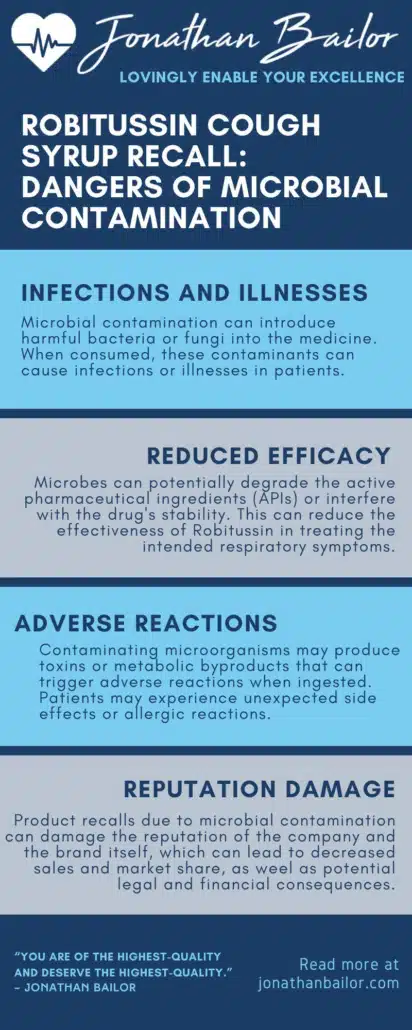
In our journey towards health and well-being, staying informed is essential, especially when it concerns the products we trust to keep us feeling our best. In this Cough and Phlegm guide, Jonathan Bailor discusses the recent recall of certain Robitussin cough syrup products that have brought to light an important conversation about what we turn to for relief when under the weather.

Namely, while it’s essential to understand the risks associated with these recalled products, it’s equally important to know that natural, gentle alternatives are available.

With the abundance of over-the-counter remedies, it’s easy to overlook the power of nature’s own medicine cabinet. So, as we navigate this recall, let’s take a moment to consider the safe, natural ways to soothe a cough. These remedies aren’t just gentle on your body; they can be just as effective, offering comfort without worrying about unwanted ingredients or side effects.

Whether you’re seeking immediate relief or looking for long-term wellness strategies, remember that sometimes, the best solutions are the simplest ones. Let’s explore these natural alternatives together.

The Robitussin Recall

In the landscape of our healthcare choices, the recall of Robitussin cough syrup has emerged as a beacon, urging us to reassess and understand the products we use. This recall specifically involves Robitussin Honey CF Max Day Adult and Robitussin Honey CF Max Nighttime Adult, and it’s due to a concern that touches the core of our well-being: microbial contamination. This type of contamination, while sounding technical, means that the product could potentially harbor microorganisms that are not meant to be there.

For anyone, this is a cause for attention, but it’s particularly crucial for those among us with compromised immune systems. In such individuals, using these contaminated products could lead to severe, even life-threatening, health consequences like fungemia. In this serious condition, fungi enter the bloodstream, potentially affecting various body parts.

These specific Robitussin products were typically sought after for their ability to ease the discomforts brought on by colds, flu, hay fever, or other respiratory allergies-symptoms like coughs, sore throats, and congestion that can turn our days and nights into long battles for comfort and relief.

Identifying whether you have one of these recalled products is straightforward. Check the lot number and expiration date on your Robitussin bottle. The affected lots have specific numbers and expiry dates that the manufacturer has publicly shared. If your bottle’s details match these, you must cease using the product immediately.

For those who find themselves with a recalled product, the next steps are clear and directed towards safeguarding your health. The recommendation is to not only stop using the product but also to reach out to healthcare professionals if you have used it and are concerned about your health. The journey to wellness often involves being proactive and informed; in this instance, taking these steps is part of that journey.

Robitussin Cough Syrup Recall Dangers of Microbial Contamination - Jonathan Bailor

Feeling Better Is Priceless, That's Why We Don't Put A Price On It!

“It’s Like A Free and Medically Valid Version of Noom and Weight Watchers Online”

~ Dr. Doctor Matthew Oleshiak, MD

Click the 'LEARN MORE' button below for free lifetime access to the fast fix program developed by Jonathan and top Ivy League Medical Doctors

LEARN MORE

P.S. It's not a free trial. It's not part of the program for free. The entire program is free, forever, for real! No credit card needed.

Understanding Microbial Contamination and its Risks

Like the recent case in certain Robitussin products, microbial contamination in pharmaceuticals is a critical concern. This contamination occurs when harmful microorganisms, unintended in the formulation, find their way into the product. These can be bacteria, viruses, or fungi, and their presence in medicine is not just a flaw in the product, it’s a direct health risk.

Particularly alarming is the risk of fungemia, a condition where fungi enter the bloodstream. This can happen when contaminated products are ingested, allowing the microorganisms to breach our body’s defenses. Fungemia isn’t just a minor inconvenience; it can lead to widespread infections, affecting vital organs. For someone with a strong immune system, the risks are lower, but they’re not negligible. In immunocompromised individuals, the consequences can be severe, even life-threatening.

Given these risks, it’s paramount to be vigilant. Monitoring for symptoms after using potentially contaminated products and seeking medical advice promptly can be crucial in safeguarding health against the unseen dangers of microbial contamination.

Natural Cough Remedies as Alternatives

In the wake of the Robitussin recall, many are seeking natural alternatives to soothe their coughs. Nature offers a bounty of remedies, each with its unique healing properties. These alternatives not only provide relief but also align with a holistic approach to health.

Let’s explore some of these natural remedies, understanding their benefits and how they can be incorporated into our daily wellness routines.

1. Honey

A spoonful of honey is more than just a sweet treat; it’s a time-honored remedy for a cough. (It can even help relieve a chronic cough.)

Honey coats and soothes irritated throat tissues, offering immediate relief, which is why it’s often a main ingredient in cough drops. Its antimicrobial properties also help in fighting minor throat infections.

For an effective remedy for cough and sore throat, mix honey with warm water or herbal tea. Remember, honey is not recommended for children under one year due to the risk of botulism.

2. Ginger

Ginger is renowned for its anti-inflammatory properties, making it an excellent remedy for an acute cough. It helps soothe the throat and reduce irritation.

A ginger tea, made by steeping fresh ginger in hot water, can be both comforting and effective. Adding a bit of honey or lemon can enhance its soothing effects.

3. Peppermint

The menthol present in peppermint has a soothing effect on the irritated nerve endings in the throat, thereby providing relief from cough and other cold symptoms.

Peppermint tea or inhaling peppermint steam can be particularly beneficial for cough and congestion.

4. Turmeric

Known for its potent anti-inflammatory and antioxidant properties, turmeric can be a powerful ally against coughs.

A popular method is to add turmeric to warm milk, known as “golden milk,” which can be a soothing nighttime coughing remedy.

5. Saltwater Gargle

A simple warm salt water gargle can effectively relieve a sore and irritated throat, a common symptom accompanying a cough. The salt helps reduce inflammation and clear mucus.

Mix a teaspoon of salt in a glass of warm water and gargle several times a day.

Natural Cough Remedies Part 1 - Jonathan Bailor

6. Thyme

Thyme has both culinary and medicinal uses, particularly effective in treating coughs and upper respiratory tract infections. The leaves contain compounds that relax the throat muscles involved in coughing.

Herbal teas that feature thyme leaves can be a simple yet effective remedy.

7. Steam Inhalation

Inhaling steam can help loosen mucus and reduce irritation in the respiratory passages. Adding a few drops of eucalyptus oil to the water can enhance the soothing effect.

Be cautious with hot water to avoid burns.

8. Lemon

Lemon can help break down mucus and provide relief from a cough. Rich in vitamin C, it can also boost the immune system.

Adding lemon juice to warm water or tea is an easy way to take advantage of its benefits.

9. Pineapple

Bromelain, an enzyme found in pineapples, is known for its mucolytic properties, which help break down mucus and relieve coughs.

Consuming pineapple or pineapple juice can be a tasty way to alleviate cough symptoms.

10. Marshmallow Root

Used for centuries in herbal medicine, marshmallow root can soothe the irritation of mucous membranes. A tea made from marshmallow root can form a coating over the throat, providing relief from coughing.

Each of these remedies offers a gentle approach to easing a cough, aligning with nature’s rhythm and our body’s intrinsic healing abilities.

Remember, while these remedies are generally safe, listening to your body and consulting with a healthcare professional for persistent or severe symptoms is essential.

Natural Cough Remedies Part 2 - Jonathan Bailor

Frequently Asked Questions About Cough and Phlegm

What causes cough and phlegm production?

Cough and phlegm production is often your body’s natural response to irritation or infection in the respiratory tract.

Coughing is a reflex to clear the airways, while phlegm, or mucus, is produced by the cells in your airways as a defense mechanism against irritants like dust, smoke, or pathogens. Infections like the common cold or flu can increase mucus production, leading to a more pronounced cough.

Allergies and conditions like asthma or chronic obstructive pulmonary disease (COPD) can also contribute to these symptoms.

Is coughing up phlegm a sign of getting better?

Coughing up phlegm can be a sign that your body is working to clear an infection or irritant from the lungs and airways.

Phlegm that is clear or white is usually normal and may increase with a cold or flu. However, if the phlegm changes color, such as becoming yellow, green, brown, or bloody, or if you experience additional symptoms like a high fever or shortness of breath, it’s important to consult a healthcare provider.

How can I naturally reduce cough and phlegm?

Staying hydrated helps thin mucus, making it easier to expel. Warm liquids, like herbal teas or broths, can be soothing. Honey can effectively soothe a cough, especially when combined with warm water or tea. Gargling salt water can also help clear phlegm from the throat.

Humidifiers add moisture to the air, easing coughing and phlegm production, especially in dry environments.

When should I be concerned about a cough?

While a cough is a common symptom of many minor respiratory illnesses, certain signs warrant medical attention.

Consult a healthcare provider if your cough is persistent, lasting more than a few weeks, produces discolored or bloody phlegm, is accompanied by high fever, chest pain, or difficulty breathing, or if it significantly disrupts your sleep or daily activities.

Can diet and lifestyle changes help with cough and phlegm?

Yes, diet and lifestyle can influence cough and phlegm production.

Foods rich in vitamin C and zinc can boost your immune system. Avoiding irritants like cigarette smoke and strong perfumes can reduce cough frequency.

Maintaining a healthy weight and regular exercise can improve lung function and overall health, reducing the risk of chronic respiratory conditions that might cause cough and phlegm.

Embracing Wellness: Share the Knowledge

As we journey together through the intricacies of the Robitussin recall and the realm of natural cough remedies, it’s clear that knowledge is not just power-it’s a pathway to better health.

This exploration into safer, more natural ways to address coughs and understanding product safety are vital tools in our wellness toolkit.

If you’ve found value in this discussion, consider sharing it with friends and family. Spread the word on Facebook, Twitter, Instagram, or even via email. By sharing, you’re not just passing on information; you’re extending a hand toward a healthier community.

Feeling Better Is Priceless, That's Why We Don't Put A Price On It!

“It’s Like A Free and Medically Valid Version of Noom and Weight Watchers Online”

~ Dr. Doctor Matthew Oleshiak, MD

Click the 'LEARN MORE' button below for free lifetime access to the fast fix program developed by Jonathan and top Ivy League Medical Doctors

LEARN MORE

P.S. It's not a free trial. It's not part of the program for free. The entire program is free, forever, for real! No credit card needed.

20 Ways to Alleviate Phlegm After Eating

Here are 20 2ays to alleviate phlegm after eating and if you haven’t seen our in depth original guide, check out SOLVING THE MYSTERY OF PHLEGM AFTER EATING: 10 CAUSES AND EASY SOLUTIONS next or the Does Peanut Butter Cause Phlegm? Debunking Food Myths guide!

Are you ready to end that annoying phlegm after eating and enjoy pleasant dining experiences again? Here are effective tips to do just that in this coughing and phlegm guide by Jonathan Bailor!

Encountering excessive phlegm production after dining isn’t just a fleeting discomfort; it’s an experience that can subtly overshadow the pleasure of a nourishing meal, leaving us with a sense of unease. While not an uncommon occurrence, it often lurks in the background of our dining experiences, unspoken yet persistent. Why does this happen? Is it a mere byproduct of our meals, or does it signal something deeper about our body’s relationship with food?

Embarking on this exploration, we aim to shed light on the reasons behind post-meal phlegm and its broader implications for our well-being. This is a conversation not about obscure medical phenomena but about our everyday experiences and the subtle signals our bodies give us. Recognizing these signs is crucial to navigating better health and comfort.

This dialogue resonates with many, as it touches on a common yet under-discussed aspect of our health. Whether you’re directly affected by this issue or know someone who is, the insights here are meant to enlighten and empower. This journey is not about deciphering complex medical terms; it’s about understanding our bodies and their interactions with the food we cherish.

As we looks at this topic, we’re not just seeking answers but fostering a community of sharing and understanding. Knowledge, especially about our bodies’ reactions to food, gains its true value when shared and discussed openly. Whether it’s a conversation over a family dinner or a shared insight on your favorite social platform, bringing this topic into the open can create a ripple of awareness and understanding.

Our exploration here is just the beginning. We’re set to dive deeper into the nuances of this condition, offering a complete guide to managing and coexisting with post-meal phlegm. Stay tuned for detailed insights in the sections to come, and remember, this journey toward understanding and comfort is one we embark on together.

Harmonizing Your Lifestyle: Beyond Diet and Exercise for Managing Post-Meal Phlegm

When we think of enhancing our health, diet and exercise often take center stage. However, there’s a broader spectrum of lifestyle choices that play a important role in our well-being, particularly in managing conditions like post-meal phlegm. These choices form the mix of our daily lives, subtly influencing how we feel and function. In this exploration, we look beyond the usual suspects of diet and physical activity to uncover other lifestyle adjustments that can significantly impact our experience with phlegm after meals. These changes are about creating an environment and a routine that supports our body’s natural processes and responses, leading to a more comfortable and harmonious life.

1. Hydration Habits

While not directly linked to diet, the way we hydrate ourselves throughout the day matters. Ensuring consistent hydration helps maintain mucus at a manageable level. It can also help reduce stomach acidity for a short time. (Acid reflux is a common contributor to phlegm after eating.)

It goes beyond about the quantity of water; it’s about making hydration a regular part of your routine. Carrying a water bottle, setting reminders, or even integrating herbal teas can significantly affect how our body handles mucus production.

2. Sleep Quality and Position

Good sleep isn’t just restorative for the mind; it also impacts how our body manages mucus. Sleeping in a slightly elevated position can help prevent mucus from pooling in the throat, which is common during horizontal sleep. Investing in quality pillows or adjustable beds can aid in finding a comfortable sleeping position that reduces post-meal phlegm discomfort.

3. Stress Management Techniques

Although often overlooked, our emotional state can influence physical symptoms like phlegm production. High-stress levels can exacerbate bodily reactions, including mucus production. Incorporating stress-reduction practices like mindfulness, meditation, or even simple breathing exercises into our daily routine can positively impact how our body reacts to stress and, So, mucus production.

4. Regular Vocal Hygiene

For those who use their voice extensively in daily life, vocal hygiene can play a role in managing throat health. Taking regular breaks during long speaking engagements, staying hydrated, and avoiding straining the voice can help reduce throat irritation, thereby minimizing the body’s protective mucus response.

Each of these lifestyle changes offers a way to manage post-meal phlegm better, moving beyond the conventional focus on diet and exercise. These adjustments are about aligning our daily habits with our body’s needs, fostering an environment where comfort and health go hand in hand.

As we integrate these practices into our lives, we create a foundation for not just managing symptoms but thriving in our day-to-day experiences.

Lifestyle Tweaks to Reduce Phlegm After Eating - Jonathan Bailor

Feeling Better Is Priceless, That's Why We Don't Put A Price On It!

“It’s Like A Free and Medically Valid Version of Noom and Weight Watchers Online”

~ Dr. Doctor Matthew Oleshiak, MD

Click the 'LEARN MORE' button below for free lifetime access to the fast fix program developed by Jonathan and top Ivy League Medical Doctors

LEARN MORE

P.S. It's not a free trial. It's not part of the program for free. The entire program is free, forever, for real! No credit card needed.

Dietary Adjustments for Minimizing Post-Meal Phlegm

In our quest to manage post-meal phlegm, diet plays an instrumental role. While it’s common to focus on foods we should avoid, it’s equally important to consider what we can incorporate into our diets to better manage this condition. This journey is not about restrictive eating but about making mindful choices that harmonize with our body’s natural processes. The following dietary changes are centered around nurturing and supporting our body, offering it the nutrients and care it needs to minimize the discomfort of post-meal phlegm. These aren’t just changes but steps towards a more comfortable and enjoyable eating experience.

1. Incorporate Herbal Teas

Herbal teas, particularly those with anti-inflammatory properties like ginger, turmeric, or licorice root, can be soothing for the throat. They help reduce irritation, which often leads to mucus production. Drinking these teas post-meal can aid digestion and provide a calming effect to the throat, thus managing phlegm production.

2. Increase Omega-3 Fatty Acids

Foods rich in omega-3 fatty acids, like flaxseeds, chia seeds, and fatty fish, such as salmon, have anti-inflammatory effects. These can help reduce inflammation in the body, including the throat and respiratory tract, thereby potentially decreasing mucus production. Incorporating these foods into your diet can offer twofold benefits: nutritional enrichment and phlegm management.

3. Add Pineapple to Your Diet

Pineapple contains bromelain, an enzyme that can help break down mucus and ease its expulsion. Consuming pineapple or juice can be a delicious way to manage phlegm production, especially after meals. It’s a natural, flavorful addition to your diet with the added benefit of aiding digestion.

4. Introduce Honey

Honey is known for its soothing properties and can be beneficial for throat health. It can help coat the throat, relieve irritation, and reduce the urge to clear the throat frequently. A spoonful of honey after meals or adding it to herbal tea can be a simple yet effective dietary addition.

5. Opt for Steamed Vegetables

Steamed vegetables are not only easier to digest but also less likely to cause irritation in the throat and esophagus. This cooking method retains the nutrients in the vegetables while making them gentle on the digestive system. Incorporating steamed vegetables into your meals can be a step towards reducing post-meal phlegm.

6. Choose Lean Proteins

Lean proteins like chicken, turkey, and fish are easier to digest and less likely to cause inflammation or mucus production compared to fatty meats. They provide the necessary nutrients without the added burden on your digestive system, which can sometimes trigger phlegm production.

These dietary changes are about creating a balance where food becomes not just a source of nourishment but also a means to manage physical discomforts like post-meal phlegm. By making these mindful choices, we move closer to meals that are not just satisfying but also harmonious with our body’s well-being.

Dietary Changes to Reduce Phlegm After Eating - Jonathan Bailor

Physical Activities to Alleviate Post-Meal Phlegm

When addressing post-meal phlegm, the role of physical activity is often overlooked. Engaging in the right type of physical activity can be a significant step toward managing this discomfort. It’s about choosing exercises that enhance overall health, specifically reducing the effects of phlegm production. These activities are not about high-intensity workouts; rather, they focus on gentle movements and breathing techniques that align with our body’s natural rhythm and help manage respiratory issues. Here, we explore various physical activities that can positively reduce the sensation of phlegm after eating, enhancing the overall quality of life.

1. Gentle Walking

A leisurely walk post-meal can aid in digestion and help clear the airways. The gentle movement encourages circulation and can prevent mucus buildup in the throat. A short, relaxed walk, preferably in a clean, open environment, can make a noticeable difference in how you feel post-meal.

2. Yoga and Controlled Breathing

Yoga, especially with its emphasis on breathing techniques, can be highly beneficial. Practices like Pranayama (breath control) encourage deep, controlled breathing, which can help clear the airways and reduce phlegm. Gentle yoga postures after meals can also aid in digestion and mucus management.

3. Light Aerobics or Swimming

Engaging in light aerobic activities or swimming can help boost lung capacity and clear out phlegm. These activities promote deeper breathing and better oxygenation, helping the body to expel mucus naturally. However, it’s essential to wait for some time after eating before engaging in these activities.

4. Singing or Humming

Surprisingly, singing or humming can be an effective way to strengthen the respiratory system. These activities encourage deep breathing and can help loosen and clear phlegm from the throat. It’s a fun and therapeutic way to address this issue, improving your mood and respiratory health simultaneously.

5. Laughter Therapy

Laughter is not just a source of joy but also a physical activity that can aid in clearing the respiratory tract. Laughter deeply engages the diaphragm and abdominal muscles, promoting better lung function and helping to expel mucus.

Incorporating these physical activities into your daily routine can be a delightful and effective way to manage post-meal phlegm. Each activity offers a unique benefit, enhancing respiratory health and overall well-being. These practices, when performed regularly, can significantly improve your comfort and enjoyment after meals.

Five Physical Activities to End Post-Meal Phlegm - Jonathan Bailor

Cultivating Mind and Spirit: Mental and Spiritual Practices for Phlegm Management

In the intricate balance of health, the influence of our mental and spiritual state often goes unrecognized, especially in managing physical conditions like post-meal phlegm. These aspects of our being, subtle yet profound, can significantly impact how our body functions and reacts. Engaging in mental and spiritual practices is not just about seeking tranquility; it’s about creating a harmonious internal environment where bodily processes, including mucus management, can operate optimally. Here, we explore several mental and spiritual practices that can contribute to reducing the discomfort of post-meal phlegm.

1. Guided Visualization

Engaging in guided visualization can have a calming effect on the body, including the respiratory system. Visualizing a clear, open throat and airways can help mentally direct the body’s response to post-meal phlegm. This practice combines the power of the mind with the body’s inherent ability to regulate itself.

2. Meditation and Deep Relaxation

Regular meditation or deep relaxation techniques can reduce overall stress levels, which in turn can impact bodily functions like mucus production. These practices help in achieving a state of mental calmness and balance, creating a conducive environment for physical well-being.

3. Positive Affirmations

Using positive affirmations to promote health and well-being can be a powerful tool. Affirmations like “My body is capable of balancing itself” or “Every breath I take is soothing and healing” can reinforce a positive mindset, which may indirectly aid in managing post-meal phlegm.

4. Engaging in Spiritual Practices

For those with spiritual inclinations, engaging in regular spiritual practices like prayer or rituals can offer a sense of peace and well-being. This connection to a higher power or greater purpose can provide mental and emotional support, which in turn can positively affect physical health issues, including the management of post-meal phlegm.

5. Yoga Nidra or Sleep Yoga

Yoga Nidra, a form of guided relaxation performed in a lying-down position, can deeply relax the mind and body. This practice helps reduce stress and promote better respiratory function, potentially aiding in the management of post-meal phlegm.

Incorporating these mental and spiritual practices into our daily routine can offer profound benefits beyond immediate symptom relief. They provide a pathway to a more balanced and harmonious state of being, where managing conditions like post-meal phlegm becomes an integrated part of our journey toward holistic health.

Mental Spiritual Practices for Phlegm Control - Jonathan Bailor

FAQ on Cough and Phlegm: Understanding and Managing Respiratory Health

In the realm of respiratory health, cough and phlegm are common symptoms that often raise questions and concerns. Understanding these symptoms is key to managing them effectively and maintaining a healthy respiratory system. This FAQ aims to address some of the common queries related to cough and phlegm, providing insights that are not only medically sound but also practical for everyday application. Here, we looks at the nuances of these symptoms, offering clarity and guidance to those seeking answers.

Q1: What causes phlegm to increase after eating?

Phlegm production after eating can often be attributed to certain foods that may irritate the throat or trigger allergic reactions. Dairy products, for instance, can cause an increase in mucus production for some individuals. Also, spicy foods and those high in acidity can stimulate the mucus membranes, leading to increased phlegm. Conditions that can contribute to phlegm after eating include acid reflux/GERD, laryngopharyngeal reflux (also called silent reflux), food allergies, respiratory infections, an asthma attack, and aspiration pneumonia. Understanding your body’s reactions to different foods can help in managing this symptom.

Q2: Is it normal to cough after meals?

Occasional coughing after eating can be normal, especially if it’s a mild, short-lived response. This can happen due to the inhalation of small food particles or irritation from spices. Postnasal drip can also cause coughing after meals. However, frequent or intense coughing after every meal might be a sign of an underlying issue like gastroesophageal reflux disease (GERD) or a food allergy. If this is a persistent problem, or if it occurs with chest tightness, heartburn, difficulty swallowing, chest pain, or difficulty breathing, it’s advisable to consult a healthcare professional.

Q3: Can lifestyle changes reduce cough and phlegm?

Yes, lifestyle changes can significantly impact the management of cough and phlegm. Staying hydrated. Adopting a balanced diet and incorporating physical activities like gentle walking or controlled breathing exercises can also be beneficial.

Q4: Why does phlegm sometimes get worse at night?

Phlegm can often seem worse at night due to a combination of factors. Lying down can cause mucus to pool in the throat, leading to a heightened sensation of phlegm. The body’s natural circadian rhythms also play a role, as certain physiological changes at night can increase the viscosity of mucus. Using extra pillows to elevate the head and maintaining optimal humidity in the bedroom can help alleviate this issue.

Q5: Are there effective home remedies for cough and phlegm?

Several home remedies can be effective in managing coughs and phlegm. Warm herbal teas, particularly those with ginger or honey, can soothe the throat and reduce irritation. Steam inhalation can also help loosen mucus and ease congestion. However, these remedies should be seen as complementary to, rather than replacements for, professional medical advice, especially in cases of persistent or severe symptoms.

Understanding cough and phlegm is crucial for effective management and maintaining respiratory health. While these FAQs provide a foundation, individual experiences may vary, and consulting with a healthcare provider for persistent issues is always recommended.

Embracing Respiratory Wellness: A Shared Journey

As we conclude our exploration of managing cough and phlegm, it’s clear that this journey intertwines lifestyle, diet, and mindful practices, each playing a unique role in fostering respiratory health. This exploration is more than just personal; it’s a pathway to understanding and wellness that can benefit our wider community.

If you found these insights and strategies valuable, consider sharing them with friends and family across social media platforms and via email. By spreading this knowledge, we not only enhance our well-being but also contribute to a healthier, more informed community. Let’s continue this journey together, sharing and learning in our pursuit of respiratory health.

Feeling Better Is Priceless, That's Why We Don't Put A Price On It!

“It’s Like A Free and Medically Valid Version of Noom and Weight Watchers Online”

~ Dr. Doctor Matthew Oleshiak, MD

Click the 'LEARN MORE' button below for free lifetime access to the fast fix program developed by Jonathan and top Ivy League Medical Doctors

LEARN MORE

P.S. It's not a free trial. It's not part of the program for free. The entire program is free, forever, for real! No credit card needed.

Solving the Mystery of Phlegm After Eating: 10 Causes and Easy Solutions

Short answer: phlegm after eating is almost never caused by the food itself. In the overwhelming majority of cases, it is laryngopharyngeal reflux, also called LPR or silent reflux, and the mucus is a protective response from your throat lining to acid and pepsin traveling up from your stomach. I’ll show you exactly what the research says, how to tell if this is you, and what to do about it tonight.

I’ve spent the better part of two decades reading nutrition science for a living, and “phlegm after eating” is one of the most consistently misdiagnosed complaints I see. People blame dairy. They blame gluten. They blame bread, eggs, peanut butter, bananas, whatever they ate last. Then they cut the food, the feeling keeps happening with the next food, and they start a new elimination diet. Twelve months later they have a short grocery list and the same throat.

The food is rarely the problem. The reflux is.

The Real Mechanism Behind Phlegm After Eating

Your throat lining is not built to touch stomach acid. Your esophagus has some tolerance for it. Your larynx and pharynx have almost none. When even small amounts of acid and pepsin drift up past the upper esophageal sphincter and reach the back of your throat, the tissue responds the only way it knows how: it secretes a thick, protective mucus layer to try to coat and neutralize the irritant.

That mucus is what you feel after eating. It is real. It is measurable. And it has almost nothing to do with the ingredient list of the meal you just ate.

Cleveland Clinic identifies excessive throat mucus, chronic throat clearing, postnasal drip sensation, and a foreign body feeling in the pharynx as the hallmark symptoms of laryngopharyngeal reflux. Note the language carefully. It says the mucus is excessive, not that the food is making mucus. The source is internal. The trigger is acid exposure, not the sandwich.

Here is the part that surprises most people: LPR often has no heartburn. Up to half of people with silent reflux have never felt a single burning sensation in their chest in their life. That is why the condition is called silent. The acid exposure happens in brief, low-volume events that never build enough pressure to feel like classic GERD, but they happen often enough to keep the throat permanently irritated.

Why Almost Every Food Gets Falsely Accused

If reflux is the real driver, why do people feel like specific foods are causing the phlegm? Because some foods make reflux more likely, and the timing of meals creates a clean cause-and-effect pattern that looks like allergy or intolerance.

A meal lands in your stomach. Stomach volume goes up. If the meal is high in fat, gastric emptying slows down, which means food sits longer. Fat also relaxes the lower esophageal sphincter. Thirty to sixty minutes later, acid and pepsin creep up. The throat responds with mucus. You feel it, you blame the last thing you ate, and you are wrong about the cause but right about the timing.

A 2024 peer-reviewed review in the Journal of Clinical Medicine on nutrition and LPR walked through the major dietary triggers and, critically, found that adherence to a low-fat, low-acid dietary protocol produced symptom reductions of 54 to 83 percent in LPR patients. Read that again. Diet alone, with no medication, matched the results of pharmacologic treatment in head-to-head comparisons. That is not a supplement pitch. That is a peer-reviewed finding.

So food matters, but not in the way the old “dairy thickens mucus” myth suggests. It matters because fat load, acidity, timing, and body position decide whether acid is going to reach your throat in the hour after your meal.

Key Takeaways

  • Phlegm after eating is almost always silent reflux, not a food sensitivity or mucus-thickening food.
  • The mucus is real. It is your throat lining’s protective response to acid and pepsin exposure.
  • Up to half of LPR patients have no heartburn at all, which is why this condition stays undiagnosed for years.
  • Diet-based LPR protocols produce symptom reductions of 54 to 83 percent, comparable to medication.
  • Fat load, meal timing, and body position matter more than individual food identity.
  • The dairy-thickens-mucus idea has been tested in controlled studies and does not hold up in people without a confirmed allergy.

How to Tell if You Have Silent Reflux

Before you blame another food, run this checklist against your own pattern. If three or more describe you, you are probably dealing with LPR rather than a food intolerance.

  • Throat clearing throughout the day, not just after meals
  • Morning hoarseness or a scratchy voice when you first wake up
  • A feeling that something is stuck in your throat (globus sensation)
  • A chronic dry cough that does not respond to antihistamines or cough suppressants
  • Worse symptoms after lying down or bending over
  • Postnasal drip sensation without any actual sinus problem
  • A sour or bitter taste in your mouth, especially on waking
  • Symptoms that get worse after large meals, late meals, or high-fat meals regardless of ingredient

None of those mention a specific food. That is the point. LPR follows meal patterns, not ingredient lists.

The Simple Timing Test

Here is a test I tell readers to run. Next time you feel a throat sensation after eating, notice when it shows up.

  • Within 2 to 5 minutes: probably mechanical. Sticky or dry foods leave residue on the palate. A glass of water clears it.
  • 20 to 60 minutes after eating: reflux pattern. The food has long since left your mouth. Anything you feel in your throat now is coming from below, not above.
  • Worse when lying down, bending over, or after a late dinner: textbook positional LPR. Gravity is no longer helping keep acid in the stomach where it belongs.

The Actual List of Foods That Trigger LPR

If phlegm after eating is usually reflux, the useful question becomes “which foods make reflux more likely?” The LPR literature has converged on a clear set over the last decade. A 2025 multicenter study in Frontiers in Medicine evaluated dietary modification with mucosal protectors in LPR patients and showed significant symptom improvement across cohorts on a low-fat, low-acid, plant-forward pattern.

The usual suspects:

  • Fried foods and fast food (fat density plus late timing)
  • Full-fat dairy, especially in large portions
  • Chocolate (relaxes the lower esophageal sphincter)
  • Alcohol of any kind, particularly wine and beer
  • Carbonated drinks, including sparkling water in sensitive people
  • Tomato sauce, vinegar, and citrus
  • Coffee on an empty stomach
  • Mint, which is counterintuitive because it also relaxes the sphincter
  • Onions, garlic, and spicy foods in some people

Notice what is not on that list. Bread. Eggs. Chicken. Peanut butter. Bananas. Most of the foods people eliminate first when they start chasing a phlegm problem are not high-yield LPR triggers at all. The elimination rarely helps because the elimination is aimed at the wrong target.

Why the Dairy Myth Will Not Die

In the 1940s, a popular idea spread that milk thickens mucus. It was studied carefully in controlled feeding trials, and the clinical reference literature on mucus and respiratory secretions does not support the claim in people without a confirmed dairy allergy. The sensation was real. People felt something thicker in their throat after milk. The mechanism was wrong. What they were feeling was either the coating effect of milkfat on mucous membranes or, in reflux-prone individuals, a small LPR event triggered by the fat load. Same story, different food. Dairy inherited the blame for decades.

Where This Connects to Your Gut

Silent reflux is not really an upper GI problem. It is a downstream signal of how your entire digestive system is operating. Gut motility, microbiome balance, visceral inflammation, stress hormones, and meal timing all feed into each other. When someone has persistent LPR, the throat feeling is just the loudest symptom. The actual work lives a few inches below it. I’ve written more about the broader picture of gut health on this site, because fixing the throat usually means fixing the gut.

When readers ask me where to find independent, evidence-based reviews of the supplements that target this picture (gut motility, acid regulation, microbiome repair), I point them to the Consumer Health Guide acid reflux supplement reviews, which my editorial team publishes independently of any manufacturer. Start there before you start guessing at brands.

What to Do Tonight

If you came here because you are tired of throat clearing after every meal, here is the sequence I would run in your shoes. In order. No skipping.

  1. Stop eating within three hours of lying down. This is the single highest-ROI intervention in the entire LPR literature. Not a supplement. Not a food swap. Just the gap between dinner and bed.
  2. Raise the head of your bed six to eight inches. Bed risers or a wedge pillow. Gravity is free medicine. Stacking regular pillows does not count because it bends your torso in a way that can make reflux worse.
  3. Cut the top LPR triggers for two weeks. Fried foods, chocolate, alcohol, carbonation, citrus, tomato, coffee on an empty stomach, mint. Two weeks is enough to know if it is helping.
  4. Eat smaller meals. Large gastric volume is a mechanical reflux trigger on its own, regardless of what is in the meal.
  5. Track patterns, not foods. Look for time of day, portion size, and position, not individual ingredients. That is where the real signal lives.
  6. If symptoms persist past four weeks, see an ENT. LPR is systematically under-diagnosed by primary care. An ENT with a scope can confirm it in a single visit.

Frequently Asked Questions

Why do I cough up phlegm immediately after eating?

The most common cause is silent reflux. Acid and pepsin reach the throat lining, and your body secretes a protective mucus layer in response. The cough is your airway trying to clear that mucus. It is not the food itself producing the phlegm.

What foods cause mucus and phlegm?

In people without allergies, no food directly produces mucus in the airway. What some foods do is trigger reflux, which then triggers mucus as a protective response. The highest-yield reflux triggers are fried foods, full-fat dairy, chocolate, alcohol, carbonated drinks, citrus, tomato, coffee, and mint. Ingredients like bread, chicken, and eggs are not on that list.

Is phlegm after eating a sign of acid reflux?

Yes, very often. Specifically, it is a sign of laryngopharyngeal reflux, the “silent” form of reflux that shows up in the throat rather than the chest. Up to half of LPR patients never experience classic heartburn, which is why the condition stays undiagnosed for years.

Can allergies cause phlegm after eating?

True food allergies cause an immune response (hives, swelling, wheezing, anaphylaxis in severe cases) and require medical diagnosis. Chronic post-meal throat mucus without those features is far more likely to be LPR than allergy. If you suspect a true allergy, see a doctor, not a blog post.

Does drinking water help with phlegm after eating?

Yes, a small amount. Warm water or warm tea temporarily thins mucus and helps clear it. Water also dilutes stomach acid briefly, which can reduce LPR events for some people. It is not a cure, but it is a low-cost comfort measure.

How long does silent reflux take to heal?

With consistent lifestyle changes (meal timing, head-of-bed elevation, trigger food removal), most people see noticeable improvement within two to four weeks. Full healing of irritated throat tissue can take two to three months. If you are seeing no improvement after a month of consistent effort, it is time for an ENT evaluation.

What is the difference between GERD and LPR?

GERD shows up as heartburn and chest burning because the acid exposure is mostly in the esophagus. LPR shows up as throat clearing, cough, hoarseness, globus sensation, and excess mucus because the acid exposure is mostly in the larynx and pharynx. Many people have one without the other.

The Bottom Line

Phlegm after eating is a real sensation with a real cause, and the real cause is usually not the food. It is acid and pepsin reaching your throat and triggering a protective mucus response. The food you blame is almost always just the thing you happened to eat during the 30 to 60 minute window when a reflux event was already going to happen anyway.

The good news is that this is one of the most fixable conditions in the entire digestive symptom universe. The top three interventions (stop eating three hours before bed, raise the head of your bed, cut the short list of high-yield triggers) cost nothing, and the peer-reviewed data says they match medication in effectiveness for most people. Try them for two weeks before you eliminate another innocent food from your grocery list.

Jonathan Bailor, New York Times bestselling author of The Calorie Myth and The Setpoint Diet.
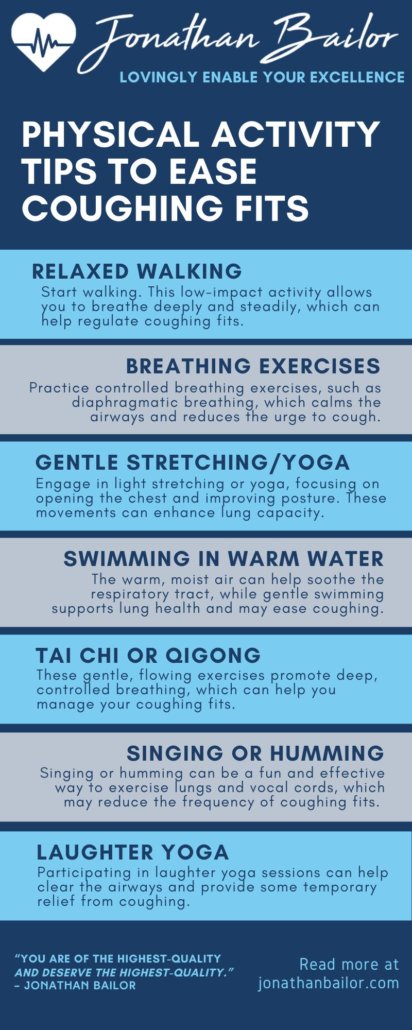
Soothing Secrets: 28 Home Remedies for Persistent Cough at Every Stage

It’s cold season, you need these 28 home remedies for persistent cough at every stage of your recovery in this cough and phlegm guide with Jonathan Bailor!

When a persistent or acute cough lingers, turning days into a symphony of discomfort, finding relief becomes a priority. This guide is a treasure trove of home remedies, natural cough remedies that whisper of comfort in the face of a stubborn cough. These remedies are more than mere suggestions; they are time-tested, evidence-based solutions that offer respite at every stage of a persistent cough.

Get cough free with our 24 Proven Treatments That Help to Get Rid of Phlegm or 14 Evidence-Based Home Remedies For Persistent Cough guides next!

S

Embark on a journey of discovery, where each remedy is a step towards regaining your comfort and peace. From the quiet corners of herbal wisdom to the soothing rhythms of natural concoctions, this guide brings you closer to a world where a persistent cough is but a temporary challenge, not a lasting ordeal.

This isn’t just about temporary relief; it’s about understanding your body’s language and responding with nurturing care. Each remedy is an invitation to embrace a gentler approach to health, one that harmonizes with your body’s natural healing rhythms.

So, as you dive into this guide, remember that you’re not just reading for yourself; you’re gathering wisdom that can comfort others. Share these insights with friends and family, and spread the word on social media. Together, let’s turn the tide against persistent coughs, bringing soothing secrets into every home.

Home Remedies for Persistent Cough: Immediate Actions

1. Stay Hydrated

Begin by sipping warm water throughout the day. This simple, immediate step helps soothe your throat and moisten the mucous membranes, easing the irritation that often triggers a cough. Think of each sip as a gentle wave, washing over the discomfort in your throat.

2. Steam Inhalation

Utilize the power of steam right away. Boil water, pour it into a bowl, and carefully inhale the steam. Steam inhalation is one of the top natural remedies to help loosen the phlegm and provide instant relief. For an added benefit, add a few drops of eucalyptus oil or peppermint oil to the water for their natural decongestant properties.

3. Gargle with Salt Water

An immediate remedy that can be done at home is gargling with warm salt water. This natural cough remedy helps reduce throat inflammation and loosen mucus, offering swift relief. Simply dissolve a teaspoon of salt in a cup of warm water and gargle several times a day.

4. Honey and Lemon

Combine a teaspoon of honey with a few drops of lemon in warm water. This combination works wonders in immediately soothing a sore throat and reducing cough, which is why it’s a frequent ingredient in cough drops and homemade cough syrup. Many people use honey and lemon to treat their cold symptoms. Honey has natural antibacterial properties, while lemon adds a dose of vitamin C.

5. Adjust Your Sleeping Position

Elevate your head with extra pillows when you go to bed. This simple change can stop mucus from accumulating in your throat, which often worsens nighttime coughing. It can make a significant difference in easing your cough immediately.

6. Breath Control

Practice controlled breathing techniques. Slow, deep breaths followed by controlled exhales can help calm a cough. This immediate change in breathing pattern can help soothe your cough reflex and bring quick relief.

7. Avoid Irritants

Immediately minimize exposure to irritants like smoke, dust, and strong fragrances. These can exacerbate your cough. Keeping your environment clean and free from these irritants can provide instant relief.

Each of these immediate changes can be a stepping stone towards relief from a persistent cough, offering comfort and ease in the now. Remember, sometimes the simplest actions can lead to significant relief.

Home Remedies for Persistent Cough Fast Results - Jonathan Bailor

Feeling Better Is Priceless, That's Why We Don't Put A Price On It!

“It’s Like A Free and Medically Valid Version of Noom and Weight Watchers Online”

~ Dr. Doctor Matthew Oleshiak, MD

Click the 'LEARN MORE' button below for free lifetime access to the fast fix program developed by Jonathan and top Ivy League Medical Doctors

LEARN MORE

P.S. It's not a free trial. It's not part of the program for free. The entire program is free, forever, for real! No credit card needed.

Short-Term Strategies for Easing a Persistent Cough

1. Herbal Tea Remedies

Over the next few days, incorporate herbal teas like ginger, thyme, marshmallow root extract, or licorice root into your routine. Ginger tea is known to help relieve cold symptoms like persistent cough. These herbs are known for their soothing properties and can help reduce throat irritation. The warmth of the tea also provides comfort, making this an ideal short-term remedy.

2. Increase Humidity

Use a humidifier in your sleeping area to add moisture to the air. Dry air can exacerbate a cough, so maintaining a comfortable humidity level can provide noticeable relief in a few days. A humidifier’s ability to help suppress coughs can also improve sleep quality, helping boost your immune system.

3. Aromatic Oils

Explore the use of essential oils like lavender or peppermint. A few drops in a diffuser can help calm a cough and make breathing easier. These oils can provide a sense of relaxation, which is beneficial when dealing with a persistent cough.

4. Warm Compresses

Applying a warm compress to your chest can help alleviate coughing. The warmth helps to relax the muscles, potentially reducing the frequency of coughing spells. This can be done several times a day for gradual relief.

5. Mindful Eating Habits

Pay attention to your diet over these days. Avoiding cold, raw foods and instead opting for warm, cooked meals can help soothe your throat. Spicy or acidic foods that might irritate the throat should be minimized.

6. Vocal Rest

If possible, give your voice a rest for a few days. Talking less can help reduce the strain on your throat, giving it a chance to recover, thereby reducing the urge to cough.

7. Relaxation Techniques

Embrace relaxation practices like gentle yoga or meditation. Stress can exacerbate a cough, so incorporating calming activities can help alleviate symptoms within a few days.

These short-term changes are simple yet effective ways to gently guide your body toward relief from a persistent cough. By giving your body the right environment and care, you can make significant strides in alleviating discomfort in just a few days.

Short Term Solutions for a Persistent Cough - Jonathan Bailor

Medium-Term Approaches to Managing Persistent Cough

1. Consistent Hydration Routine

Over the next few weeks, focus on maintaining consistent hydration. Drinking plenty of fluids, especially water, helps thin mucus, making it easier to expel and reducing cough severity. Aim for a steady intake throughout the day, not just when the cough feels more intense.

2. Balanced Diet

Enriched with Vitamins: Introduce more fruits and vegetables rich in vitamins C and E into your diet. These vitamins are known for their immune-boosting properties, which can help your body combat the underlying causes of a cough. This change in diet over a few weeks can strengthen your immune response.

3. Progressive Breathing Exercises

Gradually incorporate more advanced breathing exercises into your daily routine. Techniques like diaphragmatic breathing can enhance lung capacity and control over your cough reflex. Regular practice over several weeks can yield noticeable improvements.

4. Evaluate and Adjust Indoor Air Quality

Over a few weeks, take steps to improve the air quality in your home. This can involve regularly changing air filters, using air purifiers, and ensuring proper ventilation. Cleaner air can reduce irritants that trigger coughing.

5. Incorporate Anti-inflammatory Foods

Add anti-inflammatory foods like turmeric, ginger, and omega-3-rich fish to your diet. These foods can help reduce respiratory system inflammation, easing cough symptoms over time.

6. Gradual Increase in Light Physical Activity

If your health permits, gradually increase light physical activities like walking or swimming. Regular, gentle exercise can improve overall lung function and immunity, helping to reduce the frequency and severity of coughs over the medium term.

7. Mindful Stress Reduction

Commit to regular stress-reduction activities, such as guided meditation or tai chi. Chronic stress can impact immune function and exacerbate coughing, so finding ways to relax and unwind can positively affect your symptoms over a few weeks.

Implementing these medium-term changes can create an environment conducive to healing and managing a persistent cough. While immediate relief is important, these strategies focus on strengthening your body’s natural defenses and respiratory health over a longer period of time, setting the stage for lasting improvements.

Tips for Easing Frequent Coughs in a Few Weeks - Jonathan Bailor

Long-Term Strategies for Persistent Cough Relief

1. Establishing a Regular Exercise Regimen

Over the long term, develop a consistent exercise routine that includes activities like brisk walking, swimming, or cycling. Regular exercise enhances lung capacity and improves overall respiratory health, which can be instrumental in reducing chronic coughing.

2. Cultivating a Smoke-Free Environment

If you smoke, consider a long-term plan to quit. Likewise, avoid environments with secondhand smoke. Persistent exposure to smoke can aggravate coughing and harm respiratory health. Over months, a smoke-free lifestyle can significantly alleviate cough symptoms.

3. Progressive Diet Shift Toward Whole Foods

Gradually transition to a diet rich in whole foods, reducing processed and sugary foods. A diet high in fruits, vegetables, and lean proteins supports overall health and immune function, which can, in turn, alleviate chronic respiratory issues.

4. Allergy Management

If allergies contribute to your cough, work on long-term strategies to manage them. This might include regular allergy testing, environmental modifications, or ongoing medication. Effective allergy management can significantly reduce cough-inducing irritants in your environment.

5. Regular Health Check-Ups

Commit to regular health screenings and check-ups with your healthcare provider. Long-term monitoring of your overall health can help identify and address underlying conditions that may contribute to persistent coughing.

6. Building Emotional and Mental Resilience

Invest in activities that build emotional and mental strength, such as therapy, journaling, or joining support groups. Emotional well-being directly impacts physical health, including the body’s ability to combat illnesses that cause coughing.

7. Home Humidity Control

Over the long term, maintain an optimal humidity level in your home. Dry air can irritate the respiratory system and exacerbate coughing, while overly humid conditions can encourage mold growth. Investing in a good-quality humidifier or dehumidifier, depending on your need, can make a significant difference.

Implementing these long-term changes requires dedication and consistency, but the payoff is substantial. By addressing the root causes of persistent coughing and promoting overall respiratory health, these strategies aim not only for immediate relief but also for enduring wellness and comfort.

Long Term Strategies to Relieve Chronic Coughing - Jonathan Bailor

Frequently Asked Questions About Coughing & Phlegm

1. What causes persistent coughing and phlegm build-up?

Persistent coughing and phlegm build-up are often caused by upper respiratory tract infections like the common cold, flu, or acute bronchitis. Allergies, asthma, and environmental irritants like smoke or dust can also contribute. In some cases, gastroesophageal reflux disease (GERD) can cause a chronic cough. It’s important to understand the underlying cause to address these symptoms effectively.

2. When should I be concerned about my cough?

A cough that persists for more than three weeks, is accompanied by shortness of breath, blood, or significant phlegm, or is disruptive to daily life warrants medical attention. If the cough is severe, sudden, or associated with other symptoms like fever or chest pain, seeking immediate medical advice is crucial.

3. Are there effective home remedies for reducing phlegm?

Yes, several home remedies can help reduce phlegm. Staying hydrated, inhaling steam, and using a humidifier to moisten the air can loosen mucus. Warm liquids like tea or soup can soothe the throat and reduce phlegm. Gargling salt water may also help clear mucus from the back of the throat.

4. Can lifestyle changes impact coughing and phlegm?

Absolutely. Avoiding smoking, reducing exposure to pollutants, and managing allergies can significantly reduce coughing and phlegm. A healthy diet and regular exercise can also strengthen your immune system, making you less susceptible to infections that cause coughing and phlegm.

5. Does the change of seasons affect coughing and phlegm?

Yes, the change of seasons can impact coughing and phlegm production. Cold weather can irritate the respiratory system, leading to more coughing and phlegm. Also, seasonal allergies in spring and fall can trigger these symptoms. Staying warm, using air purifiers, and being mindful of allergen exposure can help manage these seasonal effects.

Primary Causes of Persistent Coughing - Jonathan Bailor

Embracing Wellness: A Shared Journey

As we conclude this exploration of home remedies and lifestyle changes for managing persistent cough and phlegm, remember that wellness is a shared journey. These tips, grounded in simplicity and care, offer more than just relief; they invite a lifestyle of health and harmony. Share this guide with friends and family, sparking conversations that matter. Spread the word through email and social media, for when one of us thrives, we all move closer to a world of well-being. Together, let’s embrace these natural solutions and foster a community committed to health at every stage of life.

Feeling Better Is Priceless, That's Why We Don't Put A Price On It!

“It’s Like A Free and Medically Valid Version of Noom and Weight Watchers Online”

~ Dr. Doctor Matthew Oleshiak, MD

Click the 'LEARN MORE' button below for free lifetime access to the fast fix program developed by Jonathan and top Ivy League Medical Doctors

LEARN MORE

P.S. It's not a free trial. It's not part of the program for free. The entire program is free, forever, for real! No credit card needed.

25 Tips for Managing Chronic Coughs Without Medication: Timetable & Guide

Imagine a world where chronic coughs are no longer a constant nuisance, phlegm build-up is no longer a factor, and you have the power to control your health and well-being. In this cough and phlegm blog post, you’ll discover 25 practical tips for managing chronic coughs without medication, tailored to every stage of life.

Life can be a complex journey, and health is one of its most significant components. Dealing with a chronic cough can be challenging and disruptive, affecting your daily routines and overall quality of life. But here, you’ll find a trusted resource offering medically accurate insights that are easy to grasp, with no need for a medical degree.

Need more cough and phlegm help? Check out our 26 Tips for Managing Chronic Coughs Without Medication and 31 Evidence-Based Treatments for Managing Chronic Cough Without Medication guides next!

Regardless of your age or life stage, these 25 tips will empower you to tackle chronic coughs head-on. From your twenties to your golden years, you’ll find actionable advice to help alleviate your coughing troubles and improve your well-being.

So, as you read through these invaluable tips with Jonathan Bailor, envision yourself as someone who deserves a healthier, cough-free life. And remember, sharing this knowledge is an act of kindness, so pass it on to friends and family who may benefit from it. Let’s embark on this journey toward managing chronic coughs without medication together and pave the way to a happier and healthier you.

Immediate Changes to Help Manage Chronic Coughs and Phlegm Buildup Without Medication

1. Stay Hydrated

Immediate change number one is refreshingly simple yet highly effective: drink more water. Proper hydration can help soothe the irritation in your throat and reduce the frequency of coughing. Staying hydrated is important for clearing your throat. When you drink enough water, the mucus in your airways becomes less sticky, which makes this newly thin mucus easier to expel. Make sure you drink at least eight cups of water a day.

If you find plain water unappealing, you can also try drinking herbal teas or broths to increase your daily fluid intake. This quick and easy adjustment can provide immediate relief and set the foundation for better cough management.

2. Warm Saltwater Gargle

Another immediate remedy you can try is a warm saltwater gargle. It’s a time-tested method for soothing an irritated throat. Dissolve half a teaspoon of salt in a glass of warm water, then gargle and spit it out. The salt helps reduce inflammation, while the warmth comforts your throat. This quick fix can be done in the comfort of your home, and its effectiveness is often felt immediately.

3. Avoid Irritants

Immediate change number three involves identifying and avoiding common irritants that can exacerbate your cough. If you’re a smoker, consider this the ideal moment to quit. Smoke, whether from cigarettes or secondhand exposure, can severely irritate your airways.

Also, steer clear of strong odors, dusty environments, and pollutants whenever possible. Even a simple change, like using an air purifier in your home, can make a noticeable difference in reducing irritants and minimizing coughing spells.

4. Honey for Soothing the Throat and Reducing Phlegm Buildup

Immediate change number four introduces the sweet and soothing benefits of honey. Honey has natural antibacterial properties and can help alleviate throat irritation. You can consume it directly or mix it with warm water and a squeeze of lemon for added relief.

Honey is a comforting and readily available remedy that can provide you with almost instant relief from the discomfort of chronic coughing.

5. Proper Posture and Breathing

Pay attention to your posture and breathing habits. Slouching can compress your chest and make coughing more uncomfortable. Try to sit or stand up straight, allowing your lungs to expand fully. Deep and controlled breaths can also help minimize the urge to cough. Practice mindful breathing techniques, such as inhaling slowly through your nose and exhaling through pursed lips.

These minor adjustments can have an immediate impact on your cough management.

6. Use a Humidifier

Lastly, immediate change number six involves adding a humidifier to your living space, especially in dry or cold climates. Humidifiers add moisture to the air, which can help ease throat irritation, reduce mucus, and ease the intensity and frequency of coughing.

Make sure to clean and maintain your humidifier regularly to prevent mold or bacterial growth. The soothing effects of a humidifier can be felt quickly, making it a valuable addition to your immediate cough management strategy.

By adopting these changes into your daily routine, you can experience immediate relief and take control of your chronic cough without the need for medication. These simple steps are proof of the power of small adjustments in your daily life that can yield significant benefits.

6 Med-Free Ways to Stop Chronic Cough Instantly - Jonathan Bailor

Feeling Better Is Priceless, That's Why We Don't Put A Price On It!

“It’s Like A Free and Medically Valid Version of Noom and Weight Watchers Online”

~ Dr. Doctor Matthew Oleshiak, MD

Click the 'LEARN MORE' button below for free lifetime access to the fast fix program developed by Jonathan and top Ivy League Medical Doctors

LEARN MORE

P.S. It's not a free trial. It's not part of the program for free. The entire program is free, forever, for real! No credit card needed.

Short-Term Changes to Help Manage Chronic Coughs Without Medication

1. Herbal Remedies and Lozenges

In the short term, consider exploring the world of herbal remedies and soothing lozenges. Herbs like thyme, ginger, and eucalyptus have natural anti-inflammatory properties that can help calm your cough. You can brew tea with these herbs or use essential oils in a diffuser to create a healing atmosphere.

Also, lozenges containing ingredients like menthol or honey can provide quick relief by coating your throat and suppressing the urge to cough. These natural options offer short-term comfort while your body works on healing.

2. Steam Inhalation to Limit Phlegm Buildup

Steam inhalation is a simple yet effective short-term remedy for managing chronic coughs. Boil a pot of water, remove it from the heat, and inhale the steam by leaning over the pot with a towel draped over your head to trap it. This method helps to moisturize and soothe your airways, reducing irritation and easing your cough.

You can also add a few drops of essential oils like eucalyptus or lavender for an extra soothing touch. A short daily session of steam inhalation can make a noticeable difference in your cough management.

3. Gentle Throat Exercises

Consider incorporating gentle throat exercises into your short-term routine. These exercises can help strengthen the muscles around your throat and reduce the severity of your cough. One simple exercise involves tilting your head back and gently swallowing multiple times. Another is to pretend you’re gargling without any water.

These movements can provide short-term relief by lessening the frequency and intensity of your coughing fits.

4. Probiotics for Gut Health

In the short term, pay attention to your gut health. Probiotics, available in various forms like yogurt, kefir, or supplements, can help improve your digestive system.

A healthy gut can indirectly impact your respiratory health by boosting your overall immunity. When your immune system is in good shape, it’s better equipped to combat the irritants causing your cough.

Incorporating probiotics into your daily diet over a few days can offer you short-term relief and long-term benefits.

5. Allergen Reduction

Identify and address potential allergens in your immediate environment. Short-term changes might include washing bedding and curtains to reduce dust mites, using hypoallergenic pillow covers, or replacing air filters in your home’s HVAC system.

By minimizing allergens, you can limit mucus and phlegm production, reduce the chances of cough triggers, and find short-term relief in a few days.

6. Menthol Chest Rub

A menthol chest rub can be a comforting short-term solution for chronic coughs. These topical ointments can provide a cooling sensation on your chest, helping to open up your airways and ease your cough. Apply the rub before bedtime to enjoy a restful night’s sleep, free from coughing disturbances.

These short-term changes offer practical and effective ways to manage chronic coughs without needing medication. By incorporating these strategies into your daily routine, you can experience short-term relief and pave the way for improved long-term cough management.

temporary ways to stop chronic cough without medication - Jonathan Bailor

Medium-Term Changes to Help Manage Chronic Coughs and Excessive Phlegm Build-Up Without Medication

1. Dietary Adjustments

Consider making thoughtful dietary adjustments to support your respiratory health in the medium term. Focus on incorporating foods rich in antioxidants, such as berries, citrus fruits, and leafy greens. These nutrients can help reduce inflammation and strengthen your immune system over a few weeks.

Also, limit your consumption of dairy products, as they can sometimes contribute to excess mucus production, which can exacerbate your cough.

2. Regular Exercise Routine

Develop a medium-term exercise routine that suits your fitness level and health goals. Exercise strengthens your cardiovascular system, improves lung function, and reduces coughing over several weeks. Start with light activities like walking or swimming, and gradually increase intensity as you build stamina.

Remember that consistency is critical, and within a few weeks, you’ll begin to notice the benefits of regular exercise on your chronic cough.

3. Aromatherapy and Breathing Techniques

Explore the world of aromatherapy and breathing techniques for medium-term relief. Aromatherapy uses essential oils like peppermint or lavender to create a calming atmosphere. You can diffuse these oils or use them in a steam inhalation routine.

In tandem with breathing exercises like diaphragmatic breathing, these practices can help reduce the intensity and frequency of your cough over several weeks. Consistent practice is vital for maximum effectiveness.

4. Reduce Stress Levels

Chronic stress can exacerbate your cough, so consider adopting stress-reduction techniques over the medium term. Activities like meditation, yoga, or tai chi can help relax your body and mind. Over a few weeks, these practices can lower your stress levels, which in turn can alleviate your cough.

Find a routine that resonates with you and make it a part of your daily life for the best results.

5. Bedtime Routine and Sleep Hygiene

Improve your bedtime routine and practice good sleep hygiene over a medium-term period. Make sure your bed is comfortable and promotes restful sleep. Keep a consistent sleep schedule and avoid stimulants such as caffeine before bedtime.

Adequate sleep allows your body to heal and recharge, which can lead to reduced coughing over several weeks.

6. Humidify Your Living Space

Consider investing in a home humidifier for medium-term relief. Proper humidity levels can help keep your airways moist and less prone to irritation. Running a humidifier in your bedroom while you sleep can noticeably impact your cough within a few weeks.

Clean and maintain the humidifier to prevent mold or bacterial growth.

These medium-term changes offer practical and achievable ways to manage chronic coughs without resorting to medication. By implementing these strategies over a few weeks, you can significantly improve your respiratory health and enjoy a better quality of life.

Tips for Easing Chronic Cough in the Medium Term - Jonathan Bailor

Long-Term Changes to Help Manage Chronic Coughs and Phlegm Build Up Without Medication

1. Quit Smoking for Good

If you’re a smoker, consider making the life-changing decision to quit smoking for good as a long-term strategy. Smoking is a leading cause of chronic cough, and the benefits of quitting can be seen over several months. Your lung function improves, and your body begins to repair itself.

Seek support from a smoking cessation program or resources like nicotine replacement therapy to increase your chances of success. In the long run, quitting smoking reduces your cough and enhances your overall health.

2. Allergen Control and Home Modifications

Undertake long-term allergen control and home modifications to create an environment conducive to respiratory health. Over the course of months, make changes like replacing carpets with hardwood or laminate flooring, investing in allergen-proof mattresses and pillow covers, and sealing any gaps or cracks where allergens can enter your home.

These long-term adjustments can significantly reduce your exposure to irritants and improve your chronic cough.

3. Regular Check-Ups and Follow-Up

Commit to long-term regular check-ups with your healthcare provider. Over the span of months, these appointments can help monitor your progress and identify any underlying causes of your chronic cough. Your healthcare provider may recommend additional tests or adjustments to your treatment plan based on your specific needs.

Consistent follow-up ensures you’re on the right track to effectively managing your cough.

4. Weight Management

If weight contributes to your chronic cough, embark on a long-term weight management journey. Over several months, focus on maintaining a healthy weight through a balanced diet and regular exercise. Shedding excess pounds can reduce the pressure on your respiratory system and alleviate coughing.

Consult a healthcare professional or nutritionist to develop a personalized plan tailored to your long-term weight goals.

5. Strengthen Your Immune System

Invest in long-term immune system support by adopting a diet rich in vitamins and minerals. Over the course of months, aim to incorporate a variety of fruits and vegetables into your meals.

Also, consider taking supplements such as vitamin C and zinc, known for their immune-boosting properties. A strong immune system can help ward off infections and minimize cough triggers.

6. Voice and Speech Therapy

Explore long-term voice and speech therapy if your chronic cough is related to vocal cord issues or habits. Over months of therapy, you can learn techniques to reduce strain on your vocal cords and improve your speaking habits.

A speech therapist can provide valuable guidance and exercises to help you make lasting changes contributing to cough reduction.

7. Environmental Awareness

In the long term, develop a heightened awareness of your environment and its potential impact on your cough. Educate yourself about common irritants and pollutants in your surroundings and take steps to minimize exposure.

Whether it’s avoiding strong scents or choosing less-polluted routes for your daily commute, your increased environmental awareness can lead to a gradual reduction in coughing incidents.

These long-term changes are designed to empower you with sustainable strategies for managing chronic coughs without needing medication. Committing to these adjustments over several months can significantly improve your respiratory health and allow you to enjoy a more comfortable and cough-free life.

Long-Term Changes to Ease Chronic Cough Without Meds - Jonathan Bailor

FAQ: Coughing and Phlegm. Your Comprehensive Guide

Q1: What Causes Chronic Coughing and Excessive Phlegm?

Chronic coughing and excessive phlegm production can have various underlying causes. Common triggers include respiratory infections, allergies, smoking, or exposure to environmental irritants. In some cases, underlying medical conditions like chronic obstructive pulmonary disease (COPD), asthma, or gastroesophageal reflux disease (GERD) can contribute to these symptoms.

It’s essential to consult a healthcare professional to determine the specific cause of your chronic cough and phlegm, as addressing the root issue is crucial for effective management.

Q2: When Should I Seek Medical Attention for My Chronic Cough and Phlegm?

If you experience a chronic cough and excessive phlegm that persists for more than three weeks or worsens over time, it’s advisable to seek medical attention.

Also, if you notice any alarming symptoms, such as blood in your phlegm, severe chest pain, unexplained weight loss, or difficulty breathing, do not delay seeking medical help. These signs could indicate a more serious underlying condition that requires immediate evaluation and treatment.

Q3: Can Lifestyle Changes Help Manage Chronic Cough and Phlegm?

Yes, lifestyle changes can play a significant role in managing chronic cough and phlegm. Simple adjustments, like staying hydrated, avoiding smoking and secondhand smoke, and reducing exposure to environmental irritants, can provide relief.

Maintaining a balanced diet rich in fruits and vegetables, engaging in regular physical activity, and practicing stress-reduction techniques can also contribute to better respiratory health.

Also, consider using a humidifier in dry environments and practicing good sleep hygiene to reduce coughing at night.

Q4: Are Over-the-counter (OTC) Medications Effective for Managing Cough and Phlegm?

Over-the-counter medications like cough syrups and expectorants can offer short-term relief for cough and phlegm, but their effectiveness varies from person to person. Choosing the right OTC product based on your specific symptoms is essential, and consult with a pharmacist or healthcare provider if you have any doubts.

Keep in mind that OTC medications may not address the underlying cause of your chronic cough and phlegm, so it’s advisable to consult a healthcare professional for a complete evaluation and personalized treatment plan.

Q5: Can Dietary Choices Impact Chronic Cough and Phlegm?

Yes, dietary choices can impact chronic cough and phlegm. Certain foods, like dairy products, can contribute to excess mucus production and worsen symptoms for some individuals. On the other hand, a diet rich in antioxidants, vitamins, and minerals can support overall respiratory health.

Maintaining a well-balanced diet that suits your specific needs and avoiding known dietary triggers can help manage chronic cough and phlegm effectively.

However, it’s crucial to remember that dietary changes should complement, not replace, medical guidance and treatment for underlying conditions causing your symptoms.

Empower Yourself for a Healthier Tomorrow

In your journey to manage chronic coughs and excessive phlegm, you’ve gained insights into immediate, short-term, medium-term, and long-term changes that can make a substantial difference in your life.

Remember, you have the power to take control of your respiratory health and well-being. By adopting these strategies and seeking professional guidance when necessary, you can reduce the frequency of coughing and improve your quality of life.

Share this valuable knowledge with your loved ones who may benefit, and let’s collectively empower ourselves for a healthier tomorrow. Spread the word on social media, email, and wherever you connect, because together, we can make a positive change.

Feeling Better Is Priceless, That's Why We Don't Put A Price On It!

“It’s Like A Free and Medically Valid Version of Noom and Weight Watchers Online”

~ Dr. Doctor Matthew Oleshiak, MD

Click the 'LEARN MORE' button below for free lifetime access to the fast fix program developed by Jonathan and top Ivy League Medical Doctors

LEARN MORE

P.S. It's not a free trial. It's not part of the program for free. The entire program is free, forever, for real! No credit card needed.